
 Worksheets
Unit 8- Forces Review
Total questions: 105
Worksheet time: 2hrs 13mins

Newton’s law states that for every action, there is an ________ reaction.
unequal and opposite
equal and similar
stronger and opposite
equal and opposite

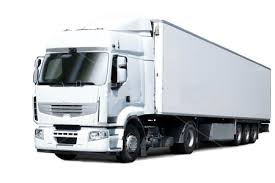
When a small car pushes a big truck, the truck applies an equal and opposite force on the car.
False
True

When a cannon fires a cannonball we observe Newton's third law. Which is the reaction force?
The cannon moving forward
The cannon moving backwards
The cannonball moving backwards
The cannonball moving forward
Action-reaction pairs can cause a change in motion.
True
False

Force always come in________
waves
triplets
pairs

The forces in a force pair are in _______ direction
opposite
same


What will happen if the Action is greater than the Reaction?
The man will fall
The boat will sink
Nothing will happen

This picture shows .............
Newton 2nd law of motion
Newton 3rd law of motion
Newton 1st law of motion
I don't know
The two paired forces in Newton's third law:
act on different objects
are equal in size
are opposite in direction
are the same type
all of the above
Resistance to an unbalanced force
Mass
Resistance
Inertia
Force
A measure of how much matter is present in a substance
Weight
Mass
Force
Inertia
Objects in motion tend to stay in motion
Newtons 1st Law
Newtons 2nd Law
Newtons 3rd Law
None

This is an Unbalanced Force
This is a Balanced Force

When a heavy football player and a light one run into each other, who exerts more force? (pushes harder)
The light one
They exert the same force on each other
The heavy one
You can't exert a force on anything unless it also exert a force on you
False
True

What happens to the balloon if the air is released ?
Balloon goes right
Balloon goes up
Balloon goes down
Balloon goes left
A baseball player hits a ball with 400 N of force. How much force does the ball exert on the bat?
300 N
400 N
500 N
Not enough info to tell
An object accelerates 3.0 m/s2 when a force of 6.0 newtons is applied to it. What is the mass of the object?
2 kg
18 kg
0.5 kg
0.05 kg
An object accelerates 12 m/s2 when a force of 6.0 newtons is applied to it. What is the mass of the object?
2 kg
18 kg
0.5 kg
0.05 kg
An object accelerates 5 m/s2 when a force of 20 newtons is applied to it. What is the mass of the object?
4 kg
20 kg
0.5 kg
2 kg
An object with a mass of 2.0 kg has a force of 4.0 newtons applied to it. What is the resulting acceleration of the object?
2 m/s2
8 m/s2
0.5 m/s2
6 m/s2
An object with a mass of 5 kg has a force of 40 newtons applied to it. What is the resulting acceleration of the object?
2 m/s2
8 m/s2
0.5 m/s2
6 m/s2
An object with a mass of 5 kg has a force of 20 newtons applied to it. What is the resulting acceleration of the object?
2 m/s2
8 m/s2
4 m/s2
6 m/s2

According to Newton's second Law, which would take more force to slow down?
The silver car
The green car
They would both take the same force
Which of these best states Newton's Second Law?
The greater the mass of an object the greater the force needed to change its motion.
The greater the mass of an object the less force needed to change its motion.
The mass of an object does not effect the force needed to change its motion
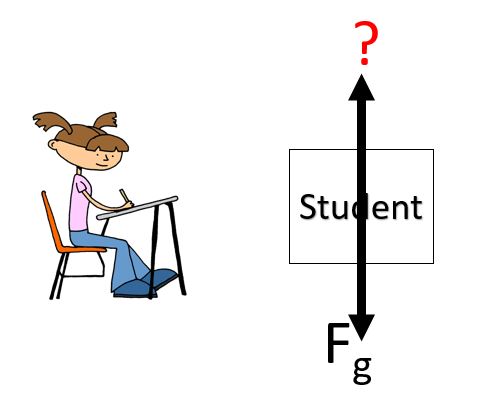
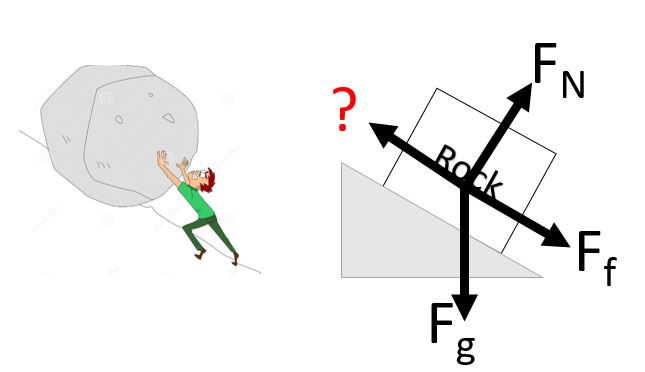

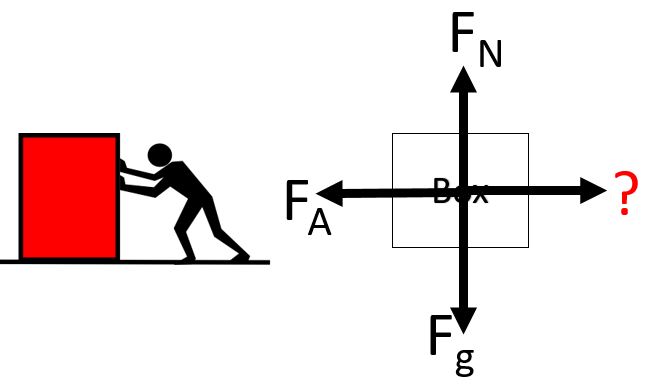
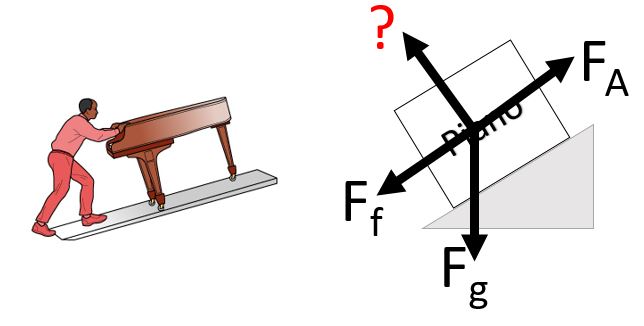
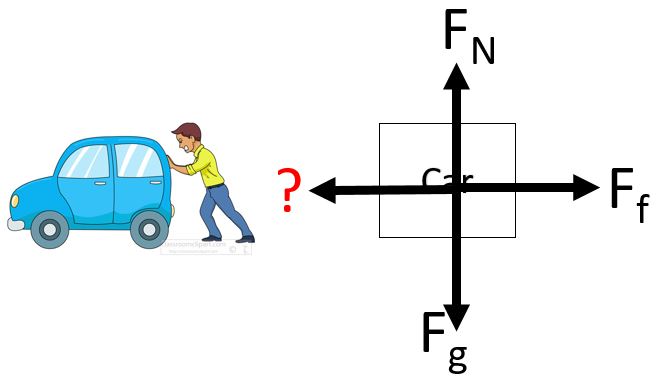

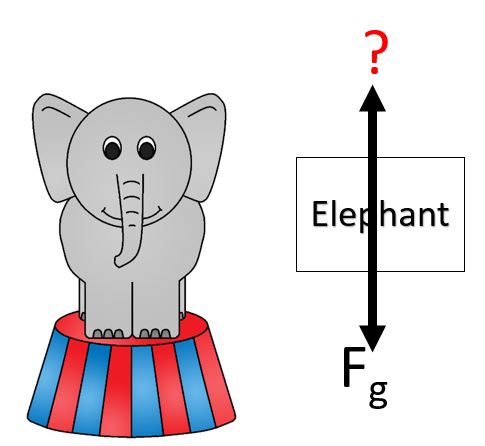
The sum of all of the forces acting on an object is known as the (a) force.
Do directions matter with forces?
(a)
When forces are acting in the same direction they should be added together.
True
False
Forces that are acting in opposite directions should be subtracted from each other.
True
False
If the net force (Fnet) is 0, _____
the forces are balanced.
the forces are unbalanced
the object maintains its same speed and direction.
the object speeds up, slows down, or changes direction.
The net force (Fnet) and the acceleration are always in the same direction.
True
False
If the acceleration and the velocity are in opposite directions, the object will _____.
speed up
slow down
turn
If the acceleration and velocity are in the same direction the object will _____.
speed up
slow down
turn

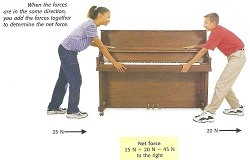
The net force acting on the object is acting _____.
to the right
to the left
up
down

The net force (Fnet) acting on the object is (a) N.

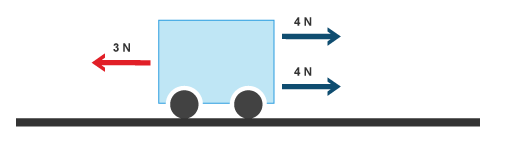
The net force acting on the block is (a) N.
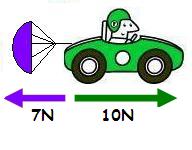

According to Galileo's observations gravity pulls on all objects equally regardless of _____________
size
shape
mass
time of day
An object in free fall _________________ as it falls
gets slower
gets faster
has a constant speed

When the air resistance or drag is equal and opposite to the weight of the object you would call this
terminal velocity
gravitational weight
flux capacitor
rotational inertia
To create the most air drag (resistance) , a parachute needs to
have a small surface area
be light
have a lot of surface area
be heavy
If an object is falling under the influence of gravity alone, this is called________
terminal velocity
acceleration
free fall

If this graph were to show a parachutist jumping from a plane, how would you describe the forces acting at point B.
His weight is bigger than air resistance
Air resistance is bigger than his weight.
His weight and air resistance are balanced.
What causes an object to fall faster?
Smaller surface area
Larger surface area
If it has a parachute
If it is softer

The larger the surface area of the moving object, the ___________ air resistance there is.
Less
More
Longer
Quicker
A force which causes objects to fall is
weight
gravity
air resistance
absorbency
Look at the pictures of the cars. Which car will have the most air resistance force acting upon it? They will be moving at the same speed.
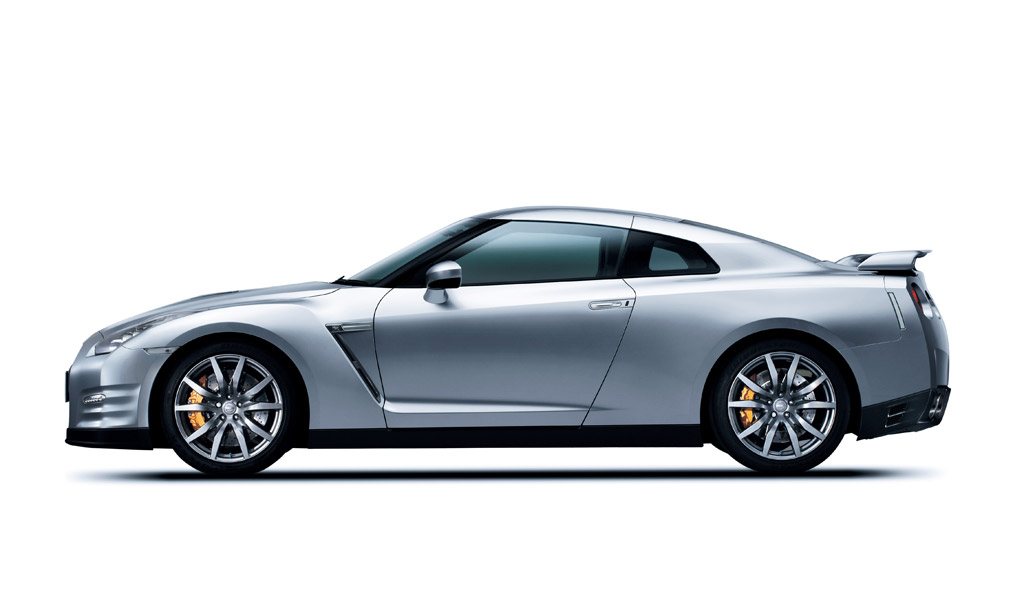
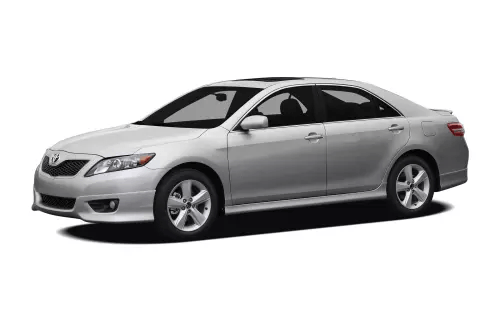
All will have equal air resistance force.
________ acts to slow the rate at which objects fall.
Thrust
Barometer
Air Resistance
Gravity
Which best describes why a falling object will reach its terminal velocity?
Gravity force is equal and opposite air resistance force.
Air resistance force is equal and opposite the freefall velocity.
Gravity force is equal and opposite the object's mass.
The object's mass is equal and opposite the gravity force.
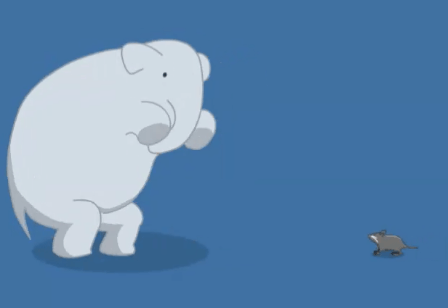
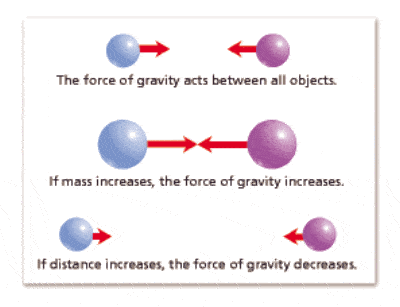

The astronaut floats in international space station. It proves that...
His weight is less in space
His mass is less in space
His weight does not change
His mass is more in space
If the mass of an object is 1000 kg on Earth, what is it's mass on the moon?
less than 1000 kg
more than 1000 kg
1000kg
A girl weighs 300 N what is her mass here on Earth?
40.8 kg
41 kg
30 kg
300 N
You fly to Venus and research if life can exist there. Your mass is 100 kg and have a weight of 90 N what is the Gravitational strength of Venus?
900 N/kg
9 N/kg
0.9 N/kg
9000 N/ kg
You fly to an unknown planet and research if life can exist there. A banana has a mass 0f 75g and have a weight of 50 N what is the Gravitational strength of this planet?
0.67 N/kg
66.7 N/kg
666.7 N/kg
9000 N/ kg
If the mass of a rhino is 1,080 kilograms on Earth , what is its weight?
2,400 Newtons
10,800 kg
10,800 Newtons
10,584 kg
Which planet would a 65 kg person weight the most on?
Mars
Jupiter
Earth
Venus


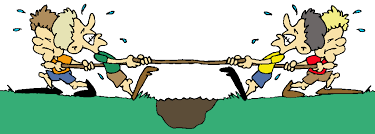

When an object is moving, friction acts in the _______ direction as the motion.
perpendicular
same
opposite
precise
What is any push or pull called?
Force
Energy
Speed
Acceleration
If the net force on a object at rest is zero Newtons. What can you conclude?
The object is in motion.
The object is not in motion.
What can you conclude about an object moving at a constant speed?
No forces are acting on it.
The forces acting on it are balanced.
The forces acting on it are unbalanced.
Which is always true about forces?
An object at rest has no forces acting on it.
Unbalanced forces cause changes in speed or direction.
The net force on a moving object can never be zero.

5 N Left
25 N Right
30 N Left
55 N Right

How would you find the net force acting on this object?
Subtract the forces, 8N
Add the forces, 12 N
Which two factors affect the force of gravity?
volume and density
size and shape
mass and distance
Why does a crumpled piece of paper hit ground before a flat sheet of paper?
The crumpled paper is more massive.
There is more air resistance against the flat paper.
The acceleration of gravity is greater on the crumpled paper.

