
Font size
 Worksheets
Skeletal System Function
Total questions: 75
Worksheet time: 58mins


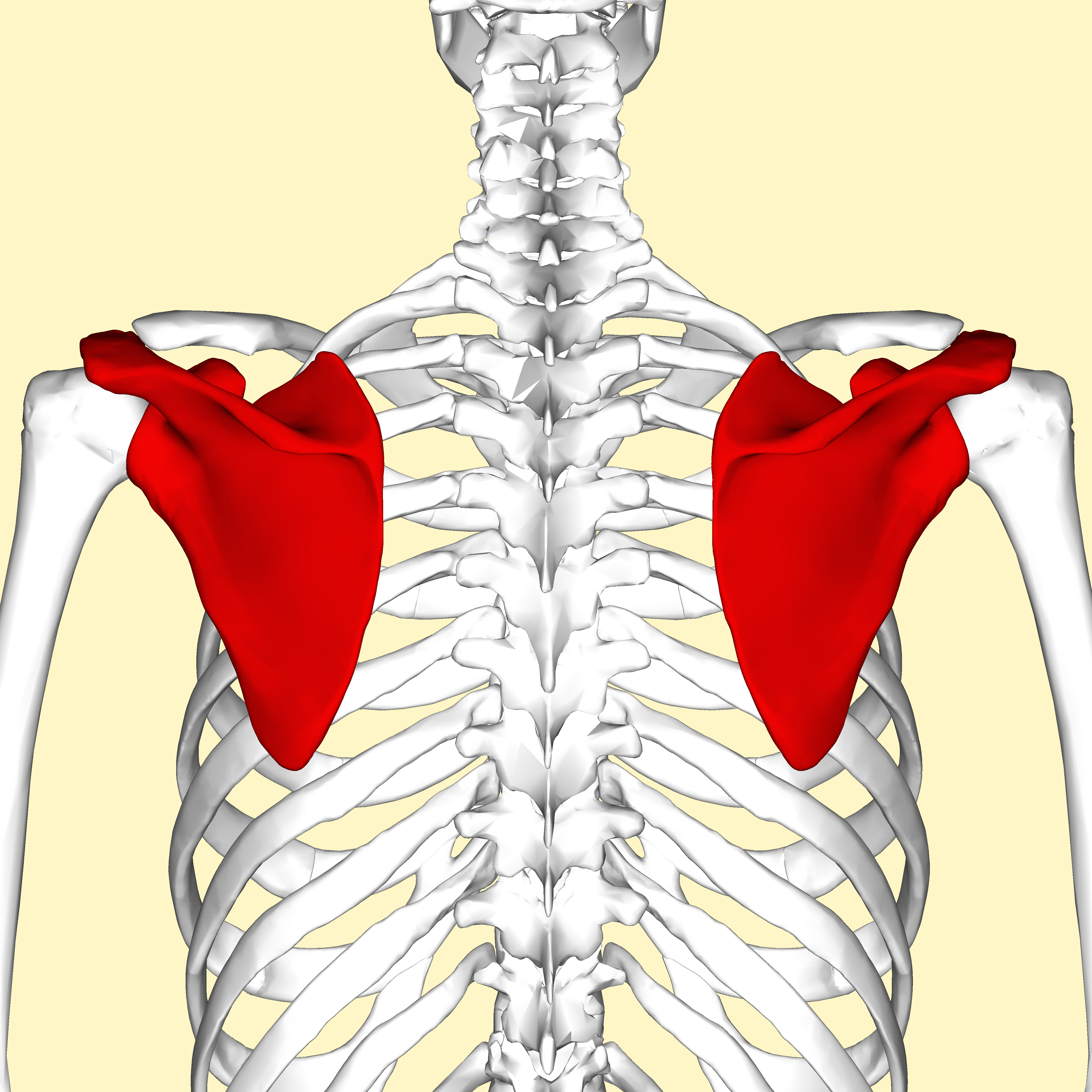


Bones are made up of
calcium
iron
potassium
oxygen
Babies are born with more bones than adults because some of their bones haven't _____________ yet
fused
calcified
ossified
developed

What are the 26 bones that make up your backbone called?
carpals
Tarsals
phalanges
vertebrae


What is the function of marrow?
To make protein
To make red blood cells and store fat.
reduce friction
to hold bones together
Bones are living things.
True
False

In which part of a bone are blood cells produced?
Bone marrow
Bronchioles
Alveoli

Muscles are fastened to bones by tough cords called_________
Tendons
ligaments
none of them
What are the 4 types of bones?
Flat, Long, Irregular, Short
Flat, Irregular, Clumped, Long
Irregular, Raised, Long, Flat
Long, Flat, Irregular, Small

The following picture represents a:
Flat bone
Long bone
Short bone
Irregular bone

The following picture represents a:
Flat bone
Long bone
Short bone

The following picture represents a:
Flat bone
Short bone
Irregular bone
Long bone
The tibia is what type of bone?
Long Bone
Short Bone
Flat Bone
Irregular Bone
Sesamoid Bone
The radius is what type of bone?
Long Bone
Short Bone
Flat Bone
Irregular Bone
Sesamoid Bone
The tarsals is what type of bone?
Long Bone
Short Bone
Flat Bone
Irregular Bone
Sesamoid Bone
The carpels is what type of bone?
Long Bone
Short Bone
Flat Bone
Irregular Bone
Sesamoid Bone
The frontal bone is what type of bone?
Long Bone
Short Bone
Flat Bone
Irregular Bone
Sesamoid Bone
The parietal bone is what type of bone?
Long Bone
Short Bone
Flat Bone
Irregular Bone
Sesamoid Bone
The sternum is what type of bone?
Long Bone
Short Bone
Flat Bone
Irregular Bone
Sesamoid Bone
The mandible is what type of bone?
Long Bone
Short Bone
Flat Bone
Irregular Bone
Sesamoid Bone

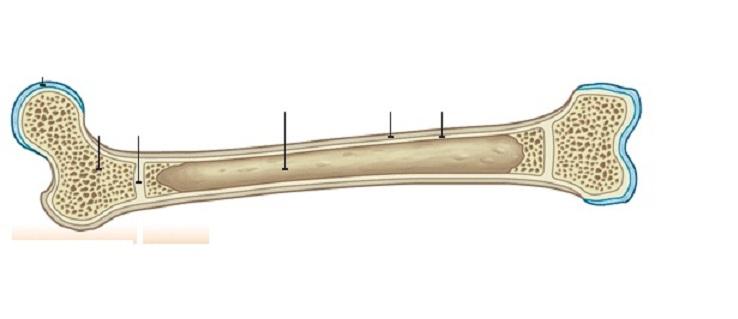
What does the letter A represent?
Epiphysis
Diaphysis
Periosteum
Articular Cartilage
What does the letter B represent?
Epiphysis
Meduallary Canal
Epiphyseal Plate
Articular Cartilage
What does the letter C represent?
Diaphysis
Meduallary Canal
Epiphyseal Plate
Periosteum
What does the letter D represent?
Diaphysis
Epiphysis
Articular Cartilage
Periosteum
What does the letter E represent?
Diaphysis
Epiphysis
Articular Cartilage
Periosteum
What does the letter F represent?
Diaphysis
Epiphysis
Articular Cartilage
Periosteum
The knee and elbow are examples of which type of joint?
Hinge
Ball and Socket
Ellipsoid/Condyloid
Pivot
Saddle
The shoulder and hit are examples of which type of joint?
Hinge
Ball and Socket
Ellipsoid/Condyloid
Pivot
Saddle
The wrist is an example of which type of joint?
Hinge
Ball and Socket
Ellipsoid/Condyloid
Pivot
Saddle
The thumb is an example of which type of joint?
Hinge
Ball and Socket
Ellipsoid/Condyloid
Pivot
Saddle
The neck is an example of which type of joint?
Hinge
Ball and Socket
Ellipsoid/Condyloid
Pivot
Saddle
Bones that are longer than they are wide (leg bones) are called:
Long Bones
Short Bones
Irregular Bones
Flat Bones
Sesamoid Bones
Bones that not round (shoulder blade) are called:
Long Bones
Short Bones
Irregular Bones
Flat Bones
Sesamoid Bones
Bones that have more than one shape (vertebrae) are called:
Long Bones
Short Bones
Irregular Bones
Flat Bones
Sesamoid Bones
Bones that small and cube shaped (wrist bones) are called:
Long Bones
Short Bones
Irregular Bones
Flat Bones
Sesamoid Bones

Which label identifies the central canal of an osteon?
E
A
G
F
Which label identifies the periosteum?
A
G
F
E
Which bone cells MAKE bone?
osteocytes
osteoblasts
osteoclasts
Which bone cells DISSOLVE bone?
osteocytes
osteoblasts
osteoclasts

These allow no movement between bones, they are interlocked and held together by connective tissue.
Slightly moveable joints
Immovable joints
Ball and Socket Joint
Gliding Joint

These permit a small amount of movement, bones are further apart than immovable joints
Ball and Socket
Condyloid Joint
Slightly Movable Joint
Hinge Joint
Most joints in the body, the ends of the bones are covered with a layer of cartilage that provides a smooth surface.
Immovable
Slightly Movable
Fixed
Freely Moveable

What type of fracture is this?
Compound
Comminuted
Simple
Spiral

What type of fracture is this?
Compound
Comminuted
Simple
Spiral

What type of fracture is this?
Hairline
Greenstick
Comminuted
Simple

What type of fracture is this?
Hairline
Greenstick
Comminuted
Simple

What type of fracture is this?
Compound
Hairline
Simple
Spiral

What type of fracture is this?
Comminuted
Open
Closed
Spiral

What type of fracture is this?
Comminuted
Open
Closed
Spiral

What type of fracture is this?
Greenstick
Comminuted
Hairline
Spiral

What type of fracture is this?
Greenstick
Comminuted
Hairline
Spiral
_________ is released when your blood is LOW in calcium
calcitonin
PTH
parathyroid
thyroid
What is calcium needed for in the blood?
muscle cell contraction
nerve cells impulses
blood clotting
Build bones
The immune system attacks the joints
Fibrodysplasia
Vitamin D deficiency
Osteoarthritis
Rheumatoid arthritis
This is an autoimmune disorder that causes painful, stiff joints that become deformed:
arthritis
osteoarthritis
rheumatoid arthritis
whiplash
What disease is caused when bursae wear out in the joints?
Gout
Rheumatoid arthritis
Osteoarthritis
Fibrodysplasia

