Font size
 Worksheets
Melanin: Central Dogma
Total questions: 62
Worksheet time: 53mins
Which answer models central dogma?
DNA to protein to RNA
RNA to DNA to protein
DNA to RNA to protein
protein to RNA to DNA
Genotype represents...
your physical traits
your genetic make up
your mRNA
your tRNA
Phenotype represents...
your physical traits
your genetic make up
your mRNA
your tRNA
What is the result of transcription?
The synthesis of RNA from protein
The synthesis of protein from RNA
The synthesis of protein from DNA
The synthesis of RNA from DNA
What is the result of translation?
The synthesis of RNA from protein
The synthesis of protein from RNA
The synthesis of protein from DNA
The synthesis of RNA from DNA
In which organelle does transcription occur?
Nucleus
Ribosome
Mitochondria
Golgi apparatus
At which organelle does translation occur?
Nucleus
Ribosome
Mitochondria
Golgi apparatus
Which of the following is a difference between DNA and RNA?
DNA has thymine, whereas RNA has uracil
DNA is double-stranded, RNA is single-stranded
DNA contains a sugar, RNA does not
DNA cannot leave the nucleus, RNA can
Nucleotides are to nucleic acids, as ____________ are to proteins.
codons
peptides
DNA
amino acids
What is the role of RNA polymerase?
To synthesize DNA
To synthesize RNA
To synthesize amino acids
To synthesize protein
What role does the mRNA play in protein synthesis?
mRNA modifies the original DNA strand
mRNA mutates to form protein
mRNA is the transcribed message from a DNA sequence
mRNA moves the amino acids
What does rRNA represent?
Ribosomal RNA
Reconstructed RNA
Reactive RNA
Reusable RNA
What is the role of tRNA?
To treat the DNA strand
To transfer codons
To transfer amino acids
To tackle mutations
Codons represent a...
triplet sequence of bases
single sequence of bases
quadruple sequence of bases
pair of bases
Codons are located on the...
DNA
mRNA
rRNA
tRNA
Anticodons are complementary to...
codons
amino acids
nucleotides
nitrogenous bases
Anticodons are located on the...
DNA
mRNA
rRNA
tRNA
What is the start codon?
UAC
TAC
AUG
GUA
Can more than one codon code for the same type of amino acid?
yes
no
When reading the codon chart, which molecule do you reference?
DNA
mRNA
tRNA
rRNA
How many codons are required for one amino acid?
1
2
3
4
How many codons are required for three amino acids?
1
2
3
4
Which of the following is a result of a nondisjunction?
Klinefleter syndrome
Sickle cell anemia
Cystic fibrosis
Hemophilia
Which of the following best describes the cause of cystic fibrosis?
a mutated blood clotting protein
a mutated transport protein
an extra 21st chromosome
an extra 13th chromosome
Which of the following is an autosomal recessive disorder?
Huntington's disease
sickle cell anemia
colorblindness
Hemophilia
Which of the following is a autosomal dominant disorder?
Huntington's
Cystic fibrosis
Hemophilia
Sickle cell anemia
Which of the following is a sex-linked disorder?
Hemophilia
Sickle cell anemia
Cystic fibrosis
Huntington's
Which of the following is a chromosomal mutation?
insertion
frameshirt
substitution
nondisjunction
Which of the following cause frameshift mutations?
insertions and deletions
translocations and nondisjunctions
duplicaitons and deletions
inversions and substitutions
Which of the following is NOT a chromosomal disorder?
Turner's syndrome
Downs syndrome
Klinefelter's syndrome
Huntingdon's
Which of the following is NOT caused by a gene mutation?
Turner's syndrome
Sickle cell anemia
Cystic fibrosis
Hemophilia
Identify the substitution mutation that results in an abnormally shaped protein and that causes a reduced ability to bind and transport oxygen.
Cystic fibrosis
Sickle cell anemia
Huntington's
Hemophilia

3'-GCT-5'
ATTGAGCC - Mutated
The example above is an example of a
T-G-A-C-C-A
T-G-A-G-C-A
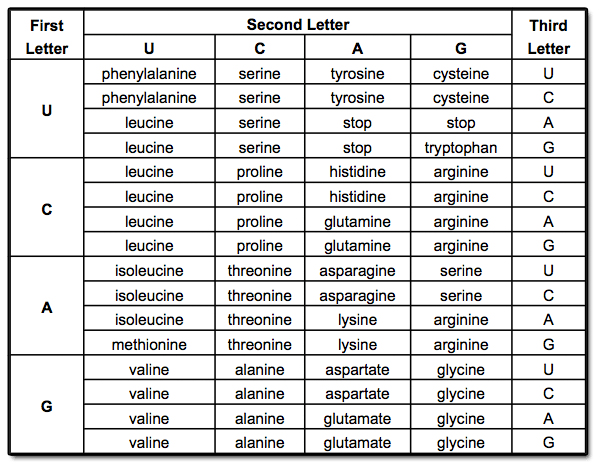
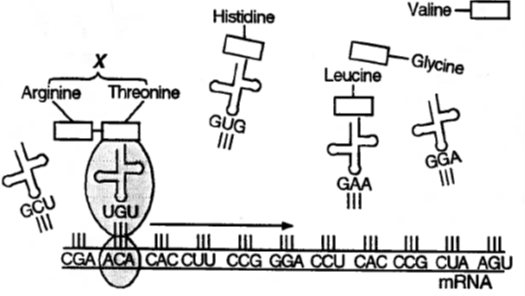
Which of the following is the least likely number to represent how many amino acids are coded for by this sequence of nucleotides?
ATGGGAACTCCA
4
2
3
12

Place the order of events for creating a protein in order (1- 6)
- mRNA attaches to rRNA
- codons are continuously read by tRNA
- tRNA reaches a stop codon
- tRNA connects second amino acid by peptide bond to Methionine
- Polypeptide chain is created
- mRNA’s start codon AUG is translated by tRNA’s anticodon (Methionine)
1,5,4,3,6,2
2,4,5,3,6,1
1,2,3,4,5,6
1,6,4,2,3,5
What specifically holds the amino acids together to form a polypeptide chain?
covalent bond
ionic bond
hydrogen bond
peptide bond
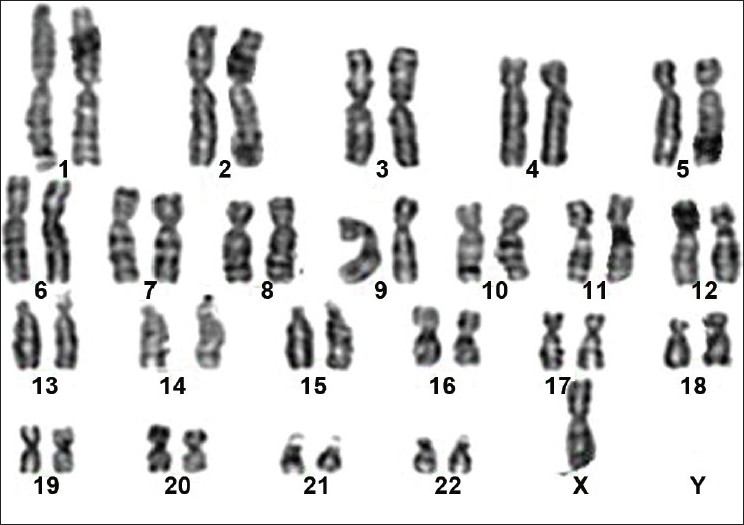
a photograph or picture of chromosomes grouped in ordered pairs is a ______________
pedigree
Punnett Square
Venn Diagram
Karyotype
A normal human zygote should have _____ chromosomes inside.
46
23
92
64