
 Worksheets
Unit 3 Review
Total questions: 106
Worksheet time: 3hrs 38mins
Which reaction produces harmful radioactive waste?
Fission
Photosynthesis
chain reaction
Fusion
_____is the joining of atomic nuclei
Fusion
chain reaction
Photosynthesis
Fission
_______is the splitting of atomic nuclei
Fission
nuclear reaction
Fusion
bayler reaction
Which process occurs naturally in the centre of stars like the Sun
Bi-multiple reaction
Fission
chemical
fusion
How is the alpha particle written in a nuclear equation?
42He
24He
0-1e
00γ
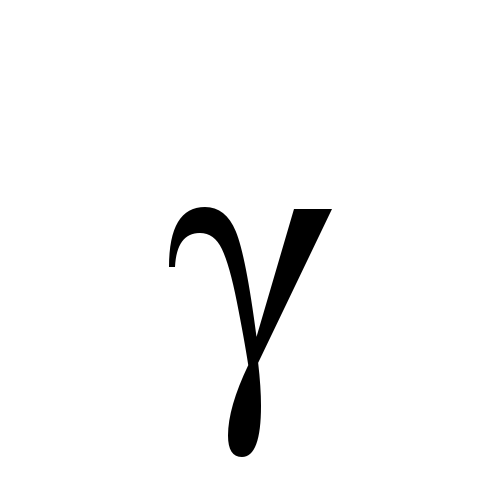
Gamma rays have
no mass
a huge mass
a small mass
an average mass
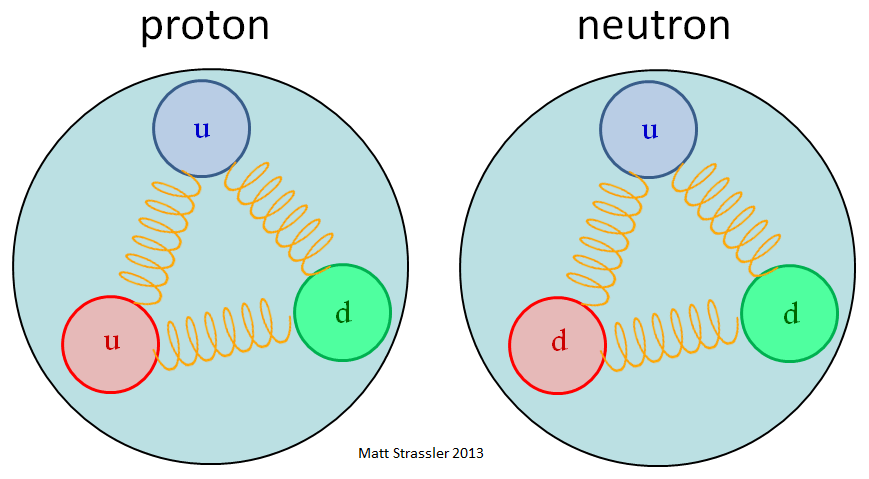
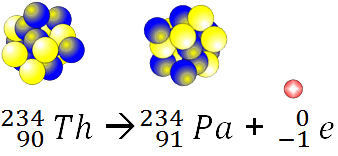
During beta-particle emission, a neutron splits into a____________________.
proton and electron
neutron and electron
neutron and proton
Has the lowest penetrating power. Can only penetrate 0.05 mm into the body and can be stopped by the skin.
Electron capture


elements in Group 1A of the periodic table; the ions of the elements in this group have a 1+ charge
alkali metals
alkaline earth metals
halogens
isotopes
elements in Group 2A of the periodic table; the ions of the elements in this group have 2+ charge
alkaline earth metals
alkali metals
isotopes
halogens
the electrode at which oxidation occurs; it is the positively charged electrode within a cathode ray tube
anode
isotopes
diatomic elements
cathode
the smallest particle of an element that retains the chemical identity of the element; made up of positively charged protons, negatively charged electrons, and neutrons
atom
cathode
isotopes
electron
the weighted average of the masses of the existing isotopes of an element; the sum of the masses of an element’s isotopes each multiplied by its natural abundance
average atomic mass
atomic number
excited state
ground state
the number of protons in the nucleus of an atom
atomic number
average atomic mass
mass number
period
the electrode at which reduction occurs; it is the negatively charged electrode within a cathode ray tube
cathode
anode
mass number
electron
a stream of electrons produced at the negative electrode (cathode) of a tube containing a gas at low pressure
cathode ray
anode
diatomic elements
cathode
elements that exist as diatomic molecules in nature; they include oxygen, hydrogen, nitrogen, fluorine, chlorine, iodine, and bromine
diatomic elements
electron
excited state
ground state
a negatively charged particle within an atom; it has a mass of 0.000549 amu
electron
neutron
proton
diatomic elements
an electron that has absorbed energy and, therefore, exists at a higher energy level
excited state
neutron
diatomic elements
metalloids
the normal state of an electron or atom; at this state the electron or atom has the lowest possible energy
ground state
excited state
metalloids
anode
a vertical column on the periodic table with similar electron configurations, chemical properties, and the same number of valence electrons
group
period
proton
neutron
elements in Group 7A (17); they are the most reactive nonmetals
halogens
alkali metals
alkaline earth metals
isotopes
an atom that has the same number of protons as another, identical atom, but with differing numbers of neutrons
isotopes
proton
neutron
halogens
the sum of the number of protons and neutrons in the nucleus of an atom
mass number
atomic number
average atomic mass
proton
an element that typically has a high melting point, is ductile, malleable, and shiny, and a good conductor of heat and electricity
metal
metalloids
halogen
atom
elements found on the stair-step line of the periodic table with properties of metals and nonmetals
metalloids
halogens
neutron
metal
a neutral particle within the nucleus of an atom; it has a mass of 1.00867 amu
neutron
proton
electron
atom
elements in Group 8A (18); they do not readily react with other elements due to a satisfied octet; they are inert
noble gases
halogens
metal
metalloids
elements that typically have a low melting point,a dull surface, breaks easily, and is a poor conductor of heat and electricity
nonmetal
noble gases
halogens
metalloids
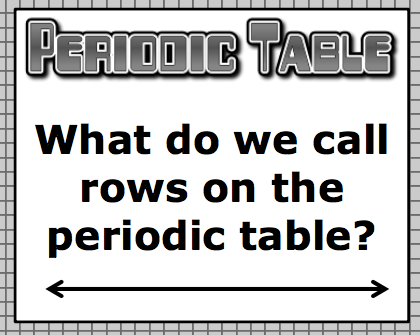
a horizontal row on the periodic table; the elements within the same period have the same number of energy levels
period
group
metal
halogens
natural law that states that the chemical and physical properties of elements are periodic functions of their atomic numbers
periodic law
anode
noble gases
proton
an arrangement of the elements by their atomic numbers so that elements are periodic functions of their atomic numbers
periodic table
periodic law
metalloids
metal
a positively charged particle within the nucleus of an atom; it has a mass of 1.00720 amu
proton
neutron
electron
isotopes
the percentage of an isotope that occurs in nature
relative abundance
periodic law
average atomic mass
excited state
the attractive force among the particles in the nucleus of an atom; in a stable atom, it overcomes the forces of repulsion among protons
strong nuclear force
relative abundance
transition elements
valence electrons
elements found in the middle column of the periodic table; they have multiple oxidation states
transition elements
valence electrons
relative abundance
strong nuclear force
electrons in the outermost energy level of an atom
valence electrons
proton
neutron
electrons
Who is your favorite chemistry teacher?
Ms. Jones
Ms. Jones


What charge do protons have?
Positive
Negative
Neutral
What is Atomic Mass Number ?
Number of Protons
Number of Neutrons
Number of Protons and Neutrons
Number of Protons and Electrons
The number of electrons in an atom is equal to the...
Atomic number
Protons
Atomic Mass
Neutrons
How many periods are on the periodic table?
5
6
7
8
Elements in the same group have : (2 correct answers)
Similar chemical properties
Similar names
Same number of outer (valence) electrons)
The same number of protons
Which of the three particles has the smallest mass?
proton
neutron
electron
The plum pudding model is discovered by
J.J. Thompson
Ernest Rutherford
James Chadwick
Albert Eisntein
Who discovered the electron?
Thompson
Rutherford
Chadwick
Newton
Who proved that the neutron existed?
Thompson
Rutherford
Chadwick
Newton
Who did gold foil experiment for the first time?
Thompson
Rutherford
Chadwick
Newton
Which one is the result of Rutherford's gold foil experiment?
atom is mostly empty space, with their particles packed into a dense nucleus at the centre
the electrons are scattered
throughout the atom
the electrons and the protons are grouped closely together in the center
the protons and neutrons are scattered
throughout the atom
What are the 3 subatomic particles of an atom?
shell, proton, electron
cloud, neutrons, protons
nucleus, protons, electrons
protons, neutrons, electrons
A region around the nucleus of an atom where electrons are likely to be found.
Electron Cloud or shell
Nucleus
Protons
Electrons
JJ Thomson was credited for the discovery of the:
Center of the universe
Proton
Electron
Neutron
The first universally accepted theory on atoms was proposed in 1803 by:
Winston Churchill
John Dalton
James Bond
J J Thomson


He discovered that every atom was positively charged.
He discovered that every element consisted of one type of atom
He discovered that atoms had nuclei
He discovered that atoms could be divided into smaller parts
Niels Bohr suggested that electrons:
Are found in specific orbits
Are scattered throughout the atom
Move according to their energy level
Are positive
Rutherford discovered this part of the atom:
Nucleus
Neutron
Proton
Electron
Which conclusion could be made from Ernest Rutherford’s gold foil experiment?
Atoms are made up of mostly empty space.
Atoms are mainly solid and block alpha particles.
The volume of the nucleus is large compared to the rest of the atom.
The mass of the nucleus is small compared to the rest of the atom.
What did Ernest Rutherford’s gold foil experiment demonstrate about atoms?
Their positive charge is located in a small region that is called the nucleus.
Their negative charge is located in small particles that are called electrons.
Their nucleus makes up the majority of the volume of the atom.
Their electrons are floating in a sea of positive charges.
What is the correct order of scientists in order of their work related to the atomic theory from earliest to most recent?
Ernest Rutherford, JJ Thomson, John Dalton, & Democritus
JJ Thomson, John Dalton, Ernest Rutherford, & Democritus
Democritus, John Dalton, JJ Thomson, Ernest Rutherford.
John Dalton, JJ Thomson, Democritus, & Ernest Rutherford
Which one of these is Dalton's Model?


Why did Ernest Rutherford and his colleagues perform the Gold-Foil Experiment?
They wanted to test and confirm the Plum-Pudding model
They wanted to test John Dalton's Model
They were looking for electrons
They wanted to come up with their own Atomic Model
Which of the following was an observation made by Rutherford to support that atoms have a dense positive nucleus?
He observed that all alpha particles did go through a gold-foil in straight lines
He observed that most alpha particles did not go through a gold-foil and stopped on one side of the gold foil.
He observed that a small number of alpha particles bounced off the gold-foil at very large angles
He observed that all alpha particles slightly deflected from the straight line when going through a gold-foil


If an electron moves from n=4 to n=2 it ____
absorbs energy
releases energy


This is the distance between two peaks. What is this called?
amplitude
wavelength
longitude
trough

The lower the frequency the ______ the energy.
higher
lower
neither, stays the same



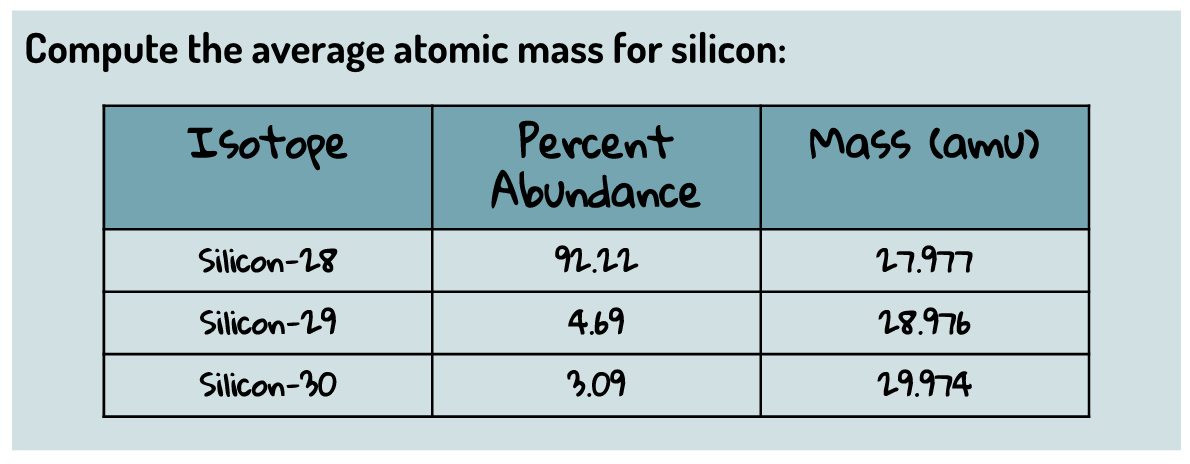
Aluminum-27
An atom with 14 protons and 13 neutrons


