
 Worksheets
Physical Science Review
Total questions: 65
Worksheet time: 43mins

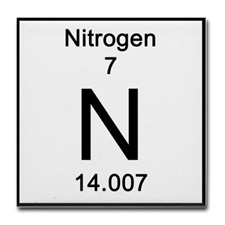
What does the 1.00794 stand for?
mass number
atomic number
average atomic mass
number of protons
If an atom has 12 protons, which of the following must it also have to be considered a neutral atom?
12 neutrons
12 electrons
12 protons
24 protons and neutrons
What charge does an atom have when it GAINS electrons?
Positive
Negative
Neutral
What two particles determine the mass number?
Protons and electrons
Electrons and neutrons
Protons and neutrons

If the mass number of this chlorine atom is 36, how many neutrons does it have?
17
18
19
can't be determined

What is the atomic number of this atom shown in the Bohr model?
11
12
13
can't be determined

Is this atom an ion? If so what would it's charge be?
Yes, 1-
No it is neutral
Yes, 1+
Can't be determined

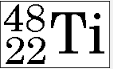
9 protons and 9 neutrons
Fluorine-18
Fluorine-9
Fluorine-16
Fluorine-18.998
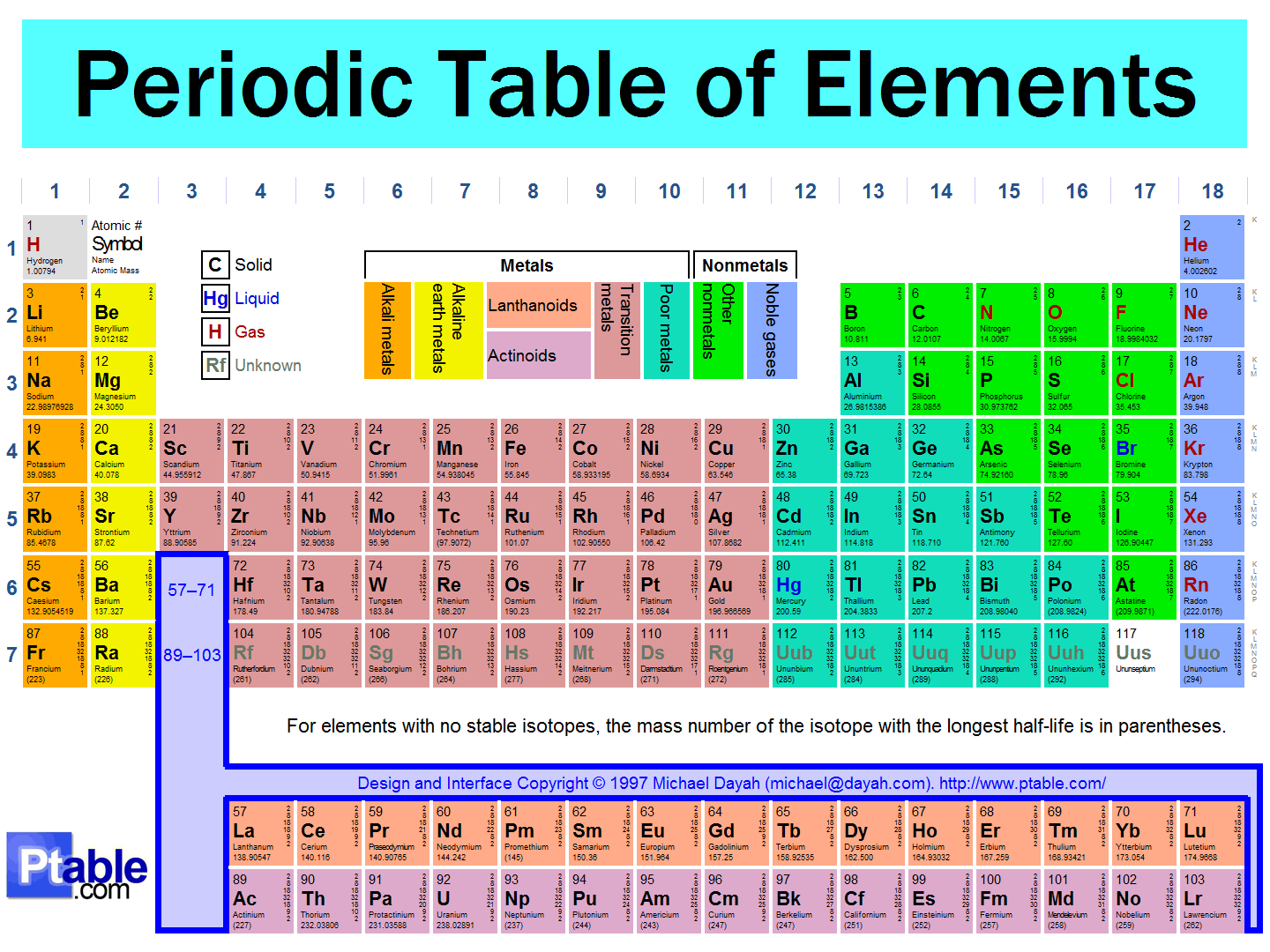
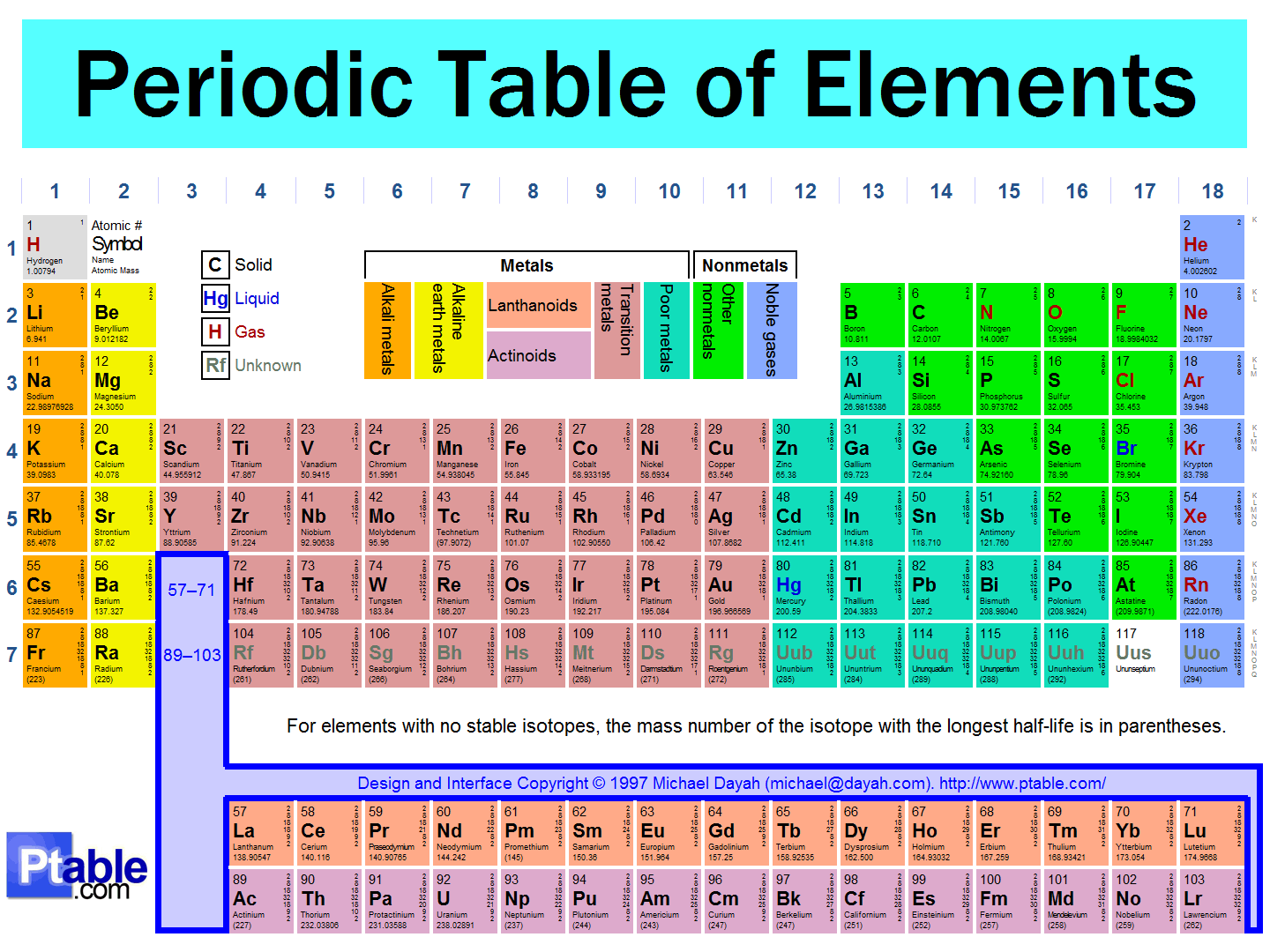
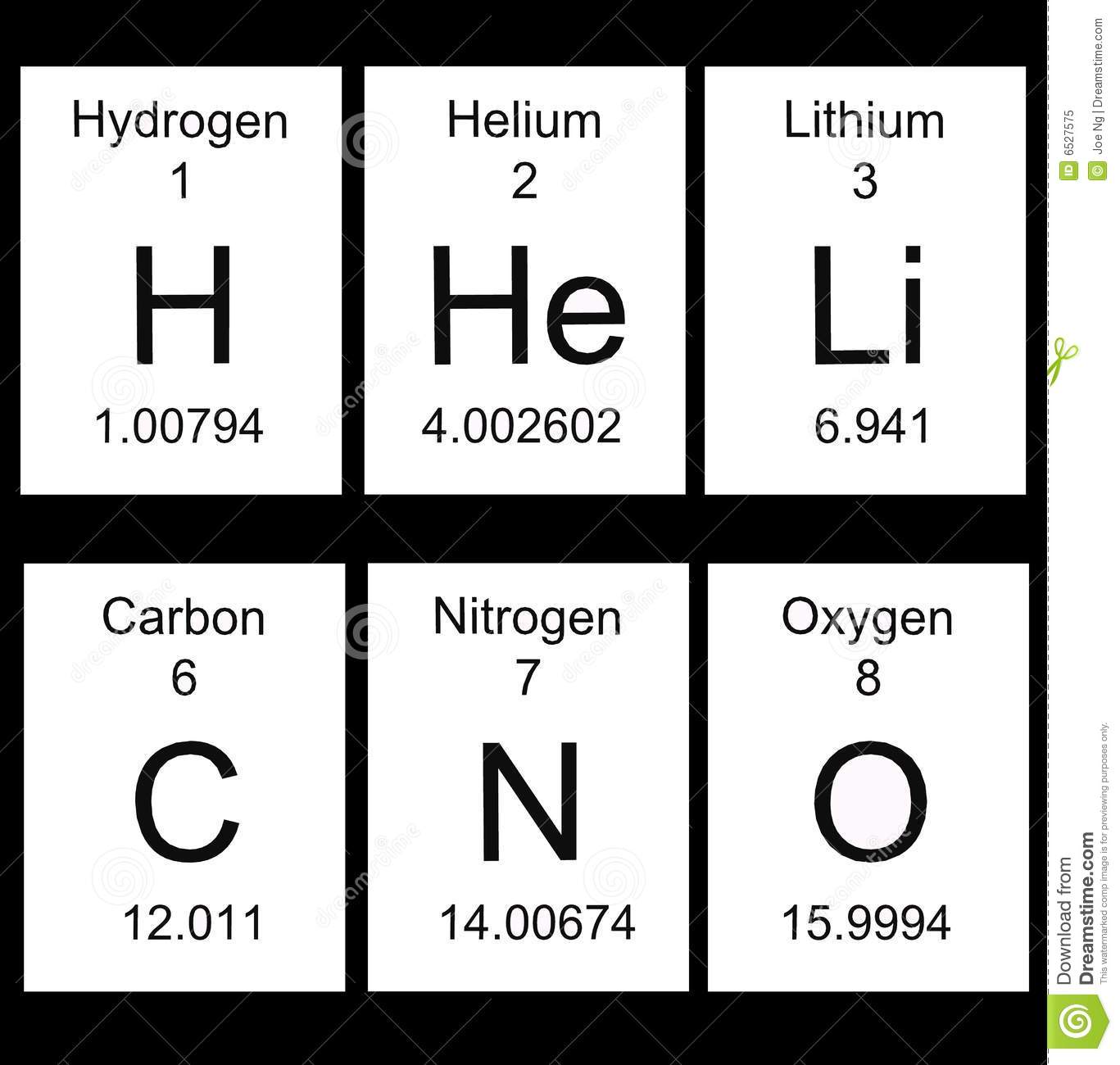
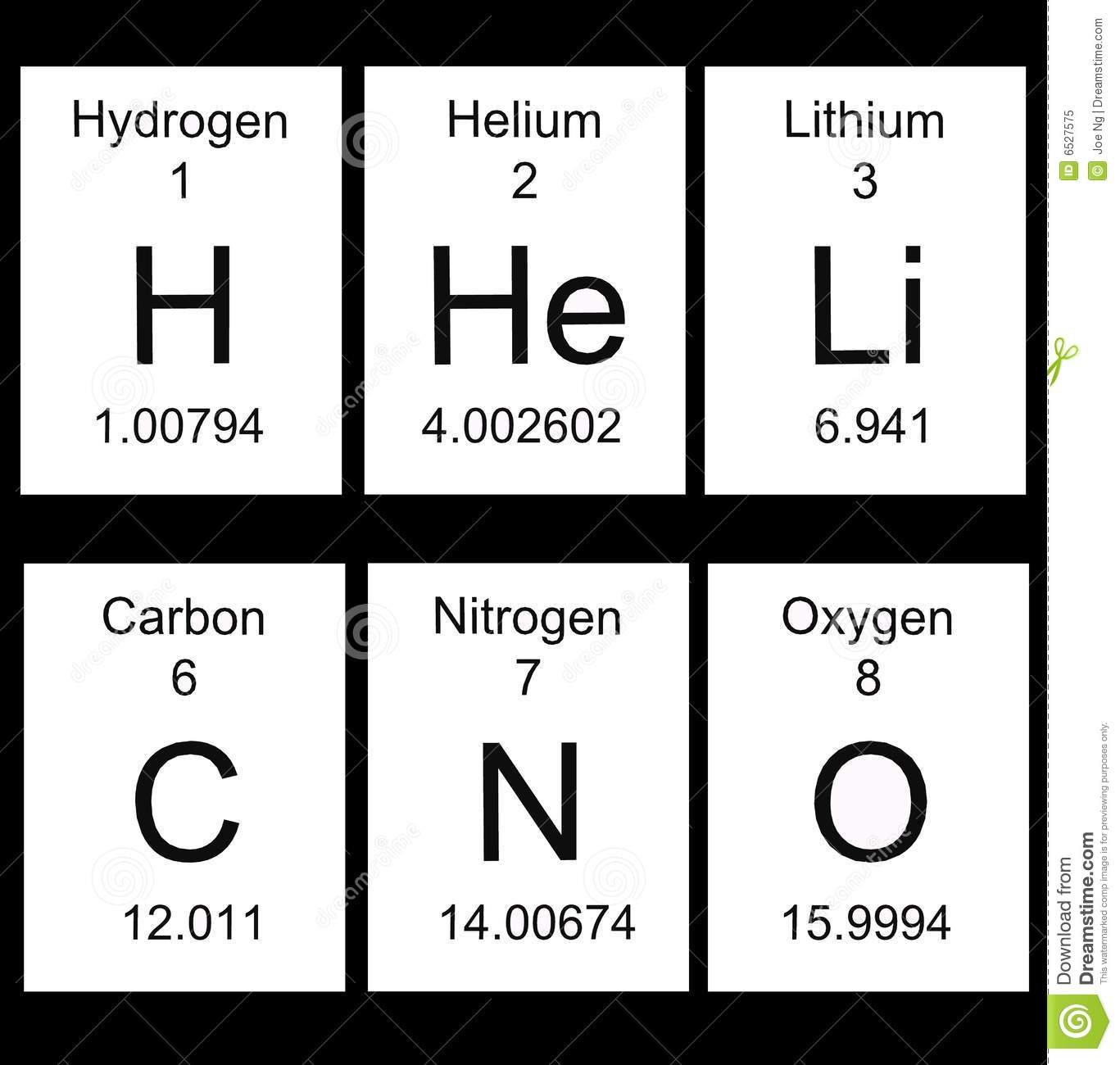
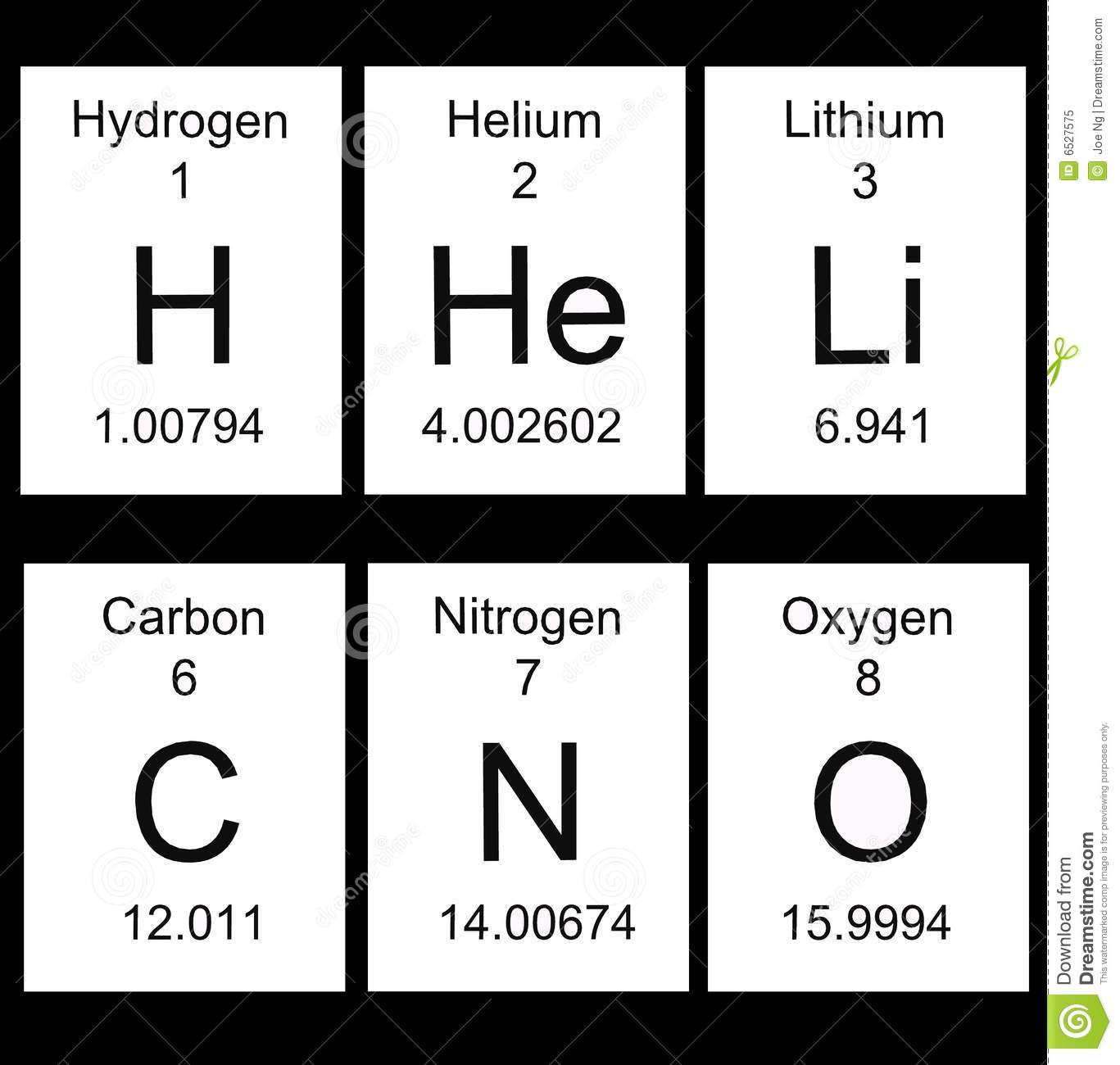


What group does Lithium (Li) belong to?
1
2
3
4

Which period does Lithium (Li) belong to?
1
2
3
4
Which group are the Halogens in?
1
2
17
18
Which group are the Alkaline Earth Metals in?
1
2
17
18
Which group are the Noble Gases in?
1
2
17
18
Which of the following is an Alkali Metal?
Magnesium
Chromium
Sodium
Which of the following is a Halogen?
Bromine
Rubidium
Beryllium
Which of the following is a Noble Gas?
Krypton
Chlorine
Gallium
Why do all bonds form?
so the number of protons equals the number of electrons
so an atom can become unstable
to fill the outermost energy level

What type of elements form cations?
metals
nonmetals
metalloids?
Anions
Gain electrons, has an overall positive charge
Lose electrons, has an overall positive charge
Lose electrons, has an overall negative charge
Gain electrons, has an overall negative charge
How does calcium become an calcium ion?
it loses 2 electrons
it gains 2 electrons
How does magnesium become an magnesium ion?
it loses 2 electrons
it gains 2 electrons
How many Aluminum atoms are in Al2O3?
3
5
2
1

What happens when two oppositely charged ions are pushed together?
they will repel (move apart)
they will be attracted to each other (move together)




Na Br
K Br
N H
H H
Which type of particle moves from one object to another to cause static electricity?

Two balloons are hanging from a stick.
Both balloons have a positive charge.
How would you expect the balloons to move?
there would be no movement
towards each other
away from each other

