
 Worksheets
Landforms changes to earth 5.7B 5.7A 3.7B
Total questions: 122
Worksheet time: 2hrs 46mins
Rocks, loose soil and sand rapidly sliding down a slope are a change to the surface of the earth known as a...
Delta
Volcano
Landslide
Glacier
Lava from a volcanic eruption can change the Earth's surface by...
forming new land
making oceans boil
carving deep valleys
pushing aside hills
If rock layers have split and shifted, what most likely caused this change?
River
Landslide
Volcano
Earthquake

A rapid change is a change that happens...
slowly.
hot.
cold.
quickly.


Slow process that carries away or moves sediment
Landform
Weathering
Agent
Erosion
Landforms formed from deposition by wind
Delta
Sand dune
U shaped valley
Canyon
Landform formed from deposition by water from a river
Delta
Canyon
V shaped valley
Landform
Landform formed from weathering and erosion by a glacier/ice
V shaped valley
U shaped valley
Erosion
Sand dune
Slow process that breaks down rock into sediment
Canyon
V shaped valley
Erosion
Weathering
Landform formed from weathering and erosion by water from the river
Delta
Canyon
Landform
Deposition

What is it?
river
house
mountain
waterfall

What is it?
river
beach
mountain
waterfall

What is it?
house
market
island
hall

What is it?
Hill
Desert
Farmland
Rainbow

What is it?
Beach
Cave
Company
Factory

What is it?
Beach
Pond
River
Ocean

What is it?
river
valley
hill
waterfall

delta
canyon
cave
sand dune

The process in which rock is broken down into
smaller pieces is –
erosion
weathering
deposition
compaction

landslide
u shaped valley
sand dune
canyon
Deposition
the movement of weathered material by wind, water, or ice (e.g. glaciers)
process by which weathered and eroded material is deposited by wind, water, and ice
process by which exposed rock is broken down by rain, frost, wind, or other elements of weather
a physical structure on Earth that occurs naturally

What is this landform?
sand dune
delta
canyon
arch

This landform is formed by
moving water
wind erosion
deposition
glaciers

What is this landform?
delta
canyon
valley
sand dune

This landform is formed by
water erosion
weathering
deposition of sediments
glaciers

What is this landform?
valley
delta
canyon
sand dune

This landform is formed by
water erosion
wind erosion and deposition
glaciers
weathering

What is this landform?
canyon
delta
valley (U-shaped)
arch

This landform was formed by
ice erosion (from a glacier)
water erosion
wind erosion
weathering
the movement of weathered particles by water, wind or ice
weathering
erosion
deposition
a large, flat area of land at the mouth of a river formed by the deposition of sediments
sand dune
canyon
delta

The Rio Grande Valley is located at the southern tip of Texas at the end of a long river known as the Rio Grande. How did the delta at the end of the Rio Grande form?
Sand and mud from the Gulf of Mexico were washed ashore by tsunamis.
The river cut through the solid bedrock of the valley
The river deposited large amounts of sediment from land erosion.
Hurricanes pushed soil and debris from the Gulf of Mexico onto the land.

The photograph shows a canyon in northern Arizona. Which of these best describes how this canyon was most likely formed?
Floods eroded the sandstone away from the canyon walls
Glaciers eroded the canyon rock as they melted and moved.
Ice wedged into cracks in the rock and weathered the canyon walls
Wind blew large rocks that smashed against the canyon walls.

A wide U-shaped valley is shown in photograph. This valley is most likely formed by -
Flash flooding
a glacier
a hurricane
melting snow
Which of the following statements best explains how petroleum is formed?
Over millions of years, the fossils of dinosaurs decayed and slowly turned into oil.
Oil comes from ancient mud and soil that has been heated in the Earth's crust from millions of years.
Oil comes from the heat and pressure that has been applied to dead microscopic plant and ocean animals for millions of years.
Large machines extract ancient water from the Earth's crust, and scientist add chemicals that change the water to oil.

The diagram below shows the processes of sedimentary rock formation. Which process best fit in the box marked with an X?
Weather and Compaction
Erosion and Cementation
Weathering, Erosion, and Deposition
Melting, Cooling, and Deposition

The table below describes the steps involved in the formation of sedimentary rocks. Based on the information above, which step in the sedimentary rock formation process is known as deposition?
Step 1
Step 2
Step 3
Step 4
The table below describes the steps involved in the formation of sedimentary rocks. Based on the information above, which step in the sedimentary rock formation process is known as weathering?
Step 1
Step 2
Step 3
Step 4
The table below describes the steps involved in the formation of sedimentary rocks. Based on the information above, which step in the sedimentary rock formation process is known as compaction?
Step 2
Step 3
Step 4
Step 5
All of these processes are related to the formation of sedimentary rock EXCEPT -
compaction
cementation
deposition
condensation
Which process is NOT a stage in the formation of fossil fuels?
Compaction of fossils and layers of sediment
Fossilization of dead plants and animals
Deposition to create layers of sediment
Eruption of liquids and gases for collection
Two students were discussing how fossil fuels are formed.
Student A stated, " Heat does not play a role in the formation of fossil fuels because it is only the pressure from sediment layers that forms the fuels."
Student B disagreed and stated, "High temperatures and pressure are both needed to form fossil fuels."
Which statement is correct and why?
Student A is correct because fossil fuels are formed under the ocean, by pressure from sediment and water, where the heat cannot reach.
Student B is correct because high temperatures and pressure are needed to change animal and plant remains into fossil fuels.
Student A is correct because fossil fuels are formed from the layers of sediment that turn into fossil fuels.
Student B is correct because fossilization occurs when water is heated and mixed with fossils creating a thick paste that turns to fuel.

Great amounts of force were applied to a large rock causing it to crack. The forces that caused the crack in the rock formation were most likely caused by -
ocean waves weathering the rock
water freezing and thawing in the rock
a glacier passing over the rock
wind creating a tunnel through the rock

How do river deltas change over time?
More and more sediments build up around the delta. The river develops more branches.
Water erosion continues. The ocean wears away the land, and the coastline recedes.
Water erosion continues. Smaller river branches disappear, and the main branch becomes deeper.
Fewer sediments are deposited into the river system. The river valley dries up, and vegetation dies out.
Which type of landform most likely results from the movement of a glacier?
A sharp V shaped valley
A wide and deep canyon
A curved path like a river
A curved U-shaped valley

After studying some of Earth's landforms, a group of students created the list below. Which of the statements in the list above is false?
Statement 1
Statement 2
Statement 3
Statement 4
Rocks will break down into smaller pieces. What are those pieces called?
Crust
Fossils
Plates
Sediment


What is an example of a renewable resource?
water (hydroelectric)
oil
coal
fossil fuel
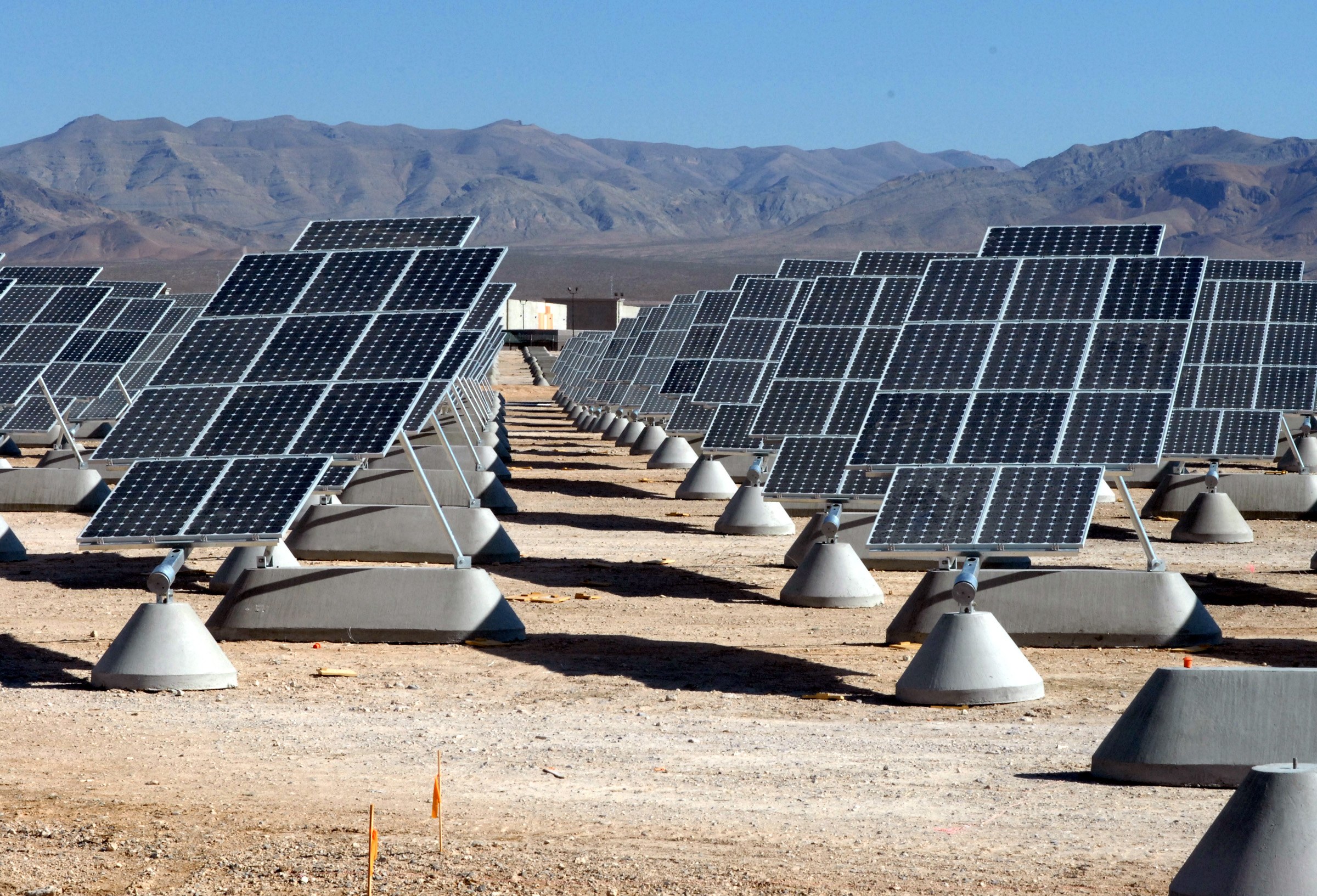
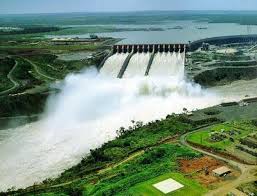
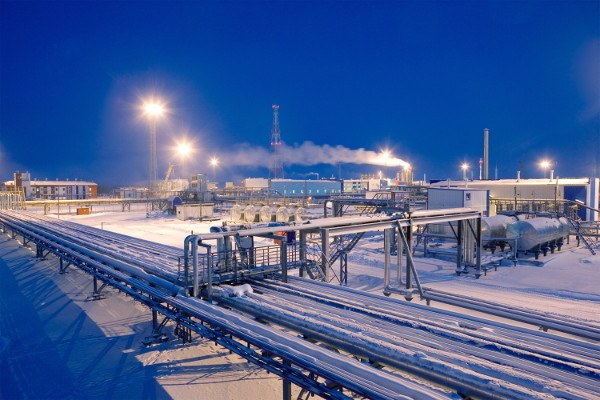


What type of energy is created using these wind turbines.
Geothermal
Hydro
Wind
Nuclear
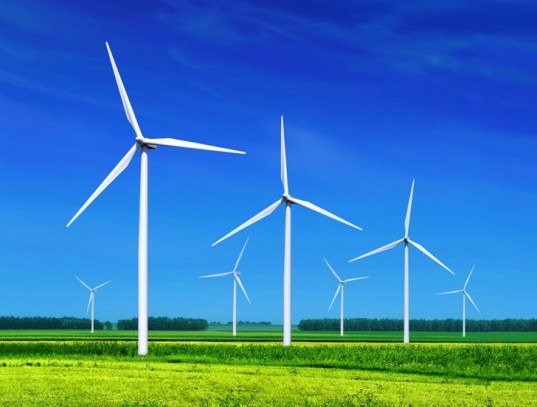
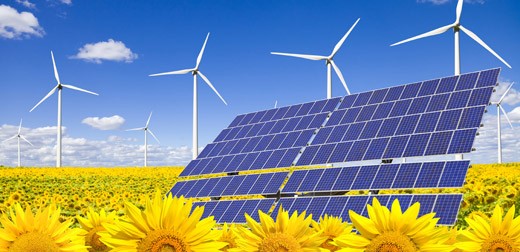
__________ is an energy resource that WILL NOT run out in the next several hundred years.
Renewable Energy Resource
Nonrenewable Energy Resource
Fossil fuels
biodegradable
What is a fossil fuel?
oil
biomass
wind
hydro


How long does it take for fossil fuels to form?
hundreds of years
millions of years
thousands of years
three weeks
Which does NOT belong with the formation of sedimentary rock?
Pressure
Weathering
Organic Matter
Millions of years
Fossil Fuels are nonrenewable.
True
False

What most likely happened to the dead plants and animals in the diagram?
They were eaten by scavengers.
They were washed away by water.
They became fossil fuels.
They became an underground aquifer.
Small pieces of rock are called -
Crust
Fossils
Plates
Sediment
All of the following are needed in coal formation EXCEPT -
Animals died and were covered by sediment.
Plants died and were covered by sediment
Heat, pressure, and time change the peat to lignite.
Time and pressure changes dead plant material to peat.
What kinds of particles are needed to be present in the marine mud in order for fossil fuels to form?
Mostly sand and a few small bits of wood
Mostly decaying organisms
Mostly lava and a few sedimentary rocks
Mostly metal minerals
Petroleum is another word for -
Oil
Coal
Natural Gas
Sedimentary Rock
Which components are related to the formation of fossil fuels?
lava, sand, and decayed animals
decayed plants, lava, and minerals
decayed plants and animals, and water from oceans
decayed plants and animals and sedimentary rock

What is the picture showing?
Compaction
Cementation
Deposition
Weathering
Which list contains only the processes that must occur in order for fossil fuels to form?
formation of faults, burial, glacier formation
organism growth, burial, volcanic eruptions
organism growth, burial, compaction
Erosion, burial, earthquakes
Which of the following best explains how layers of sediment on the bottom of an ocean floor can become rock over many years?
Sand in the sediment melts and turns into rock
The weight of the water compacts the sediment into rock
Pollution caused by humans turns the sediment into rock
Changing water temperatures turn sand in the sediment into rock
Which statement best describes the processes of weathering and erosion?
Weathering and erosion are directly responsible for the breakdown of any type of rock into smaller particles and carrying away loose sediments.
Weathering and erosion are directly responsible for depositing loose sediments on the bottom of an ocean, forming layers of sediment.
Weathering and erosion are directly responsible for the amount of water in a river that transports sediments to the sea.
Weathering and erosion and directly responsible for the transportation, deposition, and compaction of loose sediments on the sea floor.
What is needed for fossil fuel formation but not needed for sedimentary rock formation?
sediment
organic matter
fresh water
heat from the sun
All of the following are something that sedimentary rock and fossil fuels have in common EXCEPT -
Both take millions of years to form.
Both require heat and pressure.
Both require organic matter to form.
Both are found near one another.
Fossil Fuels are
Renewable
Nonrenewable
How do buried remains of plants and animal life become fossil fuels?
Weathering and erosion
Millions of years of heat and pressure
Depositing sediments
Cooling pressure from topsoil
Two examples of fossil fuels are (a) and (b) .
Organize the steps of formation of sedimentary rocks from start to finish
Weathering
Erosion
Deposition
Compaction
Cementation
Two examples of fossil fuels are (a) and (b) .

The layers in the canyon's sedimentary rock were most likely created by (a)

Which layer is the oldest?
(a)
Which layer is the youngest?
(a)
Which layer is younger than layer 4?
2
1
6
3
What are fossil fuels made out of?
rocks buried underneath the Earth
dead organisms changed by heat and pressure
living plants using photosynthesis
magma preserved under the Earth's crust
Which of the following is NOT something needed to create a sedimentary rock?
High pressure
Thousands of years (time)
Decaying organisms
Cementation

A (a) is created by the slowing down of sediment that is deposited at the mouths of rivers.
Sediment moving through rivers and depositing in the ocean can form layers over time. These layers can also be called ______________.
igneous rocks
metamorphic rocks
sedimentary rocks
sand dunes

Which two words can best complete the order in the process shown?
1. (a)
2. Sediment is created
3. Erosion
4. (b)
5. Compacting
6. Cementation into Rocks

Fossil B is an ancient marine mollusk that has been found in tall mountains. This tells us that-
Fossils can be carried up a mountain.
The rocks at the top of the mountain used to be underwater.
The rocks at the top of the mountain used to be in the desert.
It is impossible that marine mollusks existed in the past.
Which picture shows an example of compaction when making sedimentary rocks?


Which picture shows an example of deposition?


Which picture shows an example of weathering?

Match the following Word Associations
Fossils
Decaying/Past
Sedimentary Rock
Layers
Compact
Push Down
Cemented
Stick Together
Dead Organisms
Dead Plants and Animals
The breaking down of rocks and other materials on the Earth's surface.
Weathering
Erosion
Deposition
Exfoliation
The process by which rock and soil are moved from one place to another is called-
Chemical weatherin
Erosion
Mechanical weathering
Deosition
The BREAKING DOWN into small pieces of rock or sand
deposition
erosion
weathering
The MOVEMENT of small pieces of rock or sand
deposition
erosion
weathering
The PILING UP or GATHERING of small pieces of rock or sand.
deposition
erosion
weathering
Weathering, erosion, and deposition happen _____________.
very quickly
very slowly

This picture is an example of a _______________.
lake
river
glacier
Mr. Picha's house

This picture is an example of what?
a mountain
a sand dune
snow
glacier
Water freezing in a crack, melting, and refreezing again is an example of ____________?
weathering
erosion
deposition
True or False: The Earth's surface is exactly the same today as it was 100 years ago?
True
False
Which picture shows the Grand Canyon?


Which picture shows a valley?


Which of these can cause weathering?
water
wind
sun
all of them

