
 Worksheets
4th Grade Weather and Water Cycle Review
Total questions: 60
Worksheet time: 3600secs

Identify the weather instrument shown in the picture.
Anemometer
Barometer
Hygrometer
Wind Vane

Identify the weather instrument shown in the picture.
Anemometer
Barometer
Hygrometer
Wind Vane

Identify the weather instrument shown in the picture.
Anemometer
Barometer
Hygrometer
Wind Vane

Identify the weather instrument shown in the picture.
Anemometer
Barometer
Hygrometer
Wind Vane
What does an anemometer measure?
air pressure
humidity
wind direction
wind speed
What does a hygrometer measure?
air pressure
humidity
wind direction
wind speed
What does a wind vane determine?
air pressure
humidity
wind direction
wind speed
What does a barometer measure?
air pressure
humidity
wind direction
wind speed
How does an anemometer spin when the wind is strong?
fast
slow
What is the barometer reading during a wet, stormy weather?
high
low
What is the hygrometer reading if the air is cool and dry?
high
low
If the wind is blowing from the north, in which direction will the arrow of the wind vane point?
North
South
East
West
What air pressure system is described below:
Warm moist air
Rising (upward)
Converging (Inward)
Cloudy, rainy, and stormy
High air pressure
Low air pressure
What air pressure system is described below:
Cold dry air
Sinking (downward)
Diverging (outward)
Calm, clear, and sunny
High air pressure
Low air pressure
What is weather?
Weather is what is happening in the atmosphere in a certain place at a certain time.
Weather is what is happening in the atmosphere over a long period of time.
Weather is the process of transpiration.
Weather is the process evaporation.
A meteorologist is ________.
a scientist who studies and predicts the weather
a prefix or suffix that can be added to a cloud type to indicate precipitation is falling
a type of very tall cumulus cloud with a dark grey bottom that can indicate severe storms
the study of weather
What is temperature?
A measurement of how much heat is present.
How cold something is.
The tool that is used to measure heat.
A type of food.

What does this symbol represent?
Warm Front
High Air Pressure
Cold Front
High Temperatures

What does this symbol represent?
Low Clouds
Low Temperatures
Light Wind
Low Air Pressure

What does this symbol represent?
High Pressure
Warm Front
Cold Front
Mountains


Which city is experiencing thunderstorms?
Denver
New York
Miami
Boise
The movement of water through earth's systems and is powered by the sun...
evaporation
condensation
water cycle
precipitation
When water becomes a vapor
evaporation
condensation
water cycle
precipitation
When vapor becomes water
evaporation
condensation
water cycle
precipitation
The amount of water vapor in the air
precipitation
humidity
condensation
evaporation
Any water that falls from clouds and reaches Earth's surface
precipitation
humidity
condensation
evaporation
Which of the following are types of precipitation
rain
sleet
snow
hail
What controls whether water is a gas, liquid, or solid ice?
how long it has been in a place
if it is being used for anything
what temperature it is
what cup it is in
In the water cycle, rain, snow, or sleet falling to the ground is a form of ____?
collection
evaporation
precipitation
condensation
A cook heats water on the stove until it reaches the temperature at which it boils. The water changes from _______.
a liquid into a gas
a gas into a liquid
a liquid into a solid
a solid into a liquid
Water is found in three forms, or states. What are the 3 states of water?
solid, liquid, and gas
rain, snow, and sleet
lakes, oceans, and streams
collection, evaporation, and condensation
In the condensation stage of the water cycle, tiny drops of water combine together to form ______.
clouds
precipitation
evaporation
rain

There are three stages of the water cycle in the picture. What's happening in letter A?
condensation
collection
precipitation
evaporation

There are three stages of the water cycle in the picture. What's happening in letter B?
precipitation
condensation
evaporation
collection

There are three stages of the water cycle in the picture. What's happening in letter C?
collection
evaporation
condensation
precipitation
What do you call a body of water in the water cycle?
precipitation
run off
collection
water vapor
What do we call the gas form of water as it changes from liquid to gas during evaporation?
water cycle
ice
water vapor
infilitration
This is when water is absorbed into the ground.
Condensation
Infiltration
Transpiration
Runoff
The plant version of evaporation is
Condensation
Collection
Precipitation
Transpiration
This is when water flows downhill.
Condensation
Evaporation
Precipitation
Runoff
_____ drives the water cycle.
Grass
The Sun
Lakes
Clouds
In what phase of the water cycle do clouds form?
Condensation
Precipitation
Collection
Transpiration
When changing from a liquid to a gas, the water molecules are ____________________________.
freezing and moving away from each other.
evaporating and moving away from each other
condensing and moving closer to each other
evaporating and moving closer to each other
This provides the power to keep the water cycle running.
The Sun
The Earth
The wind
living things
The greatest amount of water found on earth is fresh water.
TRUE
FALSE

Where did the water droplets on this cold glass come from?
dishwasher
water inside the glass
refrigerator
water vapour in the air

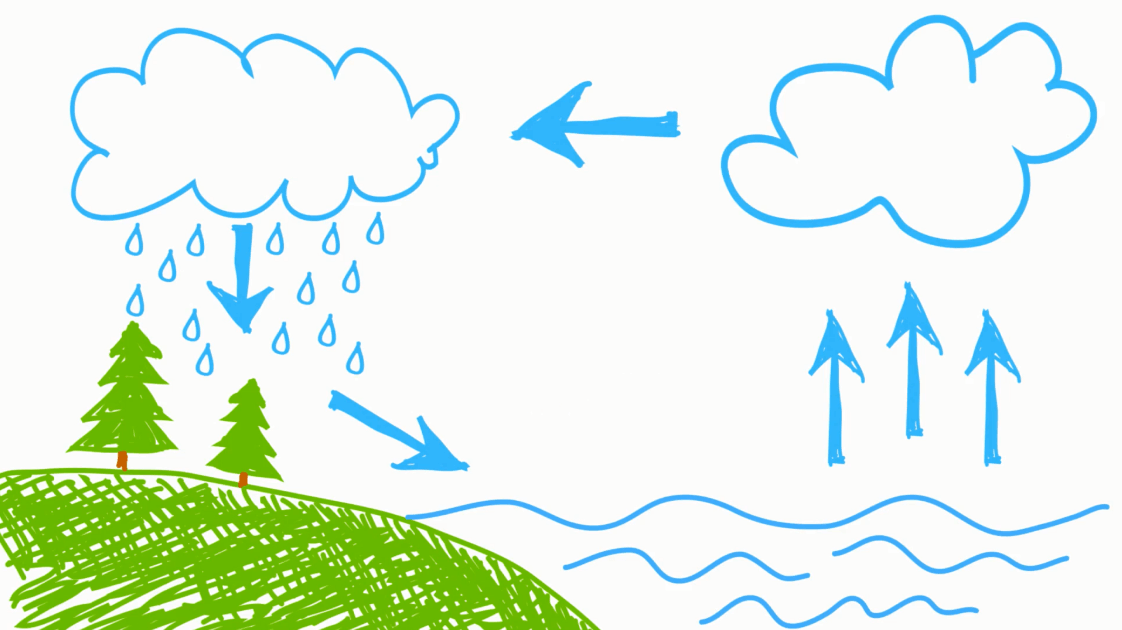
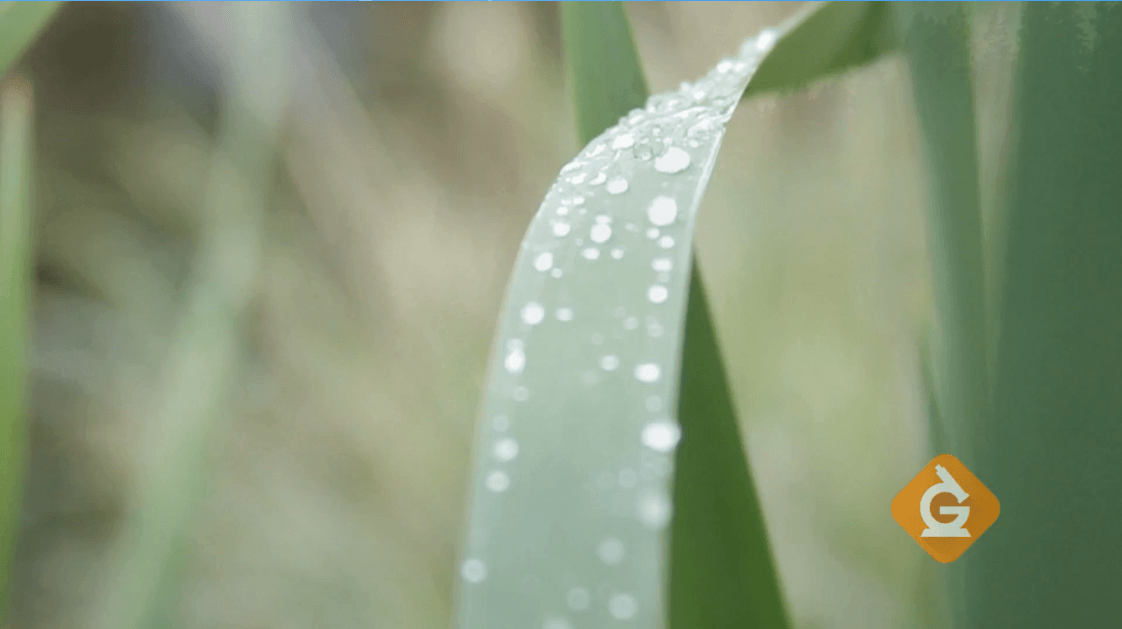
Check all the boxes that are true.
Over 70% of Earth is covered in water
All living things need water to survive
Most of the water on Earth is freshwater/drinkable
We are drinking the same water that the dinosaurs drank millions of years ago

The image shows various stages in the water cycle. During which stage does water flow back towards the sea as runoff?
W
X
Y
Z

