
Font size
 Worksheets
UNIT 1 Psychology
Total questions: 59
Worksheet time: 1hrs 8mins
Identify which of the following is NOT something that the study of psychology refers to.
scientific study of the mind and behavior
scientific study of human development
observations based on biased opinions
all of the above
Introspection refers to a process by which someone examines __________ as objectively as possible.
another person's consciousness
their own conscious experience
their own unconscious wishes
the social construction of consciousness
Behaviorism focuses on making psychology an objective science by doing what?
studying how emotional responses influence behavior while deemphasizing the subconsious
studying implicit motivations for behavior through the use of implicit association tests
studying overt behavior and deemphasizing the importance of unobservable mental processes
studying the genetic basis for behavior and theorizing how instincts influence behavior.
Which perspective within psychology emphasizes the potential for good that is innate to all humans?
Behaviorism
Gestalt psychology
Humanism
Structuralism
Schemas are
video tapes and photographs of people, places, or things
'packets' of knowledge that correspond to frequently encountered people, objects or situations.
pathways in the brain that enable us to see, hear, and remember pieces of unusual information
one of the many ineffective tricks our brain uses to locate and remember past information
The best definition of Cognitive Psychology would be
The study of how people perceive, learn, remember, and think.
The study of how the brain functions
The analysis of how the brain, neurotransmitters, and other aspects of our biology influence our behaviors, thoughts, and actions
The analysis of sensation within the neural function of the brain.


Who is the founder of psychoanalysis?
William James
Sigmund Freud
John Watson
Carl Rogers

Who is the founder of structuralism?
Wilhelm Wundt
Carl Rogers
William James
John Watson

These are the goals of psychology except
To describe
To explain
To Learn
To Predict

The branch of psychology that looks at the physical and biological bases of behavior.
Behaviorism
Biological
Humanism
Cognitive

A major branch of psychology that relies on a study of the role of the unconscious in influencing our behavior as well as the importance of early childhood.
Psychoanalysis
Humanistic analysis
Cognitive analysis
Biological analysis

The branch of psychology that only deals with behavior that can be observed and measured.
Cognitive
Biological
Behavioral
Humanistic

Who is known as the "Father of Psychology?"
Sigmund Freud
Wilhelm Wundt
William James
John Locke

Carrie is struggling to balance her school, home, and social lives. What type of psychologist would she go to for help?
Clinical
Counseling
Cognitive
Human Factors

The modern psychodynamic perspective is based on the work of whom?
Freud
Watson
Wundt
Skinner
Social comparison plays a vital role in terms of one's self image and well being.
True
False
Hamood and his friends were doing their homework together. Hamood knew clearly the answer to the question was C but all his friends picked B, thus he changed his answer to B. What is this called?
Deindividuation
Ethnocentrism
Conformity
Bystander Effect
Does practicing groupthink always result in good decisions?
Yes
No
Which perspective is described? Each person has a different mental framework and processes information different.
Social-Cultural
Biological
Cognitive
Psychodynamic
If I am trying to teach my son by giving him a piece of candy, when he responds correctly, this is an example of what kind of psychology?
Biological
Cognitive
Psychodynamic
Behavioral
Which perceptive is described? Self-esteem needs are important to be a successful.
Psychodynamic
Humanistic
Biological
Social-cultural
Which perspective is described: everyone has an unconscious and conscious mind. It is the struggle between these that impacts behavior.
Pyschodynamic
Humanistic
Cognitive
Behavioral
Which perspective is illustrated: A person attending Andover High School versus Maize High School may have different behaviors in school, due to their different environments.
Psychodynamic
Social-cultural
Biological
Behavioral


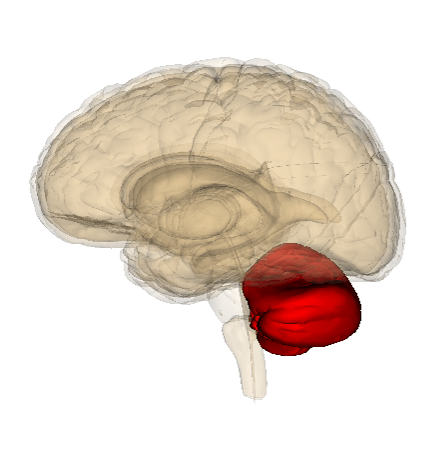
Tim is having difficulty processing anything hot when he touches something, which lobe is not functioning properly?
Occipital Lobe
Temporal Lobe
Parietal Lobe
Frontal Lobe
This part of the brain makes us unique and is our control information processing center?
Cerebellum
Corpus Collosum
Cerebrum
Hypothalamus
epilepsy
weak heart
recurrent seizures
lack of oxygen
Alzheimer's
sleep problem
a food disorder
destroys memory
stroke
Damage to the brain from interruption of blood supply.
Damage to the heart from interruption of blood supply.
Damage to the liver from interruption of blood supply.
Delusional thinking emotions and actions
Bulimia
Depression
Schizophrenia
Uncontrolled movement and vocal tics
Seizure
Tourettes
Narcolepsy
Manic and depressed episodes
Sleep Apnea
Bipolar disorder
Narcolepsy
Affects social and communication skills
Autism
Dyslexia
Epilepsy
TBI
back injury that damages the spine
head injury that damages the brain
head injury that damages the heart
Dyslexia
difficulty concentrating
difficulty reading
difficulty eating
Narcolepsy
brain pain
extreme hunger
sleep attacks
What is it called when the brain is purposefully destroyed or a part is removed?
Accident
EEG
Lesioning
MRI
Brain surgeon Walter Penfield used what measure of brain imaging during surgery?
CT
MRI
Lesioning
EEG
Which of these involves small amounts of radioactive solutions?
PET
CT
MRI
EEG
Which of these is a degenerative brain disease?
Parkinson's
Prosopagnosia
Synesthesia
Epilepsy
A cognitive psychologist wants to see how certain parts of the brain functions, which of these helps them?
EEG
PET
CT
MRI
Which of this is used to pinpoint injuries and other problems in brain deterioration?
EEG
PET
CT
MRI
What is the brain disorder that causes face blindness?
Synesthesia
Alzheimer's
Parkinson's
Prosopagnosia
Which of these can be used to find and locate brain tumors or damage?
CT
MRI
PET
EEG
Which lobe of the brain did Phineas Gage damage?
Temporal
Occipital
Frontal
Parietal
Psychologists who study the brain are:
Psychotherapists
Psychiatrists
Behavioral Therapists
Neuroscientists

