
 Worksheets
Energy Review
Total questions: 65
Worksheet time: 42mins

What kind of energy makes the microwave work?
heat
wind
electricity

You shined a flashlight on object and light bounced back. What kind of object would bounce back the light?
mirror
paper
jar

The sun produces what kind of energy?
Heat
Light
Electricity
Solar

These produce what kind of energy?
heat
solar
light

What energy helps this object move?
solar
gas
wind

A grill produces what type of energy form?
heat
light

Do people make energy when they exercise, like running?
yes
no

Can we live without the sun?
yes
no


What is energy?
moving energy
stored energy
renewable energy
The ability to do work.
What is potential energy?
moving energy
stored energy
renewable energy
non renewable energy
What is kinetic energy?
moving energy
potential energy
stored energy
renewable energy

Which of the following statements is true about the circuit?


Which one is a conductor?
wood
iron
plastic spoon
paper

Which of the following are conductors?
paper clip, cardboard, screw
screen, washer, yarn
shiny nail, copper, brass ring
foam, rubberband, dull nail

Which of the following are insulators?
washer, yarn, rubberband
cardboard, rubberband, plastic chip
paper fastener, paper cilp, foam
cardboard, rubberband, screw
Heat energy makes particles move
slower
faster
same

Which of the following describes this energy transfer correctly?
the cup of coffee got cold air
the cup of coffee will stay hot
the heat will be transferred from the coffee to the cup and air
Heat energy transfer from low temperature objects to high temperature objects
True
False
Particles move fastest in
Solid
Liquid
Gas

This is heat …….
Conduction
Convection
Radiation

This is heat …….
Conduction
Convection
Radiation

The flying air ballon is an example for heat
Conduction
Convection
Radiation

The heat from the sun is type of heat…….
Conduction
Convection
Radiation
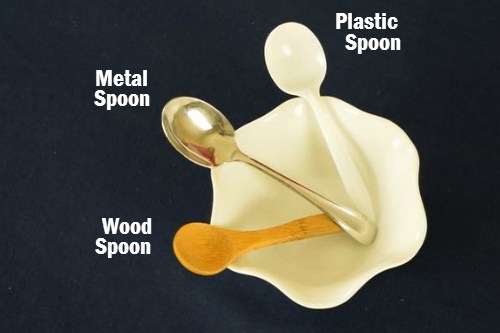
Which material will heat travel through the fastest?
Plastic
Wood
Metal

How do molecules react when heat energy is added to them?
They feel warmer but stay in place
They feel warmer and move slower.
They feel warmer and move faster
Molecules do not react with heat energy only solar energy
What is Conduction?
When heat is passed from particle to particle through an object.
When particles get heated, expand, and become less dense.
When heat transfers by waves through empty space.
What is Convection?
When heat is passed from particle to particle through an object.
When particles get heated, expand, and become less dense.
When heat transfers by waves through empty space.
What is Radiation?
When heat is passed from particle to particle through an object.
When particles get heated, expand, and become less dense.
When heat transfers by waves through empty space.
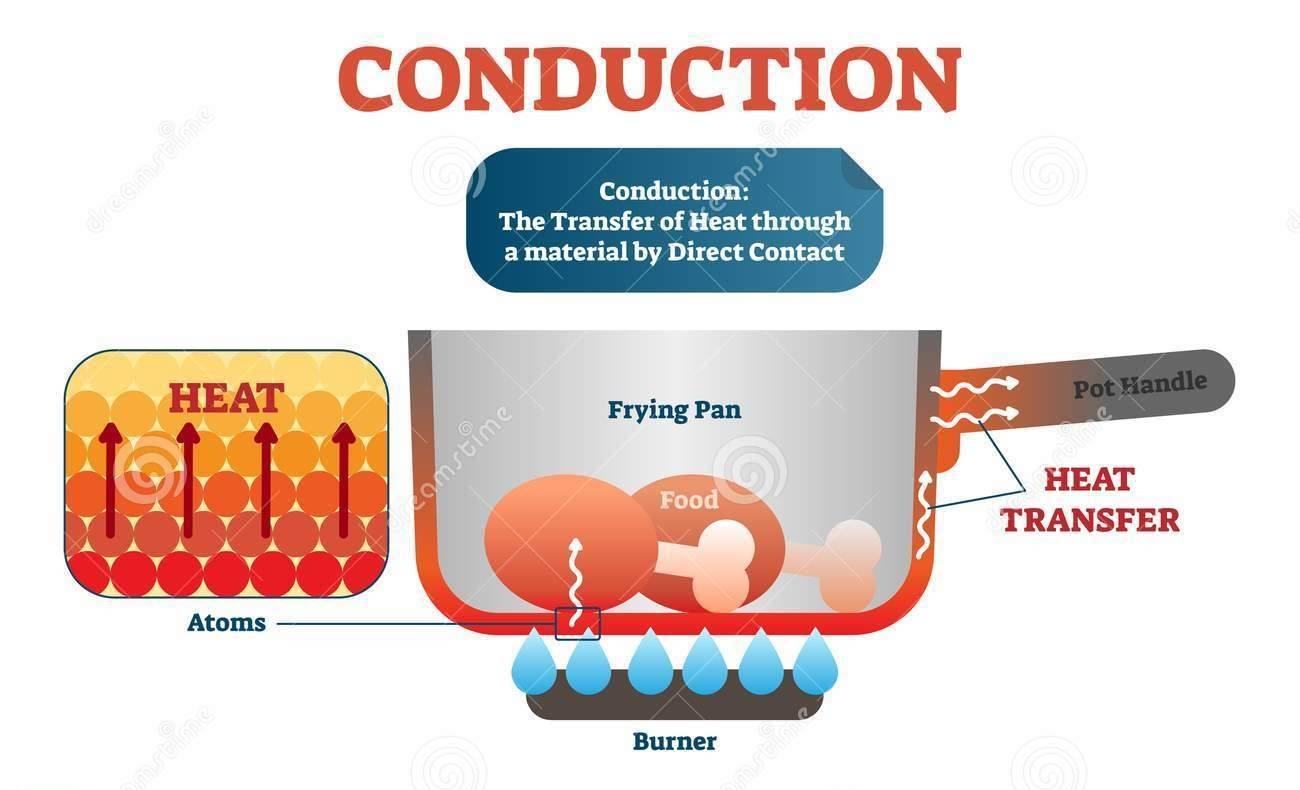
Which of the following is an example of heat transfer by Conduction?
Burning your fingers on a hot iron.
Heat from a heater warming up your whole house
Standing by a campfire and feeling the heat.
All of the above.
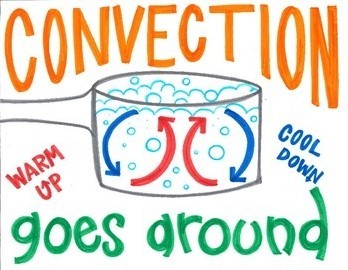
Which of the following is an example of heat transfer by Convection?
Burning your fingers on a hot iron.
Heat from a heater warming up your whole house
Standing by a campfire and feeling the heat.
All of the above.
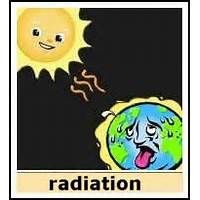
Which of the following is an example of heat transfer by Radiation?
Burning your fingers on a hot iron.
Heat from a heater warming up your whole house
Standing by a campfire and feeling the heat.
All of the above.
How does heat move?
From cooler objects to warmer objects.
From warmer objects to cooler objects
From metal objects to nonmetal objects
Very quickly in all directions
Light travels ____________
in a straight line
in a zig zag line
Everywhere
Front and Back
What happens when light hits a mirror?
The light bends
The light reflects back
The light goes straight
Why are shadows created?
Shadows are light monsters.
An object is blocking the light.
Shadows is dark light.
What travels the fastest out of all of these?
Cheetah
Wind
Light
Cars
How does a light pass through a window?
It bounces back.
It goes straight through to the other side.
It stops at the window.
Which three words describe how light can or cannot pass through matter?
prism
opaque
reflection
transparent
translucent
transparent means
light cannot pass through it
all light can pass through it
some light can pass through it
translucent means
no light can pass through
some light can pass through
all light can pass through
In science terms, light means...
something that cannot be heard in space
a diet pop
an idea
a form of energy that can move through space
opaque means
no light gets through
some light gets through
all light gets through

What principle of light is demonstrated here when light moves from air to water?
reflection
refraction
Light travels...
around corners
in a straight line
in waves
in circles
Light bounces off when it is
reflected
absorbed
refracted
transmitted
Which of the following is a synonym for the phrase "soak up"?
absorb
reflect
refract

What do smooth, shiny surfaces do?
reflect light
refract light
absorb light

When we see a rainbow, we see
light being reflected
light being refracted
light being absorbed


The action of light when it passes through a medium
reflect
transmit
absorb
refract

The action of light when it "soaks into" or is stopped by an object without passing through
transmit
reflect
refract
absorb

The action of light where light energy "bounces" off a shiny surface
refract
absorb
reflect
transmit

A medium/matter that allows NO light to pass through which creates a shadow behind that object
Translucent
Opaque
Transparent
Reflect

A medium/matter that allows SOME light to pass through, but not all of it
Transparent
Translucent
Opaque
Transmit

A medium/matter that allows ALL light pass through
Transluscent
Opaque
Transparent
Medium

Which form of radiation is used to check if a person is a broken bone or not?
infrared radiation
visible light
ultraviolet rays
X-ray radiation

