
 Worksheets
Layers of the Earth and Rock Cycle Review
Total questions: 45
Worksheet time: 27mins

What is the thickest layer of the Earth?
Crust
Mantle
Outer Core
Inner Core

Which layer of the Earth is liquid Iron and Nickle?
Crust
Mantle
Outer Core
Inner Core

The rigid rocky layer of the crust and upper mantle is called the:
Asthenosphere
Lithosphere
Core

What layer of the Earth is represented by the letter A?
Crust
Mantle
Outer Core
Inner Core

What layer of the Earth is represented by the letter B?
Crust
Mantle
Outer Core
Inner Core

What layer of the Earth is represented by the letter C?
Crust
Mantle
Outer Core
Inner Core

What layer of the Earth is represented by the letter D?
Crust
Mantle
Outer Core
Inner Core

Which layer of Earth is the thickest layer?
the inner core
the crust
the mantle
the outer core
The outer core is mainly composed of
solid iron and nickel
liquid iron and nickel
semi-solid magma
granite and basalt
Which layer of earth is all liquid?
Outer Core
Mantle
Inner core
Crust
The crust and the top of the mantle is called?
Asthenosphere
Inner Core
Lithosphere
Outer core
The layer of the Earth where convection currents occur is called the
Mantle
Lithosphere
Upper core
Inner core
What layer is the thinnest outer layer of the Earth and is made of mostly of silicon and oxygen?
Outer Core
Crust
Mantle
Core
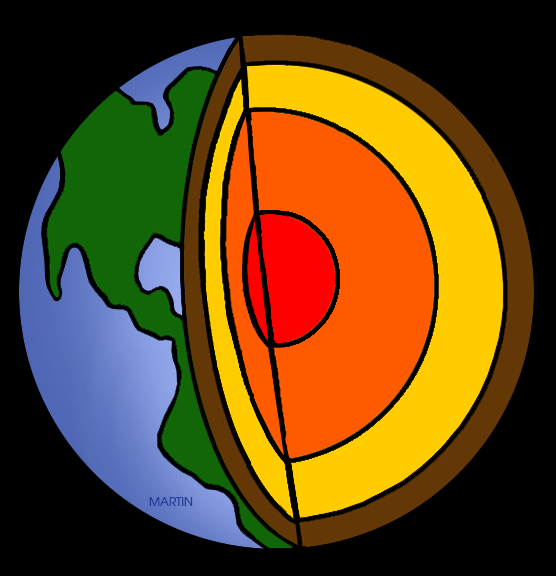
Which layer is shown in red?
crust
mantle
outer core
inner core
Which layer is shown in orange?
crust
mantle
outer core
inner core
Which layer is shown in yellow?
crust
mantle
outer core
inner core
Which layer is shown in brown?
crust
mantle
outer core
inner core
The Lithosphere is made up of the ___________.
Crust and Upper Mantle
Inner and Outer Cores
Outer Core and Lower Mantle
Lower and Middle Mantle
The crust and the top of the mantle is called?
Asthenosphere
Inner Core
Lithosphere
Outer core
What two elements are found the most in the lithosphere? (select two)
nitrogen
Oxygen
silicon
hydrogen
What are the 3 types of rocks? (select 3 answers)
metamorphic
sedementary
balsamic
igneous
The breaking down of rocks, soil, and minerals is called -
weathering
erosion
deposition
The action that moves soil, rocks and dissolved minerals from one location to another is called -
weathering
erosion
deposition
The action in which sediments, soil, and rocks are added to landforms is called -
weathering
erosion
deposition
Compacting and Cementing
Cooling
Heat and Pressure
Melting

Sedimentary Rock
Metamorphic Rock
Igneous Rock
Metamorphic rocks are changed as a result of ______ and ______. (select 2 answers)
heat
pressure
cementation
compactions
Igneous
Metamorphic
Sedimentary
Extrusive
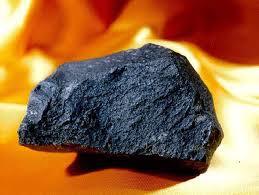
This rock was found near the mouth of a volcano and was formed by cooling lava. What type of rock is this?
Sedimentary
Igneous
Metamorphic
In order for sedimentary rock to form, which of the following must occur?
compaction
intrusion
oxidation
metamorphism
Igneous Rock
Metamorphic Rock
Sedimentary Rock
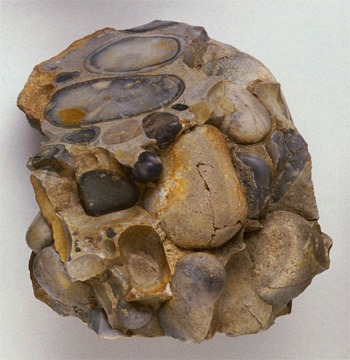
Sedimentary
Igneous
Metamorphic
A rock that contains pieces of shells and fossils compacted and cemented together over time is...
Sedimentary
Igneous
Metamorphic
Sediments
The rock that forms by heat and pressure deep under ground?
Igneous
Sedimentary
Metamorphic
Lava
How can a Metamorphic rock become an Igneous rock?
Weathering and Erosion
Compaction and Cementation
Heat and Pressurew
Melting and cooling
Igneous
Sedimentary
Organic
Metamorphic
Igneous
Metamorphic
Sedimentary
Extrusive

Sedimentary
Igneous
Metamorphic

Sedimentary
Igneous
Metamorphic

Sedimentary
Igneous
Metamorphic

This rock was another type of rock that was heated and compressed over time. What type of rock is this?
Sedimentary
Igneous
Metamorphic
What causes igneous rocks to form?
Erosion and Weathering
Cooling of magma or lava
Heat and Pressure
What layer of the Earth is liquid metal?
Crust
Mantle
Outer Core
Inner Core
Heat and pressure turn ___________ rocks into diamonds.
sedimentary
igneous
metamorphic

