
 Worksheets
Science Olympiad Physics and General Science Questions
Total questions: 185
Worksheet time: 4hrs 2mins
Bouncing of a light ray when it strikes a reflecting surface is called.........
Refraction
Dispersion
Reflection
Diffraction
which of the following is not a property of the image formed by a [lane mirror?
virtual and erect
Object size = image size
object distance = image distance
Real and inverted
Which of the following is a concave mirror?


which of the following ray diagrams is correct for the ray of light incident on a concave mirror as shown in the figure 10.6?
A
B
C
D
Convex mirror is also called as
converging mirror
diverging mirror
plane mirror
silver mirror
The relation between focal length and radius of curvature is
R = 2f
1/f = 2R
f = R/2
R = 2/f
The point on the spherical mirror at the middle of the surface is called
focus
centre of curvature
pole
radius of curvature
The focal length of a plane mirror is ........
infinite
zero
1m
100m
A convex mirror has a focal length 12 cm. Then its radius of curvature is ........ cm
24
12
6
1.2
When the object is in between the centre of curvature (C) and focus (F) of a concave mirror, then the position of the image is ...........
At focus
At the centre of curvature
at infinity
beyond the centre of curvature
Which of the following characteristic of an image formed for a convex mirror?
Enlarged size
virtual image
Real image
inverted image

Which mirror is shown in the figure?
convex mirror
concave mirror
plane mirror
silver mirror
When the object is at infinity, a point sized image is formed at ................ by the convex mirror
focus behind the mirror
focus in front of the mirror
radius of curvature
principal axis
The angle of incidence of a ray of light passing through the centre of curvature of a concave mirror is ........... degree
105
180
90
0
According to laws of reflection,
angle of incidence > angle of reflection
angle of incidence < angle of reflection
angle of incidence = angle of reflection
both 1 and 2
Where will be the images of the Sun or the moon are formed by a concave mirror?
Focus
Pole
centre of curvature
beyond centre of curvature
What is the size of the image formed when an object is kept at the focus in front of concave mirror?
enlarged
diminished
highly enlarged
highly diminished
An object is placed 20 cm in front of a plane mirror. The mirror is moved 2 cm towards the object. The distance between the positions of the original and final images seen in the mirror is:
2 cm
4 cm
10 cm
20 cm
Which of the following mirror is used by a dentist to examine a small cavity?
Convex mirror
Plane mirror
Concave mirror
Combination of convex and concave mirror
The image formed by concave mirror is real, inverted and of the same size as that of the object. The position of object should be : ----------
at the focus
at the centre of curvature
between focus and centre of curvature
beyond centre of curvature
A virtual image formed by a mirror of an object which is less than the size of an object . Name the mirror_______
Concave Mirror
Convex Mirror
Plane Mirror
Both Concave and Convex

What is sound ✨?
Vibration of molecules produced by vibrating objects
Vibration of molecules produced by items that don't Vibrate .

In solid particles sound travel faster than liquid
True✨
False🔰

Transverse Waves move horizontally !
True 💫
False 🔰
longitudinal move horizontally ✨
True 🟩
False 🟥
What is Compression? ✨
means the part of the sound wave where air particles are close together
means when the part of the wave where the air particles are most spread out
Sound is about Vibration of molecules produced by an object that is stable and not moving objects and detected by your ear Example of stuff that vibrate and produce sound .
True 🟩
False 🟥
Sound travels fastest in
Solid
Liquid
Gas
All of the above
Sound is a
Wave
Mechanical Wave
Longitudinal Wave
Transverse Wave
Which part of human ear converts sound vibrations into electrical signals
Hammer
Stirrup
Tympanic membrane
Cochlea
What can force do to an object?
Accelerate an object
Slow down an object
Have the object remain in place
Have the object change shape
All of the above
What is the measure of force?
Newtons
Light years
Inches
Gallons
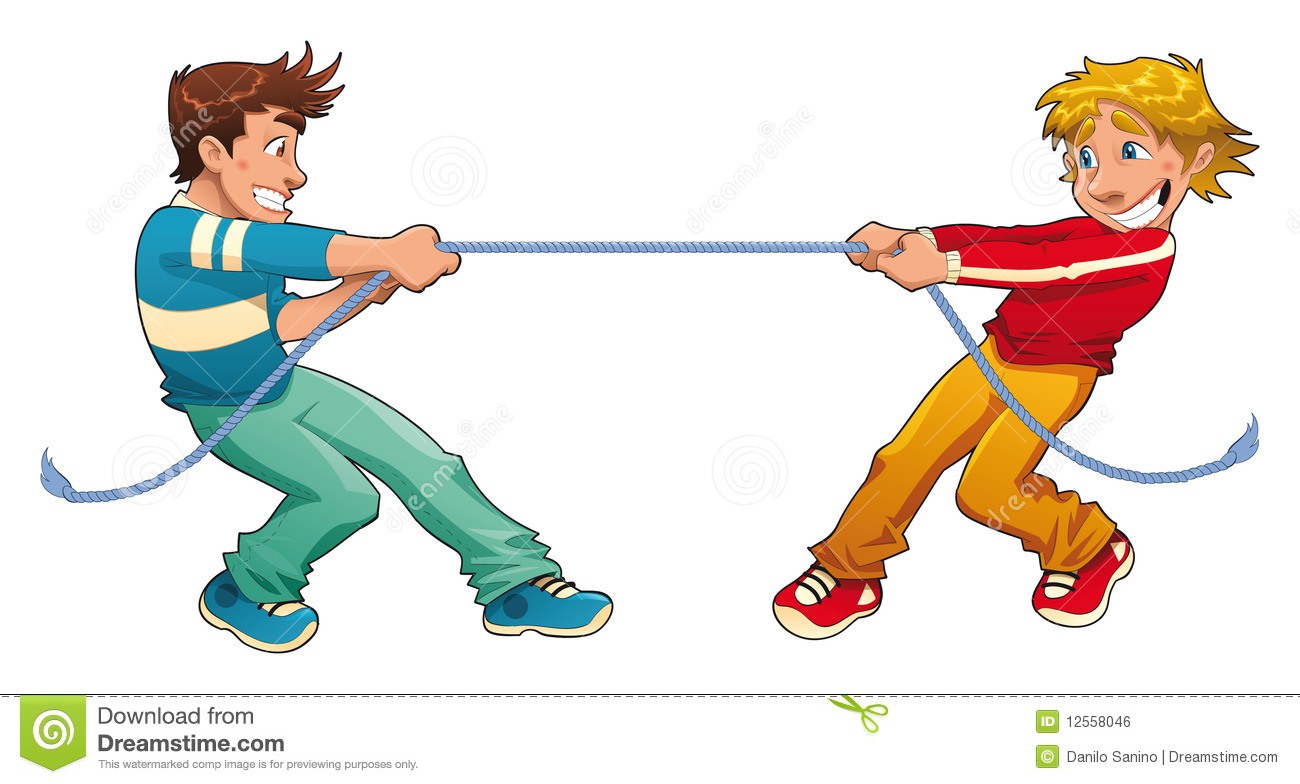

___________ is an opposing force that makes objects in motion slow down.
force
speed
friction
mass
The force you get when an object moves
through air
Gravity
Nuclear
Air resistance
Electrostatic
The sum of all forces acting on an object and direction is called the
Balanced Force
Net Force
Unbalanced Force
Contact Force

Are the forces balanced or unbalanced?
Balanced
Unbalanced

Name the missing force.
Normal Force
Push/Pull Force
Friction Force
Tension Force
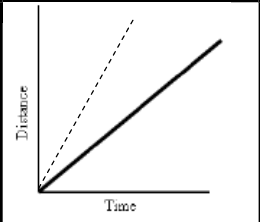
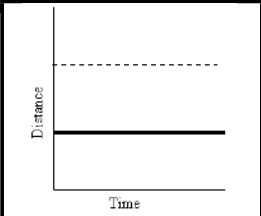


What is the resultant force?
17 N, Left
6N, Right
11N, Left
23N

Which one of Newton's laws is shown
3rd law
2nd law
1st law

What does this picture represent
Force,magnetism,acceleration
Force, money, Apples
Force, Mass, Acceleration
Funny, monkeys, Arrive

Which one of Newton's laws are displayed
2nd law
1st law
3rd law

Which of Newton's laws is shown
1st law
3rd law
2nd law

If there is a big mass, it would need a stronger force to accelerate it. Which law does this describe?
3rd law
1st law
2nd law
Distance divided by time is how this is calculated.
Average Speed
Instant Speed
Acceleration
Velocity
Suppose you walked 80 meters in 40 seconds. What is your average speed?
80 n/s
2 m/s
1 m/s
0.5 m/s
Suppose you are running at 8 mph for a race but then encounter a nice downhill. Which of the following is a likely instant speed during any part of the downhill portion of the race?
0 mph
8 mph
9.5 mph
7 mph
A high speed power tool known as a floor burnisher is used to give floors a nice luster (soft glow). This tool contains an abrasive pad that rotates at 2000 rpm clockwise, which is an example of a ___________.
distance
acceleration
speed
velocity
How fast an object is traveling in a certain direction is the definition of __________.
speed
velocity
acceleration
position
If you are jogging and your speed doesn't change, then you are traveling at a ____________ speed.
constant
instant
slow
fast
On a distance-time graph, slope is used to calculate
average speed.
instant speed.
instant velocity.
acceleration.

Which section shows an object decreasing in speed?
A
B
C
D

What is the average speed for the first section of the graph?
0 km/h
30 km/h
15 km/h
-15 km/h

During which time interval is the object not moving?
9:00 to 11:00
11:00 to 12:00
12:00 to 12:30
12:30 to 14:00

Which of the following time intervals shows an object moving at a constant speed toward the reference point?
9:00 to 11:00
11:00 to 12:00
12:00 to 12:30
12:30 to 14:00
What electrical quantities are related in ohms law?
Current, Resistance & Power
Current , Voltage and resistivity
Current, Resistance & Resistance
Voltage, resistance and current density
What is the formula for quantity of electricity (Q)?
Current * Time
Voltage * Current
Current * Resistance
Voltage * Resistance
Which is the semiconductor material?
Eureka
Ebonite
Manganin
Germanium
Calculate the electrical energy in unit consumed by 500W lamp for 5h?
0.5 Unit
1.0 Unit
2.0 Unit
2.5 Unit
Calculate the total power of the circuit of two lamps are rated as 200W/240V are connected in series across 240 Unit supply?
50W
100W
280W
400W
What is the change of resistance value of the conductor as its diameter is doubled?
Increase to two times
Decrease to four times
Decrease to half of the value
No change in value of resistance
Which conductor is good conductor?
Iron
Aluminium
Copper
P.V.C
Select all that apply as Conductors
Metal
Gold
Rubber
Feathers
Select all that are insulators
Insulation
Feathers
Rubber
Fur

The water cycle is driven by
water
wind
the sun
Earth's rotation


All living things on earth are part of the....
Biosphere
Geosphere
Hydrosphere
Cryosphere
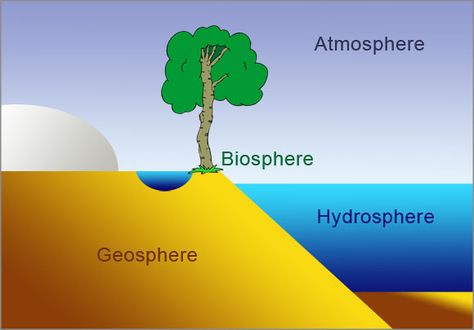
Earth is divided into four different spheres. Which statement is true about the interaction between two of these spheres?
Weather is an interaction between the hydrosphere and the geosphere.
A plant receiving water from precipitation is an interaction between the biosphere and the hydrosphere.
An ice cap providing shelter for an arctic animal is an interaction between the biosphere and the hydrosphere.
The formation of the Grand Canyon is an example of an interaction between the geosphere and the atmosphere.
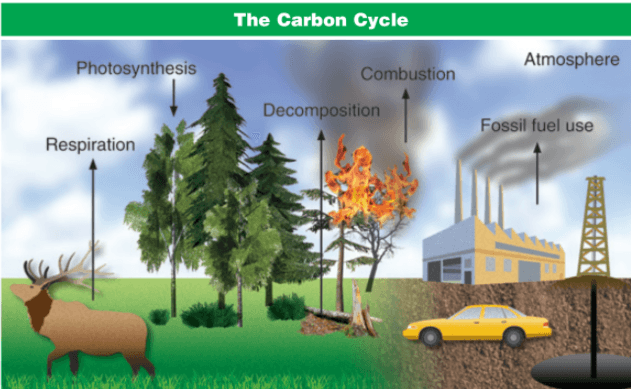
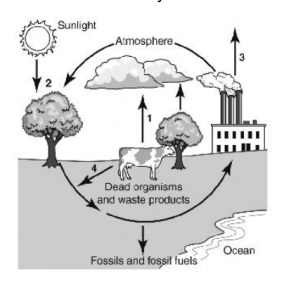
How do plants and animals interact in the carbon dioxide/oxygen cycle?
Plants release oxygen into the atmosphere which animals inhale. Animals exhale carbon dioxide into the atmosphere which is taken in by plants.
Animals release oxygen into the atmosphere which plants inhale. Plants release carbon dioxide into the atmosphere which is breath in by animals.
Plants and animals don't need each other.
Plants and animals take in oxygen and release carbon dioxide.
Does evaporation happen before or after condensation?
before
after
during
Water is...
wet
dry
The process in which nitrogen circulates and is recycled is called
The nitrogen cycle
The carbon cycle
The water cycle
The phosphorus cycle
Gas that makes up 78% of our atmosphere.
Oxygen
Nitrogen
Hydrogen
Carbon Dioxide
Which of the following could lead to the gradual extinction of a species? (Choose 2)
Meteor Strike
Rising Sea Levels
Massive Volcanic Eruption
Glaciation
An example of a catastrophic event that could lead to mass extinction.
Large Meteor Strike
Rising Sea Levels
Global Warming
Falling Sea Levels
Scientist believe that the extinction of the dinosaurs was caused in part by a large meteor strike. What is the most likely sequence of events following the meteor strike?
Global Warming, Rising Sea Levels, Dinosaurs Drown
Sun cannot penetrate the atmosphere, photosynthesis stops, dinosaurs starve
Hurricanes, flooding, dinosaurs go extinct
Earthquakes, ice age, dinosaurs freeze.
Global cooling and glaciation would lead to _______________.
Rising sea levels
Falling sea levels
Hurricanes
Earthquakes
Which two events could lead to mass extinction?
An ice age
Hurricane
Massive volcanic eruption
Tsunami
True or False: Evidence from the fossil record shows that species change gradually over time.
True
False
How do most fossils form?
An insect becomes trapped in amber.
An entire organism becomes frozen in ice.
A dead organism becomes buried in sediment.
A dead organism becomes buried in tar.
What evidence is most important when using relative dating?
the half-life of a radioactive element
the position of sediment in petrified rock
the types of minerals in a petrified fossil
the position of fossils in sedimentary rock layers
How do scientists determine the actual age of fossils?
relative dating
sedimentary dating
radioactive dating
mold and cast dating
What theory proposes that evolution occurs steadily in tiny changes over long periods of time?
gradualism
relative dating
natural selection
punctuated equilibria
Index fossils must meet two criteria, they must have existed for a short period of time and ...
be few in numbers
lived for a long time
be widely distributed
be really old in age
How does the fossil record help to support the theory of evolution?
the fossil record shows that organisms slowly change over time
The fossil record shows that species evolve very quickly
The fossil record does not support the theory of evolution
What can scientists learn from studying the relationships between fossils?
how old all rock layers are
how life changed over time
how many relatives fossils had

Which rock layer most likely contains fossils of the oldest organisms?
1
2
3
4
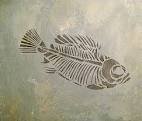
If scientists found this fossil, what could they infer?
what fish are like today
that this fish lacked oxygen
that water once covered the area where this fossil was found
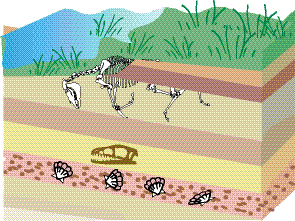
According to the law of superposition, the oldest fossils are found
At the top of the rock layers
Near the bottom of the rock layers
Somewhat near the surface
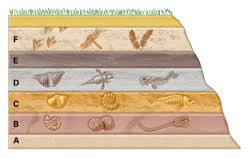
Which rock layer contains the newest fossils?
B
C
D
E
F
Why are coal, oil, and natural gas classified as nonrenewable resources?
They are limitless
They exist in many places on Earth.
They are originally from once-living things.
They take millions of years to form.
One benefit of geothermal energy is that ________________________________.
a plant can be built ANYWHERE
it doesn't cost a lot of money to build
it can provide power 24 hours a day
it harms ecosystems where it's built

Which of these is a true statement about nuclear power?
It's waste can destroy habitats and ecosystems.
It doesn't cost a lot of money to build.
It does not produce radioactive waste.
It produces very little amounts of energy.
Which statement is true about coal and natural gas?
Both are renewable resources
Both require wind in order to work
Both lead to greenhouse gases and climate change
Neither one causes global warming

What is a disadvantage to Hydroelectricity?
lots and lots of pollution
Kills wild bird population
Radioactive waste
Increases potential for flooding
What are two advantages of geothermal energy?
cheap and a lot pollution
expensive and a lot of pollution
cheap and little pollution
expensive and little pollution
If a river is located in a deep canyon, and has changing amounts of water , how can this be developed as an energy source?
A dam could be built to store water
A well could be dug to hold the water
Wind turbines could be built on the banks.

Why is solar energy considered renewable energy?
It's cheaper than fossil fuels
The sun's energy would not run out for billions of years
Solar energy recharges batteries
All of them

Which renewable resource uses the natural resource in the picture below to produce energy?
wind
tidal
biomass
geothermal

Which of the following is an advantage of using coal as an energy resource?
There is not an abundant supply of coal.
Coal is less expensive than oil.
Burning coal contributes to global warming.
Coal can be used to produce electricity.

What are the advantages of Geothermal energy?
Is a nonrenewable resource
Can only be used in specific places in the world
It comes from the Earth
Takes months to build the machines to extract energy
Which of the following is a disadvantage of fossil fuels?
Not easily available
causes pollution when burned
only available at certain times
creates long lasting waste

Which of these is NOT a disadvantage of a nuclear power plant?
It's waste can destroy habitats and ecosystems.
It costs a lot of money to build.
It produces radioactive waste.
It produces large amounts of energy.
Another advantage of using hydropower is that
it's able to produce a steady flow of energy 24 hours a day
it's very cheap to build a dam
no ecosystems are destroyed by damming up a river
dams cause flooding
Why do most of the power plants in the US burn coal as an energy source?
They haven't developed the technology to use anything else.
Mining for coal does not harm any habitats or ecosystems.
Coal is a non-polluting source of energy.
Coal is a renewable energy source.
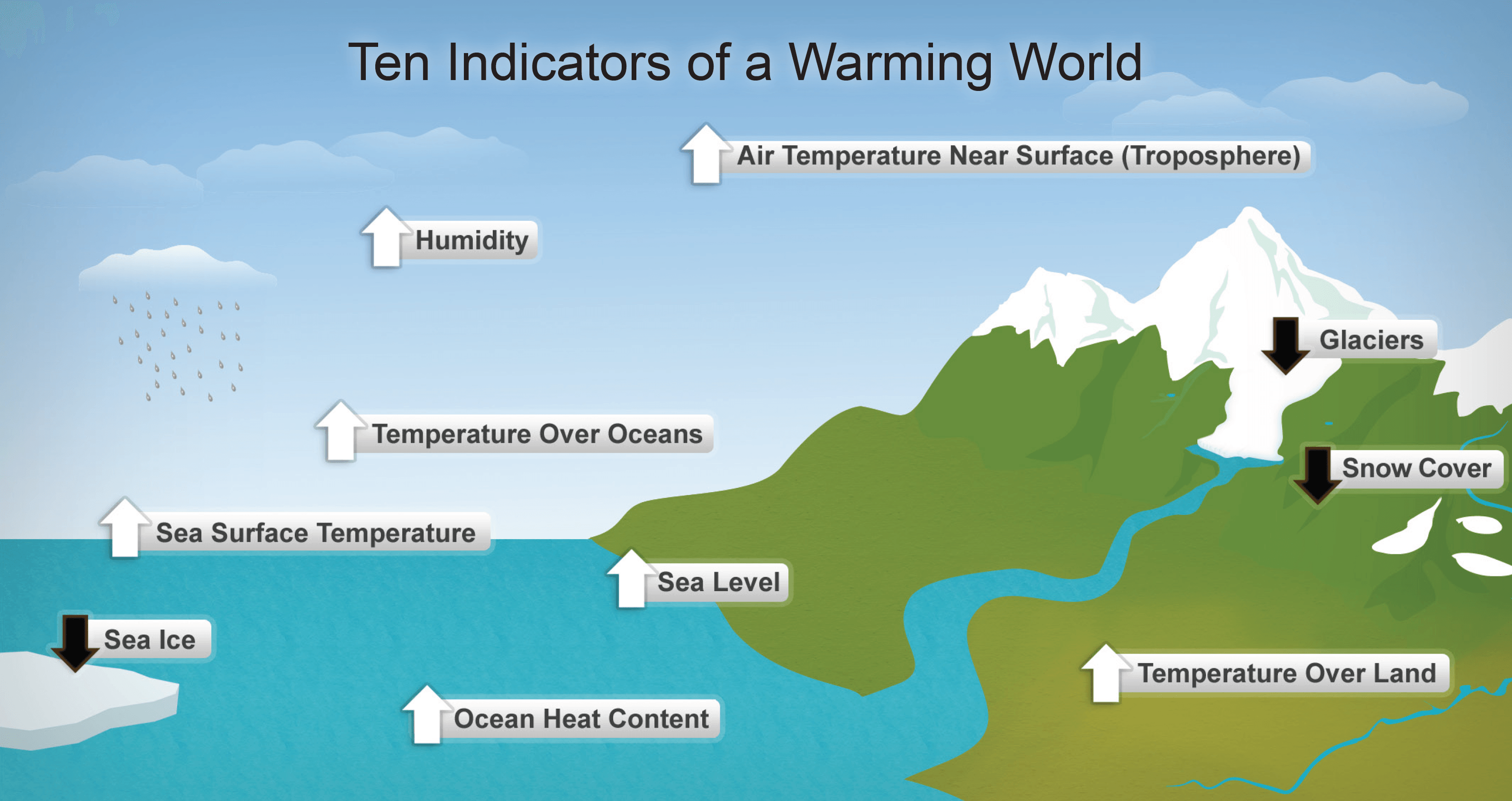
Why is the increase of Greenhouse gases a big issue?
It causes climate change and increase in the global temerature
It can lead to a major increase in Greenhouses
It leads to more factories
It causes a major decrease in people
Why does cutting down trees increase global warming?
trees absorb carbon dioxide
trees provide shade which counteracts global warming
trees absorbs the sun's energy without radiating back into the atmosphere
trees drain greenhouse gases like methane from soil

How is the greenhouse effect produced?
When solar energy trespasses the atmosphere.
When some energy is reflected back to earth.
When the green house is burned.
When the sun doesn't emit radiation.
How are greenhouse gasses harming our environment?
They aren't
Less heat is able to escape causing the Earth to cool down
Less heat is able to escape causing the Earth to warm up
More heat is able to escape
Which of the following could increase the amount of greenhouse gasses in our atmosphere?
Burning fossil fuels
Planting trees
Walking to school and work
Cutting down trees

All of the following are greenhouse gases except
water vapor
oxygen
carbon dioxide
nitrous oxide
The 3Rs of reducing global warming mean __________.
Reduce, Reuse, Recycle
Receipt, Reverse, Renewal
Retreat, Repeat, Reverse
None of the above.
The circle that devides the globe into day and night is called
Circle of darkness
Circle of day and night
Circle of illumination
None of the above
The perioed of one rotation of earth is known as
Sun day
Earth day
Moon day
None of the above
Which one of the following is the source of light on earth
Sun
Moon
Space
Satellite
Motion of the earth on its axis in about 24 hours is called
Revolution
Rotation
Both a and b
None of the above
Motion of the earth around the sun is called
Revolution
Rotation
Both a and b
None of the above
A year with 366 days is called
Normal year
Leap year
Both a and b
None of the above
What will happen if earth did not rotate
Cold conditions on earth's half surface
Warm conditions on earth's half surface
No life possible in such extreme climatic conditions
All of the above
When do longest day and shortest night occure in northern hemisphere
21 june
23 September
22 December
21 march
Days and night occure on earth due to
Revolution
Rotation
Both a and b
None of the above
When do equinoxes occure on earth
21 march
22 December
21 june
21 February


What are the small bodies in the early stages of development of the solar system called?


How did water get to earth?
It was naturally here when earth was forming
Icey Comets collided with earth
Meteorites (Carbonaceous Chondrite) collided with earth
The accretion disk from the solar systems origin had high levels of water
What was an source of heat on the early earth?
Radioactivity
Gravitation Pressure
Accretion (collisions with other materials)
All of the above
In the earliest stages of Earth's development, our planet was made of what?
Cotton Candy
Molten rock
Molten rock with a thin, hard crust
Water
What is the force that pulls all things in the universe together?
(a)
What is the process called that allowed dust to progress to planetesimals, then protoplanets, and finally planets
(a)

