NEW
Font size
 Worksheets
Nature of Matter
Total questions: 47
Worksheet time: 33mins

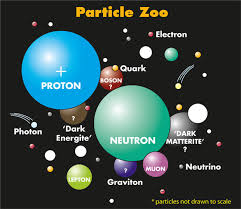

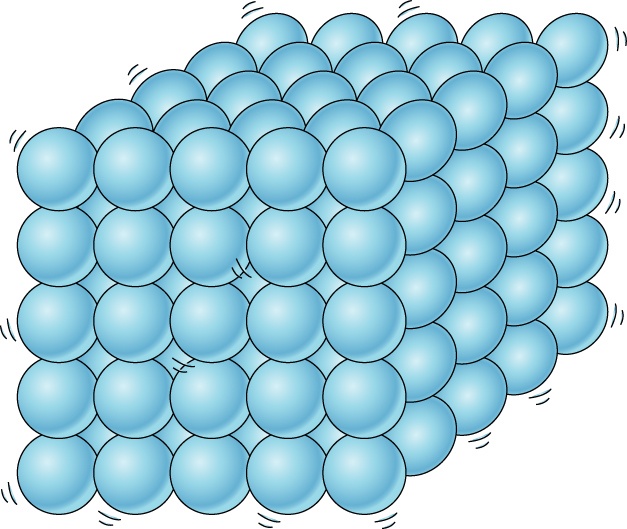
Which state of matter has particles that move the least/slowest?
solid
water
gas
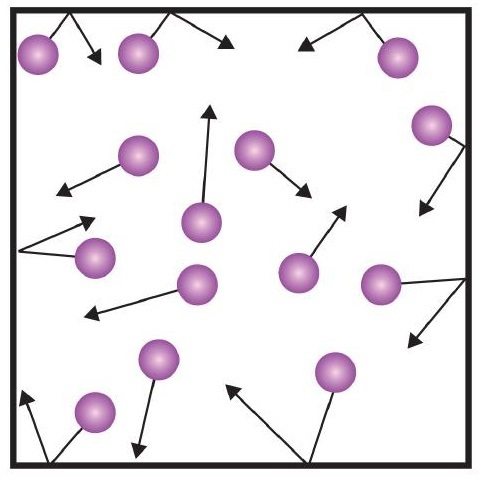
True or False: A substance will diffuse faster at low temperatures.
True
False
What physical change of matter explains why build materials must be flexible and moveable?
diffusion
thermal expansion
thermal compression
Both thermal expansion and compression
What does DENSITY measure?
The weight of an object.
The mass of an object.
The amount of mass per volume of an object.
The length of an object.

What physical change does this model represent?
Solubility
Thermal Expansion
Diffusion
Conductivity

Which object is LESS DENSE?
Object B
Object A
All matter is made up of
Matticles
Atoms
Only protons
Helium

When multiple atoms join together to make matter we call it a...
Carbon
Really big atom
Oxygen
Molecule

What are the three subatomic particles that make up all atoms?
Protons, neutrons and electrons
Pringles, Nandos and Eclipse Mints
Hydrogen, helium and lithium
Oxygen, nitrogen and helium
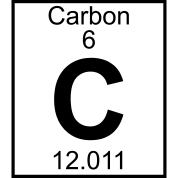
The element carbon has an atomic number of 6. This means that Carbon has...
3 protons and 3 electrons
4 protons and 8 neutrons
6 protons and 6 electrons
6 neutrons


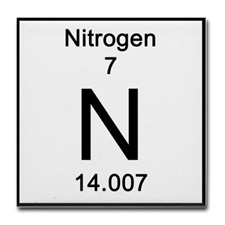
How many protons does an atom of nitrogen contain?
14
7
15
18


a collection of atoms of one type that cannot be broken down into simpler substances by ordinary chemical or physical means
element
subatomic particle
electron
matter
an arrangement of the elements according to their atomic numbers so that elements with similar properties are in the same column and properties repeat from row to row
Periodic Table of Elements
Atomic Theory
Isotopes
Subatomic Particles
one or two letters that represent the name of an element
element name
element symbol
atomic number
atomic mass
the mass of an atom, calculated by adding the number of protons and neutrons in the nucleus of the atom
element name
element symbol
atomic number
atomic mass

The vertical (up and down) columns in the Periodic Table are called
groups
towers
periods
atomic numbers
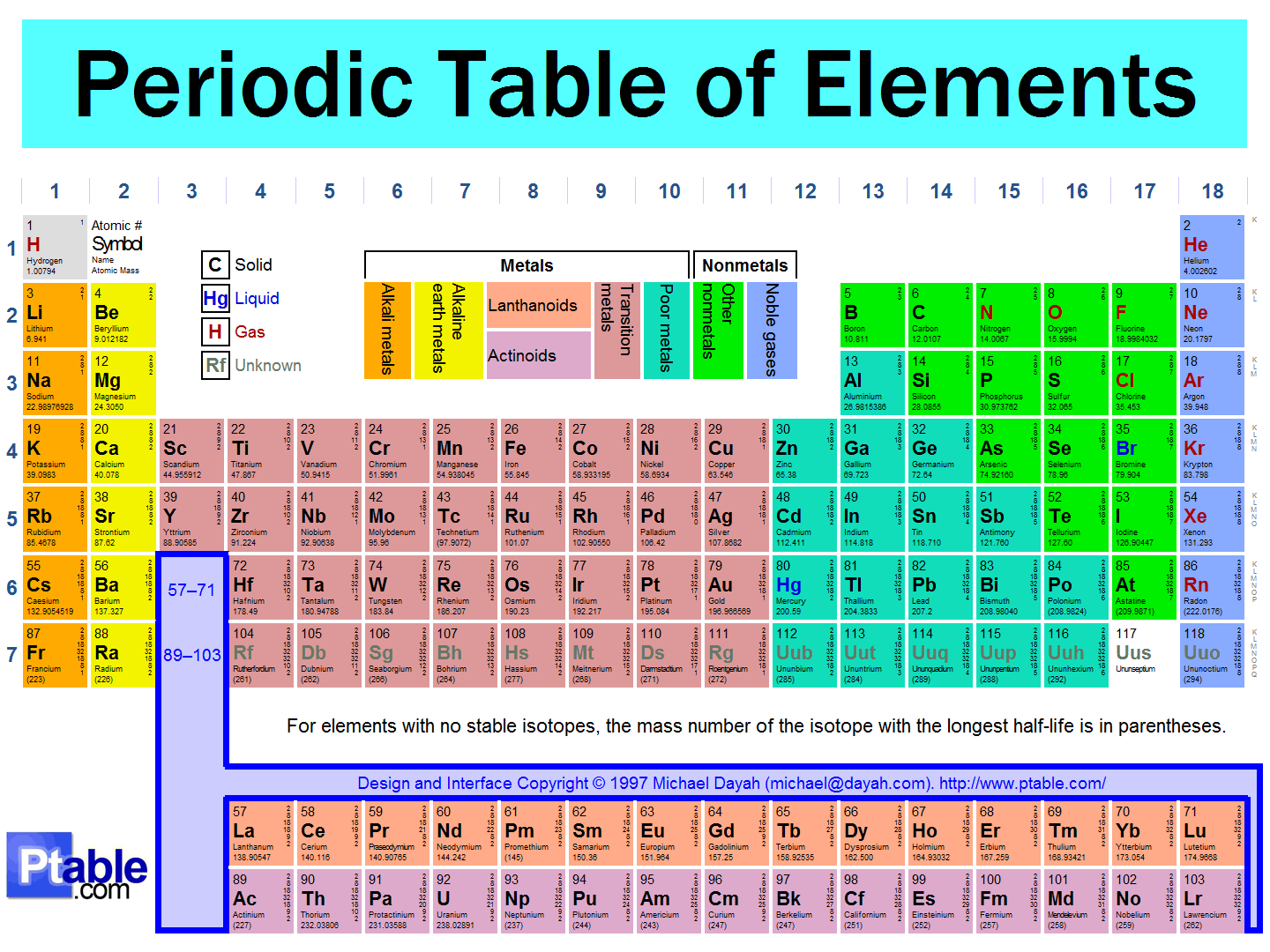
The horizontal (side to side) rows in the Periodic Table are called
groups
families
periods
atomic numbers
what is the biggest group on the table
metals
nonmetals
metaloids
halogens