
 Worksheets
Introduction to Cell Biology Exam
Total questions: 50
Worksheet time: 3hrs 32mins


"Coined" the Term Cells
Scientist and Inventor of Compound Microscope
The information above is directly related to which of the Cell Theory Scientists?
What type of organisms does the cell theory apply to
bacteria
multicellular organisms
plants and animals
all of the above
Modern cell theory now states that all cells contain...
a nucleus
genetic information (DNA)
a cell wall
46 chromosomes

The picture shows a student using a microscope to study a prepared slide of a single-celled organism. A single-celled organism can be classified as a prokaryote based on the absence of -
a cell membrane
ribosomes
chromosomes
a nucleus
Prokaryotic cells don't have:
Membrane bound organelles.
Ribosomes
Genetic material (DNA or RNA).
All of the above
Students observe cells under a microscope. Which of the students’ observations will be most helpful in classifying a cell as either prokaryotic or eukaryotic?
Shape of the cell.
Presence of a nucleus.
Presence of organelles.
Visible DNA.

E. coli (a bacteria) is an example of a...
Prokaryote
Eukaryote
Both
Neither

A sunflower is an example of a...
Prokaryote
Eukaryote
Both
Neither
Which of the following would only be found in a eukaryotic cell?
Cell Membrane
DNA
Ribosomes
Mitochondria
Prokaryotic
These are small, single cells with a simple internal structure
Eukaryotic
These are larger and more complex with specialized membranous compartments
Unicellular
All Prokaryotes are and Some Eukaryotes can be ..
Multicellular
Only Eukaryotes are...
Bacteria
Prokaryotes include
Who was the first person to discover the existence of cells?
Robert Hooke
Anton Van Leeuwenhoek
Henri Dutrochet
Schleiden & Schwann
Who was the person to report observations of living cells?
Robert Hooke
Anton Van Leeuwenhoek
Henri Dutrochet
Schleiden & Schwann
Which of the following scientists is known as the "Father of Microscopy" due to his improvements of the simple microscope?
Robert Hooke
Anton Van Leeuwenhoek
Henri Dutrochet
Schleiden & Schwann
Which language was used to describe scientific discoveries and research during the times of Robert Hooke and Anton Van Leeuwenhoek.
(a)
The __________ is the basic unit of structure and function in all living things.
atom
cell
matter
all of the above
Eukaryotic means__________________.
Basic nucleus
no nucleus
good nucleus
true nucleus
Which of the following is not part of the cell theory?
All organisms are composed of cells.
Cells are the basic unit of life.
All cells result from the division of previously existing living cells.
All cells have a nucleus that divides.
List the following in order from LARGEST to SMALLEST:
Organ, Cell, Organ System, Tissue, Organism
Organism, Organ System, Organ, Tissue, Cell
Organ System, Organism, Organ, Tissue, Cell
Organism, Organ System, Organ, Cell, Tissue
Cell, Tissue, Organ, Organ System, Organism
An example of an organism made of prokaryotic cells would be:
Bacteria
Frogs
Algae
Yeast
This type of cell has free floating DNA inside of it
Prokaryotic
Eukaryotic
Robert Hooke was significant because he was the first to discover _________________ cells.
animal
plant
bacterial cells
cork
A kidney is an example of the ____________ level of organization.
Tissue
Cell
Organ System
Organ
All plants and animals are made of this type of cells:
Prokaryotic
Eukaryotic
What type of cell has a nucleus?
eukaryote
prokaryote

What important molecule is contained in the nucleus?
Jeans
Cell Membrane
DNA
Cytoplasm

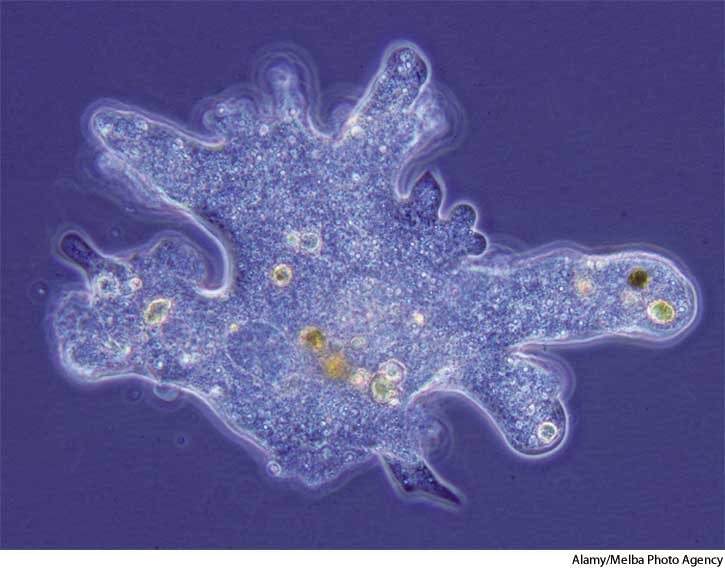
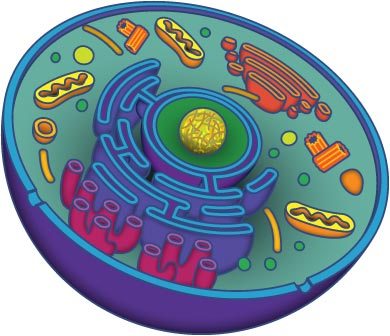

Which of the following scientists was the first to observe cells under a microscope?
Anton van Leuwenhoek
Matthais Schleiden
Robert Hooke
Theodor Schwann

Which scientist looked at cork under a microscope and labeled the little spaces he saw, 'cells?'
Hooke
Leeuwenhoek
Schwann
Schleiden
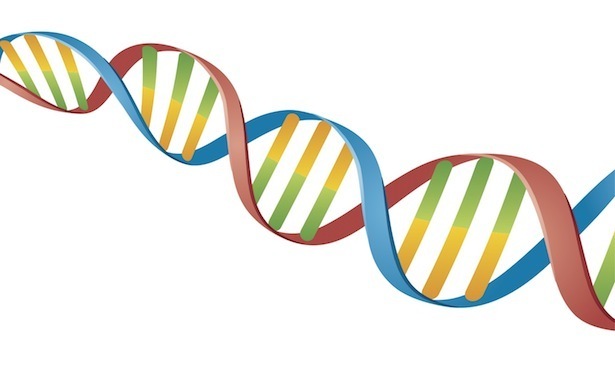

Which type of cell?
Prokaryote
Eukaryote
Both
Neither
Bacteria are considered what?
Eukaryotes
Prokaryotes
Prokaryotic cells do not have…….
membrane bound organelles
cell membrane
DNA or RNA
life
Which do BOTH prokaryotes and eukaryotes contain?
nucleus
mitochondria
ribosomes
cell wall
Prokaryotes are _______________ and include ______________.
single cells, DNA but not a nucleus.
multiple cells, a nucleus with DNA

A nucleus is found within...
Eukaryotic cells
Prokaryotic cells

