wayground logo

Free Printable Worksheets

Font size

S
M
L
XL
Worksheets

3rd 9-weeks Simulation Review

Total questions: 60

Worksheet time: 10hrs 0mins

Name
Class
Date
1.
In which way are photosynthesis and cellular respiration different?
a)
Cellular respiration stores ATP, while photosynthesis releases ATP.
b)
Cellular respiration produces oxygen, while photosynthesis uses oxygen.
c)
Photosynthesis releases energy, while cellular respiration stores energy.
d)
Photosynthesis used carbon dioxide, while cellular respiration produces carbon dioxide.
2.
What is the correct equation for cellular respiration?
a)
6O2 + C6H12O6 -> 6CO2 + 6H2O + Energy
b)
6O2 + C6H12O6 + Energy -> 6CO2 + 6H2O
c)
6CO2 + 6H2O -> 6O2 + C6H12O6 + Energy
d)
6CO2 + 6H2O + Energy -> 6O2 + C6H12O6
3.

Which of the following is the correct equation for PHOTOSYNTHESIS?

a)

6CO2 + 6H2O → 6O2 + C6H12O6

b)

6CO2 + C6H12O6 + 6H2O → O2

c)

6O2 +6H2O → 6CO2 +C6H12O6

d)

C6H12O6 + 6O2 → 6H2O + 6CO2

4.

The frequency that single genes (alleles) for a trait appear in a population.

a)

Genome

b)

Gene frequency

c)

Genetic Drift

d)

Population Frequency

5.

The more genetic variation a population has,

the more likely it is for some individuals to

a)

evolve

b)

migrate

c)

survive

d)

mutate

6.
In the punnett square shown, what is the genotypes of the two parents?
a)
RW and RR
b)
RW and WW
c)
RR and WW
d)
RW and RR
7.
A green pea plant (GG) is being crossed with a green pea plant (Gg). What is the phenotype?
a)
100 % rainbow 
b)
50% yellow and 50% green 
c)
100% green
d)
100% yellow 
8.
Why is DNA important?
a)
it is very small and very complicated
b)
it's in everything
c)
it serves as the blueprint for traits of all living things
d)
because we eat it every day for energy
9.
If a DNA molecule consists of 29% Guanine, how much cytosine will it contain?
a)
29%
b)
58%
c)
21%
d)
I have no idea.
10.

What is DNA made up of?

a)

nucleotides

b)

cytoplasm

c)

RNA

d)

cells

11.
The shrew provides energy for the _______?
a)
cricket
b)
grasshopper
c)
frog
d)
snake
12.

Using the food web what would happen if the eagle became extinct?

a)

The frog population would decrease.

b)

The frog population would increase.

c)

The butterfly population would increase.

d)

The snake population would decrease.

13.

One difference between a cancer cell and a normal cell is that

a)

cancer cells divide unconrollably

b)

normal cells divide uncontrollably

c)

cancer cells cannot make copies of DNA

d)

normal cells cannot make copies of DNA

14.
What is cancer?
a)
The heart does not receive enough blood.
b)
Sudden disruption of blood flow to part of the brain.
c)
Blood filled weak spot.
d)
Uncontrolled growth and spread of abnormal cells.
15.

What base pairs with Adenine?

(a)  

16.

What base pairs with Guanine?

(a)  

17.
What is the significance of the sequence (order) of the Nitrogen Bases in DNA?
a)
The order of the Nitrogen Bases determines the number of chromosomes present in an organism.
b)
The order of the Nitrogen Bases determines the traits that an organism will possess (have).
c)
The order of the Nitrogen Bases determines the gender of an organism.
d)
The order of the Nitrogen Bases determines whether an organism is abiotic biotic.
18.

Which biomolecules are found in all organisms?

a)

glucose, maltose, fructose, sucrose

b)

adenine, cytosine, thymine, guanine

c)

chlorophyll, cytosine, thymine, guanine

d)

cholesterol, phospholipid, cellulose, gibberellin

19.

Species show very little evolutionary change in the fossil record

a)

Stasis

b)

Natural Selection

c)

Artificial Selection

d)

Darwinsim

20.

Evolution occurring gradually and slowly over long periods of time

a)

Homeostasis

b)

Stasis

c)

Punctuated Equilibrium

d)

Gradualism

21.

Evolution occurring quickly due to catastrophic events

a)

Homeostasis

b)

Gradualism

c)

Statsis

d)

Punctuated Equilibrim

22.
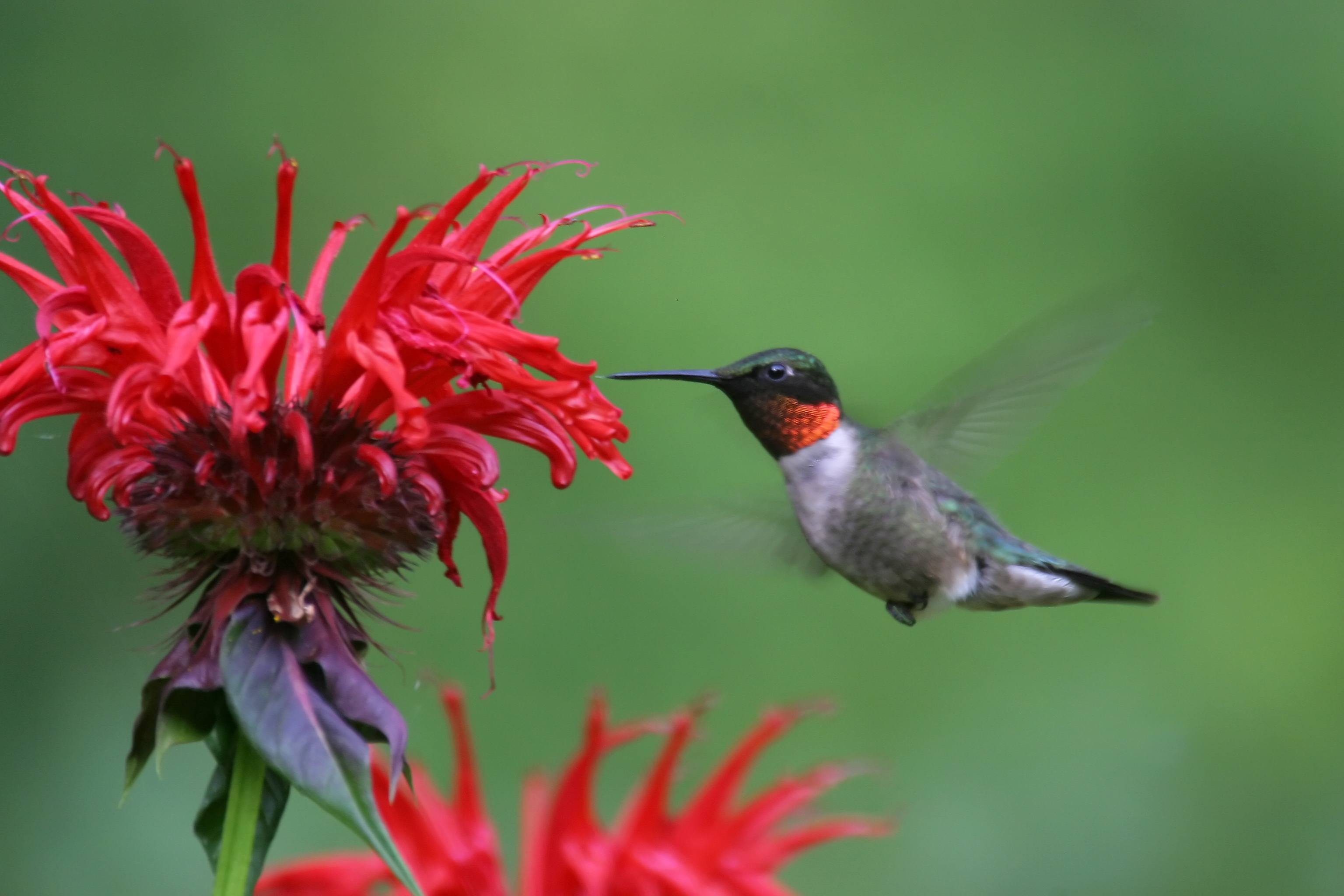
What type of symbiosis?  Hummingbirds feed on nectar from flowers.  The flowers are pollinated by hummingbirds as they move from flower to flower.
a)
commensalism
b)
mutualism
c)
parasitism
d)
predation
23.
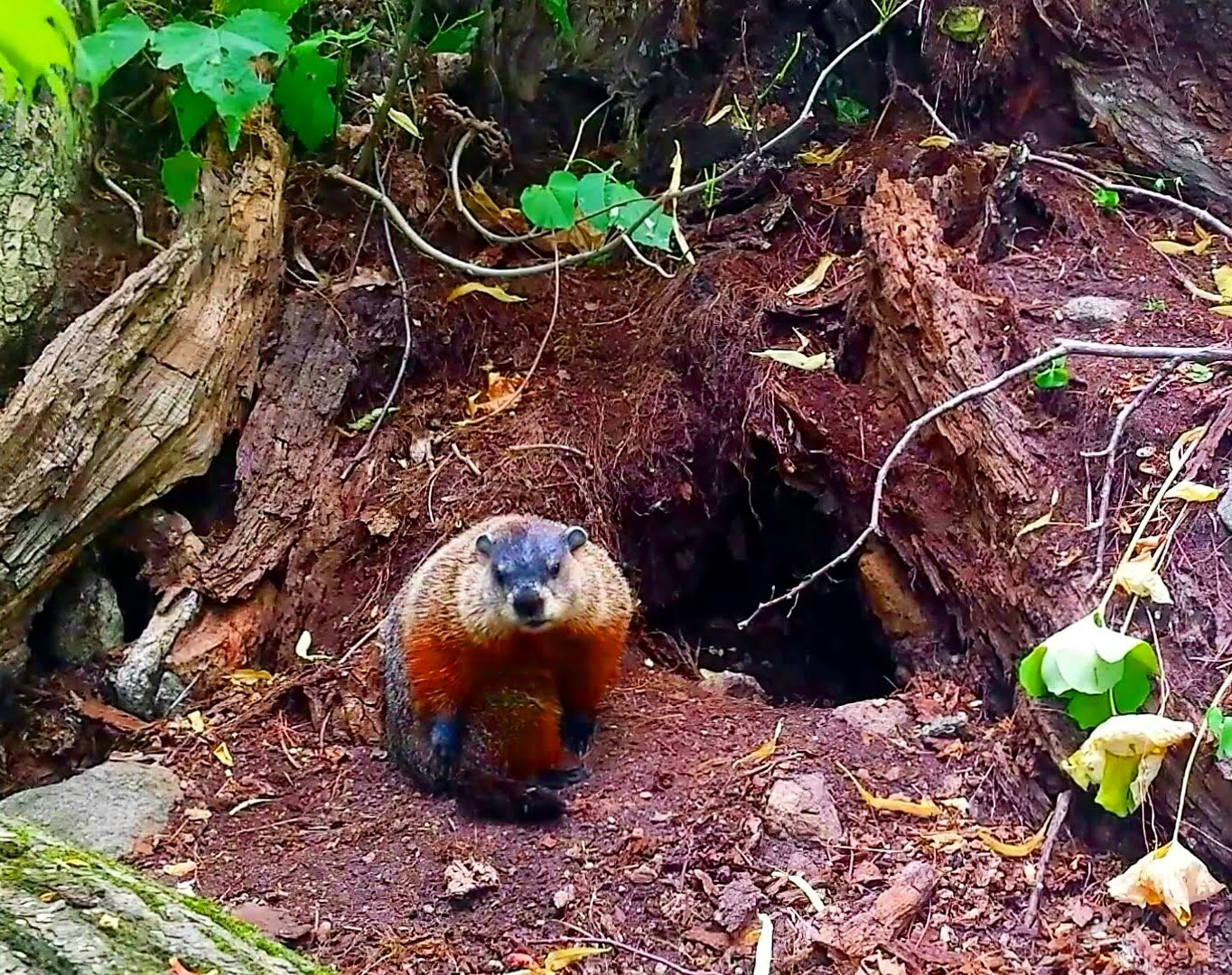
What type of symbiosis?  Skunks often live in burrows that have been dug and abandoned by woodchucks.  
a)
commensalism
b)
mutualism
c)
parasitism
d)
predation
24.
Mistletoe extracts water and nutrients from a spruce tree. The spruce tree is harmed. 
a)
parasitism
b)
commensalism
c)
mutualism
25.

Which cell structure serves the stated function in both eukaryotic and prokaryotic cells?

a)

nucleus: stores genetic material

b)

cytoplasm: protects cell structures

c)

ribosomes: regulate cell processes

d)

DNA: surrounds cell contents

26.

A chemical has been found to harm the same components in both prokaryotic and eukaryotic cells. Which components are those?

a)

DNA, cell membrane, cytoplasm, and ribosomes

b)

DNA, cell membrane, ribosomes, and membrane-bound organelles

c)

DNA, cytoplasm, ribosomes, and nucleus

d)

DNA, cell membrane, cytoplasm, and membrane-bound organelles

27.

Use the image for help. Which kingdom is eukaryotic, multicellular, and are heterotrophs as decomposers?

a)

animalia

b)

plantae

c)

fungi

d)

protista

28.

Bacteria fix nitrogen from the atmosphere into a form plants can use.

a)

True

b)

False

29.

This organism is in DOMAIN EUKARYA. It is UNICELLULAR. Although they do NOT have cell walls, they do HAVE CHLOROPLASTS. Which kingdom is this organism found in?

a)

Bacteria

b)

fungi

c)

archaebacteria

d)

Protista

30.

A population of flowers on one side of a river transports pollen to flowers on the other side of the river

a)

Gene Flow

b)

Genetic Drift

31.

When going from DNA to mRNA, this process is called?

a)

Transcription

b)

Translation

c)

Replication

32.

When going from mRNA to Amino Acids, this process is called?

a)

Transcription

b)

Translation

c)

Replication

33.

Where does transcription happen?

a)

Inside the Nucleus

b)

Outside the Nucleus in the Cytoplasm

34.

Where does translation happen?

a)

Inside the Nucleus

b)

Outside the Nucleus in the Cytoplasm at a Ribosome

35.

What is the bottom layer of the an energy pyramid?

a)

producer

b)

tertiary consumer

c)

Secondary consumer

d)

primary consumer

36.
A food pyramid represent the relative amount of energy in trophic levels. Which of the following correctly shows a food pyramid?
a)
A
b)
B
c)
C
d)
D
37.

In this energy pyramid, which organism has the least amount of energy available?

a)

Producers

b)

Herbivores

c)

Carnivores

d)

Top Predator

38.
What is the correct order of organization
a)
tissues-cells-organs-organ systems-organism
b)
cell-tissue-organs-organ systems-organism
c)
organism-cells-tissues-organ systems-organism
d)
tissues-cells-organs-organ sytems-organism
39.
Our cell membrane only lets certain substance in and out of the cell.  This is called?
a)

Selectively Permeable

b)

Perforated

c)

Non-conductive

d)

Permeable

40.
What is the diffusion of water through a selectively permeable membrane?
a)
active transport
b)
osmotic pressure
c)
facilitated diffusion
d)
osmosis
41.
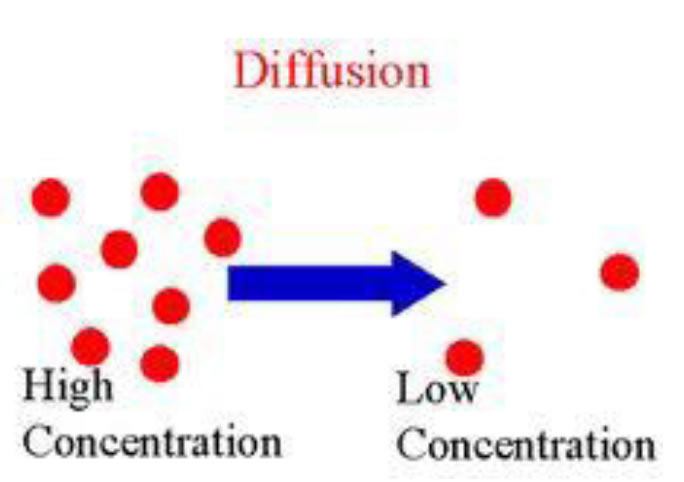
Movement of particles from high to low concentration. 
a)
Passive Transport
b)
Active Transport
42.
Solutes move against the concentration gradient, therefore energy is needed
a)
Passive Transport
b)
Active Transport
43.
Which is true about active transport?
a)
It requires energy
b)
it does not require energy
c)
It moves substances down the concentration gradient
d)
it moves material from high to low concentration
44.
a)

F

b)

G

c)

H

d)

J

45.
I include the bases Guanine, Cytosine, Adenine and Thymine.
a)
DNA
b)
RNA
46.
I am a single strand.
a)
DNA
b)
RNA
47.
DNA contains _____________________sugar.
a)
fructose
b)
deoxyribose
c)
galactose
d)
ribose
48.
Which of the following is FALSE about RNA?
a)
RNA is a single helix
b)
RNA comprises of a ribose sugar
c)
RNA bases are: thymine, adenine, cytosine, guanine
d)
RNA can be found both inside and outside of the nucleus
49.

I contain the sugar ribose.

a)

DNA

b)

RNA

c)

Both

50.

Which level of ecological organization refers to "a group of the same species that live in the same place"?

a)

ORGANISM

b)

POPULATION

c)

COMMUNITY

d)

ECOSYSTEM

51.

A biological community that includes various species and their physical environment (Biotic and Abiotic Factors).

a)

Organism

b)

Community

c)

Biosphere

d)

Ecosystem

52.

What happens during the G1 phase of Interphase?

a)

The nucleus disappears

b)

The DNA replicates

c)

The organelles double

d)

The cell grows and does its normal functions

53.

What happens during the S phase of Interphase?

a)

The nucleus disappears

b)

The DNA replicates

c)

The organelles double

d)

The cell grows and does its normal functions

54.

A pilot fish usually follows behind sharks to pick up food scraps that they leave behind. The fish gets food and the shark is unaffected. This is an example of:

a)

Mutualism

b)

Commensalism

c)

Parasitism

d)

Decomposition

55.
A clownfish uses a sea anenome as a safe place to live. While living there, the clownfish lures in food for the anenome. This is an example of what type of relationship?
a)
Predator-Prey
b)
Commensalism
c)
Mutualism
d)
Parasitism
56.

Which mRNA bases would pair with TACGAA in transcription

a)

AUGCUU

b)

ATGCTT

c)

GCATCC

d)

GCAUCC

57.

Fill in the complementary DNA bases according to the base-pair rule:

A T C C A G

a)

T U G G T C

b)

T A G G T C

c)

T A C G T G

d)

T A C C A C

58.
Who is the closest relative to the birds?
a)
crocodiles
b)
sharks
c)
fish
d)
amphibians
59.

Two different species of reptile would be most related if they share which level of classification?

a)

Domain

b)

Phylum

c)

Family

d)

Class

60.

A cladogram shows...

a)

relatedness between organisms

b)

genetic material differences

c)

the parents/family of organism

d)

geographic distribution of organisms