
 Worksheets
APES Units 7, 8, 9
Total questions: 148
Worksheet time: 2hrs 51mins
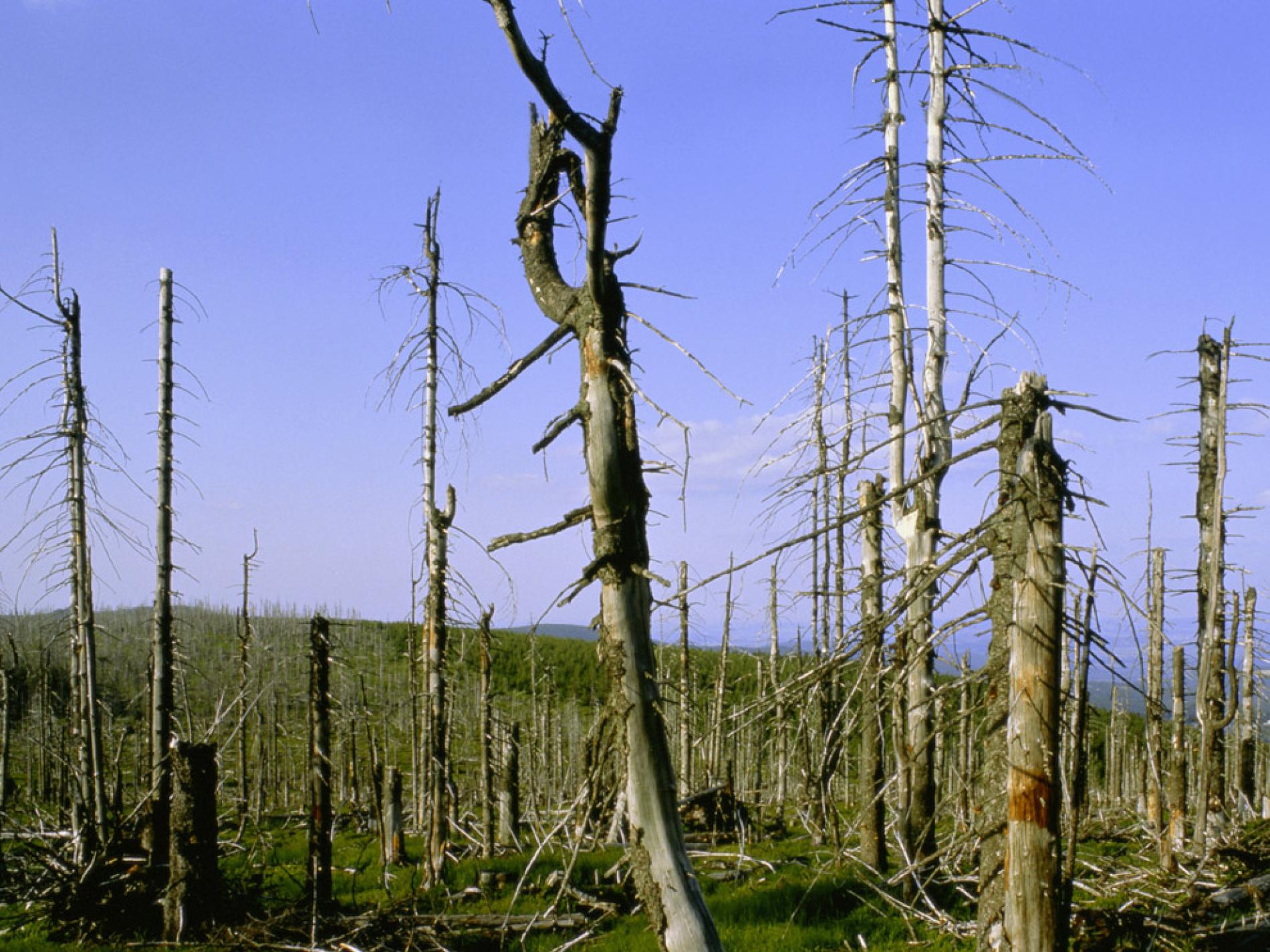

Smog or ground ozone forms in the troposphere. Which pollutants are most responsible for smog or ground ozone?
sulfur and particulate matter
volatile organic compounds and nitrogen oxides
carbon monoxide and carbon dioxide
none of these answers are correct


Where is the Ozone Layer found in our atmosphere?
Troposphere (lower portion)
Stratosphere (upper portion)

When the Ozone Layer loses Ozone what happens to organisms on the earth's surface?
They are exposed to Smog
Nothing happens
They are exposed to Acid Rain
They are exposed to Ultraviolet B Radiation
The Clean Air Act- regulates vehicle emissions.
true
false
Source of carbon monoxide
Incomplete combustion of fossil fuels
Combustion of fossil fuels
Decomposition of plant and animal matters
Photochemical reaction of CO2
A type of pollution found both indoors and outdoors, which includes pollen, dander, soot, carbon, and dust.
Water droplets
Allergens
Particulate matter
Combustibles

Which of the following are examples of VOC's ? (Select 3)
paint and paint thinners
gasoline
water vapor
formaldehyde
smog
Electrostatic precipitators can be used to remove this type of air pollutant.
volatile organic compounds
sulfur dioxide
particulate matter
ground level ozone
Which of the following is NOT a primary pollutant?
nitric oxides
smog
sulfur dioxide
volatile organic compounds
Which of the following pH measurements of rainwater would indicate acid precipitation/rain?
pH 6.0
pH 4.1
pH 7.3
pH 9.6
Which range indicates a base/alkaline?
1-6
8-14

What areas are more likely to experience temperature inversions?
small cities in the mountains
large cities in valleys
large cities near oceans
small cities near a river

Where is the "GOOD" ozone located?
troposphere
stratosphere
mesosphere
thermosphere
Exposure to too much radon gas can cause
lung cancer
sun burn
blindness
acne
Radon is usually found in this location in your home.
attic
basement
bathroom
kitchen

The lowest layer in the atmosphere - where trees grow and weather takes place.
troposphere
stratosphere
mesopshere
treeosphere
Which of the following government agencies is responsible for the Clean Air Act?
the USGS
the USDA
the EPA
the USDOJ
Which of the following is an example of a primary pollutant?
Acid rain
Ozone
Carbon monoxide
Asbestos
Designed to protect the ozone layer by phasing out substances responsible
Montreal Protocol
Kyoto Protocol
Madrid Protocol
Yucca Protocol
Which of the following is an example of a secondary air pollutant?
nitrogen dioxide
sulfur dioxide
tropospheric ozone
carbon monoxide
Which of the following consumer products would most likely increase your exposure to bisphenol A?
Wood paneling in the home
Imported fruit from tropical regions
Plastic food containers and water bottles
Perfumes and hairsprays
Oil-based paints
The reduction in coal burning to generate electricity would most likely have the biggest impact on reducing which of the following toxins?
Phthalates
Vinyl chloride
Mercury
Benzene
Radon
Which of the following is used as insulation and is known to cause lung cancer?
Asbestos
Sulfur dioxide
Formaldehyde
Fiberglass
Plywood
Much of the radiation emitted by the earth is captured and trapped in the
stratosphere
lithosphere
asthenosphere
troposphere
mesosphere
Which of the following is a secondary pollutant and major component of photochemical smog?
Carbon monoxide
Methane
Formaldehyde
Radon
Ozone
Which of the following is a strategy for reducing the effects of acid rain?
Applying a layer of granite under lakes
Reducing the depth of soils
Adding methylmercury to lakes
Adding calcium carbonate to soils
Increasing electricity use
Define liability for individual toxic waste sites, clean up those sites from a fund, the Superfund, built from taxes and fines assigned to polluters
CERCLA
RCRA
Clean Water Act
NEPA
Which a point source of pollution?
a factory smokestack
runoff from city streets
pesticides from agricultural fields
fertilized from urban lawns
What is true of endocrine disruptors?
attack hormones that invade the body and cause diseases
blocks receptors of hormones so cells can't get signals
increase the rate of chemical reactions, like enzymes
transports substances in an organism, like insecticides
How are temperature and dissolved oxygen connected?
warm water has less dissolved oxygen
cold water has less dissolved oxygen
there is no relation between temperature and amount of oxygen
Why is it best to recycle aluminum?
it uses less energy to recycle it than to make new aluminum
making new aluminum is dangerous to transport, store, and process
it is hard to find new aluminum, so it should be recycled
if it goes to a landfill, it will leach and increase the pH of lakes and streams
How does temperature and dissolved oxygen result in algae blooms?
low oxygen kills fish, which decompose and produce nutrients for algae
increased temperature increases waste from fish, which provide energy for algae
increased temperature and less dissolved oxygen make fish move, decreasing competition so algae can grow
Increased temperature leads to more dissolved oxygen, which helps algae grow
Why would something be considered a persistent organic pollutant (POP)
its stable and stays in the environment
it controls diseases spread around the world
it can be found in food and is toxic to those that eat it
it has both short and long term health effects
Endocrine disruptors affect what?
red blood cells
hormones
carbon dioxide in blood
hemoglobin levels
What would be a possible consequence of endocrine disruptors that have runoff into a lake?
increased food web interactions
increased dissolved oxygen
increase in birth defects of fish
decreased turbidity of the water
Why are persistent organic pollutants (POPs) so harmful?
they confuse birds during flight because of noise pollution
they are soluble in fat so they accumulate in organisms
they release radioactive materials in water
they release greenhouse gases into the atmosphere
Which would cause eutrophication?
increased recreational use of a lake
cooler temperatures in an area
phosphorus from runoff
increase in fish populations
Which is a supporting ecological service of wetlands?
they are pretty for art and books
ecotourism brings in revenue
wetlands cycle nitrogen
home for many organisms
Releasing lots of sewage and organic wastes will result in
increase in biological oxygen demand
increase in dissolved oxygen
decrease in bacteria
decrease in water temperature
Which are often used to clean up oil spills
booms, skimmers, bacteria
aeration, skimmers, bacteria
aeration, phytoremediation, bacteria
boom, incineration, phytoremediation
What is true of a lake that is experiencing eutrophication?
decreased algae
increased nutrients
decreased sediments
increased oxygen
Which would result from destroying wetlands?
increased biodiversity
increased levels of oxygen
decreased sediments
increased flooding
What is phytoremediation?
using bacteria to break down wastes
breaking down toxins using sunlight
using plants to absorb toxins
toxins moving up the food chain
How can recycling be encouraged?
decreased purchasing of recycled material
decreased fees for using landfills
decreased taxes on recycled material
decreased taxes on fossil fuel companies
"Bad ozone" occurs in the
Lithosphere
Mesosphere
Stratosphere
Troposphere
The main elements in CFCs are
Carbon, Calcium, Francium
Carbon, Chlorine, Fluorine
Chromium, Chlorine, Fluorine
Chlorine, Fluorine, Calcium
Which of the following best exemplifies global collaboration for a sustainable environment? (Getting rid of CFCs)
The Antarctic Treaty of 1961
The Clean Air Act of 1972
CERCLA (Superfund)
The Montreal Protocol
Which of the following best describes the importance of ozone in the stratosphere to life on Earth?
Ozone reflects X-rays from the Sun back into space.
Ozone absorbs most of the ultraviolet radiation from the Sun.
Ozone helps to moderate surface temperature by absorbing CO2 and CH4.
Ozone increases mutation rates and accelerates evolution in a variety of species.
The second step of ozone formation involves atomic oxygen combining with what molecule?
CO2
O2
NO2
2H2O
The breakdown of CFCs in the atmosphere is caused by UV rays.
True
False
Which of the following is a greenhouse gas that comes only from human sources?
Nitrous oxide
Carbon dioxide
Methane
Chlorofluorocarbons
Although levels of CFCs in the atmosphere are much lower than those of CO2 , CFCs are still potent greenhouse gases because they
remain in the atmosphere for only a brief time
lack natural sources
are much more efficient at absorbing thermal radiation
are more difficult to remove from smokestacks and tailpipes
Which of the following best describes the mechanism of the greenhouse effect in Earth's atmosphere?
Infrared radiation from Earth's surface is absorbed by gases in the atmosphere.
Cosmic radiation from deep space is absorbed by gases in the atmosphere.
Alpha radiation from the Sun is absorbed by water vapor in the atmosphere.
Ultraviolet radiation from the Sun is absorbed by ozone gas in the stratosphere.
All of the following gases have been implicated in contributing to the increase in global temperature via the greenhouse effect EXCEPT
CFC's
O2
N2O
CO2
Why is water vapor not considered a significant contributor to global climate change?
The concentration of water vapor is very low compared to the other gases.
Water vapor is inefficient at absorbing heat and does not absorb much of the infrared spectrum.
Trees and other organisms naturally release water vapor during the process of decomposition.
Water vapor has a relatively short residence time in the atmosphere.
A greenhouse gas that, in the lower troposphere, is formed by photochemical reactions
H2O
CO2
CH4
O3

Layer of Earth's atmosphere the contains "good" O3
Troposphere
Hydrosphere
Mesosphere
Asthenosphere
Stratosphere

The ocean becomes this with the absorption of excess CO2
alkaline
acidic
neutral
shallower
none of these

A species who is very close to extinction
threatened
endangered
invasive
least concern
alien
committing industrialized countries and economies in transition to limit and reduce greenhouse gases (GHG) emissions in accordance with agreed individual targets
Kyoto Protocol
CITES
Montreal Protocol
Endangered Species Act
NEPA

Which is NOT a part of HIPPCO?
Human population
Income (affluence)
Climate change
Pollution
Overharvesting

Organisms that are successful in a new environment due to access to abundant resources and no predators
threatened
keystone
endangered
least concern
invasive

This had the goal of decrease production of CFCs by the year 2000
Montreal Protocol
Kyoto Protocol
Paris Agreement
NEPA
CITES

The international agreement between governments to ensure that international trade in specimens of wild animals and plants does not threaten the survival of the species
CITES
Endangered Species Act
Montreal Protocol
Kyoto Protocol
Sioux Falls Animal Act

Where there is a lot of mixing of air, weather, and "bad" ozone
Troposphere
Hydrosphere
Mesosphere
Asthenosphere
Stratosphere

Which is NOT true about ocean warming?
The distribution of heat in the oceans is not uniform
Coral bleaching rates are decreasing
Warm water holds less dissolved oxygen than colder water
Sea levels are rising due to thermal expansion
Many species are relocating further from the equator

Evidence for climate change on Earth includes
Global temperature decline
Warming oceans
Increasing glaciers
Lowering sea levels
None of these

Which of the following anthropogenic activities is most closely associated with depletion of the stratospheric ozone layer?
Flooded cropland
Garbage incineration
Mining of talc
Disposal of refrigerators and air conditioners
None of these

A source of heat to warm up oceans is
sunlight
water vapor
carbon dioxide
all of these
none of these
As greenhouse gasses increase, what happens to Earth's temperature?
Increase
Decrease
Stays the Same
No Trend
What evidence is there to support that Global Warming is occurring?
Rising ocean temperatures
Declining arctic sea glacers
Sea levels rising
Increase in carbon dioxide in the atmosphere
Which of the following could increase the amount of greenhouse gasses in our atmosphere?
Burning fossil fuels
Planting trees
Walking to school and work
Cutting down trees
Why do we need greenhouse gasses?
We don't! All greenhouse gasses are bad
They help regulate Earth's climate
They decrease Earth's temperature
None of the above

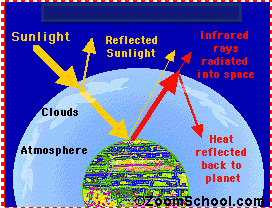
On the picture, the heat out is decreasing. What can we assume if this is happening?
There is no change in the graph
We don't have any greenhouse gasses
Greenhouse gasses are decreasing
Greenhouse gasses are increasing

How does ocean acidification impact marine calcifiers?
It weakens their shells and bodies
It makes their food die
It makes the water too warm for them
It adds too much weight to their shells

How are humans adding CO2 to the air?
Building houses
Using fossil fuels
Causing chemical spills
Growing trees


Earth's average temperature has increased 1°C in the past century. Which reason best explains this increase in temperature?
lower levels of ozone in the atmosphere
lower levels of nitrogen in the atmosphere
higher levels of carbon dioxide in the atmosphere
higher levels of oxygen in the atmosphere
Which of the following gases is NOT a greenhouse gas?
carbon dioxide
nitrogen
water vapor
methane
Which of the following are evidence of climate change?
extreme weather events
increase in the average global temperature
melting of polar ice caps
all of the above
The main human activity that releases carbon dioxide (CO2) into the atmosphere is...
using bottled water
burning fossil fuels
texting on cellphones
eating meat
Which of the following is contributing to an increase in carbon dioxide (CO2) in the atmosphere?
deforestation
burning fossil fuels
burning down trees
all of the above
Which of the following is produced by cows?
Carbon Dioxide
Water Vapor
Argon
Methane
an area's climate changes and it gets LESS rainfall. what can happen?
more hurricanes
more forest fires
floods
more diseases
what human activities lead to an increase in the amount of greenhouse gases and therefore lead to climate change?
burning fossil fuels for energy
transportation (cars, planes, trains)
farming
all of the above
human activities lead to climate change and global warming because
there are LESS greenhouse gases in the atmosphere and the temperature decreases
there is the SAME amount of greenhouse gases in the atmosphere and the temperature stays the same
there are MORE greenhouse gases in the atmosphere and the temperature is increasing
Warming seas will...
Increase the number of storms
Decrease the number of storms
The number if storms will stay the same
Climate Change will cause...
More intense tropical storms
Less intense tropical storms
no more storms
Earths climate has...
Decreased by 10 degrees
Increased by 2 degrees
Decreased by 2 degrees
increased by 10 degrees
The role of the Intergovernmental Panel on Climate Change is to
implement carbon taxes on companies that burn excessive fossil fuels
collect and analyze scientific climate data like that from ice cores
review scientific climate data to assess the current state of climate change
introduce policies to help with mitigation and adaptation strategies
An example of a climate change mitigation strategy is
mandating more fuel efficient vehicles
building structures to protect from rising sea levels
species migration
using drought resistant crops

What is a major cause of coral bleaching?
Too much carbon dioxide is dissolved in ocean water
Not enough carbon dioxide is dissolved in ocean water
Whales chewing on coral reefs
Too much sunlight
One possible positive consequence of an increase in CO2 in the atmosphere?
Plants may grow faster and produce more sugars
Pests like pine beetles will die
Forest fires will be extinguished by the lack of oxygen
Corals will grow faster
What is Arctic (or polar) amplification?
the phenomenon that temperature near the poles is increasing at a higher rate than at lower latitudes
the intensification of the polar jet stream due to melting ice caps
the increased productivity of Arctic ecosystem due to increased upwelling
the migration of the polar front due to stronger pressure contrasts
Which of the following best describes the primary goal of the Paris Agreement?
to create a fund to help countries deal with disaster relief
to validate the science behind climate change for the global community
to keep the global climate temperature increase to under 2 degrees Celsius
to reduce deforestation worldwide



