
 Worksheets
Chemistry Challenge Problems
Total questions: 100
Worksheet time: 3hrs 20mins

Which one of the following compounds is has five (5) total atoms?
H2O
CaCu3
C6H12O6
H2Cl3
2C2H2 + 5O2 ---> 4CO2 + 2H2O
2C2H2 + 5O2 ---> 4CO2 + 2H2O
2C2H2 + 5O2 ---> 4CO2 + 2H2O

If this reaction occurs in a sealed container, will the mass of the container and everything in it increase, decrease, or stay the same and why?


A student is shown a picture of the atom to the side. What element, based on the subatomic particles in the atom, is shown?
Beryllium
Lithium
Helium
Oxygen
What element contains 7 protons and 5 valence electrons?
Boron
Vanadium
Nitrogen
Lithium
The atomic number of an element is equal to its number of protons. Therefore, a logical conclusion is that the number of protons determines an element’s-
Mass and atomic weight.
The number of stable isotopes.
Identity
State of matter

Compare the data shown in the table. What reasonable conclusion can be made from the information given?
Element 1 has the same atomic mass as Element 4
Element 3 has a very similar chemical properties as Element 4
Element 1 has very similar chemical properties as Element 3
None of the above

Four students were asked to name the parts of an atom that determine the atom’s identity and chemical properties. The students’ responses are shown in the table below.
Which student’s responses are correct?
Student 1
Student 2
Student 3
Student 4

A Student drew atomic models of four atomic models. Based on the drawings, which one is the least reactive?
Chlorine, because it has three energy levels with seven electrons in the third level
Gallium, because it has four energy levels with three electrons in the fourth level
Neon, because it has two energy levels with eight electrons in the second level
Tin, because it has five energy levels with four electrons in the fifth level

An atom of which element is represented by this model?
Carbon (C)
Neon (Ne)
Sodium (Na)
Boron (B)
A student is studying calcium, a highly reactive element that humans need for strong bones. Which characteristic of calcium is most closely related to its chemical reactivity?
The 20 protons in each atom of calcium
The 2 valence electrons in each atom of calcium
The atomic mass of calcium, which is 40.078 amu
The density of calcium, which is 1.54 g/cm3
Valence electrons are electrons in the shell
furthest from the nucleus
closest to the nucleus
having the lowest energy level
that has the fastest electrons
All atoms are most stable with (or would "prefer") how many electrons in their valence shell?
1
2
8
18
H2SO4
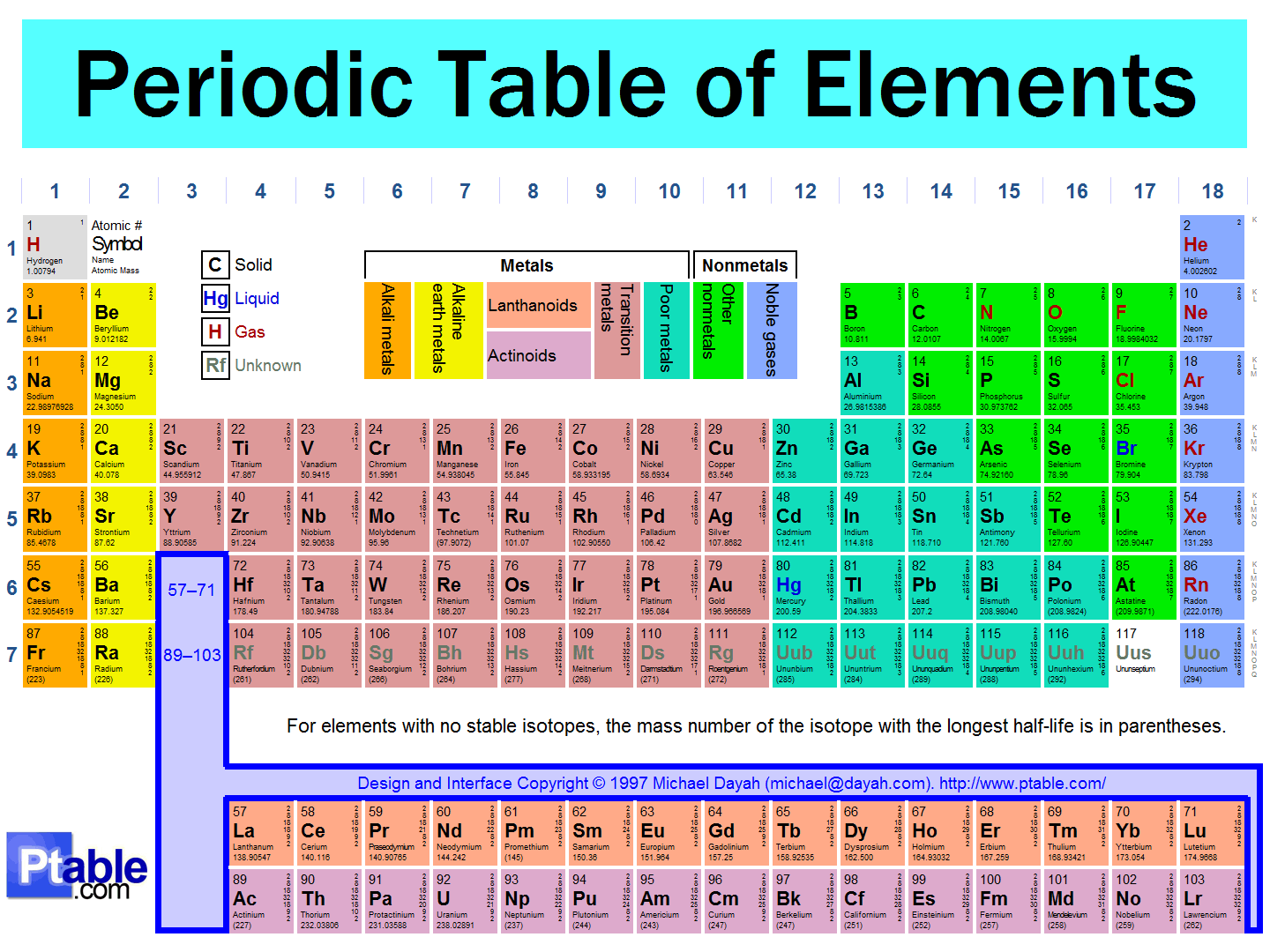
Each vertical column on the periodic table is called a...
group
tower
period
crew
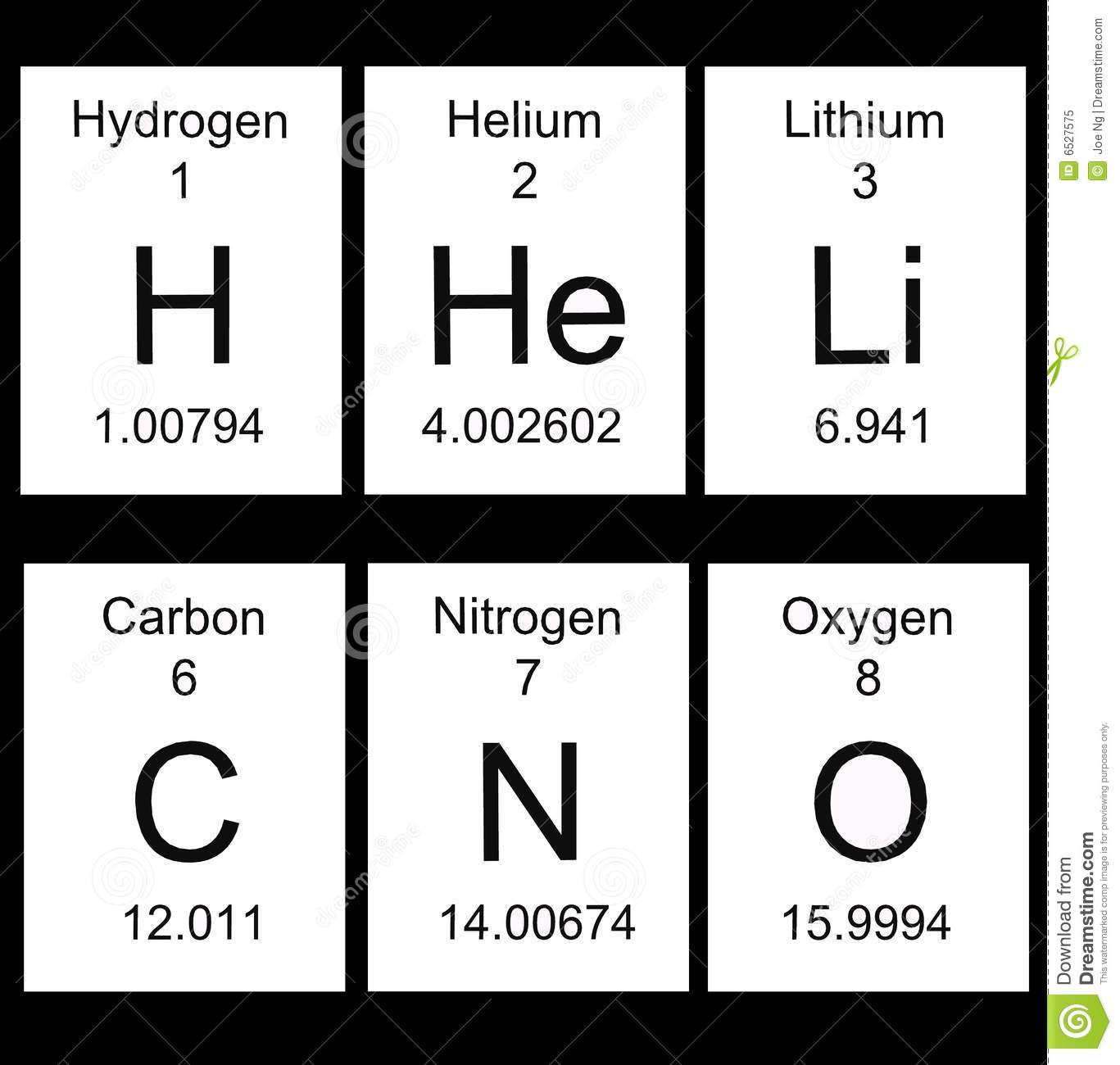
What is the chemical symbol for Lead?
Le
Fe
Ld
Pb
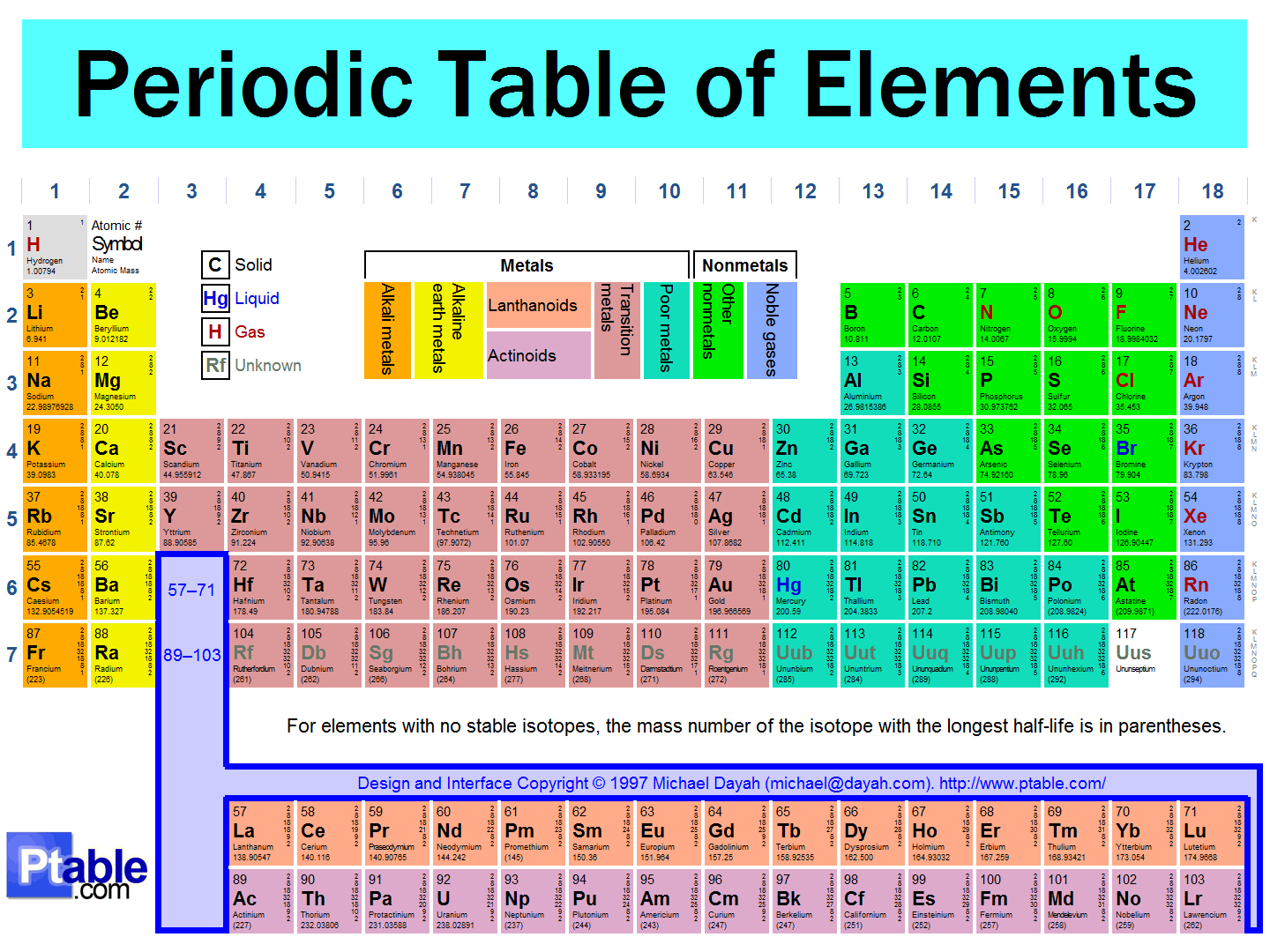
These elements located on the "stair-step" line are sometimes called "semiconductors."
Metals
Nonmetals
Metalloids
Groups
Ryan takes three small ice cubes and places them in a glass plate. He leaves them for an hour at the room temperature. Which of these would NOT change in the water after one hour?
temperature
mass
shape
physical state

Sam wants to demonstrate how water changes from a solid to a gas. He places ice in a pot on a stove. What variable is causing water to change state?
the container the ice is placed in
the temperature of the air surrounding the ice
the heat from the stove
the time that has lapsed since the ice was removed from the freezer
A solution is a mixture that looks exactly the same everywhere. These mixtures cannot be separated by a filter. Which of these could use a filter to separate the mixture?
a mixture of rocks and soil
a mixture of salt and water
a mixture of sugar and water
a mixture of juice and water
Which of these actions cause a PHYSICAL change?
rusting of metal pipes
burning a log
cooking an egg
crushing an aluminum can
Rusting metal is an example of a ____ change.
chemical
phase
state
physical
Salt water, a mixture, is made by dissolving salt in water. Mixtures like this can be separated by using the physical properties of the mixture. Which would be the best way to separate a mixture made of salt and water?
evaporation
chromotography
magnetism
filtering
Josh decided to mix some vinegar with baking soda. He knew that a reaction occurred because he made careful observations. He noted that the mixture started to foam up and bubble, and it was white in color. How did Josh know that a chemical reaction occurred?
He was sure a reaction occurred because of
the color of the mixture
the smell of the vinegar
the volume of the mixture
the formation of a gas
Which is an example of a chemical change?
baking a cake
ripping paper
stretching a rubber band
chopping wood
Water is one of the most important things to you and to all living things. The fact that you can measure the volume of room temperature water with a beaker is a clue that room temperature water is in liquid form.
If you keep lowering the temperature of the water, it will eventually harden, taking on a definite shape. This means that the water has changed form, into a ___.
plasma
brick
solid
gas

What physical property would you use to separate these jelly beans?
length
mass
color
texture
Car windows fog up in cold weather because water vapor condenses on the inside surface of the glass. Condensation occurs when the dew point of the air inside the car is warmer and more humid than the air outside the car window. When warm water vapor touches the cooler glass, the vapor cools down and becomes water.
Which might be the main source of the warm water vapor in a car?
leather seats
ice cold drinks
people breathing
car electronics
Frank found a pile of wood near a campsite, and he believed it had been chemically changed. What property did Frank most likely observe to believe this?
the surface of the wood felt wet
the color of the wood was black
the wood had been chewed
the wood had been chopped

Use the basic properties of solids, liquids, and gases to identify the correct state of matter in the image.
(A) gas, (B) liquid, (C) solid
(A) solid, (B) liquid, (C) gas
(A) liquid, (B) solid, (C) gas
(A) solid, (B) gas, (C) liquid
Casey is given a sample mixture. Which component could be separated with a magnet?
calcium carbonate
glucose
iron filings
silica sand
Mary collected some pond water to analyze in the science lab. She noticed that the water container had some sand at the bottom and bits of wood floating on top. How can Mary easily separate the sand from the water?
filter out the sand
pick out the sand
evaporate the water
shake the water and pour off the sand
Franklin stores a gallon of milk in the refrigerator. Three weeks later, he notices that the milk has frozen on the top layer and also smells strongly of a sour odor. Which statement justifies that a physical change has occurred in the milk?
There is less milk since some of it froze.
There is a bacterial culture growing in the milk causing the sour smell.
The frozen layer on top of the milk can melt into liquid when left at room temperature.
Some of the milk sugar has been lost, leading to a more sour smell and taste
A small bottle of water is left on the shore of a very large lake on an extremely cold winter night. What is MOST LIKELY to be observed the next morning?
Neither the bottle of water or the lake have become solid.
The bottle of water has become solid but the lake has not.
The lake has become solid but the bottle of water has not.
Both the lake and the bottle of water have become solid.
Choose all three examples of a chemical change.
ice melts in the hot sun
a dead rabbit decomposes
a tree is burned in the forest
a block of cheese is cut in half
the top of a metal fence rusts

Matter can change: the changes can be physical or chemical. When a physical change happens, nothing new is formed. During a physical change, matter changes form; it can be crushed or torn or change state. When a chemical change occurs, something new is formed. The reactant or reactants change and become something new. For example, a piece of iron can rust. The rust is the new substance that is formed. It is called iron oxide. How can you tell if a chemical change has taken place? There are certain observations you can make:1. temperature change2. color change3. gas or bubbles produced4. an odor is created5. combining two liquids forms a solid called a precipitate.
Ms. Brown asked her students to combine some regular cow's milk with white vinegar. Each group mixed 1 cup of warm milk with 4 tablespoons of vinegar in a glass measuring cup. After stirring the mixture, the students poured the liquids through a strainer into another beaker. The picture above shows the results of mixing warm milk with vinegar. What type of change is this? Explain.
It is a chemical change because two liquids mixed together something new and different.
It is a physical change because it is a mixture of two liquids.
It is a chemical change because there was a change in temperature of the milk.
It is a physical change because you can separate the parts with a strainer.

Claudia was assigned the task of making a model volcano. To make her volcano erupt, Claudia mixed baking soda and vinegar. When these two substances came in contact with one another they produced bubbles and fizzed making it look like the volcano was erupting. After "erupting" her volcano Claudia's teacher told her that she had created a chemical reaction inside of the volcano. What evidence did Claudia see of a chemical reaction?
change in odor
gas production
change in color
light production


Al + O2 --> Al2O3
N2 +3 H2 --> 2NH3
Identify the reactants in the following equation.
3HFe2O →H+2FeH+O
H+2FeH+O
3HFe2O
Identify the products in the following equation.
3HFe2O →H+2FEH+O
H+2FEH+O
3HFe2O
Identify if the following equation is unbalanced or balanced.
4K+P3→3KP+K
Unbalanced
Balanced
Identify if the following equation is unbalanced or balanced.
O3+2C→3OC
Unbalanced
Balanced
Identify if the following equation is unbalanced or balanced.
2(N)2→4N
Unbalanced
Balanced
Identify if the following equation is unbalanced or balanced.
5C4O8→10C+2C5O20
Unbalanced
Balanced
Identify if the following equation is unbalanced or balanced.
HeC4O8→C4+2HeO
Unbalanced
Balanced
Is this balanced?...
Al + O2 --> 2Al2O3
Yes!
No!
H2 + O2 --> H2O
CuO+H2O → Cu(OH)2
Is the equation balanced or unbalanced?
balanced
unbalanced
What coefficient should be used to make the following equation balanced?
N2 + O2 --> ___NO
1
2
3
4

The small numbers in a chemical formula:
(the BLUE numbers)
Subscripts
Coefficients
Numbers
Molecules

N2 + 3 H2 ------> 2 NH3

