
Font size
 Worksheets
Special Senses
Total questions: 55
Worksheet time: 59mins
What does the optic nerve do?
transmit impulses from retina to brain
helps the eye focus
transmits light rays to retina
absorbs light rays
What does the iris do?
transmits light rays to retina
helps the eye focus
sends messages to the brain
a muscle that regulates how much light enters the eye
This structure is the back of the eye and it sends images to the optic nerve.
Cornea
Lens
Retina
Pupil

This structure is what makes animals look as though their eyes are glowing at night when light shines into their eyes
the tapetum
the iris
the retina
the pupil
The thick, tough, white outer covering of the eyeball is called the __________________.
sclera
lens
pupil
cornea

What part of the eye is this (the muscle that pulls the lens)?

A clear fluid that helps the cornea keep its rounded shape, found in the anterior chamber
aqueous humor
choroid
cornea
optic nerve
supplies blood to the eye
sclera
retina
choroid
pupil
________ are light-sensitive cells in the retina that show black and white as well as seeing the size and shape of image.

This vision problem results in distorted vision and trouble driving at night.
Astigmatism
Nearsightedness
Farsightedness
Cataracts

This vision problem is caused by a clouding in the lens.
Astigmatism
Nearsightedness
Farsightedness
Cataracts

The hole in the eye through which light rays pass:
cornea
iris
pupil
conjunctiva
Reorder the following in order of light entering the eye.
Cornea
Pupil
Lens
Retina
Optic Nerve


Found in the back of the eye- light sensitive. Contains rods and cones
vitreous humor
eye back
muscle
retina


What is this?
Ear Drum
Ear Canal
Pinna
Cochlea
Hearing Nerve
What does the fluid inside your ears do when displaced?
Vibrates the skin in your ear
Sends sound waves to the brain
Displaces the hair cells.
Stimulates the hair cells to send an impulse

Which structure of the ear is pointed by #5?
ear drum
Eustachian tube
vestible
semi circular canals
auditory canal

Which part of the ear allows balance when in motion and detects rotary (turning) sensations?
the vestible
the cochlea
the semi-circular canals
the ossicles
the eardrum
the hair cells of the cochlea are located in the
organ of corti
tympanic membrane
cochlear duct
semicircular canals
A patient walks into to your office and describes the sensation of being on a tilt a whirl ride when they are standing still. What is the most likely prognosis?
Vertigo
Conductive hearing loss
Sensorineural hearing loss
Auditory neuropathy spectrum disorder
A cochlear implant is designed to
amplify sound
amplify specific frequencies
transmit electrical impulses


Senses that respond to chemicals in solution utilize which of the following:
Meissner's corpuscle
chemoreceptors
crista ampullaris
beta lactamase
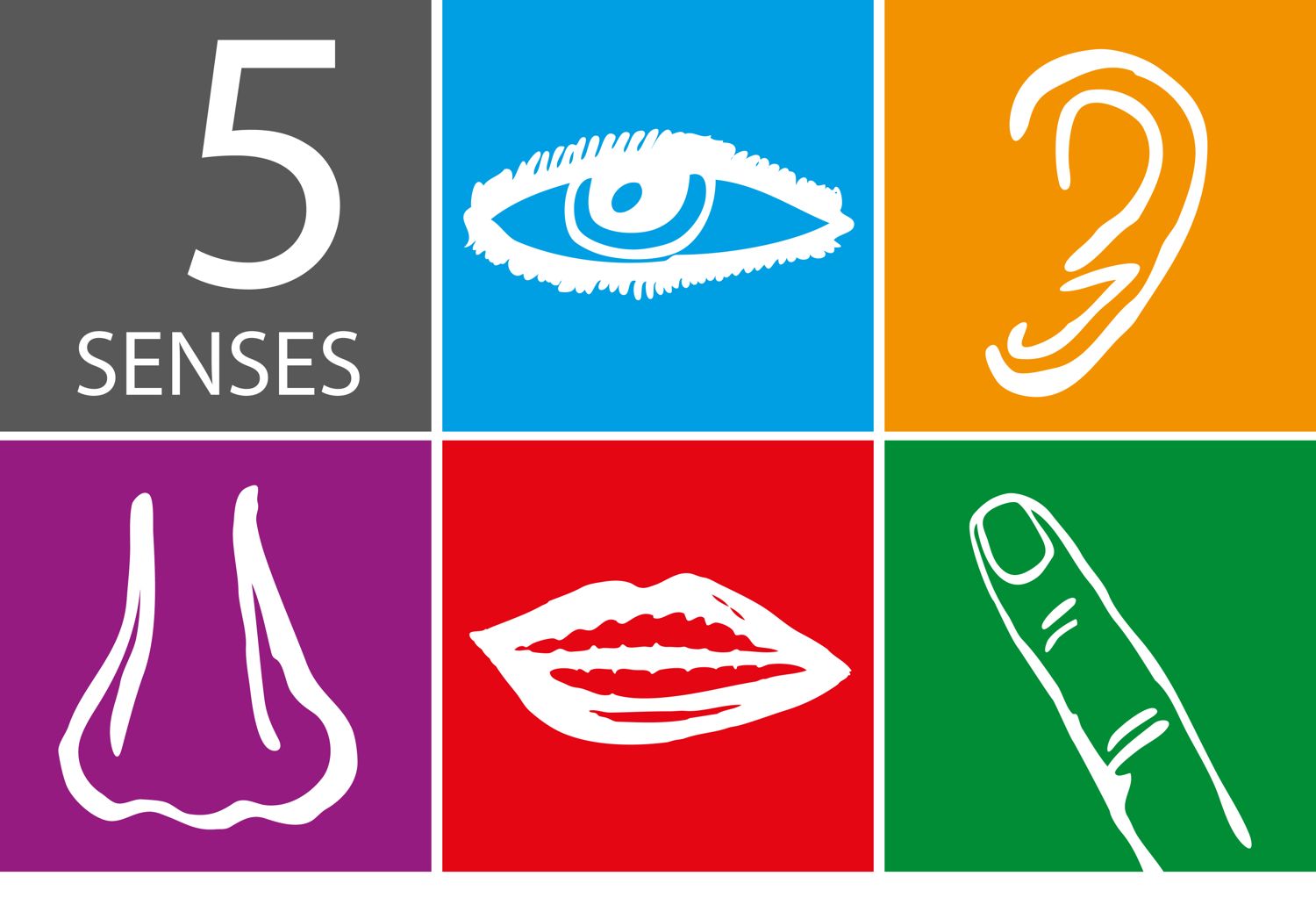
Which of the following senses are most closely related:
touch and smell
smell and taste
taste and hearing
hearing and smell

The nerves associated with smell are referred to as the:
olfactory receptor cells
smell cells
gustatory receptor cells
umami cells
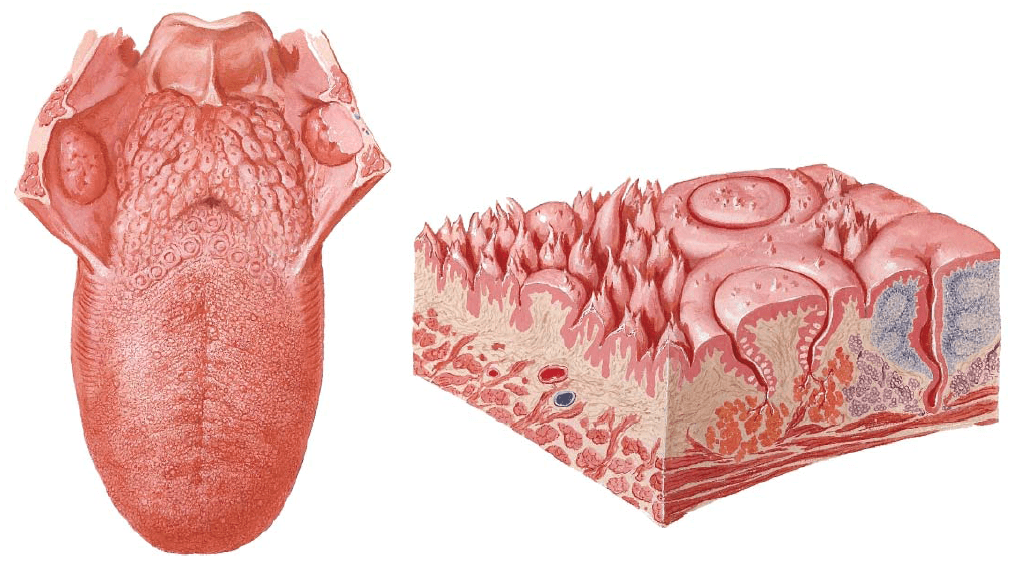
Small projections located on the tongue’s surface where taste buds are located are known as:
papillae
gustatory cells
olfactory epithelium
mucous producing glands
NOT a primary taste sensation
bitter
salty
sweet
peppery
Which listed can detect the largest variety of sensory inputs?
taste buds
olfactory receptors
cones
rods
lobe of brain responsible for smell
frontal
parietal
occipital
temporal
chemical sense of smell
ageusia
gustation
olfaction
anosmia
receptor of gustation; sweet, salty, sour, bitter, umami
cones
olfactory receptors
hair cells
taste buds

