
Font size
 Worksheets
Unit 9: Ecology and Human Impact
Total questions: 67
Worksheet time: 2hrs 34mins
The number of different plants and animal found within an area. The more varied an ecosystem is, the more stable the ecosystem.
Biodiversity
Homeostasis
Biotic
Biosphere
Organisms, known as producers, that synthesize their own food (glucose) by using the process of photosynthesis.
Autotroph
Heterotroph
Carnivore
Chloroplast
All of the living populations that are found and interact within an ecosystem.
Population
Species
Community
Ecosystem
The non-living factors that influence living organisms such as water, temperature, soil, and atmosphere.
Abiotic
Biotic
Biosphere
Non Renewable Resources
An organism that feeds exclusively on plant material, example – a deer.
Carnivore
Herbivore
Omnivore
Producer
The living organisms found within an ecosystem.
Abiotic
Biotic
Ecosystem
Biodiversity
Organisms that must take in preformed nutrients (organic compounds).These consumers may ingest, (Eat) absorb, or engulf their nutrients.
Autotroph
Heterotroph
Biotic
Carnivore
All living organisms of one species that live and interact within an ecosystem.
Population
Biosphere
Community
Ecosystem
A model that shows the flow of energy in an ecosystem from producers to consumers. As energy flows up this model, it decreases being lost as heat.
Food Web
Food Chain
Energy Pyramid
Line Graph
The most biodiverse and stable stage of ecological succession.
Pioneer Species
Climax Community
Shrubs and Grasses
Predator
Those resources that are unable to be replaced and, once used up,are gone. Fossil fuels are examples of this type of resource.
Renewable Resources
Non Renewable Resources
Sun Energy
Biotic
Organisms that feed exclusively on other animals,example - a fox.
Herbivore
Omnivore
Carnivore
Heterotroph
The interactions of living organisms and non-living factors within an area.
Ecosystem
Population
Biosphere
Climax Community
Which of these are fossil fuels? Select all fossil fuels listed.
steam
coal
gas
oil
What is an invasive species?
An organism that is new to an environment that has positive effects on the environment.
An organism that is native to an environment that has negative effects on the environment.
An organism that is new to an environment that has negative effects on the environment.
An organism that is native to an environment that has positive effects on the environment.
Which of these are fossil fuels? Select all fossil fuels listed.
steam
coal
gas
oil
an organism that gets energy from eating other things
consumer
producer
energy pyramid
decomposer
an organism that makes its own food
consumer
producer
herbivore
omnivore
shows one possible flow of energy
food web
food chain
energy pyramid
shows all possible flows of energy
food web
food chain
energy pyramid


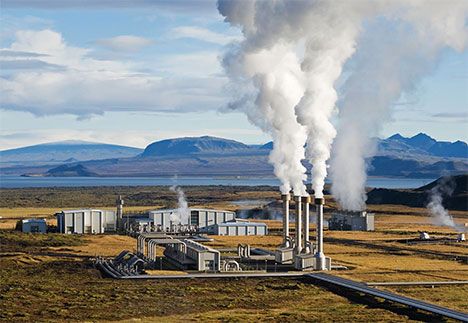
All of the following are considered renewable energy sources EXCEPT –
Wind
Coal
Biomass
Solar
Which type of energy produces Carbon Dioxide, which can be harmful to our planet and cause pollution?
Solar Energy
Wind Energy
Fossil Fuels (Coal, oil, and gas)
Nuclear Energy


If farmers use a controlled burn to prevent forest fires, what would most likely be the first plants to return?
trees
shrubs
mosses
grasses
Breaking News! A new island has formed off of Hawaii! What must occur for it to become an ecosystem?
Secondary Succession
Aquatic succession
Primary Succession
Ferns must grow
Primary succession occurs in areas with:
very little soil
lots of soil
no soil
soil that has been disturbed
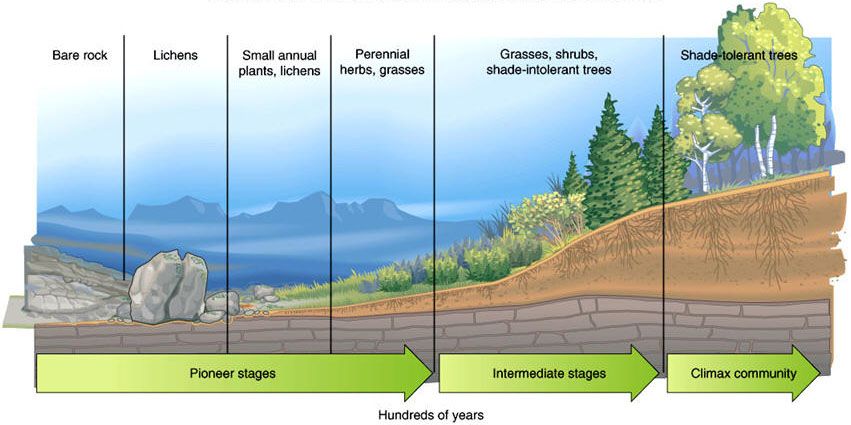
The picture shows what type of succession?
primary
secondary
tertiary
quadanary
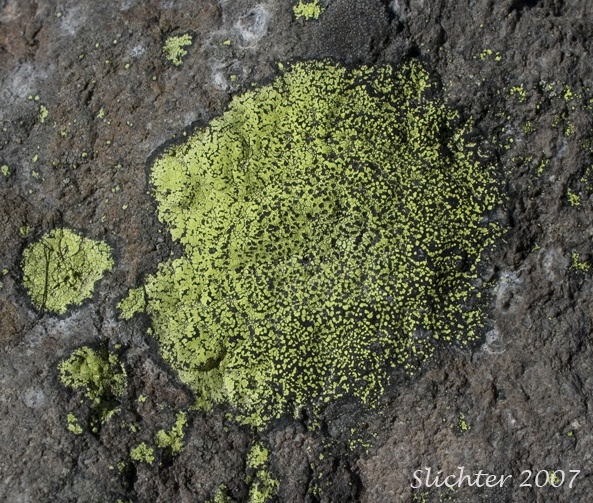
After a volcanic eruption, lava covers the land. What is the order that plants grow to repopulate the area?
Lichens → Shrubs → Grasses → Trees
Lichens → tree → shrubs→Grasses
Grasses → Lichens → Shrubs → Trees
Lichens → Grasses → Shrubs → Trees

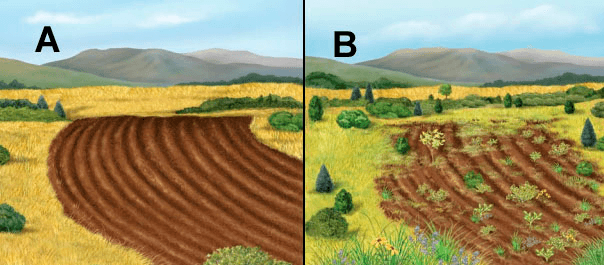

Why does biodiversity increase during the course of succession?
Biodiversity refers to the difference in ages of organisms, so some organisms arrive earlier than others.
Over time, the same trees begin to reproduce and take over an area.
Many populations of organisms gradually begin to occupy the same area to create a climax community.
Many organisms move in to the area for a short amount of time, then leave to find a better habitat.
Humans often build asphalt or concrete roads to travel through areas, such as forests. After many years, plants can be seen growing on the roads. What kind of succession is this?
Primary Succession
Secondary Succession
Tertiary Succession
Quaternary Succession
What is the main difference between primary and secondary ecological succession?
Primary begins WITHOUT soil; Secondary begins WITH soil
Primary is the first state and secondary is the second stage
Primary builds plant community; secondary builds animal community
Primary begins WITH soil; Secondary begins WITHOUT soil
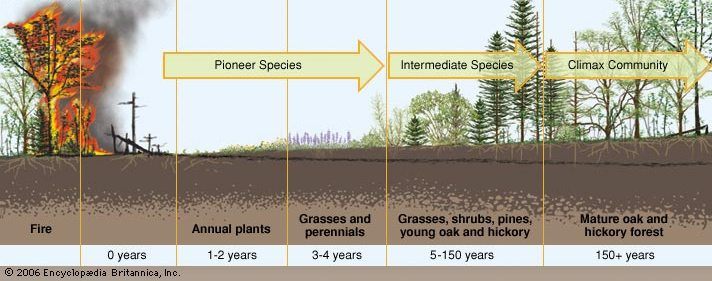
The picture displays which type of succession?
primary
secondary
tertiary
all of the above
The final stage of ecological succession can typically be observed when evidence of a _____________________ is present.
Mature Tree Growth
Climax Community
Pioneer Community
housing community
All of the organisms of one species living in the same area.
Individual
Population
Community
Ecosystem
"Five green and speckled frogs, sitting on a speckled log, eat some most delicious bugs."
Which level of organization is this?
Individual
Population
Community
Ecosystem
Which of the following is an abiotic factor?
Grass
Spider
Turtle
Rock

What type of growth is demonstrated in the graph?
Exponential
Carrying capacity
Linear
Negative
Leveling off of the population after the maximum number the environment can support has been reached.
Exponential
Carrying capacity
Linear
Negative
Which of the following would likely be a limiting factor to a population?
Abundance of food
Living near a water source
Presence of a natural predator
Multiple sources for shelter
When rabbits were introduced to Australia, they began to breed exponentially. However, over time their population has begun to decrease due to a limiting factor.
What is most likely the limiting factor in this situation?
Abundant space to breed and live
No available predator in the area
Rabbits choosing not to mate to conserve space
Lack of available food
Which of the following demonstrates population growth when there is limited available water in an area?


Habitat availability increases for a population. How would the carrying capacity of the prey change?
The carrying capacity would increase as more resources become available.
Carrying capacity occurs independent of factors in the environment.
The carrying capacity would decrease as more resources became available.
The carrying capacity is set in an environment and cannot change.

When Yellowstone National Park was created in the late 1800s, wolves were on the decline. The last wolves in Yellowstone were killed in 1926, but in the 1800s, there were between 100-160 wolves in the park. In 1995, gray wolves were reintroduced to the park.
Which graph (drawn in red) below shows a prediction of how the population would change if there was less water available in the ecosystem?


There would be no change to carrying capacity.


What are the 3 fossil fuels?
coal, oil, uranium
coal, hydroelectric, oil
natural gas, oil, coal

What are DISADVANTAGES of Wind Energy?
Creates pollution and destroys rivers
Cannot be easily installed onto house, and does not work all the time
Wind mills can harm flying animals nearby and some find them not attractive to a landscape
Wind energy can create too much energy and create power surges

Which are ADVANTAGES of Biomass?
Does not create pollution and can be used all of the time.
Relatively cheap and can be replaced within a lifetime
We will never run out of these resources
The Earth can make more of these resources within 100 years

