
 Worksheets
Earth Science CP3
Total questions: 54
Worksheet time: 50mins
Which of the following were evidence that the Earth's continents were once in vastly different locations than they are today? (select all that apply).
matching rock type
matching fossil types
the puzzle like fit of the continents

Oceanic Trenches are formed by either _______ or _______ plate boundaries
Convergent Oceanic / Continental
Convergent Continental / Continental
Convergent Oceanic / Oceanic
Divergent
Divergent boundary
where two plates are moving away from each other
may result in seafloor spreading

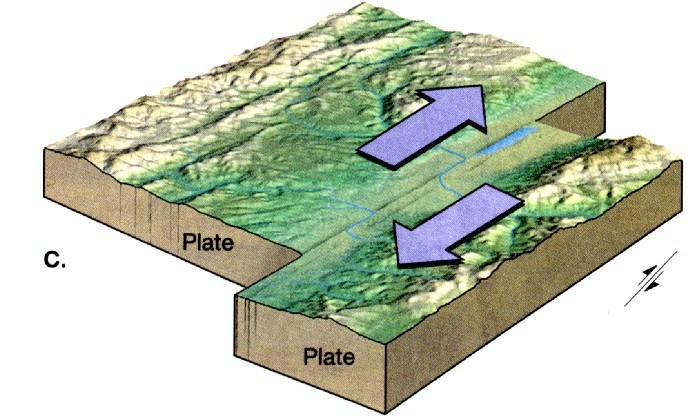
where two plates slide past each other
Around 200 – 250 million years ago (a) started to break into separate plates.

The illustration below shows some of Earth’s tectonic plates. The arrows indicate the directions in which some of these plates are moving. According to this map, where can you infer that mountains are being formed?
A.between the Scotia Plate and the Pacific Plate
between the Cocos Plate and the Caribbean Plate
between the South American Plate and the African Plate
between the North America Plate and the Antarctic Plate

The type of plate boundary where two plates come together is a (a) .
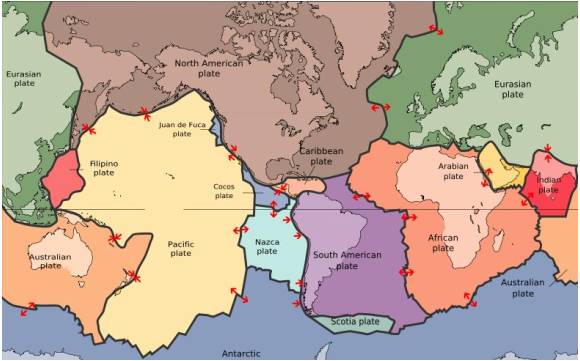
The map in the picture shows tectonic plate boundaries. This map would be useful in predicting the location of future (a) .
The spread of molten rock comes up from through cracks and creates new oceanic crust
Divergent Boundary
Convergent Boundary
Transform Boundary
None
At a transform boundary the plates (a) .

Most geologists think that the movement of Earth’s plates is caused by (a)
The geological theory of _______ states that pieces of Earth’s lithosphere are in constant, slow motion.
subduction
plate tectonics
deep-ocean trenches
sea-floor spreading
Scientists think that convection currents flow in Earth’s
continents.
mantle.
lithosphere.
inner core.
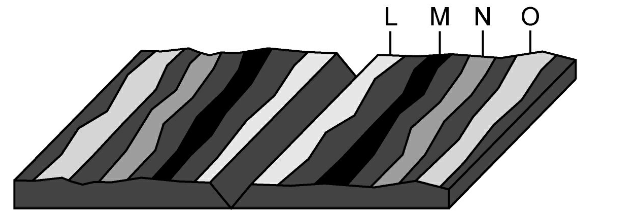
It is possible for new crust to be formed without increasing the surface area of the Earth because (a) at the same time it is created.
Mountains form when _____.
continental plates sliding past one another
continental plates collide and experience uplift
continental plates moving away from each other

This resource is formed by tiny animals that died in the ocean millions of years ago. Layers of mud pressed down on the dead animals. The mud eventually turned to rock. This rock put a lot of heat & pressure on the dead animals.
Iron
Coal
Oil
Renewable resources

This resource comes from plants that died millions of years ago. Thick layers of rock and soil covered the dead plants. The pressure of the rocks and soil turned the plants into a solid.
Oil
Coal
Copper
Iron

Water in the ground is stored in______.
Underground lakes
Man-made tanks
Underground rivers
Spaces between rock particles

Where would you expect the next island in this chain to form?
to the left of A
between D and E
to the right of E
between A and B
Which island is the oldest?
A
B
C
D
E
Hotspots form because...
magma is pushed to the surface at a plate boundary.
a mantle plume weakens Earth's crust.
water is pushed up to Earth's surface
a mantle plume strengthens Earth's crust.
Hotspots are volcanoes that form...
at convergent plate boundaries.
at divergent plate boundaries.
at transform plate boundaries.
in the middle of a tectonic plate.
What is the process by which rock is broken into fragments called sediments?
Deposition
Erosion
Weathering
Igneous Rock
Rock that forms when pressure and heat change existing rock.
Igneous Rock
Sedimentary Rock
Metamorphic Rock
Rock Cycle
The process by which igneous rocks are formed...
heat and pressure
melting and cooling and crystallizing
compaction and cementation
weathering and erosion
This process takes sediments and changes them to sedimentary rock.
weathering and erosion
compacting and cementing
heat and pressure
melting
What is the energy source for igneous rocks to form?
Earth's hot interior
the sun
gravity
magnetism
How would an igneous rock become sedimentary?
weathering, erosion, deposition then compacting and cementing
melting then cooling and crystallizing
heat and pressure
melting then weathering and erosion
Where do metamorphic rocks form?
underwater
near volcanoes
deep underground
in the air
Where do igneous rocks form?
underwater
deep underground
in the air
near volcanoes
Where do sedimentary rocks form?
underwater
deep underground
near volcanoes
in the air

Which type of rock is made from magma cooling inside Earth?
EXTRUSIVE igneous
INTRUSIVE igneous
metamorphic
sedimentary

Each rock type can follow only (a) pathway of the rock cycle.
What causes convection current in the Earth?
The uneven heating & resulting density of each layer inside the Earth.
The crusts outer layer.
The temperatures we feel outside.
In convection, COOL air (a)

In which layer of the earth does convection occur? Choose the answer that is MOST CORRECT!
Crust
Lithosphere
Mantle
Asthenosphere
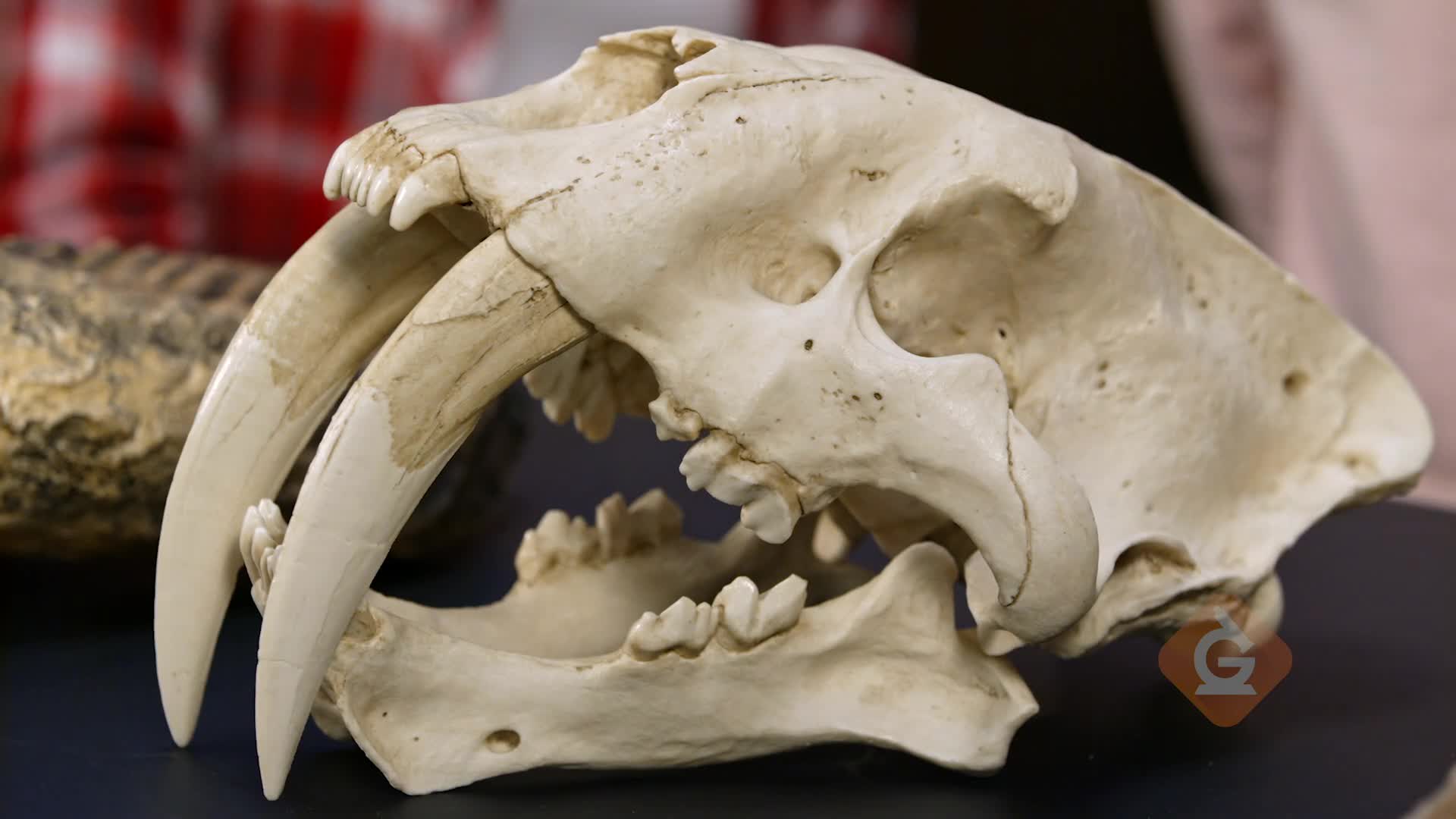
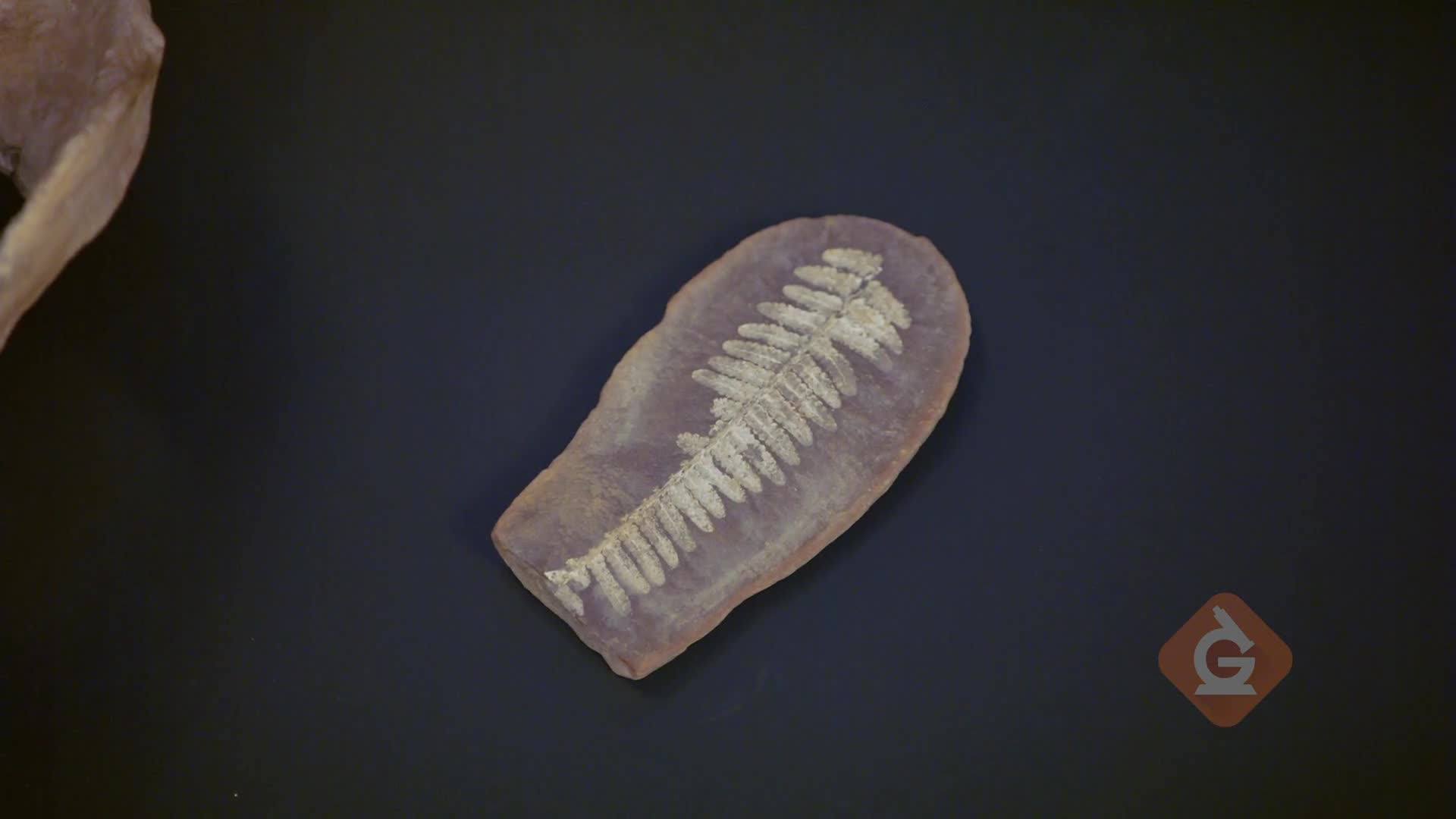
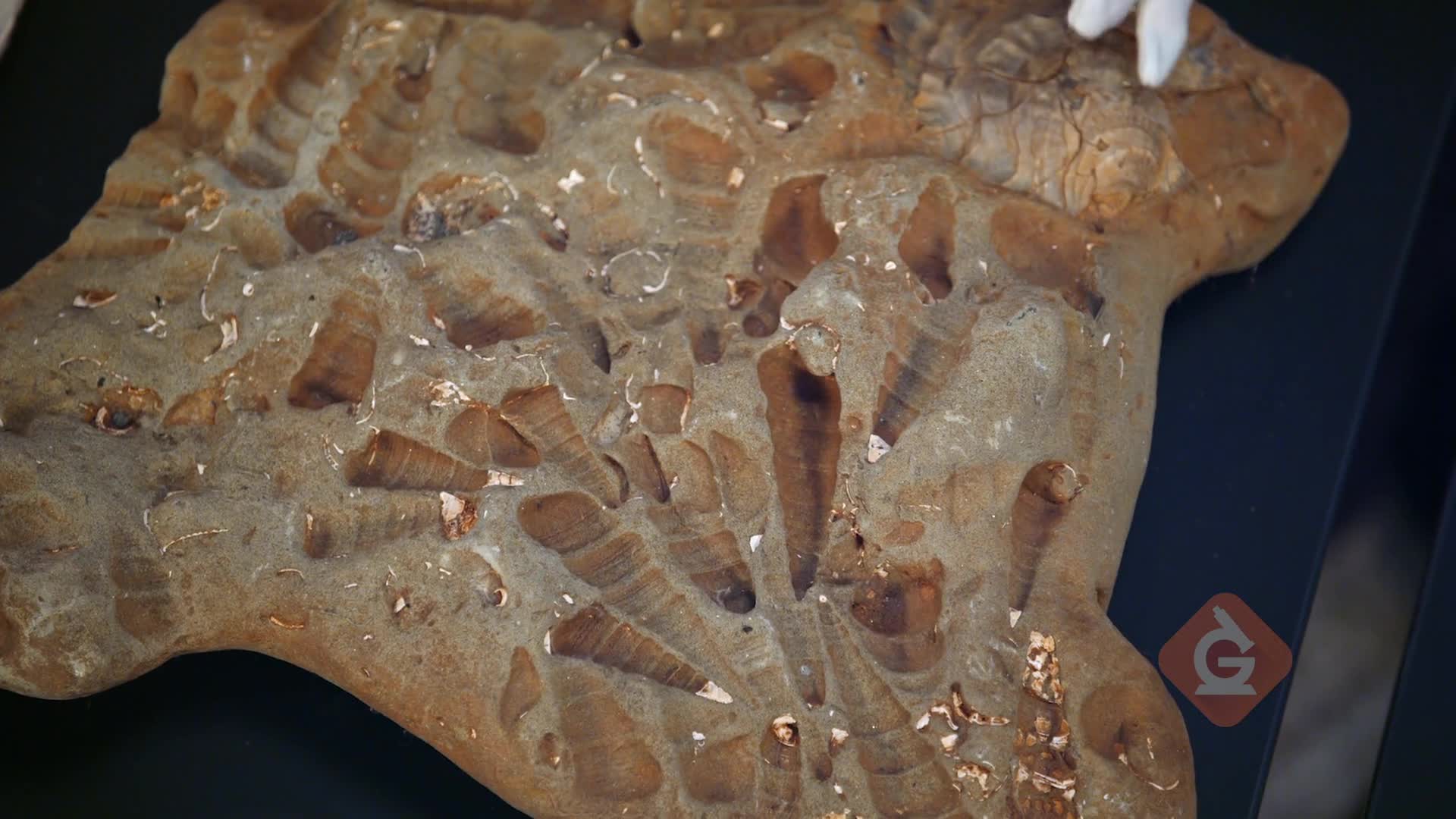
(a) fossils are spaces in rock created by decayed and/or dissolved animal and plant remains.
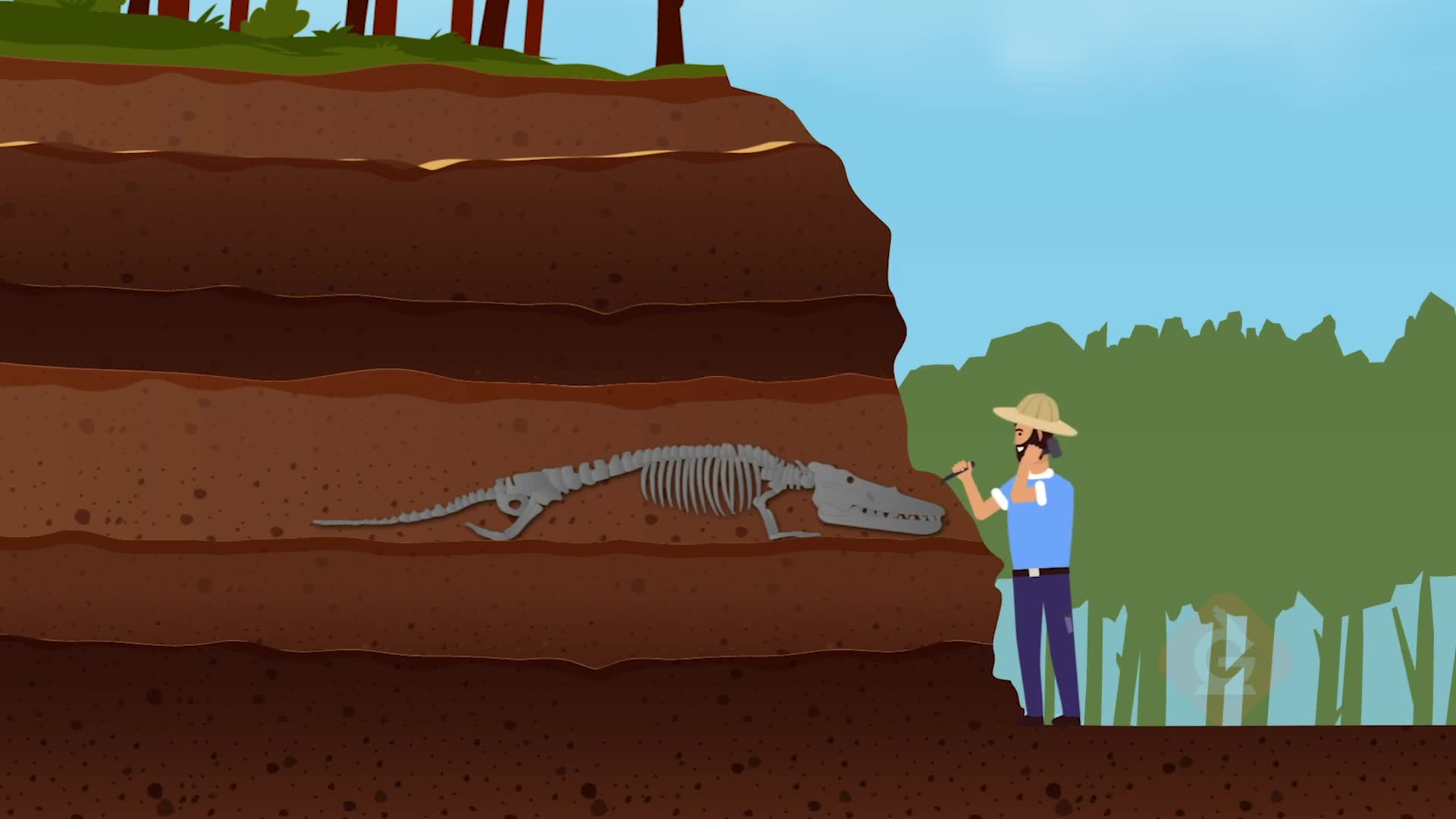

Chose the graph which accurately depicts how many layers each fossil is found in.


The Law of Superposition helps scientists to determine what?
The absolute age of rock layers
The age of fossils
The relative age of rock layers
the super powers of squirrels


What is the relative age of a rock?
The age determined by the things around it.
The age of an igneous rock.
The age determined by radioactive dating.
The time it takes for 1/2 of the radioactive atoms to decay in an element.

The order of the rock layers accurately from youngest to oldest is (a) .


(a) is determining the exact age, in years, of a rock or fossil through radiometric dating.
The organism that became index fossils were found in very large quantities, meaning these organisms were (a) at one time.

