
 Worksheets
Revision Quiz 2
Total questions: 80
Worksheet time: 3600secs
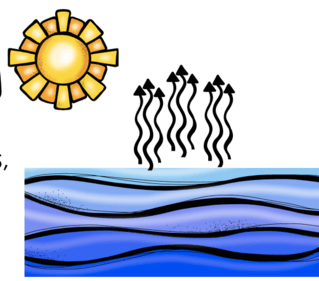


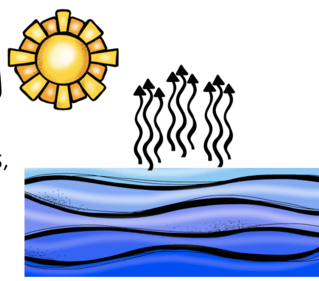


The gas , whose amount varies with weather changes, is ____________
Helium
Nitrogen
Water vapour
Oxygen
Air is a _______________
Mixture
Compound
Element
None of these
Additional or extra increase in the average temperature of earth is called _______
Acid rain
Global warming
Photosynthesis
None of these
The gas which get reduced, through the process of photosynthesis, is _______
Sulphur oxide
Nitrogen oxide
Ozone
Carbon dioxide
Which gas layer in the air protects the animals and plants from the harmful effects of ultraviolet rays present in sunlight .
Carbon dioxide
Sulphur oxide
Ozone
Helium
The gas, which is present the most in air, is_______
Oxygen
Nitrogen
Carbon dioxide
Water vapour
Plants need ________ gas for breathing
Carbon dioxide
Oxygen
Sulphur
Nitrogen
A- Hydrogen is required for burning.
B- Aquatic organisms breathe oxygen dissolved in water.
A- is correct , B- is false
A- is false, B- is true
Both A & B are true
Both A & B are false
Air in motion is called_________________
wind
nitrogen
air pollution
none
Which statement is true?
Air has weight
Air takes space
Air helps in burning
All of the above
When a burning candle is covered with the glass, it extinguishes . Why?
because of absence of oxygen
because of presence of oxygen
because of presence of carbon dioxide
Wet hair get dry in Sun because___________
water turns into steam and goes in the sun
steam turns into water
steam turns into ice
water turns into steam and goes in the air
Which of the statement is true?
Warm air is lighter than cold air
cold air is lighter than warm air
both are of same density
none
We breathe in______________
carbon dioxide
ammonia
argon
oxygen
Which statement is incorrect?
carbon dioxide has more affinity for haemoglobin than oxygen
sulphur dioxide causes breathing trouble.
Acid rain is a result of air pollution
Air Pollution is good for living beings
Which of the following gas helps in burning?
nitrogen
oxygen
carbon dioxide
carbon monoxide
Air is present in ________________
atmosphere
soil
water of ponds, lakes and oceans
everywhere
Air is ___________________
a pure substance
a mixture
an element
anything, that depends on the place where it is found
Wind does not help in the movement of which of the following?
firki
wind mill
ceiling fan
sailing yacht
Mountaineers carry oxygen cylinders with them because
there is no oxygen on high altitude
there is deficiency of oxygen on mountains at high altitude
oxygen is used for cooking
oxygen keeps them warm at low temperature
What are the advantages of vermicomposting ?
It can be used to recycle certain waste products.
The remaining compost can be used as fertilizers.
You can save the environment by creating less waste
All of the above
What can be used as an alternative to plastic bags
Paper Bags
Glass bags
Cloth Bags
We shouldn't use bags at all.
Why can't we make a compost out of plastic ?
Because plastic is biodegradable
Because it bad for the soil.
Because it catches fire.
Because plastic is non biodegradable
Tick off all the reasons you think that plastic is dangerous.
Plastic is non biodegradable
Because it atracts mosquitoes.
Because we may die if we hold plastic in our hands.
Because there are animals that have eaten plastic by accident and that have choked to death.
When burned, it produces harmful smoke and gases
What is the correct definition of "Reuse" ?
Reducing the consumption of certain materials.
Using certain materials over and over until they are worn out.
Saying no to things which are not ecofriendly
sending materials like paper and plastic for recycling
What is the correct definition of "Reduce" ?
Using certain materials over and over until they are worn out.
Reducing the consumption of certain materials.
Making something new out of an old material.
What kind of wastes are filled in a compost pit ?
Non-biodegradable
Biodegradable
What are solid wastes commonly called?
Garbage
Sewage

What are the 3 r's
Reduce, Reuse and Recycle
Reduce, Refuse, Reuse
Reduce, Refuse, recycle
Reduce, Reuse, rotate
What is a landfill ??
places where the garbages are taken to a low lying open area
places where people go on a vacation for tourism.
it is a place which is filled with a lot of drought
Which type of wastes decompose completely when buried in soil??
Plant wastes
plastic wastes
animal wastes
metal wastes
Out of these, which one is a non-biodegradable waste?
Paper
Faecal matter
Aluminum foil
Cotton
Which among the following will not pollute the soil?
Aluminium foil
Plastic
Thermo Col
Bread
Which of the following is a non-biodegradable waste?
Plastics
Paper
Fruit peels
dry leaves
Give an example of physical change
kicking a football
burning a paper
growth of animals and plants
cooking
What is a reversible change?
a change that cannot be reversed
a change that can be reversed
I don't know
a change where a new substance is formed
Melting of a popsicle is a reversible change
true
false
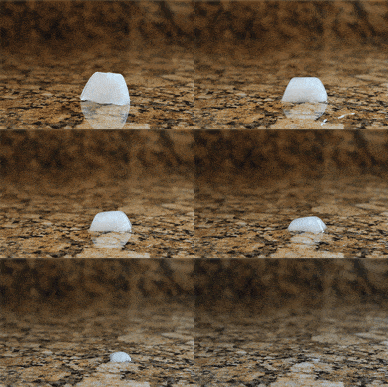
The ice cube melted.
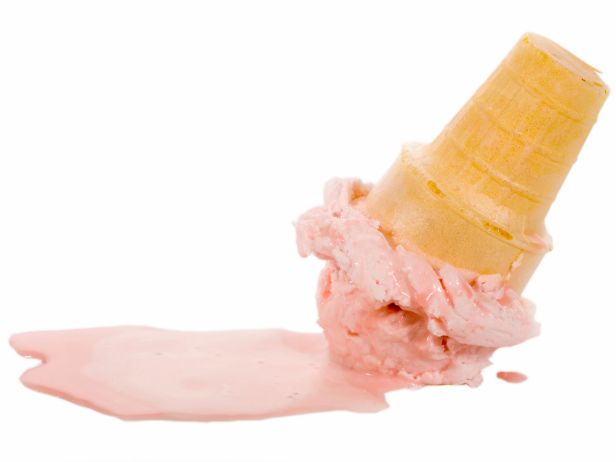
The picture shows an example of a ______________ change.
reversible
freezing
irreversible
all of the above
One cup of water is left outside for two days when it was checked there was only half a cup left. What happened?
sublimation
condensation
evaporation
distillation
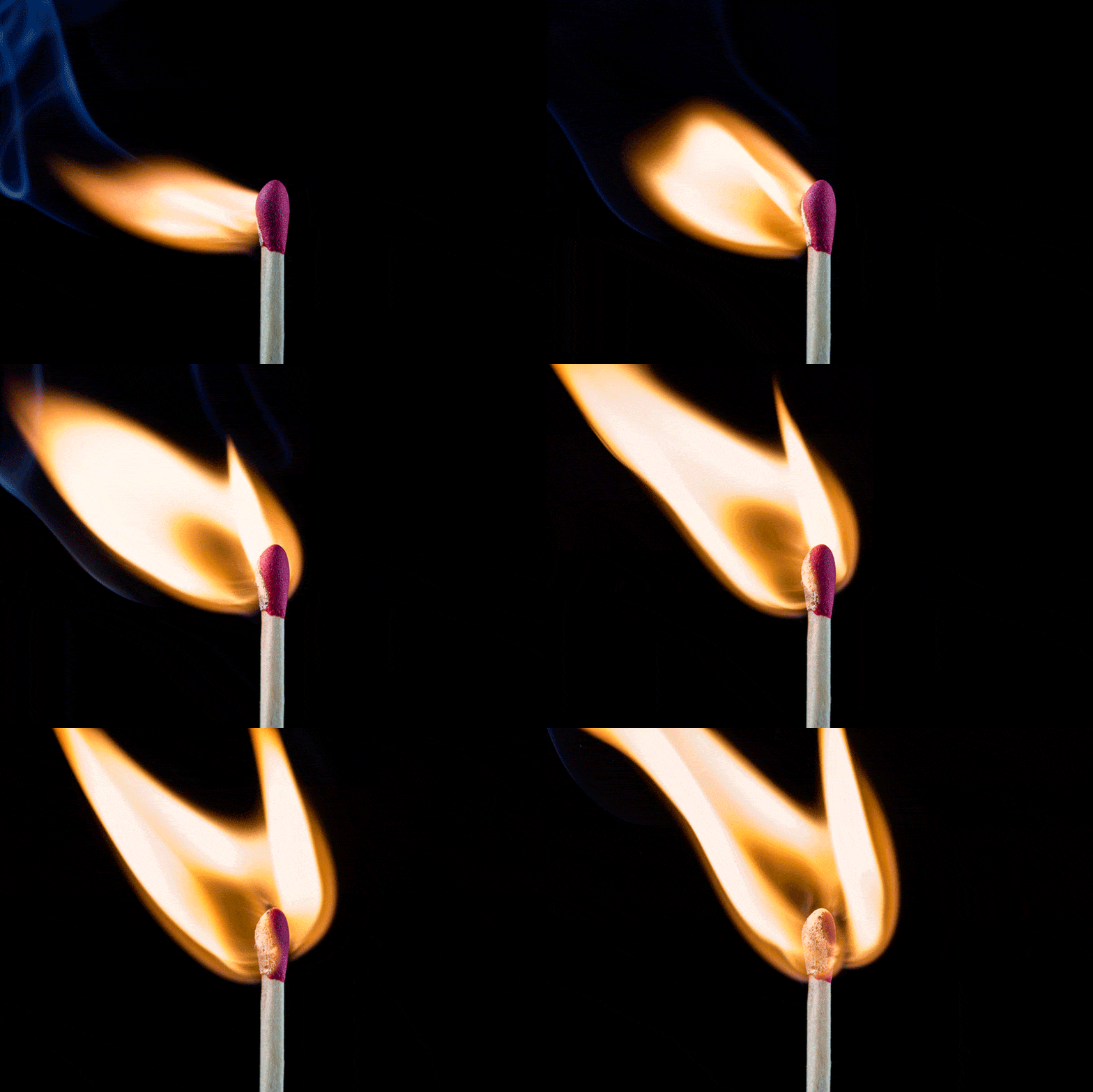
Reversible Change
Irreversible Change
Both options are correct
None of the above
A teacher wants to show clear difference between reversible and irreversible changes, which one of the following will be suitable for the same
boiling of milk and freezing it
Boiling milk and making paneer
melting ice and freezing it
Folding of paper is a ____________ change while burning it is a _____________ change.
reversible , reversible
reversible, irreversible
irreversible, reversible
PHYSICAL CHANGE
IRRIVERSIBLE CHANGE
NO CHANGE
CHEMICAL CHANGE
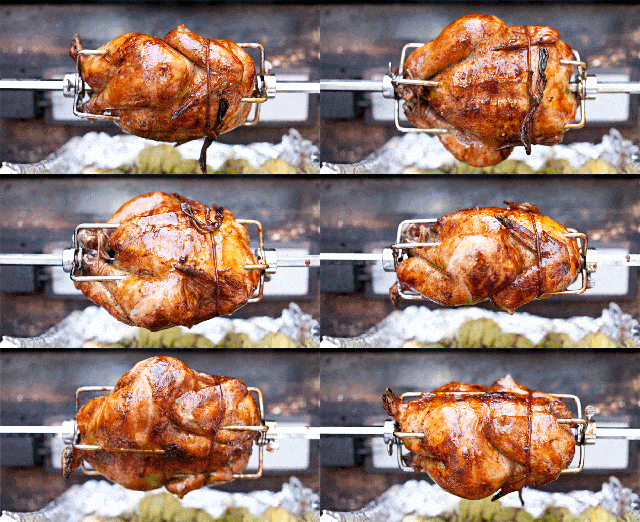
Grilling of food is a ________ type of change
PHYSICAL CHANGE
CHEMICAL CHANGE
REVERSIBLE CHANGE
NO CHANGE
Setting of curd from milk is __________________ change
slow, chemical and irreversible
fast, physical and reversible
slow, physical and reversible
slow, physical and reversible
A seed grows to form a seedling and further a plant, this is a ________________ change
Fast
Slow
Temporary
Reversible

A child was learning origami by folding paper, this involves __________ change
Chemical
Irreversible
Physical
No change

Is an ant, living or nonliving?
living
non living
I am not sure.

Do you think chalk is a living thing or non living thing?
living thing
non living thing
I am not sure.

Birds lay eggs in a nest. Are they living or non living thing?
Living
Non-living
I am not sure.

I like to wear hats. Are hats living or non living?
I am not sure.
Living
Non living

I found a ladybug on the grass. Is it a living thing or non living?
I do not know.
Living
Non living

I like to look out the window. Is a window a living thing or non living thing?
I am not sure.
Living
Non living

Bees are insects that belong to the group of:
BIOTIC
ABIOTIC

The Sun is the source of all energy within an ecosystem. Plants depend on light from the sun in order to perform the process of photosynthesis. Sunlight is an example of what type of factor?
BIOTIC
ABIOTIC

Air is a mixture of colorless gases. Air is an example of which type of factor?
BIOTIC
ABIOTIC

