
 Worksheets
GENERAL ZOOLOGY PT 3
Total questions: 60
Worksheet time: 2hrs 42mins
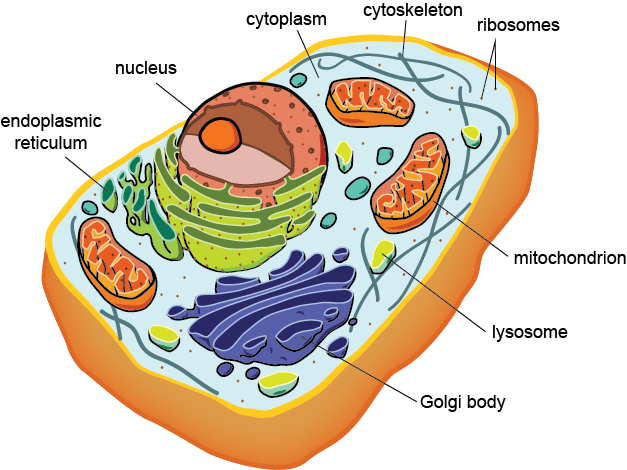
What is the jelly-like substance that keeps the organelles floating?
Cell Membrane
Nucleus
ER
Cytoplasm
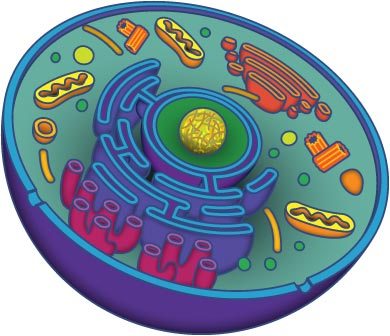
Plants and animal cells have...
Mitochondria and chloroplasts
Nucleus and chloroplast
Cell wall and chloroplast
Mitchochodria and cytoplasm
Which organelle is the command center for eukaryotic (plant and animal) cells?
Cell wall
Nucleus
Mitochondria
Lysosome
what is the function of a lysosome?
To create energy for the cell
To command the cell what to do
To remove waste using digestive enzymes from the cell
To protect the cell
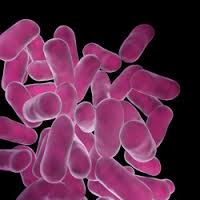
Which of the following are prokaryotic cells?
Plant
Animal
Bacteria
Plant and Animal
What is the difference between a prokaryotic cell and a eukaryotic cell?
Prokaryotes do not have a nucleus or organelles, but a eukaryotic cell does
Eukaryotic cells do not have a nucleus or organelles, but prokaryotes do
Which of the following is a eukaryotic cell?
Bacteria
Plant
Plant and animal
Animal

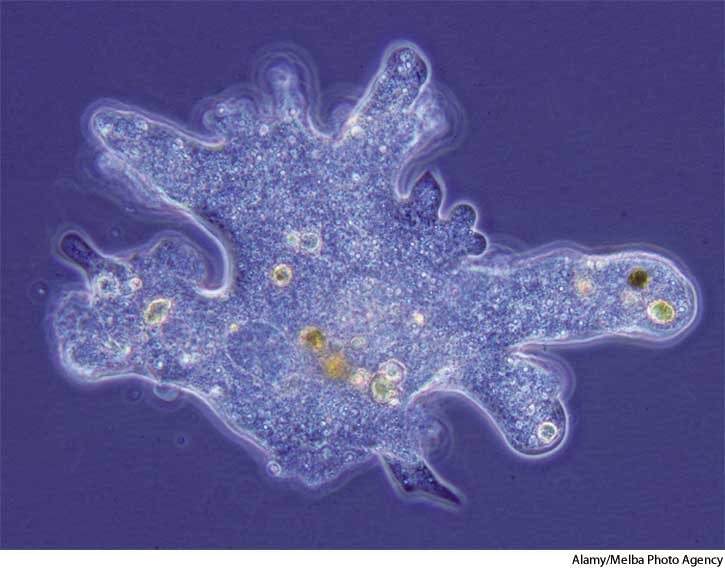
How can you tell that this is a prokaryote or eukaryote cell?
It is a prokaryote because it doesn't have a nucleus
It is a eukaryotic cell because it has a cell wall and a nucleus
It is eukaryotic because it does not a nucleus nor a cell membrane
It is prokaryote because it has a cell wall
What is the purpose of the nucleus?
It is the command center, contains DNA, and cell division
It protects the cell
It stores energy for the cell
It gets rid of waste in the cell
What is the difference between mitochondria and chloroplast?
Mitochondria produces energy and chloroplasts breaks down energy
There is no difference. They are the same.
Mitochondria breaks down energy from food and chloroplasts produce energy from sunlight.
Mitochondria contains DNA and chloroplasts are green
The outermost layer of a plant cell and animal cell is...
Plant cell - cell membrane, animal cell - cell wall
Plant cell - cell wall; animal cell - cell membrane
Plant and animal cell - cell wall
Plant and animal cell - cell membrane
"Post office" of the cell that packages proteins and fats:
ER
Golgi Body
Nucleus
Cytoplasm
"Envelopes" of the cell, used for transporting material:
ER
Golgi Body
Mitochondria
Chloroplast
What does a plant cell have that an animal cell doesn't have?
Cell Membrane and Cell Wall
Cell Wall and Mitochondria
Cell Wall and Nucleus
Cell Wall and Chloroplast
Which organelle holds the cell together? (found in both an animal and plant cell)
Cell Wall
Nucleus
Cell Membrane
Ribosome
What are the "protein-makers" of a cell?
Ribosomes
Mitochondria
ER
Golgi Body
Which of the following are prokaryotic cells?
Plant
Animal
Bacteria
Plant and Animal
Which of the following is a eukaryotic cell?
Bacteria
Plant
Plant and animal
Animal
What is the purpose of the nucleus?
It is the command center, contains DNA, and cell division
It protects the cell
It stores energy for the cell
It gets rid of waste in the cell
What is the difference between mitochondria and chloroplast?
Mitochondria produces energy and chloroplasts breaks down energy
There is no difference. They are the same.
Mitochondria breaks down energy from food and chloroplasts produce energy from sunlight.
Mitochondria contains DNA and chloroplasts are green
The outermost layer of a plant cell and animal cell is...
Plant cell - cell membrane, animal cell - cell wall
Plant cell - cell wall; animal cell - cell membrane
Plant and animal cell - cell wall
Plant and animal cell - cell membrane


What is NOT a part of cell theory:
all cells come from existing cells
all cells have a nucleus
all living things are made of cells
cells are basic unit of structure and function in living things




Which of the following consists of a single layer of cells covering the surface of our body or several layers lining body cavities and organs?
Connective Tissues
Epithelial Tissues
Muscle Tissues
Nervous Tissues
What is a type of epithelial tissue which may just look stacked because of varying height and functions as a lining of respiratory tract?
Psuedostratified columnar
Simple squamous
Stratified cuboidal
Simple columnar
Which of the following animal tissues is consisted of relatively few cells and its function is to connect different body parts together?
Muscle tissues
Epithelial tissues
Connective tissues
Nervous tissues
In what part of your body you can mostly find the stratified squamous tissues?
Intestines
Kidneys
Lungs
Skin
Adipose tissue is an example of what type of connective tissue?
Fibrous connective tissue
Loose connective tissue
Cartilage
Blood tissue

What type of epithelial tissue is shown on the picture?
Pseudostratified columnar
Simple columnar
Stratified squamous
Simple cuboidal
Which of the following connective tissues supports the soft tissues and reduces friction at joints?
Cartilage
Muscle tissue
Bone tissue
Fibrous connective tissue
Which of the following functions of blood in the body DOES NOT BELONG?
Transport substance
Body defenses
Homeostasis
Collecting CO2 to distribute to the body
These are undifferentiated or rapidly dividing tissues.
Meristematic tissues
Permanent tissues
Both
This is the meristem that increases the diameter of the stem.
Apical
intercalary
lateral
This is a primary meristem in vascular plants that gives rise to epidermis
Procambium
Ground meristem
Protoderm
intercalary
How many types of epithelial tissues are there?
3
4
8
6
What tissues out of these are fluid connective tissues?
blood
neuron
lymph
cartilage
Which of the following is not an animal tissue?
Epithelial tissue
Connective tissue
Parenchymal tissue
Muscular tissue

Which tissue is this?
Phloem
Xylem
Parenchyma
Sclerenchyma
What are the types of simple permanent tissues
Parenchyma
Sclerenchyma
Correnchyma
Xylem
Phloem


What tissue is this?
Muscle
Epithelial
Nervous
Connective

