
Font size
 Worksheets
03.16_Test (Fossils, Adaptations, Mutations)
Total questions: 50
Worksheet time: 36mins
What causes mutations?
Passed from one organism to another through the air
Mistakes in replication or environmental substances
Amino Acids
It's how you're born
What type of mutation involves adding or deleting bases from the DNA, which results in new codons (by causing a shift in the reading of codons)?
Substitution mutation
Frameshift mutation
Point mutation
Silent mutation
Three nucleotides in a row of DNA or mRNA are called a ___.
codon
ribosome
nucleic acid
protein
Which of the following terms describes a change in the DNA sequence?
replication
translation
mutation
transcription
When species do not have the traits necessary to survive, what can happen to them?
fossils
extinction
evolution
adaptation
When scientists bring back species that have gone extinct, what is it called?
de-extinction
assisted reproduction
restoring biodiversity
recovery
What is the purpose of an evolutionary tree?
to show how different trees are related to each other
to show how beneficial mutations make species go extinct
to explore the origin of life on Earth
To show where all of the fossils were discovered
In binomial nomenclature, which language is used?
english
latin
mandolorian
egyptian
What tool evolved over time for the finches?
screwdrivers
beaks
wrenches
claws
Which of these is NOT an example of limiting factors?
predation
space
food
migration
Which of the following describes differential reproductive success?
variation of a species surviving by chance
variation of a species surviving by echibiting the best adaptations
variation of a species surviving by producing the most offspring
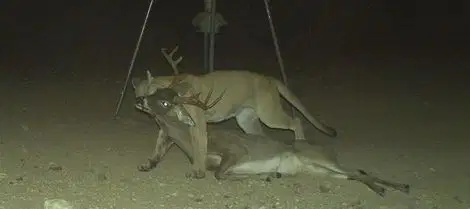
If the population of deer increases, then the population of mountain lions will ____.
increase
decrease
remain constant
Opossums play dead to trick their predators. What type of adaptation is this?
Physical
Behavioral
Structural
Migration
Why would a rabbit’s fur be brown in the summer and white in the winter?
The rabbit likes to change its fur color
The rabbit learned to do this from its parents
The change of fur color helps camouflage it
So that predators can find it easier
A bat wing and a butterfly wing are both used for flying, but they are made differently. What type of structure is this?
Homologous structure
Analogous structure
Vestigial structure
Fossilized structure
A human arm and a porpoise fin have similar bone structure, showing relatedness, but they serve different purposes. What type of structures are these?
homologous structure
analogous structure
vestigial structure
fossilized structure
What are the scientists that study fossils called?
geologists
paleontologists
biologists
chemists
A fossilized footprint would be classified as which type of fossil?
trace
mold
cast
index
The age of a rock layer compared to the ages of the surrounding rock layers.
relative age
absolute age
comparative age
index fossil
(a) was a naturist, who studied (b) on the Galapogos island.
(a) selection is when humans choose traits of an organism like breeding dogs
vestigial structures, like the tail bone, are
No longer used
Serve an important role in our body
allow us to connect with animals
serve multi-purposes
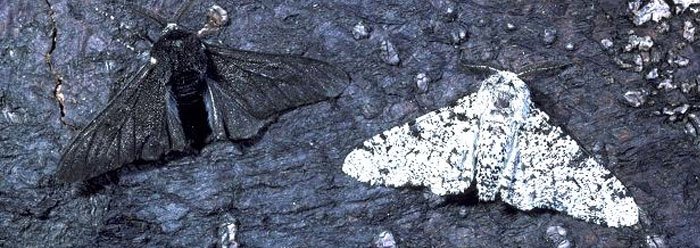
Always helpful
Always harmful
Can be helpful, harmful, or neutral
Always neutral


Whales are aquatic mammals that contain a pelvis (hip) bone. Even though it does not aid in its movement, the function must have been used by a common ancestor of the whale. Thus, the pelvis is referred to as a(n)
vestigial structure
analogous structure
homologous structure

What type of evidence is shown with the diagram above?
Molecular
Anatomical
Embryological
Fossil
Mutations are always bad
true
false
Which of the following is an example of a beneficial mutation?
When an organism's lifespan becomes shorter.
When an organism becomes unable to reproduce.
When an organism's body becomes deformed.
When an organism develops immunity to a disease.
A parent that has a mutation to their skin cells can pass this mutation to their offspring
True
False
Original: ATC CAT
Mutation: ATC GCAT
What mutation occurred?
deletion
insertion
silent
transverse
What is a type of Mutation?
Deletions
Insertions
Substitutions
All of the Above
True or false, mutations create genetic diversity?
True
False

Phe
Tyr
Leu
In DNA, adenine base pairs (bonds with) ______________.
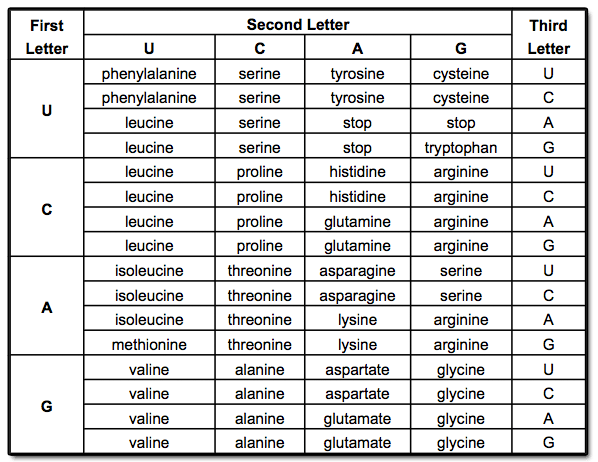
What is the correct amino acid sequence for the mRNA code AUGCCAGUA
A characteristic or trait that helps an organism survive in its environment is a/an (a)

An inherited trait that helps those organisms that have it to survive
niche
structure
characteristic
adaptation

Which of the following is an inherited trait?
swimming
eye color
skateboarding
callused fingers
Summarize the Law of Superposition
The youngest rocks are located at the bottom of the rock layers
The oldest rocks are located at the bottom of the rock layers
The ages of the rocks are mixed between the layers of the rock
The ages of all the rocks are the same throughout all the layers

