wayground logo

Free Printable Worksheets

NEW

Font size

S
M
L
XL
Worksheets

Environmental Unit 2

Total questions: 41

Worksheet time: 37mins

Name
Class
Date
1.

Humans burn fossil fuels and wood, releasing carbon dioxide into the atmosphere. This carbon dioxide is then absorbed by trees for photosynthesis. These processes are contributory to which chemical cycle?

a)

The carbon cycle

b)

The water cycle

c)

The nitrogen cycle

d)

The phosphorous cycle

2.

How does the human body return carbon to the atmosphere in the carbon cycle?

a)

Waste products

b)

Photosynthesis

c)

Cellular respiration

d)

Formation of glucose

3.

In the carbon cycle, animals can release carbon back into the cycle through __________ or through __________.

a)

burning . . . photosynthesis

b)

fixation . . . decomposition

c)

decomposition . . . photosynthesis

d)

respiration . . . decomposition

e)

respiration . . . photosynthesis

4.

Which of the following is an example of human impact on the carbon cycle?

a)

The increased production of methane gases from cattle farms

b)

The burning of fossil fuels

c)

The cutting down of trees for lumber

d)

Driving automobiles

e)

All of the above

5.

If a forest fire occurs, what will happen to the carbon in the forest?

a)

It will go into the soil

b)

It will go into the atmosphere

c)

It will runoff into nearby streams and rivers

d)

It will be destroyed

6.

Where does all the carbon in organisms (living things) originate from?

a)

Earth's atmosphere

b)

Rocks

c)

Water

d)

Soil

7.

What kind of organism takes out the most carbon from the atmosphere?

a)

Plants

b)

Bacteria

c)

Animals

d)

Humans

8.
When humans burn fossil fuels, most of the carbon quickly enters the                       as carbon dioxide.
a)
Water
b)
Atmosphere
c)
Sun
d)
Air
9.
In the carbon cycle, producers take in the gas __
a)
carbon dioxide
b)
oxygen
c)
nitrogen
d)
carbon monoxide
10.
The changes to water when it cycles the earth is called
a)
the moon cycle
b)
the sun cycle
c)
the water cycle
d)
the wind cycle
11.
When water vapor s cooled and forms droplets-
a)
Condensation
b)
Evaportation
c)
Transpiration
d)
Run-off
12.
Forms of precipitation are-
a)
only sleet and snow
b)
rain, sleet, hail, and snow
c)
only dew and rain 
d)
only snow and rain
13.
Water in lakes and rivers that does not contain salt-
a)
recycled water
b)
new water
c)
salt water
d)
fresh water
14.
What is it called when plants give off water vapor as a waste product?
a)
condensation
b)
evaporation
c)
sublimation
d)
transpiration
15.

What is the role of the sun in the water cycle?

a)

provide heat energy for evaporation

b)

provide heat energy for condensation

c)

dry out the soil for runoff to occur

d)

provide thermal energy for accumulation

16.
What is evaporation?
a)
The part of the water cycle when the sun heats up water, turning it from a liquid into water vapor or steam. It rises from the ground into the air.
b)
The part of the water cycle when the water vapor in the air gets cold. The water turns back into a liquid and forms clouds.
c)
The part of the water cycle when clouds get heavy and can no longer hold the liquid water. This causes the water to fall from the sky to the earth as rain, snow, sleet, or hail.
17.

The step of the nitrogen cycle that is in red is called...

a)

Denitrification

b)

Nitrification

c)

Nitrogen Fixation

d)

Ammonification

18.

The step of the nitrogen cycle that is in red is called...

a)

Denitrification

b)

Nitrification

c)

Nitrogen Fixation

d)

Ammonification

19.

The step of the nitrogen cycle that is in red is called...

a)

Denitrification

b)

Nitrification

c)

Nitrogen Fixation

d)

Ammonification

20.

Nitrogen fixation...

a)

animals eat the plants and other animals that contain nitrogen and release it through their waste

b)

Bacteria in the soil and lightning in the atmosphere “fix” the nitrogen

c)

Once in the ground, bacteria in the soil also nitrify the nitrogen

d)

plants absorb nitrogen through their roots and return it back to the atmosphere

21.

The process in which nitrogen circulates and is recycled is called

a)

The nitrogen cycle

b)

The carbon cycle

c)

The water cycle

d)

The phosphorus cycle

22.

Organisms that need nitrogen to survive.

a)

only plants

b)

only animals

c)

only bacteria

d)

all living things

23.

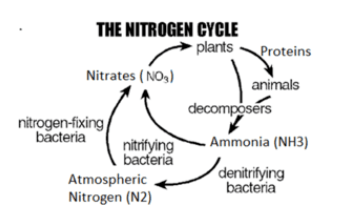
According to this diagram, plants use nitrogen to make _________________________

a)

bacteria

b)

animals

c)

proteins

d)

decomposers

24.

This is NOT a part of the phosphorus cycle.

a)

Phosphate is incorporated into sedimentary rocks

b)

Phosphate bound to soil

c)

Atmospheric phosphate

d)

Phosphate is absorbed from the soil by plants

25.

_____ brings phosphorous into our waterways. .

a)

Precipitation

b)

Runoff

c)

Transpiration

d)

Condensation

26.
What role do decomposers play in the phosphorous cycle?
a)
absorb phosphorous 
b)
release phosphorous into atmosphere
c)
return phosphorous into the soil
d)
combustion
27.

This is released by the weathering of rocks.

a)

Carbonate

b)

Phosphate

c)

Phosphorus

d)

Nitrogen

28.
This is released by the weathering of rocks.
a)
Carbon
b)
Oxygen
c)
Phosphorus
d)
Nitrogen
29.
Identify the cycle pictured.
a)
The Water cycle
b)
The Carbon cycle
c)
The Nitrogen cycle
d)
The Phosphorus cycle.
30.
Cattle egrets forage (feed) in fields among cattle. The egret gets easy access to flying insects stirred up by the cattle, and the cattle don't care if they are there or not.
a)
mutualism
b)
commensalism
c)
competition
d)
parasitism
31.
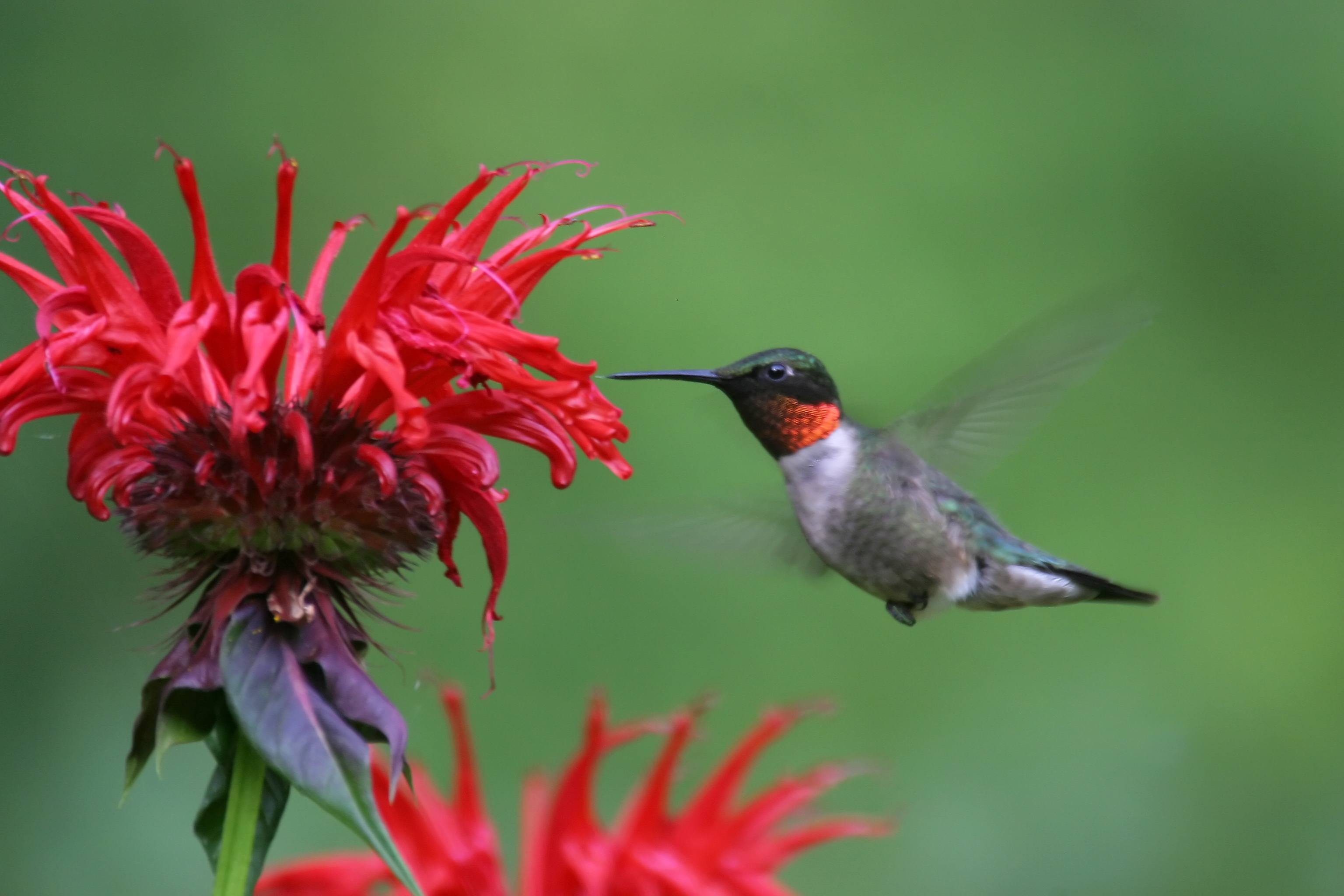
What type of symbiosis?  Hummingbirds feed on nectar from flowers.  The flowers are pollinated by hummingbirds as they move from flower to flower.
a)
commensalism
b)
mutualism
c)
parasitism
d)
predation
32.
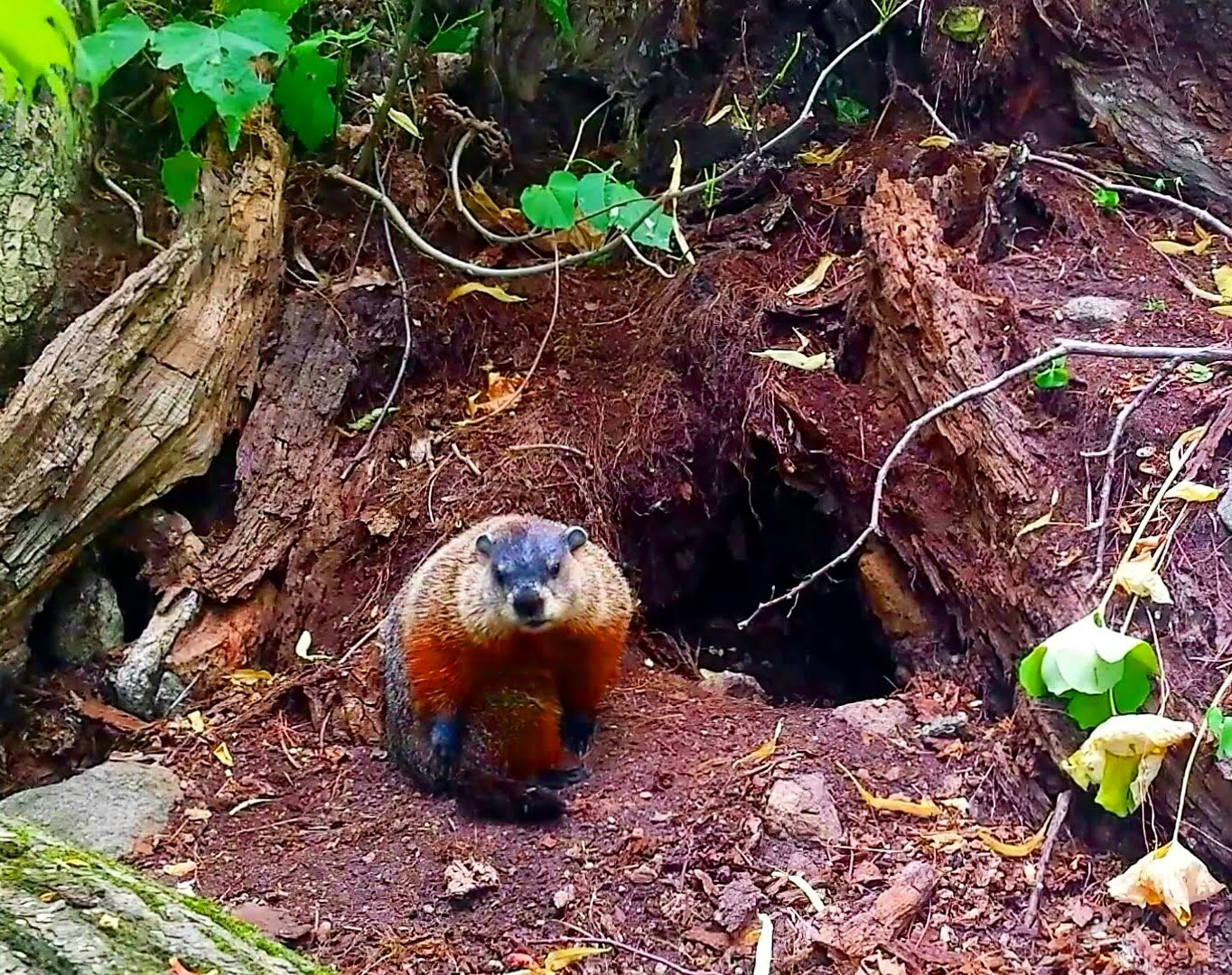
What type of symbiosis?  Skunks often live in burrows that have been dug and abandoned by woodchucks.  
a)
commensalism
b)
mutualism
c)
parasitism
d)
predation
33.
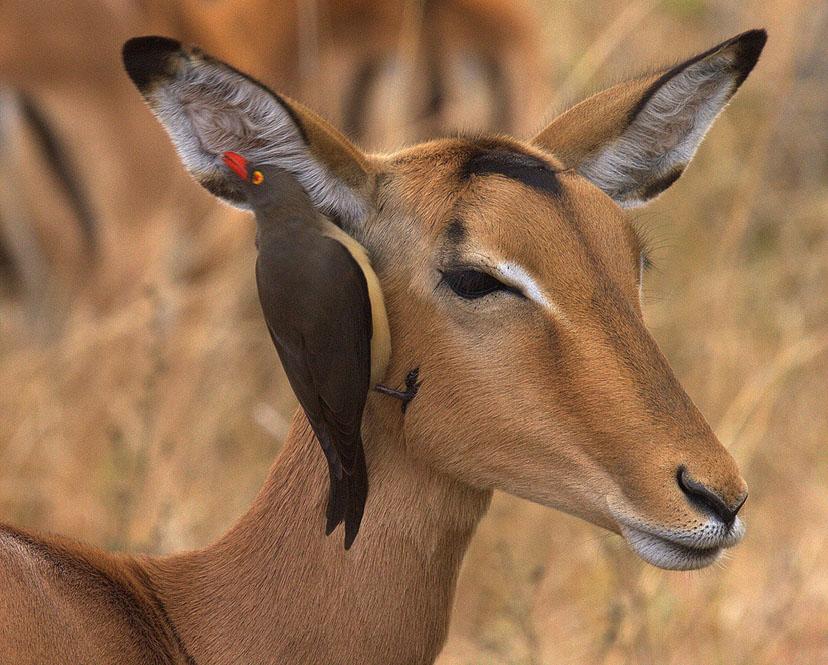
Red-billed oxpeckers are birds that often feed on parasites that infest impala.  This is an example of _______.
a)
commensalism
b)
mutualism
c)
neutralism
d)
competition
34.
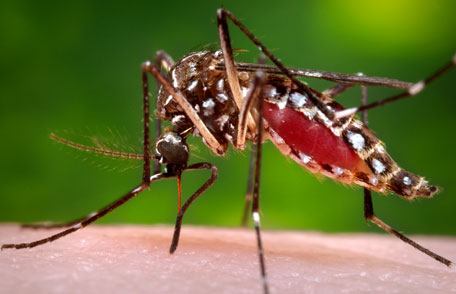
When a mosquito bites you, you are the __________ and the mosquito is the  ____________.
a)
host, hostess
b)
parasite, host
c)
host, parasite
d)
prey, predator
35.

Aphids are tiny insects that live on and eat the leaves of plants, removing vital nutrients from the plants.

a)

Predation

b)

Parasitism

c)

Commensalism

d)

Mutualism

36.
Barnacles create home sites by attaching themselves to whales. This relationship neither harms nor benefits the whales. 
a)
parasitism
b)
commensalism
c)
mutualism
37.
Oxpeckers feed on the ticks found on a rhinoceros. The oxpeckers get a meal and the rhinoceros is helped by the removal of the ticks.
a)
parasitism
b)
commensalism
c)
mutualism
38.
Members of a species in a defined area
a)
Ecosystem
b)
community
c)
biodiversity
d)
population
39.
Consumer that eats plants
a)
heterotroph
b)
herbivore
c)
producer
d)
community
40.
Series of steps in which organisms transfer energy by eating and being eaten
a)
foodweb
b)
consumer
c)
food chain
d)
omnivore
41.
All the organisms in a particular location, including their nonliving environment
a)
ecosystem
b)
carnivore
c)
niche
d)
population