Wayground logo

Free Printable Worksheets

Font size

S
M
L
XL
Worksheets

Solar system- no exploration/history

Total questions: 127

Worksheet time: 2hrs 35mins

Name
Class
Date
1.

How long does it take to the Earth to complete one ROTATION?
a)
365 days
b)
24 hours
c)
24 hours + 6 hours
d)
28 days
2.
What is the Moon?
a)
It is a planet
b)
It is a satellite
c)
It is a star
d)
It is a comet
3.
What is the Sun?
a)
It is a satellite
b)
It is a Star
c)
It is a comet
d)
It is a planet
4.
How many planets are there in the Solar System?
a)
eight
b)
three
c)
nine
d)
ten
5.
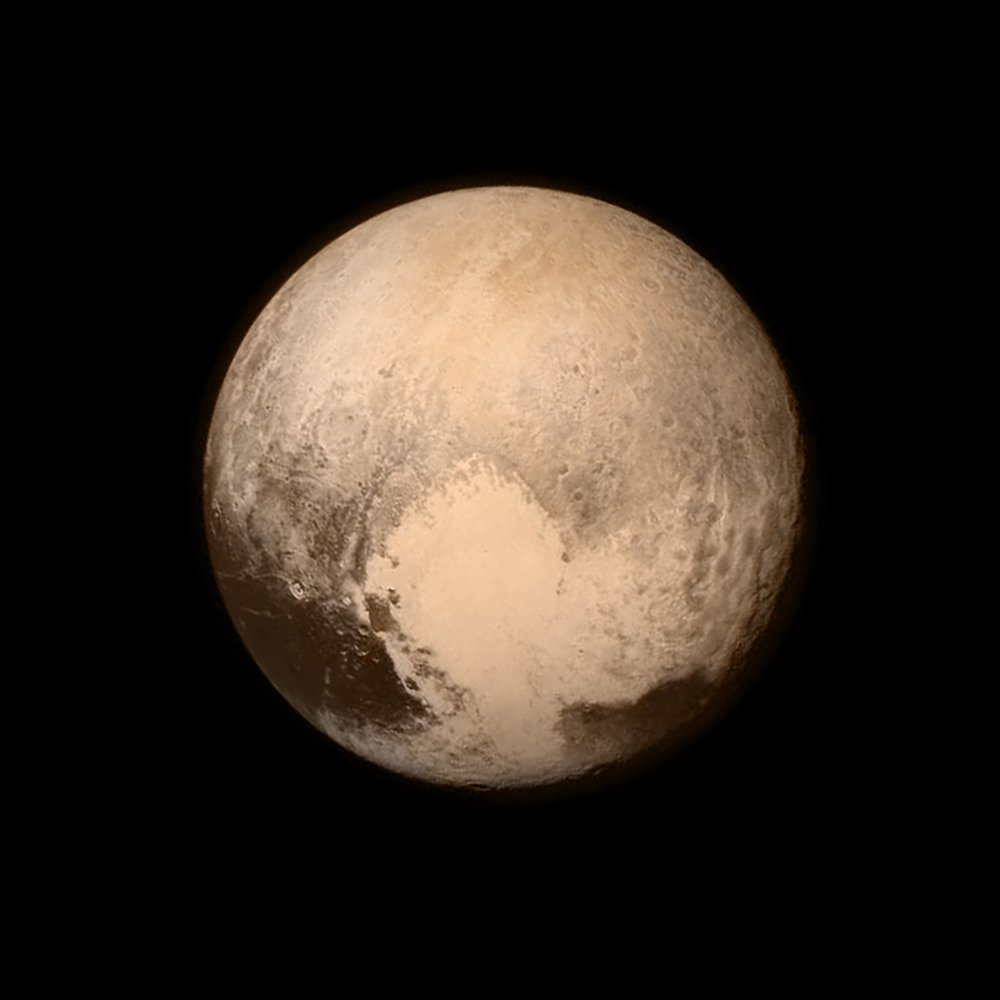
What is Pluto?
a)
An asteroid
b)
A planet
c)
A dwarf planet
d)
It doesn't exist
6.

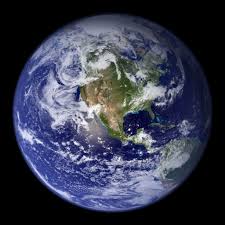
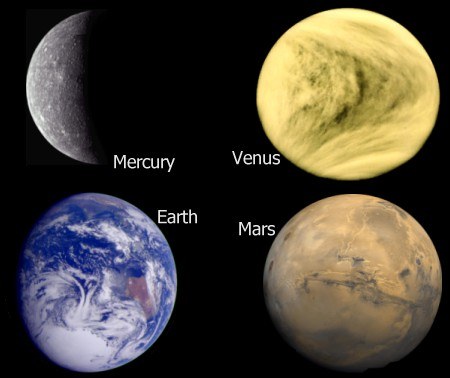
What is the planet ?

a)

Mars

b)

Earth

c)

Pluton

7.

What´s the red planet ?

a)

Mars

b)

Saturn

c)

Venus

8.

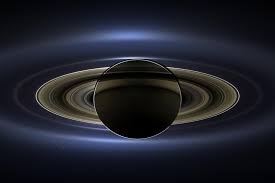
what is the planet ?

a)

Uranus

b)

Venus

c)

Saturn

9.

Mercury is the smallest planet in the Solar System.

a)

True

b)

False

10.

Earth is colder than Mars.

a)

True

b)

False

11.
Mercury, Venus, Earth, and Mars are called.....?
a)
Jovian Planets
b)
Awesome Sauce Planets
c)
Gas Giants
d)
Inner Planets
12.
Which planet is the hottest?
a)
Earth
b)
Neptune
c)
Mercury
d)
Venus
13.
What do we call Jupiter, Saturn, Uranus and Neptune?
a)
Outer Planets
b)
Terrestrial Planets
c)
Inner Planets
d)
Oort Cloud
14.
What is the only planet known to contain life?
a)
Mars
b)
Earth
c)
Neptune
d)
Uranus
15.
What characteristic is Jupiter known for?
a)
Rings of ice and dust
b)
Great Red Spot
c)
Olympus Mons
d)
Fire
16.
Which planet is known for having an extreme tilt on its axis causing extreme seasons?
a)
Neptune
b)
Mercury
c)
Venus
d)
Uranus
17.
What is one factor that makes life on Earth possible?
a)
Water
b)
High gravity
c)
Elliptical Orbit
d)
Hydrogen
18.
Which planet is now characterized as a dwarf planet?
a)
Neptune
b)
Pluto
c)
Miss Best
d)
Coca-cola
19.
Which is the largest object in our solar system?
a)
Sun
b)
Jupiter
c)
Earth
d)
Pluto
20.
Which planet is closest to the sun?
a)
Uranus
b)
Mercury
c)
Neptune
d)
Earth
21.
Which is the second closest planet to the sun?
a)
Earth
b)
Saturn
c)
Venus
d)
Mercury
22.
Which planet is third from the sun?
a)
Mars
b)
Pluto
c)
Venus
d)
Earth
23.
Which is the fourth planet from the sun?
a)
Mars
b)
Saturn
c)
Earth
d)
Jupiter
24.
Which planet is fifth from the sun?
a)
Saturn
b)
Jupiter
c)
Mars
d)
Earth
25.
Which is the sixth planet from the sun?
a)
Earth
b)
Uranus
c)
Saturn
d)
Neptune
26.
Which planet is seventh from the sun?
a)
Saturn
b)
Earth
c)
Venus
d)
Uranus
27.
Earth and the other planets closest to the Sun are made mostly of _______
a)
gas
b)
metal
c)
water
d)
rock
28.
The moon is a natural  ______ of Earth.
a)
comet
b)
axis
c)
satellite
d)
space probe
29.
Earth's ________ on its axis causes day and night.
a)
rotation
b)
revolution
c)
phase
d)
comet
30.
The __________ has planets, moons, comets, and asteroids.
a)
solar system
b)
earth
c)
rotation
d)
United States
31.
One of the main differences between the outer and inner planets is __________.
a)
The inner planets all have water
b)
the inner planets are much bigger than the outer planets
c)
the outer planets are gas planets
d)
the outer planets have rings, and the inner planets don't
32.
Why does Earth have different seasons? 
a)
because of the distance between Earth and the sun 
b)
because of the speed of Earth as it rotates on its axis 
c)
because of the amount of light blocked by the moon on its axis 
d)

because of the tilt of Earth on its axis as it revolves around the sun 

33.
Day and night is caused by the _____________ of earth on its axis.
a)
revolution
b)
orbit
c)
rotation
34.
As the Earth travels around the sun, this tilt causes different areas of the Earth’s surface to get different amounts of daylight at different times of the year. The angle of the Sun’s rays to the surface also causes areas to have more or less of the Sun’s energy. This causes the ________.
a)
months
b)
day and night
c)
seasons
d)
years
35.

the moon orbiting the earth is an example of:

a)

natural satellite

b)

artificial satellite

36.
Gravity on the moon is _____ than that on the Earth.
a)
the same
b)
greater
c)
less
d)
non existent
37.
The largest planet in our solar system is 
a)
Uranus
b)
Neptune
c)
Pluto
d)
Jupiter
38.

Which is the only celestial body in our solar system that has liquid water on it's surface?

a)
Mars
b)
Earth
c)
The Moon
d)
Phobos (one of Mars' moons)
39.
Is Mars warmer or colder than Earth?
a)
Warmer
b)
Colder
c)
Both
d)
Same temperature
40.
The force that keeps planets on there orbit...
a)
orbit
b)
stars
c)
planets
d)
gravity
41.
Any object that revolves around another object
a)
orbiter
b)
satellite
c)
moon
d)
stalker
42.
Which planet has had rovers sent to it to study its soil?
a)
Mercury
b)
Venus
c)
Earth
d)
Mars
43.
How long is Earth's rotation?
a)
one day
b)
one year
c)
one decade
d)
one hour
44.
Why do planets orbit the sun (and not float around in space)?
a)
the moons are keeping them in place
b)
They were hit by an asteroid
c)
they were hit by a comet
d)
the sun's gravity keeps them in place
45.
How many planets are there?
a)
6
b)
7
c)
8
d)
9
46.
The Sun, eight planets, and thousands of stars make up the 
a)
outer planets
b)
inner planets
c)
solar system
d)
light years
47.
It takes Earth _____________ to make one revolution or orbit around the Sun.
a)
365 days
b)
365 hours
c)
28 days
d)
24 hours
48.
A rocky body that orbits around a planet.
a)
moon
b)
star
c)
axis
d)
Sun
49.
What are stars?
a)
Rocky bodies
b)
Hot exploding balls of gas
c)
5 pointed shapes
d)
Hollywood actors
50.
The spinning of the Earth on its axis that causes night and day.
a)
Rotate
b)
Revolve
51.
The star at the center of our solar system.
a)
Sun
b)
moon
c)
orbit
d)
axis
52.
It takes Earth _________ to make one complete rotation on its axis.
a)
24 hours
b)
365 days
c)
28 days
d)
24 days
53.

What 2 things impact how much gravity is exerted on an object?

a)

Mass

b)

Color

c)

Magnetism

d)

Distance

54.

Inner planets have longer/shorter orbits than outer planets?

a)

Longer

b)

Shorter

55.

Outer planets have a greater/lesser distance between them compared to inner planets.

a)

Greater

b)

Lesser

56.

Pluto is no longer considered a planet. What was it reclassified as in 2006?

a)

Dwarf planet

b)

Small Moon

c)

Asteriod

d)

Meteorite

57.

What are the 4 inner planets?

a)

Venus

b)

Saturn

c)

Mars

d)

Earth

e)

Mercury

58.

What are the order of the 4 inner planets?

a)

Mars, Mercury, Venus, Earth

b)

Mercury, Venus, Earth, Mars

c)

Earth, Mars, Mercury, Venus

d)

Venus, Mercury, Earth, Mars

59.
This picture shows Earth's 
a)
Rotation
b)
Revolution
60.
This picture shows Earth's
a)
Rotation
b)
Revolution
61.

What are two differences between planets in our solar system?

a)

Outer planets take longer to revolve and are larger.

b)

Outer planets take longer to revolve and are smaller.

c)

Inner planets take longer to revolve and are smaller.

d)

Inner planets take longer to revolve and are larger.

62.

The further a planet is from the sun the __ it is.

a)

colder

b)

hotter

c)

smaller

d)

larger

63.
What are comets mostly made of?
a)
Rusty metal
b)
Hot, liquid rock
c)
Poisonous liquid
d)
Dirty ice and dust
64.
Why do planets orbit the sun (and not float around in space)?
a)
the moons are keeping them in place
b)
They were hit by an asteroid
c)
they were hit by a comet
d)
the sun's gravity keeps them in place
65.
I am a rock entering a planet's atmosphere.
a)
meteor
b)
meteorite
c)
asteroid
d)
comet
66.
When a meteor hits Earth, what is it called?
a)
meteorite
b)
meteroid
c)
meteor
d)
Earth
67.
Asteroids "hang out" in our solar system in a place called:
a)
The Kupier Belt
b)
The Oort Cloud
c)
The Planetary Rings
d)
The Asteroid Belt
68.
Objects made of ice, gas and dust and orbit our sun are called:
a)
Asteroids
b)
Comets
c)
Meteroids
d)
Meteors
69.
Piece of rock that burns up as it passes through the earth's atmosphere.
a)
asteroid
b)
meteoroid
c)
comet
d)
meteor
70.

Which characteristics distinguish the inner planets from the outer planets?

a)

their size

b)

the material they are made of

c)

their distance from the sun

d)

all of these

71.

Which of these planets are outer planets?

a)

Mercury, Jupiter, Saturn, Pluto

b)

Jupiter, Saturn, Uranus, Pluto

c)

Jupiter, Saturn, Uranus, Neptune

d)

Saturn, Uranus, Neptune, Earth

72.

The Earth revolves around...

a)

Moon

b)

Sun

c)

Mars

d)

Jupiter

73.

Earth has seasons because...

a)

Earths axis is tilted as it moves around the sun

b)

Because Every 3 months Earth has a different season

c)

None of the above

74.

What is the sun?

a)

Planet

b)

Star

75.

The planets orbit around the sun because the sun has the greatest ____________.

a)

weight

b)

diameter

c)

mass

76.
What are the 2 factors that affect how much gravity an object has?
a)
Distance from the sun and mass
b)
Orbit time and mass
c)
Length of day and distance from the sun
d)
Mass and orbit time
77.
As you get _________________ to the sun the gravitational pull gets stronger.
a)
Further away
b)
Closer
78.
What are the 8 planets in order?
a)
Mars, Venus, Earth, Mercury, Jupiter, Saturn, Uranus, Neptune
b)
Mercury, Venus, Earth, Mars, Jupiter, Saturn, Uranus, Neptune
c)
Neptune, Uranus, Saturn, Jupiter, Mars, Earth, Venus, Mercury
d)
Venus, Mars, Earth, Mercury, Jupiter, Uranus, Saturn, Neptune
79.
What is the force that governs the movement in space?
a)
Inertia
b)
Convection Currents
c)
Plate Tectonics
d)
Gravity
80.

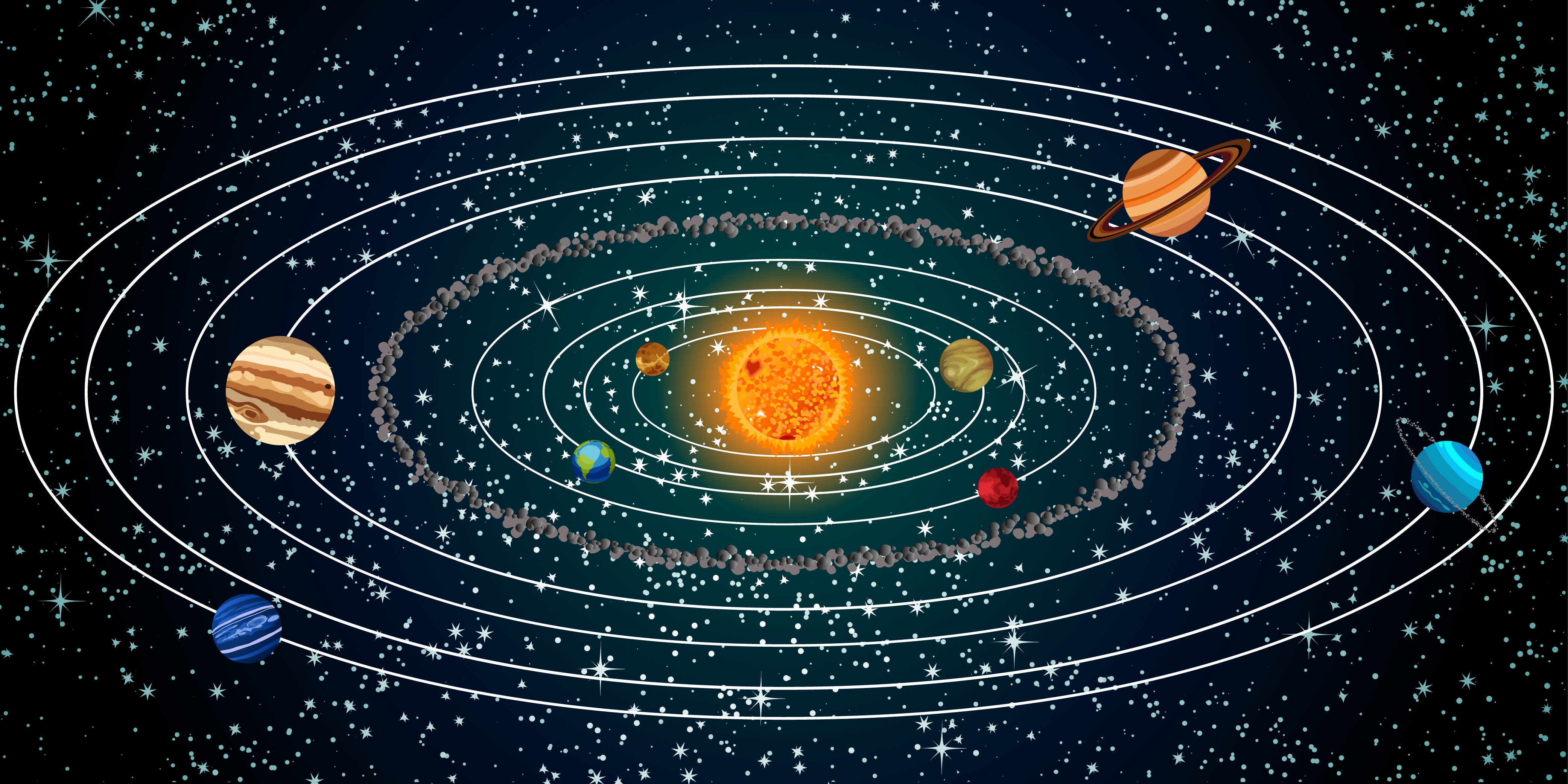
What planet is represented at letter L?

a)

Saturn

b)

Uranus

c)

Neptune

d)

Mars

81.
Based on distance only, what planet has the strongest gravitational pull and why?
a)
Neptune because it is the furthest from the Sun
b)
Mercury because it is the closest to the sun
c)
Jupiter because it is in the middle of all of the planets
d)
Mars because it is the 4th planet from the sun
82.

What planet is shown at letter G in the picture?

a)

Jupiter

b)

Earth

c)

Venus

d)

Mercury

83.

What celestial body does the picture above represent?

a)

Asteroid

b)

Comet

c)

Meteor

d)

Meteorite

84.

Inner planets have longer/shorter orbits than outer planets?

a)

Longer

b)

Shorter

85.

What are the 4 inner planets?

a)

Venus

b)

Saturn

c)

Mars

d)

Earth

e)

Mercury

86.
The spinning of an object on its axis is called______
a)
orbit
b)
rotation
c)
revolution
d)
tide
87.
Day and night is caused by the _____________ of earth on its axis.
a)
revolution
b)
orbit
c)
rotation
88.
One complete revolution of Earth around the sun takes about
a)
180 days
b)
300 days
c)
365 days
d)
385 days
89.
How long does earth's rotation last? 
a)
90 hours
b)
about 1 hour
c)
24 hours
d)
48 hours
90.

If you were using a baseball, golf ball, and basketball to model the relative motions of the Earth, Moon, and Sun, what would you have to do?

a)

Move the golf ball around the basketball and the basketball around the baseball.

b)

Move the basketball around the baseball and the baseball around the basketball.

c)

Move the golf ball around the baseball and the baseball around the basketball.

d)

Move the baseball around the golf ball and the golf ball around the basketball.

91.

What are two differences between planets in our solar system?

a)

Outer planets take longer to revolve and are larger.

b)

Outer planets take longer to revolve and are smaller.

c)

Inner planets take longer to revolve and are smaller.

d)

Inner planets take longer to revolve and are larger.

92.
What makes the moon shine at night?
a)
The moon reflects the light from the Earth.
b)
The moon provides its own light.
c)
The moon reflects the light from the sun.
d)
The moon burns like a star.
93.
The earth is located between which 2 planets?
a)
Jupiter & Saturn
b)
Mercury & Venus
c)
Venus & Mars
d)
Saturn and Uranus
94.
What separates the outer planets from the inner planets?
a)
Asteroid belt
b)
Kuiper belt
c)
Comets
d)
Canyons
95.
earth is a outer planet.
a)
true
b)
false
96.
Which planet is known for it's red, rust covered surface?
a)
Venus
b)
Mercury
c)
Mars
d)
Jupiter
97.
Which is the hottest planet?
a)
Mercury
b)
Venus
c)
Earth
d)
Neptune
98.

Which two facts describe Earth?

a)

largest inner planet

b)

outer planet

c)

terrestrial planet

d)

gas giant

99.
The inner planets are also called...
a)
terrestrial planets
b)
gas giants
100.
Gas giants
a)
Inner planets
b)
Outer planets
c)
Both
d)
Venus
101.

Which is the farthest planet from the sun?

a)

Neptune

b)

Saturn

c)

Jupiter

d)

Uranus

102.
Which planet is the largest?
a)
Jupiter
b)
Saturn
c)
Uranus
d)
Neptune
103.
What is the 5th planet from the Sun?
a)
Mars
b)
Jupiter
c)
Venus
d)
Earth
104.

Allie created a model of the solar system by gluing foam balls to a board. What is a strength of her model?

a)

It shows the correct order of the planets from the Sun.

b)

It shows the correct distance of each planet from the Sun.

c)

It shows the correct distance between each of the planets.

d)

It shows the correct sizes of the planets compared to each other.

105.

The chart shows information about planets. The diameter of a planet is the distance from one side to the other through the middle at the widest part. Which two planets are closest in size?

a)

Uranus and Neptune

b)

Venus and Mars

c)

Jupiter and Saturn

d)

Mercury and Earth

106.

Pluto is called a dwarf planet. It is smaller than the planets in the solar system. The diameter of each solar system planet is listed in the table. Which planet is MOST likely closest to Pluto in size?

a)

Mars

b)

Mercury

c)

Jupiter

d)

Neptune

107.

Where is a meteor located?

a)

in space

b)

in the atmosphere

c)

on Earth

108.

Where is a meteorite located?

a)

in space

b)

in the atmosphere

c)

on Earth

109.

Where is a meteoroid located?

a)

in space

b)

in the atmosphere

c)

on Earth

110.
There is evidence of erosion from floods on Mars. What does this mean?
a)
Liquid water was present at one time
b)
Liquid water is present now
c)
Liquid water has evaporated
d)
Liquid water must never have been present
111.
Is Mars warmer or colder than Earth?
a)
Warmer
b)
Colder
c)
Both
d)
Same temperature
112.
What features make a planet habitable?
a)
Oxygen, Water, Proximity to the Sun and Food
b)
Carbon Dioxide, Proximity to the Sun, Habitat and artificial satelites
c)
Lots of radiation, extreme temperatures, no food, no shelter
d)
Extreme sunlight, dangerous predators, and salty water
113.
Because the earth spins on its axis, we experience:
a)
seasons
b)
weather
c)
day and night
d)
revolution
114.
Earth and the other planets closest to the Sun are made mostly of _______
a)
gas
b)
metal
c)
water
d)
rock
115.

Select all that apply to the ROCKY or TERRESTRIAL planets

a)

They are small

b)

They are made of gas

c)

They have a rocky surface

d)

They are closer to the sun

116.

Why is Venus so hot?

a)

It's closest to the sun

b)

It was just made like that

c)

It has the thickest atmosphere

d)

It is pure fire

117.

Which planet has the Great Red Spot?

a)

Saturn

b)

Neptune

c)

Uranus

d)

Jupiter

118.

6th planet from the sun. Known for its rings.

a)

Saturn

b)

Uranus

c)

Neptune

d)

Jupiter

119.

What planet takes the longest to orbit the sun?

a)

Uranus

b)

Jupiter

c)

Neptune

d)

Saturn

120.

5th planet from the sun. Has 67 moons

a)

Saturn

b)

Uranus

c)

Neptune

d)

Jupiter

121.

The Outer Planets are extremely

a)

Cold

b)

Hot

122.

Which planet has the thinnest atmosphere?

a)

Mars

b)

Venus

c)

Earth

d)

Mercury

123.

Which planet is the 4th planet from the sun?

a)

Mercury

b)

Venus

c)

Earth

d)

Mars

124.
Earth and Venus are often called sister planets because they have similar...
a)
atmospheres
b)
size, density and composition
c)
surface temperature and pressure
d)
cloud composition and meteorology
125.

Which factors are most important for sustaining life on Earth?

a)

abundance of liquid water and a breathable atmosphere

b)

abundance of liquid water and little atmosphere

c)

ice and abundant minerals

d)

ice and rocky soil

126.

As you travel away from the sun, does the temperature usually get warmer or cooler?

a)

Cooler

b)

Warmer

127.

Which is a rocky planet?

a)

Venus

b)

Uranus

c)

Neptune