
Font size
 Worksheets
Weather
Total questions: 100
Worksheet time: 3hrs 31mins
Differences in air pressure cause wind.
True
False
As the temperature in an area increases, the air pressure ___________.
increases
decreases
stays the same
As the humidity increases, air pressure _________.
increases
decreases
stays the same
What causes your ears to pop on an airplane?
a change in humidity
a change in temperature
a change in direction
a change in altitude
A rain gauge is a device that collects rainfall.
True
False
Which two processes cause clouds to form?
precipitation and runoff
transpiration and precipitation
evaporation and condensation
evaporation and ground water
The weather of an area is affected by the air mass that is passing over it.
True
False
Which of the following is a liquid form of precipitation?
snow
rain
sleet
hail
Snow forms when the temperature is below freezing.
True
False
As altitude increases, air pressure _______.
increases
decreases
stays the same
Air _____ influences the weather by determining what type of precipitation will fall to the ground.
pressure
speed
humidity
temperature
Air pressure is measured using a(n) ________.
hygrometer
anemometer
barometer
thermometer
____ is how hot or cold something is.
temperature
humidity
altitude
wind speed
What imaginary latitude line divides our world into the northern and southern hemispheres?
equator
international date line
As you move towards the poles, what happens to temperature?
temperature becomes hotter
temperature becomes colder
Which climate zone gets the least sunlight and is the coldest?
tropical
temperate
polar
Which climate zone gets the most sunlight and is the warmest?
tropical
temperate
polar
As altitude increases (you climb a mountain) what happens to temperature?
temperature gets hotter
temperature gets colder
What are the imaginary lines that divide climate zones and run parallel to the equator? (flatitude is:)
latitude
longitude
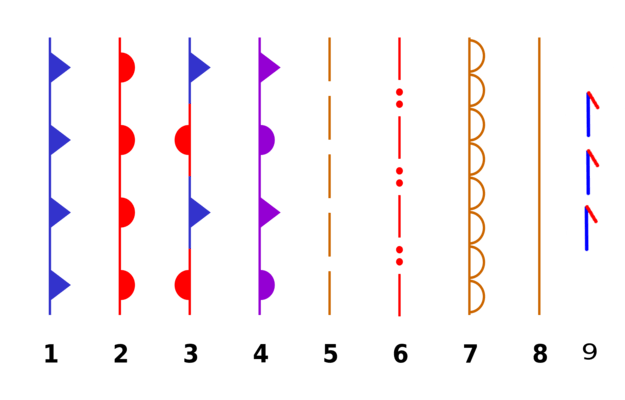

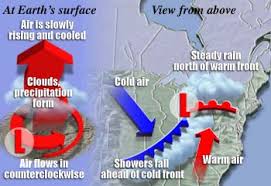


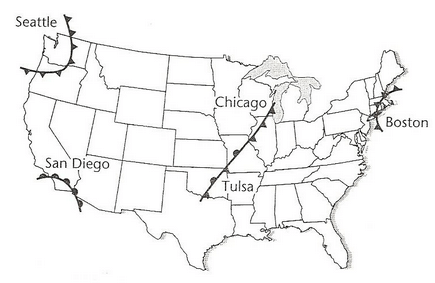
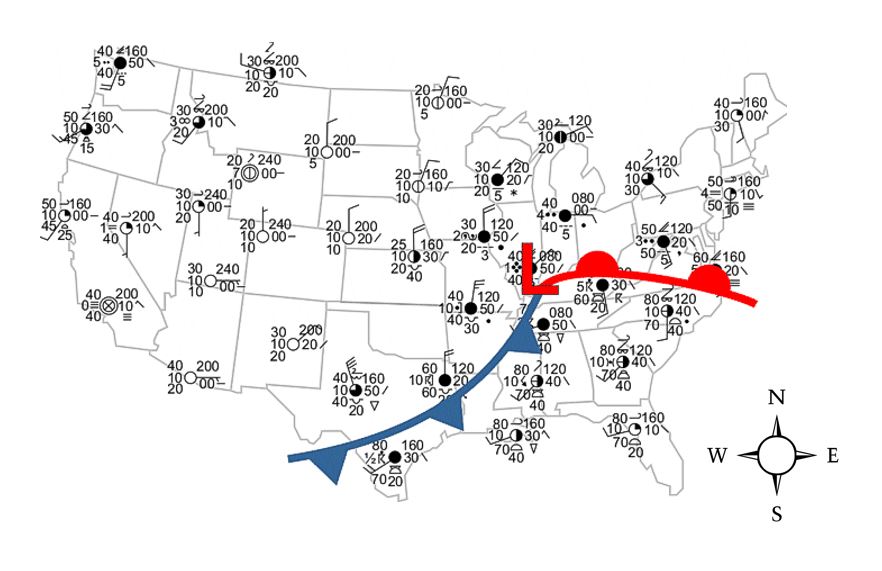
Which one shows a warm front?


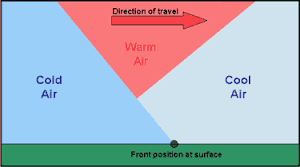

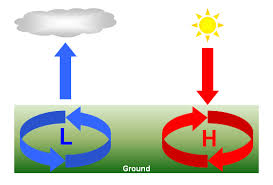
Which term best describes the wind pattern in the graphic?
What is weather?
The amount of moisture in the air
The number of clouds in the sky
The speed of the wind
The state of the atmosphere at any particular time.
Why is the temperature lower at night than during the day?
There are more clouds at night to block the sun's rays
Winds blow harder at night
The temperature depends on energy from the sun
There is less water in the air at night
Which of the following devices measures air pressure?


If it's a hot day outside, what can you conclude?
There are a lot of clouds in the sky
The air can hold a lot of moisture
The wind is blowing extremely fast
The air can hold very little moisture
Why can't you see the water vapor in the air?
It exists as a clear, colorless gas
It's all been condensed
There is very little of it
It's all far away, in the upper atmosphere
What is the difference between absolute humidity and relative humidity?
Absolute humidity represents how much water the air actually holds; relative humidity is how much water the air can hold
Relative humidity makes the air sticky; absolute humidity makes the air dry
Absolute humidity is how much water the air can hold; relative humidity represents how much water the air actually holds
Absolute humidity is expressed as a percentage; relative humidity is expressed as a whole number
Why does it tend to be cool at the Earth's poles?
They are farthest from the sun
They have high absolute humidity
They have the worst weather
Sunlight strikes them at extreme angles
What are the characteristics of a high-pressure system?
Wind and rain
Humidity and thunder
Extremely hot temperatures
Clear skies and sun
If the air is only holding one-third as much moisture as it can possibly hold, what is the relative humidity?
25 percent
50 percent
33 percent
67 percent
What will happen if the relative humidity is 100 percent, and the temperature begins falling?
It will start to rain
The air will be sticky and uncomfortable
The temperature will rise
The barometric pressure will rise



