
 Worksheets
SN3711 Revision
Total questions: 65
Worksheet time: 33mins
Which laboratory test is the most indicative for a myocardial infarction?
C-reactive protein (CRP)
Troponin I
Creatinine
Blood glucose
Which of the following is considered an invasive cardiac diagnostic test?
Exercise stress test
Magnetic resonance imaging (MRI)
Transthoracic echocardiogram (TTE)
Cardiac catheterization
Which statement, if made by the client, would cause the nurse to suspect an abdominal aortic aneurysm (AAA)?
I sometimes have indigestion when I lie down.
I often notice my heart beating in my abdomen.
I feel fatigue and shortness of breath with minimal exertion.
I have extreme pain radiating down my left arm.
A client has a diagnosis of deep vein thrombosis (DVT). What would be the typical physical assessment findings?
Extremity is cool to touch and most often asymptomatic.
Circumference on both arms will be increased.
Thread pulse and slow capillary refill on both sides of the extremities.
Pain with swelling in affected part of leg.
The nurse is caring for a patient with an acute myocardial infarction. Which of the following laboratory findings would MOST concern?
Erythrocyte sedimentation rate (ESR)
Hematocrit (Hct)
Creatine Kinase (CK)
Serum cholesterol level
Which of the following is not the major characteristic of angina pain?
The pain is in the retrosternal area.
It usually starts from the abdomen and radiates to the right arm.
It has a chocking or heavy sensation.
It may radiate to neck and jaw.
Which of the following symptoms would be MOST characteristic of acute myocardial infraction?
Shortness of breath and sweating.
Sharp, well-localized chest pain.
Severe substernal pain radiating down the left arm.
Sharp, burning chest pain moving from place to place.
The nurse looks at a hospitalized client’s cardiac monitor screen and notes this cardiac rhythm (refer to figure below). What rhythm is this?
Atrial fibrillation
Atrial tachycardia
Ventricular fibrillation
Ventricular tachycardia
The nurse prepares to administer a dose of digoxin (Lanoxin), checks the client’s apical pulse rate, and notes that it is 55 beats/ minute. The nurse should take which of the following action?
Give the digoxin and recheck the apical pulse rate in one hour
Give half of the prescribed dose and notify the doctor
Check the client’s blood pressure and administer the digoxin
Check the client’s most recent potassium level and digoxin level and withhold the medication.
What is the rationale for a low-sodium diet in the client with congestive heart failure?
Fluid retention will decrease, and this will improve cardiac output.
Fluids will be retained in the body to maintain cardiac output.
A decrease in sodium level will cause a decrease in potassium level, thus decrease heart rate.
A low serum sodium level can improve myocardial contractility.
A patient with a peptic ulcer is receiving a teaching program from a nurse which about an antiulcer diet. Which of the following statements would indicate that this teaching program was successful?
“I must eat fluid diet to reduce my stomach workload.”
“I can eat most foods, as long as they don’t bother my stomach."
“I cannot eat fruit and vegetable because they cause too much gas.”
“I should eat a low-fiber diet to delay gastric emptying.”
A nurse is performing an admission assessment on a client with a diagnosis of heart failure. Which of the following manifestations would indicate to the nurse that the client is experiencing heart failure?
i. Dyspnea
ii. Dependent edema
iii. Crackle sound of lung
iv. Ascites
i. Dyspnea
ii. Dependent edema
iv. Ascites
v. Jugular neck vein distention
ii. Dependent edema
iii. Crackle sound of lung
iv. Ascites
v. Jugular neck vein distention
i. Dyspnea
ii. Dependent edema
iii. Crackle sound of lung
iv. Ascites
v. Jugular neck vein distention
A 54 year old client was recently diagnosed with bacterial endocarditis. The nurse determines that the client understands the discharge planning when he makes which statement?
“I need a referral to a dietitian to understand a low-sodium diet”
“I have to call my doctor so I can get antibiotics before seeing the dentist”
“I have to use soft toothbrush to prevent gum bleeding”
“If I quit smoking, it will help the endocarditis”
Which treatment should be included in the immediate management of acute gastritis?
Reducing work stress
Completing gastric resection
Treating the underlying cause
Administering pain control medications
Which is the major diagnostic test for peptic ulcers?
Abdominal X-ray
Barium swallow
Computed tomography scan of the abdomen
Esophagogastroduodenoscopy
A client presents to the clinic for a follow-up appointment after diagnostic tests show he has gastroesophageal reflux disease. Which instruction should the nurse provide?
“Lie down and rest after each meal.”
“Avoid alcohol and caffeine.”
“Drink plenty of water with each meal.”
"Avoid high fat diet"
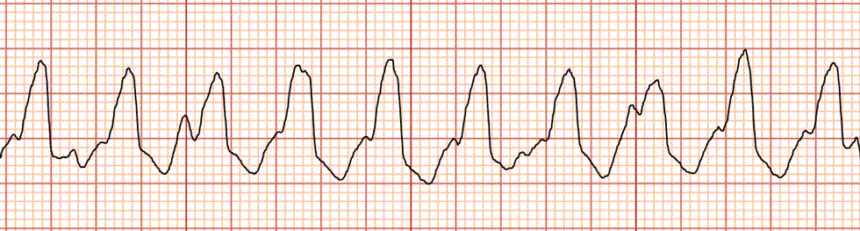
The nurse observing the central monitor and notes that one of the clients has abruptly developed that cardiac rhythm:
Sinus arrhythmia
Ventricular asystole
Ventricular fibrillation
Ventricular tachycardia
The Most complication of Deep Vein thrombosis is:
Formation a blood clot in brain
Formation a blood clot in heart
Formation a blood clot in lung
Formation a blood clot in leg
When developing a teaching plan for a client who has undergone a partial gastrectomy, which of the following would the nurse include related to prevent dumping syndrome?
Diet low in protein and fats
Taking a walk before each meal
Eating three meals a day
Don’t lie down immediately after eating
Which of the following is considered a noninvasive gastrointestinal diagnostic test?
Abdominal X-ray
Endoscopic retrograde cholangio-pancrestography
colonoscopy
oesophagogastroduodenoscopy
The nurse caring for a client with esophagus cancer, which of the following will not be the treatment of that client?
gastrectomy
esophagus dilation
stent insertion
radiation
Which of the following is not the contributing factor to develop gastroesophageal reflux disease?
positioning
restrictive clothing
obesity
decrease volume of stomach before meal
A client presents to the clinic for a follow-up appointment after diagnosed of gastroesophageal reflux disease. Which instruction should the nurse provide?
“Lie down and rest after each meal.”
“Avoid fatty food and chocolate.”
“Bent over after meal.”
“Eat three meals a day.”
Which of the following is not the characteristic of gastric ulcers?
Compare to duodenal ulcer the recurrence rate is lower
NSAID use is one of the etiology
May be malignant
Epigastric pain relieved by food
The nurse is caring for a patient who has a sudden onset of diarrhea. Which of the following terms should the nurse use to document the patient’s black, tarry stool?
Melena
Hematochezia
Hematemesis
Steatorrhea
A patient who has been treated for the heart failure is being discharged from the hospital on 20mg furosemide (Lasix) daily. Which of the following statements by the patient would indicate understanding of instructions for this medication?
“I will take the Lasix in the morning.”
“I will take the Lasix at bedtime.”
“I will drink lots of fluids with the Lasix.”
“I will take it with meals.”
A patient asks the nurse what heart failure is. Which of the following is the nurse’s best response?
“The heart pumps too much blood into the pulmonary veins.”
“The heart is unable to pump enough blood for the body’s oxygen needs.”
“Heart failure is a buildup of blood in the aorta from the heart’s left ventricle.”
“With a failing heart, the heart stops beating, so blood is not pumped out.”
A client with a suspected pulmonary embolus (PE) is brought to the Accident & Emergency Department. What signs and symptoms would the nurse expected to see from the client?
I. low grade fever
II. thick green sputum
III. bradycardia
II. thick green sputum
III. bradycardia
IV. frothy sputum
IV. frothy sputum
V. tachycardia
VI. blood-stained sputum
I. low grade fever
V. tachycardia
VI. blood-stained sputum
Which of the following condition that we most inflate the cuff of an endotracheal and tracheostomy tube: (choose the best answer)
Allows the patient to eat
Allow the patient to talk
Allow suctioning of secretions
Allows mechanical ventilation
Which intervention to prevent pulmonary embolism after lower extremity surgery is the best?
Early ambulation
Frequent chest X-ray to confirm any formation of embolism
Intubation of client
Suggest sitting with legs crossed
When will be the most suitable time to administrate diuretics?
Early morning
Afternoon
Evening
Before bed time
Which nursing consideration must be taken into account for a client with diabetes mellitus on the morning of surgery?
The client should receive an oral anti-diabetic agent after fastingb.
The client should receive an IV insulin infusion during fasting
The client should not receive any anti-diabetic agent after fasting
The client should receive usual dose of oral anti-diabetic agent with infusion of normal saline solution during fasting
A client with hypothyroidism may present with which symptom?
Polyuria, polydipsia and weight loss
Heat intolerance, nervousness, weight loss and hair loss
Coarsening of facial features and extremity enlargement
Tiredness, cold intolerance, weight gain and constipation
A client with hyperthyroidism develops a high fever, extreme tachycardia and altered mental status. The nurse suspects which of the following?
Diabetic ketoacidosis
Thyroid storm
Myxedema coma
Hyperglycemia
Which of the followings are the clinical manifestation(s) of hyperthyroidism?
I. Tremor
II. Tachycardia
I. Tremor
II. Tachycardia
III. Insomnia
I. Tremor
II. Tachycardia
IV. Exophthalmos
I. Tremor
II. Tachycardia
III. Insomnia
IV. Exophthalmos
Objectives for treating diabetic ketoacidosis (DKA) include administration of which treatment?
Glucagon
Blood products
Glucocorticoids
Insulin and IV fluids
A diabetic client suddenly develops hypoglycemia. What should the nurse do first?
Give the client a glass of orange juice to drink
Administer 5 more units of regular insulin
Check the client’s blood pressure
Call the client’s physician
What is the combination of the triple therapy for gastritis has the highest eradication rates if the patient is well tolerated?
PPI standard dose + Pepcidine 20mg + Klacid 500mg, all twice daily for 7 days up to 14 days
PPI standard dose + Amoxicillin 1 gram + Augmentin 1g, all twice daily for 7 days up to 14 days
PPI standard dose + Amoxicillin 1 gram + Klacid 500mg, all twice daily for 7 days up to 14 days
PPI standard dose + Bismuth 240mg+ Metronidazole 400mg, all twice daily for 7 days up to 14 days
After a teaching session for a patient with a peptic ulcer, the nurse would evaluate the patient as understanding the teaching if the patient stated that the purpose of Histamine- 2 Receptor Antagonists is which of the following?
Neutralize gastric acid
Form a protective paste
Determine gastric pH levels
Inhibit secretion of gastric acid
A client with hypothyroidism who exposure of cold temperature, infection, surgery or trauma is at risk for developing which condition?
Hepatitis B
Malignant hyperthermia
Myxedema coma
Thyroid storm
Which of the following is the most basic exercise stress test?
Treadmill test.
Holter test.
Stress echocardiogram.
Jogging test.
Troponins (TnT and TnI) and myoglobin are very useful in diagnosing:
Myocardial infarction.
Pancreatitis.
Hepatitis.
Smooth muscle injury.
Which of the following disorders is jugular neck vein distension most prominent?
Heart failure.
Hypertrophic cardiomyopathy.
Carditis.
Mitral valve prolapse.
Prophylactic antibiotics are indicated to prevent infective endocarditis for at-risk individuals who:
are undergoing any dental procedures.
are entering the third trimester of pregnancy.
have acquired a viral respiratory tract infection.
are exposed to human immunodeficiency virus.
To which skin layer should insulin be deposited for the most stable absorption?
Hypodermis
Subcutaneous fat
Superficial muscle layer
Deep muscle layer
Glycosylated haemoglobin test ( HbA1c ) can be used to:
detect the average of blood glucose level control in the previous month.
detect the average of blood glucose level control over previous 3 months.
test the blood glucose level after meal.
diagnose diabetes mellitus accurately.
Mr. Cheung is confirmed to have gastric ulcer disease related to Helicobacter pylori. A triple drug therapy is prescribed. Which of the following drugs is commonly included in this therapy?
Famotidine (Pepcidine).
Pantoprazole (Pantoloc).
Simethicone (Phazyme).
Sucralfate (Carafate).
Which of the following statements indicates that the client understands what to expect after polypectomy via colonoscopy?
“I should avoid high fibre food for 1 – 2 days.”
“I should expect to have constipation for 3 – 4 days.”
“I will experience white stools for 2 – 3 days.”
“I will be prescribed with antibiotics for 4 – 7 days.”
The most common site for peptic ulcer formation is:
duodenum
esophagus
rectum
colon
After a client returned from OGD, he asked for a drink of water and something to eat. The appropriate nursing action would be to:
offer a drink of water and order the prescribed diet.
explain that the client needs to wait until his gag reflex is functional.
explain to the client that solid food or drink is not allowed for 24 hours.
instruct the client to take small sips of water until the meal trays are served.
Mr Ko is admitted for oesophago-gastro-duodenoscopy (OGD). The endoscopy confirms Mr Ko having a duodenal ulcer. Which of the following is a subjective data collected in the assessment on admission?
Epigastric pain after taking food.
Epigastric pain before breakfast.
Stool for occult blood is positive.
Aplastic anemia is shown in the blood test.
Mr. Ho went to a clinic for investigation yesterday. He complained of sore throat with regurgitation of sour material into the mouth and heartburn which usually occurs after meals in recent few weeks. What is the suspected diagnosis for Mr. Ho?
Acute gastritis.
Duodenal ulcer.
Esophageal diverticulum.
Gastroesophageal reflux disease.
A client had resumed full diet 4 days after partial gastrectomy, what nutritional advice should the nurse give the client, in order to avoid dumping syndrome?
Decrease the protein content.
Take a dessert after meal.
Drink water after meal.
Keep small and frequent dry diet.
Which of the following medications should be included in triple therapy?
Famotidine
Pantoprazole
Simethicone
Sucralfate
The test most helpful diagnosing cancer of the colon is the:
Barium enema.
Stool for occult blood.
CEA level.
Colonoscopy and biopsy.
A client develops right-sided heart failure. Which of the following symptoms would the nurse expect to find:
Edematous legs and ankles
Decreased heart rate
Increased urine output
Deficient fluid volume
What is the sign of deep vein thrombosis?
Cupola sign
Dome sign
Homan’s sign
Rigler sign
Which nursing consideration must be taken into account for a client with diabetes mellitus on the morning of surgery and has been kept nil by mouth for 8 hours?
The client should receive an oral anti-diabetic agent after fasting
The client should receive an IV insulin infusion during fasting
The client should not receive any anti-diabetic agent after fasting
The client should receive usual dose of oral anti-diabetic agent with infusion of normal saline solution during fasting
Objectives for treating diabetic ketoacidosis (DKA) include administration of which treatment?
Glucagon
Blood products
Glucocorticoids
Insulin and IV fluids
A diabetic client suddenly develops hypoglycemia. What should the nurse do first?
Give the client a glass of orange juice to drink
Administer 5 more units of regular insulin
Check the client’s blood pressure
Repeat blood glucose after 15mins, and call client’s physician
A client is taught self-monitoring of blood glucose (SMBG) in order to check his blood glucose before meals and administer insulin according to a sliding scale. The nurse will teach the client to use which type of insulin?
Humulin N
Actrapid HM
Lantus
Humulin 70/30
A client with diabetes mellitus received Protaphane 10 units at 7:30am. The most likely times that the nurse would expect the client to experience hypoglycemia is:
Between 8:30am and 9:30am
Between 10:30am and 12:00 pm
Between 12:30pm and 2:30pm
Between 1:30pm and 3:30pm
A client is admitted to the medical unit with a diagnosis of diabetic ketoacidosis. Which of the following clinical manifestations should the nurse expect to find?
Palpitation
Radial pulse 70, bounding
Acetone breath odor
Metabolic alkalosis
A client, who is mild confused, arrives in the emergency department with blood glucose of 2.7mmol/L. what nursing intervention should the nurse anticipate doing for this client?
Give Lispro injection
Give crackers and cheese
Give IV D50
Give a half cup of fruit juice
The nurse instructs a diabetic client on foot care. Incorrect instruction should not be included which of the following points?
Have a family member check a heating pad before applying to feet.
Apply lotion or oil generously between the toes
Wear closed-toe shoes made of soft leather
Use a mirror to check your soles every day

