
 Worksheets
Science Revision for Year 5 Spring
Total questions: 128
Worksheet time: 1hrs 22mins
Which of the following is the BEST way to test a soil's ability to hold water?
adding soil to a beaker full of water and seeing if the soil sinks
pouring water through a funnel of soil and seeing how much water drips out
stirring soil into a bowl of water and seeing if the soil disappears
mixing water with a pile of soil and seeing if the water changes temperature
A student gets soil to plant five bean seeds. Afterward, there is soil left over. Which of the following should the student do with the extra soil?
Add it to each plant's pot.
Throw it away in the trash.
Wash it down the sink.
Save it for later experiments.
Many different organisms live in soil. Which of the following is most beneficial to the soil?
Ants
Centipedes
Earthworms
Spiders
Which kind of soil is MOST LIKELY to make puddles of water on its surface?
clay
gravel
rocky
sandy

Students fill three funnels with sand. They add water to each funnel and record how long it takes 100 mL of water to drain into a beaker under the funnel. The table shows their results.
Which of these explains why the students used a total of three funnels?
to compare how fast the different materials drain water
to see if temperature will change how fast the materials drain water
to see which liquid will drain the fastest
to catch mistakes made while measuring
Which of the following is the BEST description of sand?
It is tan. It feels gritty in your fingers.
It is reddish brown. It sticks together when wet.
It is light brown. It feels like flour. It is a fine powder.
It is black. It holds a lot of water. It has many nutrients.

A student conducts an investigation using four identical cans, each with a hole in the bottom. The student fills each can with a different type of soil and then adds 200 milliliters (mL) of water to each can.
Some plants have roots that reach very deep underground. Which type of soil will most likely stop water from flowing to the deepest roots of these plants?
Soil 1
Soil 2
Soil 3
Soil 4
Soil is a mixture of sediments and
ice
insects
humus
fossils
The topmost layer of the Earth's crust is covered in soil. However, not all soils have the same properties. Different soils have different colors and textures because of:
how much water the soil holds.
amount of humus and minerals in the soil.
the size of the soil particles.
how much water the soil holds, amount of humus and minerals in the soil, and the size of the soil particles.
A student plants a seed in a pot filled with rocky soil. The plant is watered daily and placed on a windowsill. After three weeks, the plant has barely grown and looks sickly. Which of the following is the plant MOST LIKELY lacking?
air
light
nutrients
water
In which type of soil are plant roots BEST able to absorb air and nutrients?
top soil
clay
gravel
sand
Which of the following soil types would be the BEST soil for a garden?
a mixture of sand, clay and humus
mostly clay and sand
mostly humus
mostly sand


Which of the following describes rocks formed when sediments are buried, compacted, and cemented together?
Clastic
Organic
Foliated
Nonfoliated
Which rock is formed form the cooling of volcanic ash on Earth's surface?
intrusive igneous
foliated metamorphic
extrusive igneous
organic sedimentary

Which sedimentary rock has a fine-grained texture?
1
2
3
4
Rock made from fossils of once living plants or animals.
Intrusive Igneous
extrusive Igneous
clastic Sedimentary
organic Sedimentary

Which rock can shale transform into by heat and pressure and minerals are arranged in bands/planes?
nonfoliated metamorphic
foliated metamorphic
organic sedimentary
intrusive igneous
Rocks that form from colling magma inside Earth?
Igneous intrusive
Igneous extrusive
Metamorphic foliated
Metamorphic nonfoliated

What does your heart do?
pumps blood through your body
protects your body
helps your exercize
Your heart is about the size of your __________.
mouth
fist
show
Your heart pumps blood throughout your entire body through little tubes called _____________.
veins
arteries
hoses
What does circulate mean?
pump blood
beat quickly
go around and around
You can feel your heart beating when you feel your _____________.
pulse
breathing
stomach growling
Your heart is a _____________.
tube
muscle
vein
Which is NOT a way to exercise your heart?
Running
Sitting on the couch
Swimming
Which describes all the parts of the circulatory system?
heart, lungs, stomach, muscles
heart, blood, arteries, and veins
bones, skin, hair
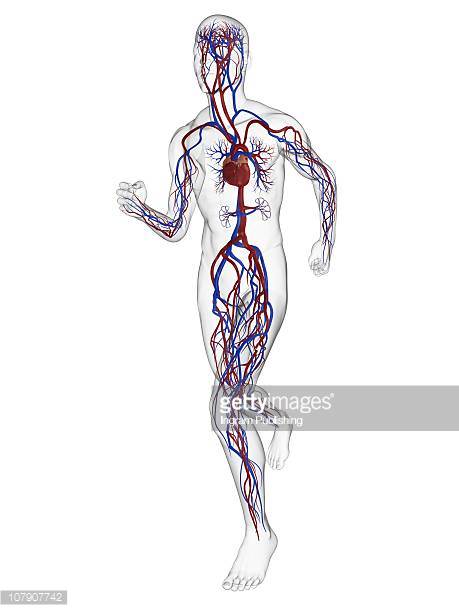
What is the main organ of the circulatory system?
small intestine
bone
lungs
heart
Arteries carry oxygen rich blood away from the heart.
True
False
The job of the heart is to . . .
pump blood around the body.
send food to the small intestines.
break down food.
give energy to the body.

Which of the following is a connection between the circulatory system and the muscular system?
the heart is composed of cardiac muscle
the heart makes calcium to give to muscles
muscles create blood cells that get circulated through body
the two systems are not connected
Which of the following is NOT part of the circulatory system?
heart
blood
bones
arteries
Where do arteries carry blood?
from tissues to the heart
away from the heart to tissues
to the bones only
arteries are not a type of blood vessel
What is the 1st step in the Respiratory system
mouth
nose
mouth & nose
the eye
When you breathe "in", you take in
carbon dioxide
oxygen
nitrogen
The Main tube that takes air to your lungs
bronchi
bronchioles
trachea
air sacs
What is the Scientific Name for Air Sacs
bronchi
alveoli
bronchioles
trachea
The tubes that lead into each lung
trachea
bronchi
bronchioles
air sacs
What type of air to we breath "out"
carbon dioxide
oxygen
nitrogen
The tiny, thin, hair like tubes in the lungs are
the trachea
the bronchi
the bronchioles
the alveoli
Where does the oxygen get into the blood?
the trachea
the bronchi
the bronchioles
the alveoli
How many alveoli are there in BOTH lungs
30 thousand
600 million
60 million
60 thousand
How many bronchioles are in EACH Lung
30 thousand
600 million
60 million
60 thousand
Oxygen is transferred in the air sacs THROUGH THE
capillaries
bronchi
Lungs
What are the main organs in the Respiratory System?
Windpipe
Nose
Mouth
Lungs
Large, dome like muscle under your lungs
Lungs
Trachea
Diaphragam
Alveoli
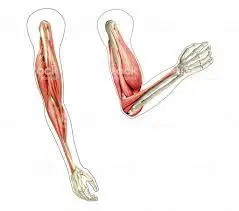


Collects and processes information
Breaks down food that the body uses for energy
Carries oxygen, water, and nutrients to all the cells of the body
Takes in oxygen and releases carbon dioxide
17.A student wants to investigate how exercise affects heart rate. She measures her heart rate sitting still, immediately after doing jumping jacks, and immediately after running. What is the dependent variable in her experiment?
Type of exercise
Number of jumping jacks
Heart rate
Amount of time between exercises
Which micro organisms cause communicable diseases?
Pathogens
Pathogerms
Partitions
What are five pathogens that can cause communicable diseases?
Bacteria, carbohydrates and protein
Insects. Water, soil
Bacteria, virus, fungi, Protozoa, parasite
_________ are diseases that can be transmitted from one person to another
Non communicable diseases
Communicable diseases
Goiter
Lack of Vitamin A causes _________
Night blindness
Goiter
Rickets
Sources of Vitamin C include the following except
Amla
Orange
Beans
__________ causes typhoid
Protozoa
Bacteria
Fungi
The following are ways diseases spread except __________
By direct contact
By insects
By being friendly
Fungi causes skin infection
True
False
Not sure
Diseases can be classified into two types, ___________ diseases and ________ diseases
Pathogens and Microorganisms
Communication and non communication
Communicable and non communicable
What are two viral diseases that do have a vaccine?
Measles and typhoid
Measles and malaria
Measles and chicken pox
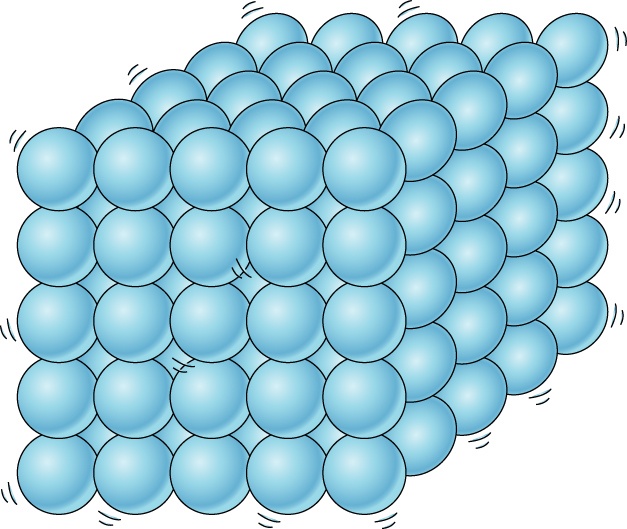
What state of matter?
Solid
Liquid
Gas
Plasma!!!
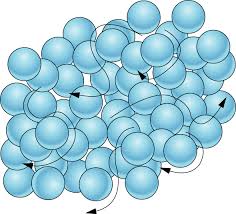
What state of matter?
Solid
Liquid
Gas
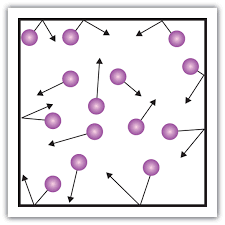
What state of matter?
Solid
Liquid
Gas


What is the boiling point of water
120 C
100 C
0 C
50 C

On a hot, humid summer day drops of water form on a can of cold soda. What process caused this to happen?
evaporation
freezing
condensation
raining
What is the phase change of a solid to a liquid?
freezing
melting
evaporation
condensation
What is the boiling point of vinegar
120 C
100 C
0 C
118 C
What is the melting point of gold?
2856 C
100 C
1064 C
118 C
Evaporation change the liquid to gas. It can occur _______________
when you heat it.
at any temperature.
when you cool it.
inside the fridge.

Which process can dry off the clothes?
Boiling
Freezing
Condensation
Evaporation

What would do this aluminum pot to thermal and electrical energy?
Conductor
Insulator

What would do this material when it is exposed to electrical energy?
(a)

How will this object behave when it is exposed to thermal or electrical energy?
Insulator
Conductor

How will the book behave when it is exposed to thermal or electrical energy?
Conductor
Insulator
Less dense

How would this object behave when it is exposed to thermal or electrical energy?
Insulator
More dense
Conductor

What behavior will present the following object when it is exposed to thermal or electrical energy?
Conductor
Insulator
More dense

How will the foil paper behave when it is exposed to thermal or electrical energy?
Conductor
Insulator
Less dense
Not magnetic

How will the penny behave when it is exposed to thermal or electrical energy?
Conductor
Insulator
More dense
Not magnetic

How will the marble behave when it is exposed to thermal or electrical energy?
Conductor
Insulator
More dense
Not magnetic

How will the mitten behave when it is exposed to thermal or electrical energy?
Conductor
Insulator
Less dense
Not magnetic

How will the plastic behave when it is exposed to thermal or electrical energy?
Conductor
Insulator
Less dense
More dense

How will the materials behave when they are exposed to thermal or electrical energy?
Conductors
Insulators
More dense
Less dense

Decay-Dead-Rot
Chemical Reaction
Physical Change
Yucky

Melt-Freeze-Rip-Crush
Chemical Reaction
Physical Change
Wow

Chemical Reactions
Burn
Bake
Rust
Crush

Physical Changes
Tarnish
Melted Marshmallow
Fire
Evaporation

What occurs when water (liquid) freezes and becomes ice (solid)
Chemical reaction
Physical change
Slightly expands
The liquid state weighs the same as the solid state

Baked cookies
Not reversible
Made something new
Reversible
Chemical reaction

Substance bubbles
Gases escape
Chemical reaction
Physical change
Not reversible

Hair turning gray
Chemical reaction
Physical change

Freckles, Energy, Mold, Unexpected
Chemical reaction
Physical change

Reusable Heat Pack
Chemical reaction
Physical change

