
NEW
Font size
S
M
L
XL
 Worksheets
Physics Review. Day 2 (Physical Science)
Total questions: 70
Worksheet time: 2hrs 20mins
Name
Class
Date
1.
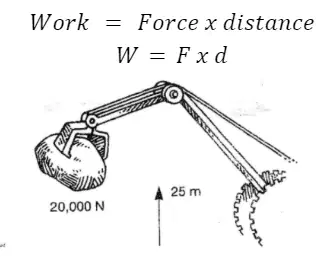
If a crane moves a rock upward for 25 m with a force of 20,000 N, how much work did the crane use?
a)
500,000 J
b)
800 J
c)
45,000 J
d)
5,000 J
2.
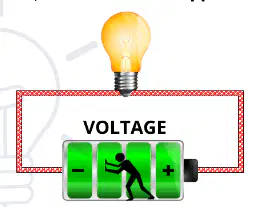
_________________ is the difference in electrical potential energy between two places in a circuit. Measured in Volts (V).
a)
Friction
b)
Electric charge
c)
Voltage
d)
Parallel Circuit
3.
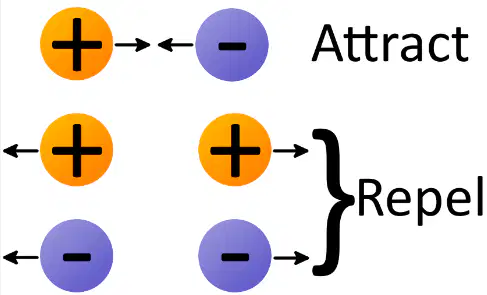
____________________ _______________ is a property that causes subatomic particles (protons and electrons) to attract or repel each other.
a)
Friction
b)
Electric charge
c)
Voltage
d)
Parallel Circuit
4.

____________________ _______________ is a circuit that contains more than one path for current flow.
a)
Friction
b)
Electric charge
c)
Voltage
d)
Parallel Circuit
5.
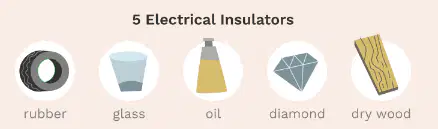
___________________ is a material that does not allow heat or electrons to move through it easily.
a)
Conductors
b)
Insulator
c)
Fuse
d)
Ammeter
6.
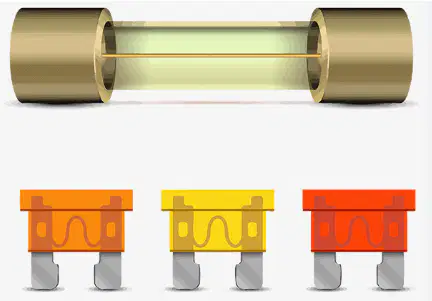
____________ is a safety device with a thin metal strip that will melt if too much current passes through a circuit.
a)
Conductors
b)
Insulator
c)
Fuse
d)
Ammeter
7.
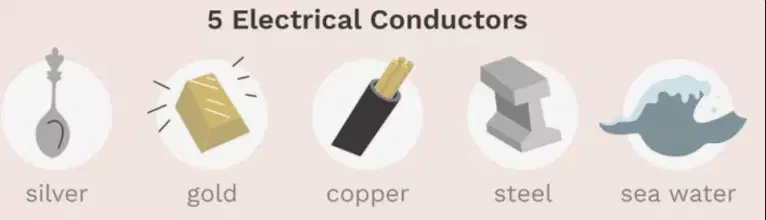
_______________ are materials which allow charges or heat to move through them.
a)
Conductors
b)
Insulator
c)
Fuse
d)
Ammeter
8.

_______________ _________________ is an electric circuit with a single path.
a)
Electrons
b)
Electric current
c)
Series Circuit
d)
Circuit Breaker
9.
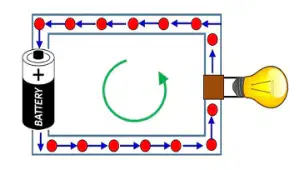
______________ __________________ is a flow of electric charge. Measured in Amperes (A).
a)
Electrons
b)
Electric current
c)
Series Circuit
d)
Circuit Breaker
10.
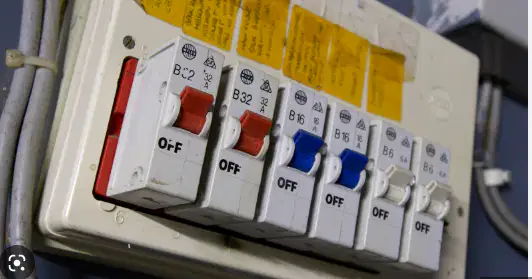
_________________ _________________ is a switch that opens when the current in a circuit is too high.
a)
Electrons
b)
Electric current
c)
Series Circuit
d)
Circuit Breaker
11.
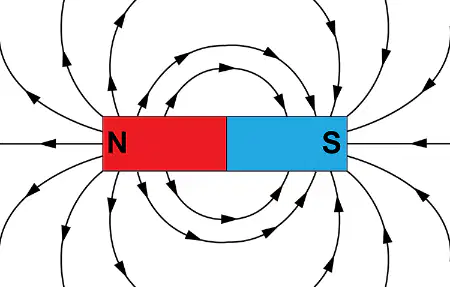
________________ _____________ is the region around a magnet where the magnetic forces act (lines go from North to South).
a)
Static electricity
b)
Induction
c)
Voltmeter
d)
Magnetic Field
e)
Magnetic Pole
12.

_________________ - Charge moves without contact from a charged object to another object through the influence of the first object's electrical field. No charge is actually transferred, the charges within the second object simply rearrange.
a)
Static electricity
b)
Induction
c)
Voltmeter
d)
Magnetic Field
e)
Magnetic Pole
13.
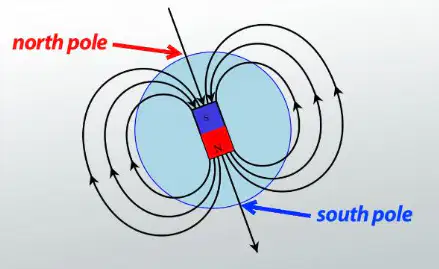
______________ ________________ - the strongest points of a magnet.
a)
Static electricity
b)
Induction
c)
Voltmeter
d)
Magnetic Field
e)
Magnetic Pole
14.
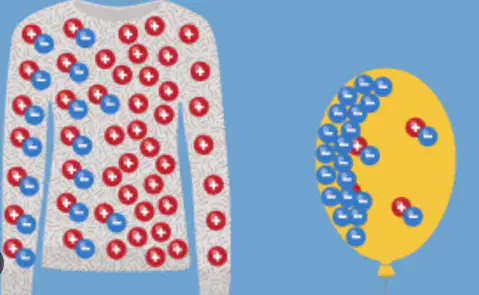
_______________ __________________ is the electric charge which builds up on an object (thus it is not moving and is considered ‘static’).
a)
Static electricity
b)
Induction
c)
Voltmeter
d)
Magnetic Field
e)
Magnetic Pole
15.
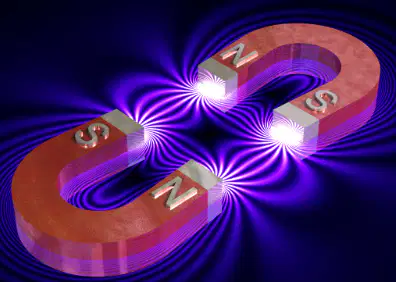
________________ is a property which creates North and South poles in a material.
a)
Electrical Circuit
b)
Resistance
c)
Conduction
d)
Electric force
e)
Magnetism
16.
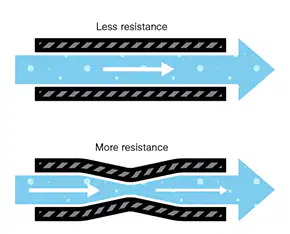
____________________ is a measure of opposition to the flow of electric current. Measured in Ohms Ω.
a)
Electrical Circuit
b)
Resistance
c)
Conduction
d)
Electric force
e)
Magnetism
17.

__________________ - whenever two objects touch and one of the objects has an electric charge and this charge is transferred or conducted.
a)
Electrical Circuit
b)
Resistance
c)
Conduction
d)
Electric force
e)
Magnetism
18.
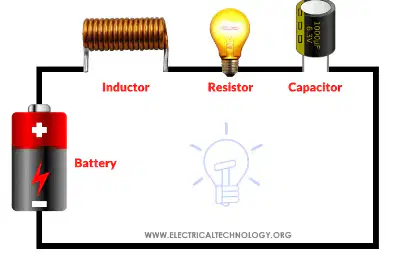
_______________ ____________ is a path for an electrical current to flow around.
a)
Electrical Circuit
b)
Resistance
c)
Conduction
d)
Electric force
e)
Magnetism
19.
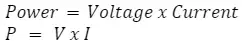
What is the power when a voltage of 220 V pushes a 2-A current through a lightbulb?
a)
440 W
b)
110 W
c)
218 W
d)
222 W
20.

What amount of current flows through a 100 W heater if it is plugged into a 120 V outlet?
a)
12000 A
b)
0.83 A
c)
20 A
d)
1.2 A
21.

What is the voltage needed in a computer circuit if a part gives off energy at 6 W if it uses a current of 0.2 A?
a)
6.2 V
b)
1.2 V
c)
20 V
d)
30 V
22.

What is the current produced with a 9.0 V battery through a resistance of 90 ohms?
a)
0.1 A
b)
81 A
c)
99 A
d)
0.2 A
23.

A current of 125 amps is flowing through a copper wire with a resistance of 0.021 ohms. What is the voltage?
a)
5952 V
b)
2.625 V
c)
0.000168 V
d)
125.021 V
24.

An appliance is operating on 120 V draws runs with a current of 30 amps. What is its resistance?
a)
150 ohms
b)
0.25 ohms
c)
4 ohms
d)
0.4 ohms
25.
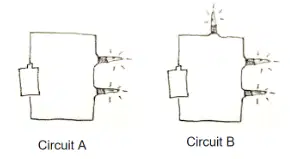
In the two circuits on picture all the light bulbs and batteries are exactly the same. Decide if statement is True or False: The bulbs in circuit A will be the same brightness as the bulbs in circuit B.
a)
True
b)
False
26.
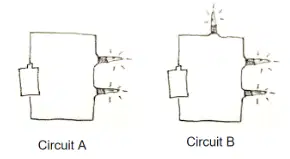
In the two circuits on picture all the light bulbs are exactly the same. Decide if statement is True or False: Charge flows faster through the two bulb circuit than through the three bulb circuit
a)
True
b)
False
27.
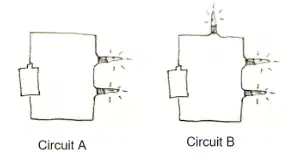
In the two circuits on picture all the light bulbs are exactly the same. Decide if statement is True or False: The bulbs in the two bulb circuit shine brighter than the bulbs in the three bulb circuit.
a)
True
b)
False
28.
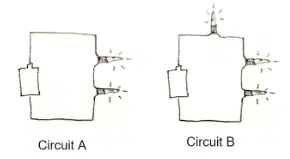
In the two circuits on picture all the light bulbs are exactly the same. Decide if statement is True or False: If you unscrewed one bulb in the three bulb circuit the other bulbs would stay lit.
a)
True
b)
False
29.
Which circuit is an open circuit?
a)
Option 1
b)
Option 2
30.
Which circuit is a parallel circuit?
a)
Option 1
b)
Option 2
31.
Which circuit is a series circuit?
a)
Option 1
b)
Option 2
32.
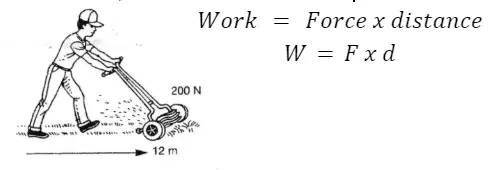
If a person used a force of 200 N to push a lawnmower a distance of 12 m, how much work was done?
a)
212 J
b)
188 J
c)
16.7 J
d)
2,400 J
33.
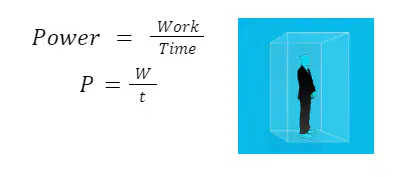
If an elevator motor uses 80,000 J of work in 40 seconds, how much power was applied?
a)
4,000 W
b)
2,000 W
c)
3,200,000 W
d)
0.0005 W
34.

Yes if work exists or No if work doesn’t exist:
A person who is carrying boxes and walking left.
a)
Yes
b)
No
35.
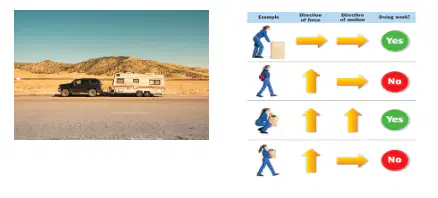
Yes if work exists or No if work doesn’t exist:
A car that pulls a trailer.
a)
Yes
b)
No
36.

____________________ = using a force to move an object a distance
a)
Work
b)
Joule
c)
Power
d)
Watt
e)
Horsepower
37.
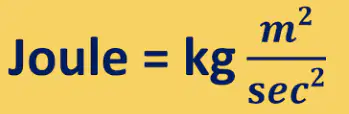
____________________ = the unit of Work
a)
Joule
b)
Work
c)
Power
d)
Watt
e)
Horsepower
38.
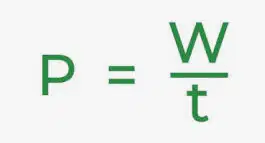
_________________ = is the rate at which work is done.
a)
Power
b)
Work
c)
Joule
d)
Watt
e)
Horsepower
39.

_______________ = the power needed to lift 550 pounds 1 foot in 1 second = 746 watts.
a)
Horsepower
b)
Work
c)
Joule
d)
Power
e)
Watt
40.
The ability to do work is __________.
a)
Energy
b)
Fusion
c)
Fission
d)
Fuel
41.
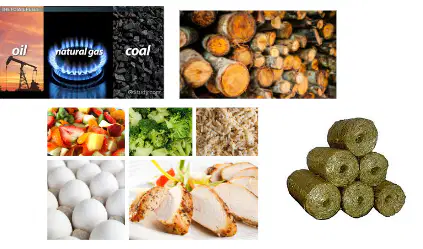
A material that is changed to produce energy is ________.
a)
Energy
b)
Fusion
c)
Fission
d)
Fuel
42.

Moving thermal energy that makes the temperature higher is ____.
a)
Stretch
b)
Compress
c)
Convert
d)
Heat
43.
______of Energy is when energy is NOT gained and NOT lost.
a)
Potential
b)
Kinetic
c)
Thermal
d)
Conservation
44.
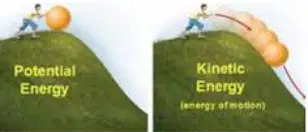
__________ Energy is energy from motion.
a)
Potential
b)
Kinetic
c)
Thermal
d)
Conservation
45.
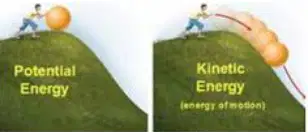
__________ Energy is energy because of position
a)
Potential
b)
Kinetic
c)
Thermal
d)
Conservation
46.
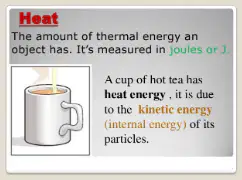
_____ Energy is the energy of moving particles in an object and can be felt as heat.
a)
Potential
b)
Kinetic
c)
Thermal
d)
Conservation
47.
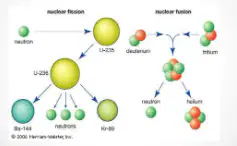
________ Potential Energy is the potential energy of particles in the nucleus of an atom.
a)
Nuclear
b)
Gravitational
c)
Static
d)
Elastic
48.
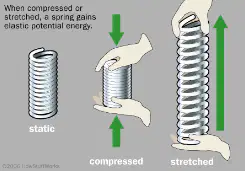
______ Potential Energy is energy from an object that is deformed (changed in shape)
a)
Nuclear
b)
Gravitational
c)
Static
d)
Elastic
49.

______Potential Energy is energy from position above the Earth.
a)
Nuclear
b)
Gravitational
c)
Static
d)
Elastic
50.

_____ Electricity is an electric charge that is not moving.
a)
Nuclear
b)
Gravitational
c)
Static
d)
Elastic
51.

______ Energy is energy moving in electric or magnetic waves.
a)
Chemical
b)
Electrical
c)
Electromagnetic
52.

______Potential Energy is energy from a chemical reaction
a)
Chemical
b)
Electrical
c)
Electromagnetic
53.
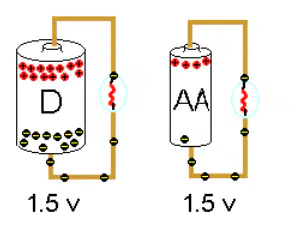
______Potential Energy is energy from forces between positive and negative charges.
a)
Chemical
b)
Electrical
c)
Electromagnetic
54.

If a 2.8 kg cat is sitting on a 3 meter high wall, what is the potential energy of the cat?
a)
82.32 J
b)
8.4 J
c)
27.44 J
d)
29.4 J
55.
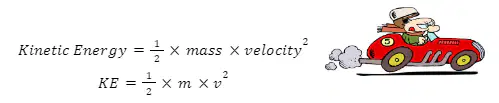
If a 850 kg car is traveling at a speed of 22 m/s, what is the kinetic energy?
a)
411,400
b)
205,700
c)
18,700
d)
9,350
56.
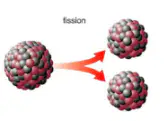
Which type of potential energy is taking place in picture?
a)
Electrical
b)
Gravitational
c)
Nuclear
d)
Chemical
e)
Elastic
57.

Which type of potential energy is taking place in picture?
a)
Electrical
b)
Gravitational
c)
Nuclear
d)
Chemical
e)
Elastic
58.

Which type of potential energy is taking place in picture if apples would fall?
a)
Electrical
b)
Gravitational
c)
Nuclear
d)
Chemical
e)
Elastic
59.

Which type of potential energy is taking place in picture?
a)
Electrical
b)
Gravitational
c)
Nuclear
d)
Chemical
e)
Elastic
60.
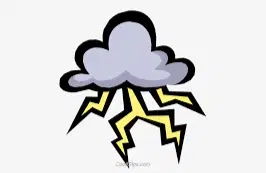
Which type of potential energy is taking place in picture?
a)
Electrical
b)
Gravitational
c)
Nuclear
d)
Chemical
e)
Elastic
61.
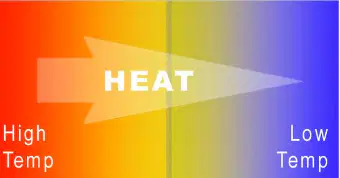
____________= the flow of energy; moves from high to low.
a)
Heat
b)
Thermal energy
c)
Temperature
d)
Vibration
e)
Thermometer
62.
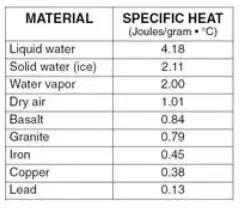
_____________= how much energy is needed to make a material hotter.
a)
Specific Heat Value
b)
Thermal energy
c)
Temperature
d)
Vibration
e)
Thermometer
63.
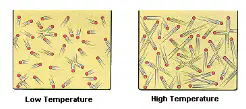
___________= the difference in the amount of heat between two objects. It is the measure of average kinetic energy in molecules. It is measured by a thermometer.
a)
Temperature
b)
Thermal energy
c)
Vibration
d)
Thermometer
e)
Heat
64.
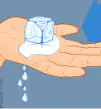
___________ = the kinetic energy of the atoms in an object. It can be transferred as heat. It can be measured as temperature.
a)
Thermal energy
b)
Temperature
c)
Vibration
d)
Thermometer
e)
Heat
65.
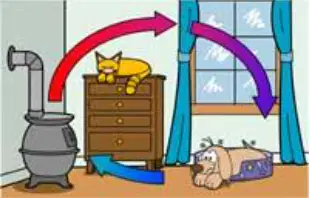
_______________= the transfer of thermal energy in a fluid (liquid or gas).
a)
Calorimeter
b)
Conduction
c)
Convection
d)
Radiation
e)
Thermodynamics
66.

____________= thermal energy moving by electromagnetic waves.
a)
Calorimeter
b)
Conduction
c)
Convection
d)
Radiation
e)
Thermodynamics
67.
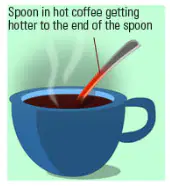
_____________= is thermal energy transferring from one object to another by touching.
a)
Calorimeter
b)
Conduction
c)
Convection
d)
Radiation
e)
Thermodynamics
68.

_______________= motion of a gas or liquid
a)
Flow
b)
Conductor
c)
Insulator
d)
Entropy
e)
Reflect
69.

_______________= send back energy
a)
Reflect
b)
Conductor
c)
Insulator
d)
Entropy
e)
Absorb
70.
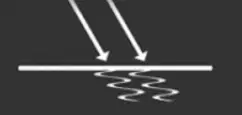
_________________= take in energy
a)
Absorb
b)
Conductor
c)
Insulator
d)
Entropy
e)
Reflect
Reset

