
Font size
 Worksheets
Waves Unit Test
Total questions: 50
Worksheet time: 41mins
a wave that can travel only through matter
Mechanical Wave
Electromagnetic wave
Transverse wave
Longitudinal wave

The highest point on a wave is:
the crest
the trough
the top
the coast

You can't hear sounds in outer space because there is no
medium
light
energy
heat

All waves carry ________ as they travel from one place to another.
matter
space
energy
water

The entire range of electromagnetic waves is called the ______
Electromagnetic spectrum
Gamma spectrum
Visible spectrum
Mechanical Spectrum
The human eye is able to see waves in this part of the electromagnetic spectrum
Visible light
X-ray
This type of Electromagnetic wave is used to treat cancer
Gamma rays
X-ray
Radio waves
Microwaves
This type of waves is used by snakes to find their food in the dark
Ultraviolet waves
X-ray
Gamma Rays
Infrared waves

What does a wave carry from place to place?
energy
matter
people
A wave that can travel through matter and empty space is a:
electromagnetic wave
longitudinal wavy
transverse wave
The number of waves that pass by a given point per second is known as a wave's _________
Frequency
Wavelength
Amplitude
Peak

Ocean waves are __________ Waves
Mechanical
Electromagnetic

X-rays are _________ waves
Electromagnetic
Mechanical

Sound waves are ________ waves
Electromagnetic
Mechanical
Earthquakes produce ________ waves
Seismic
Macro
electromagnetic
Micro
As wavelength increases , the frequency ________
increases
decreases
stays the same

Light waves are an example of ________ waves
Electromagnetic
Mechanical
Seismic
Micro

Which EM waves have the longest wavelength?
radio
x-rays
ultraviolet
gamma rays
Which EM waves have the shortest wavelength?
radio
x-rays
ultraviolet
gamma rays
Which EM waves are used to get images of bones and teeth?
radio
visible
ultraviolet
X-rays
Which EM waves have slightly more ENERGY than Ultraviolet waves?
radio
Visible light
infrared
x-rays
Which EM waves have the lowest frequency?
radio
none
infrared
x-rays
Which EM waves have the highest energy & are the most dangerous?
radio
gamma rays
infrared
x-rays
Which color waves have the lowest frequency?
red
yellow
green
violet
Which color waves have the shortest wavelength?
red
yellow
green
violet
What happens to frequency when wavelength decreases?
stays the same
decreases
increases
There is no relationship between wavelength & frequency.
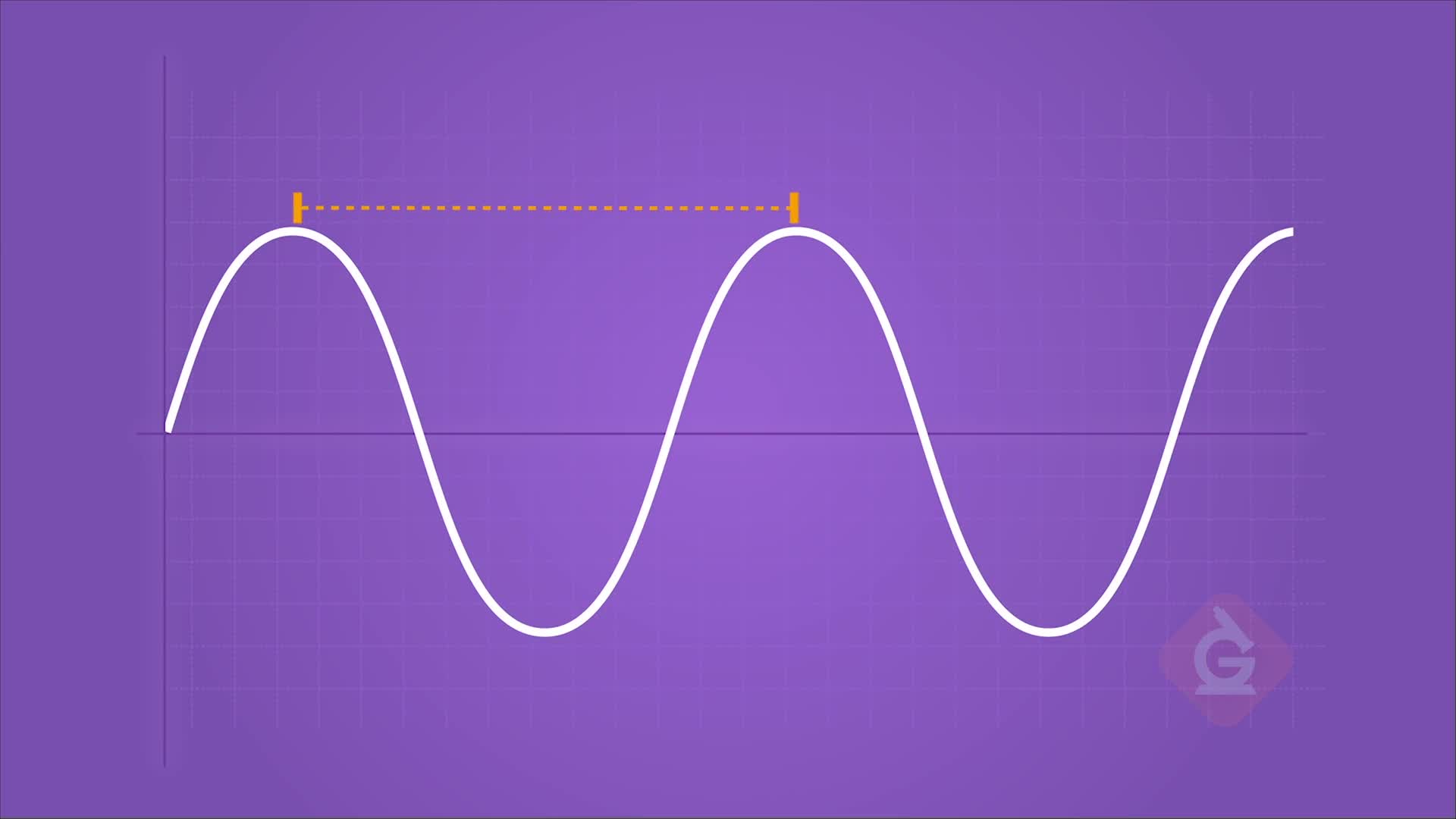
The distance between one point on a wave to the nearest point just like it is called____
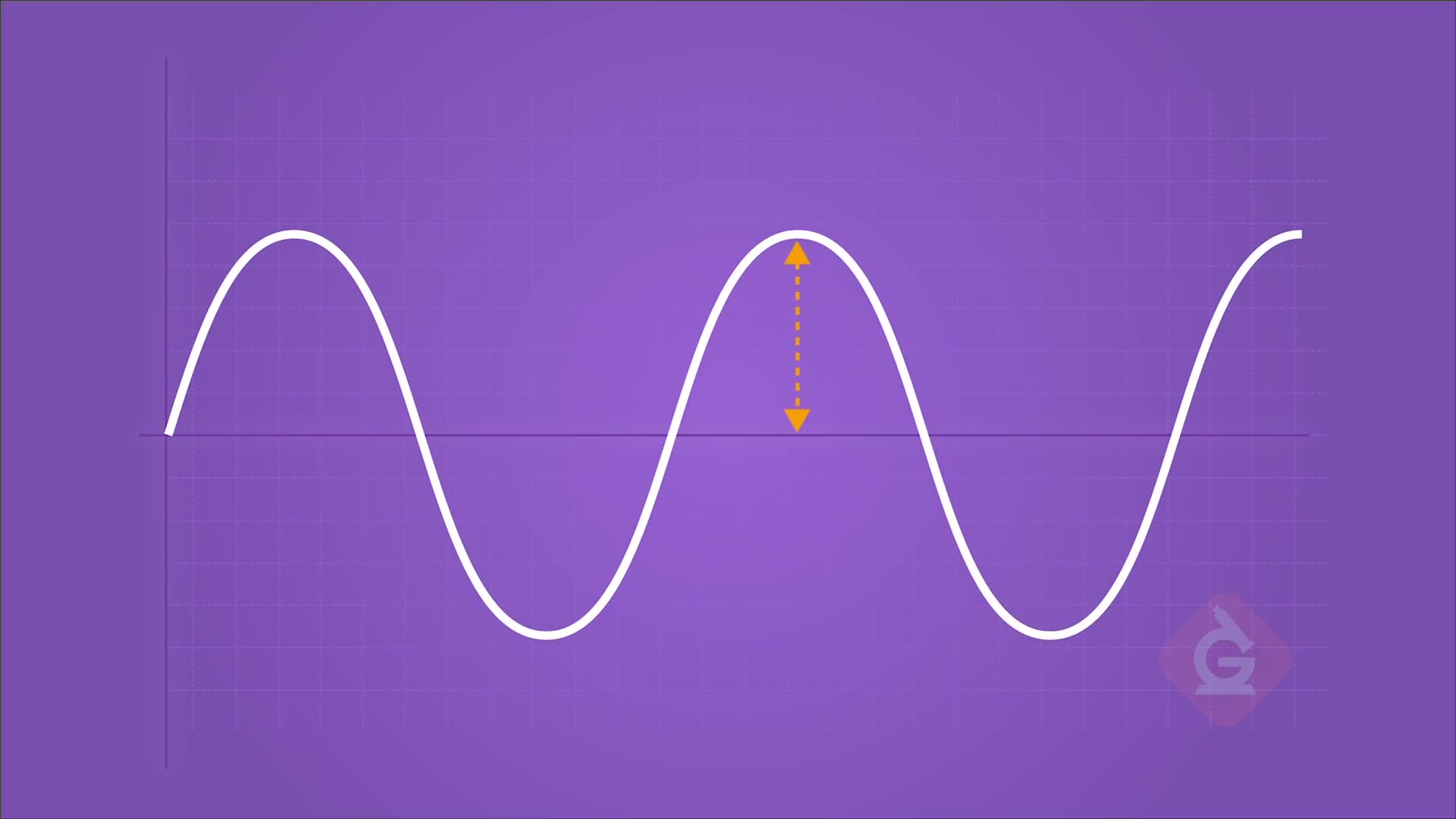
What is a measure of the size of the disturbance from a wave
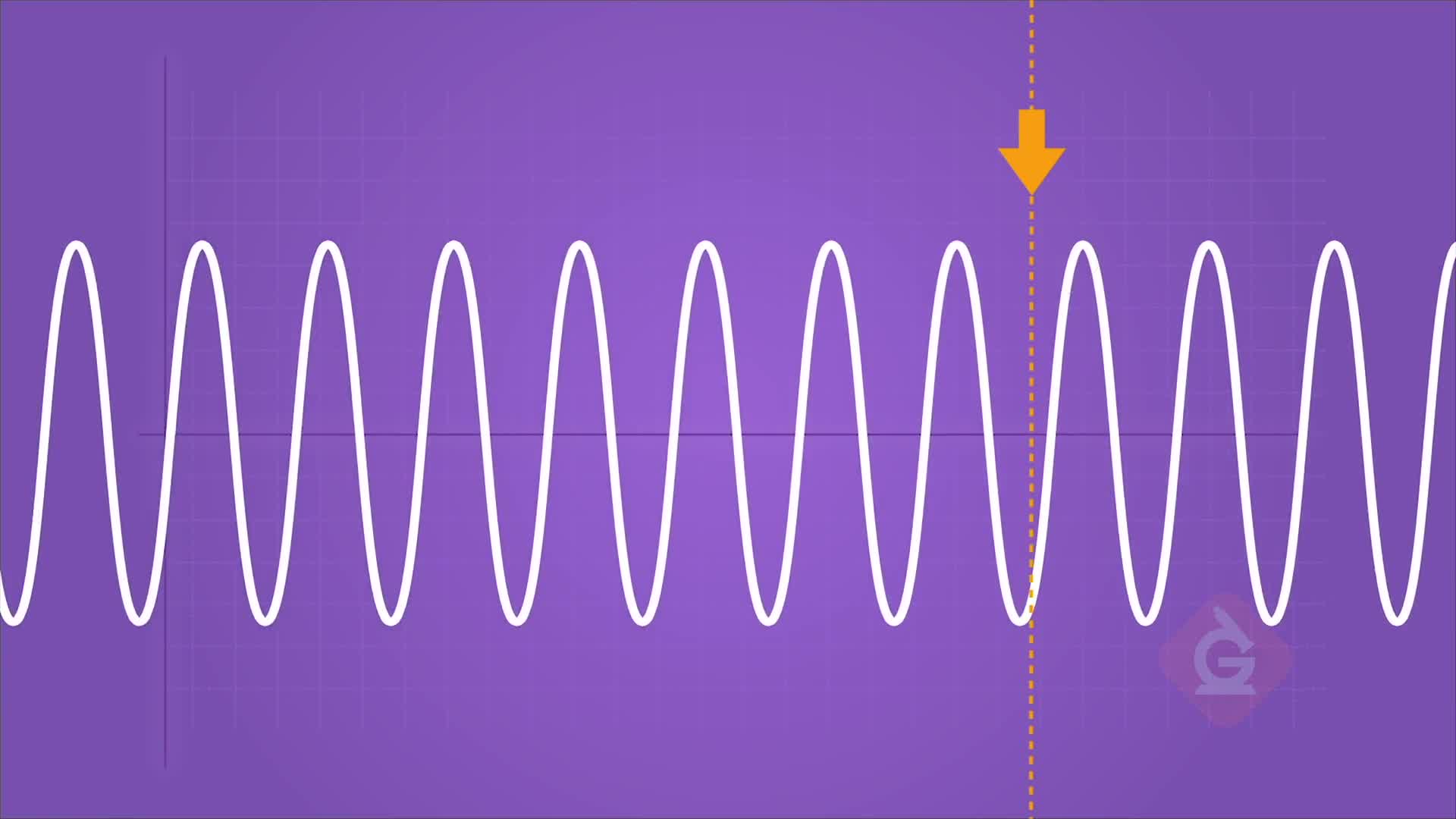

These waves make water molecules vibrate and warm up your food

These high-energy waves are given off by bombs and exploding stars



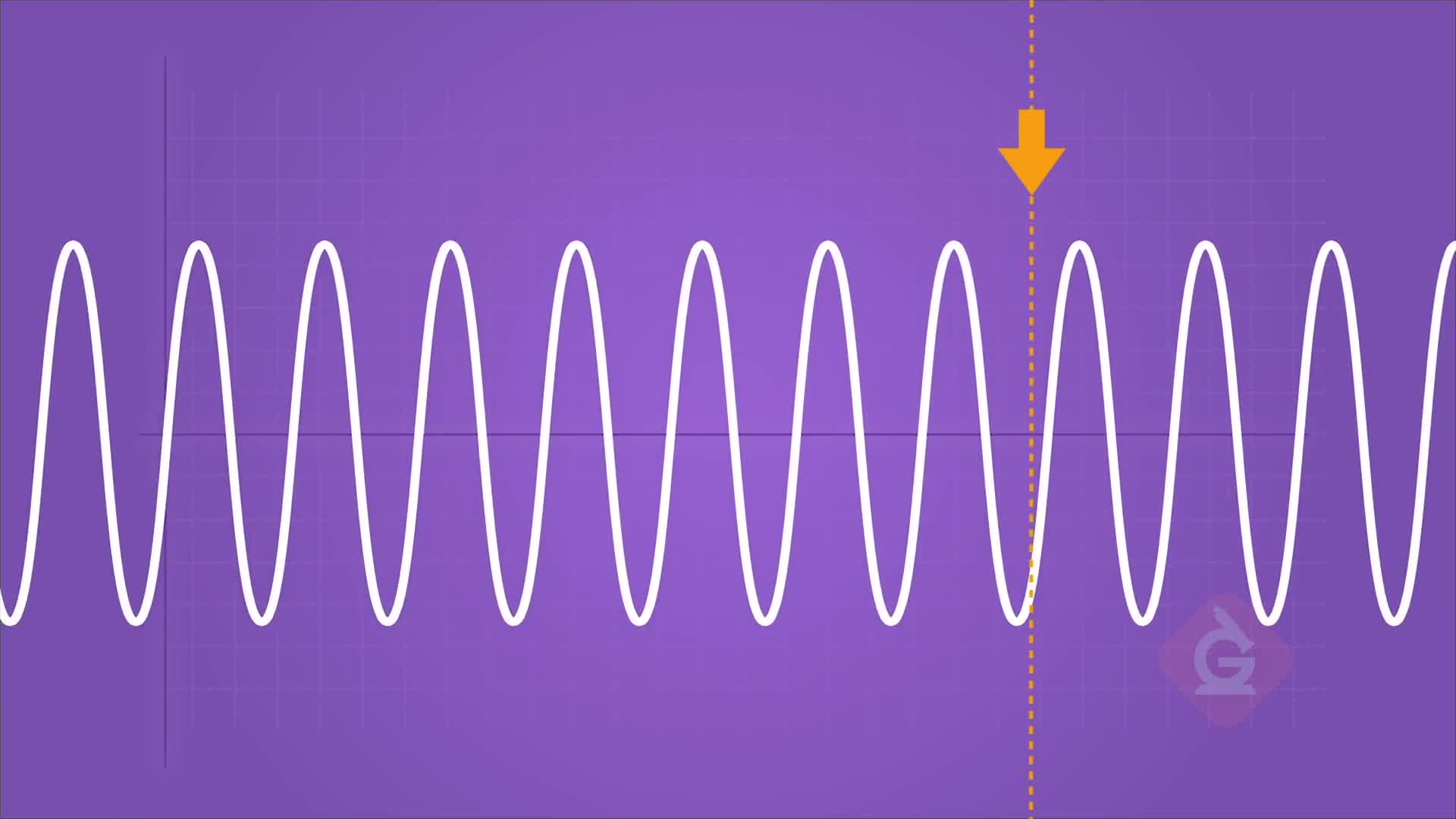
Radio waves
Has the longest wavelengths and the lowest frequency
Microwaves
Used in cell phone communication and police radar systems
Infrared rays
It is used in thermal imaging
UV rays
Overexposure to this can result in sunburns and skin cancer
Gamma Rays
Has the highest energy of all electromagnetic radiation and is the most damaging to human tissue
Both X-rays and gamma rays have higher frequencies than ultraviolet rays.
True
False
Reorder the following according to the spectrum
red
orange
yellow
green
blue
Reorder the following from lowest energy to highest energy
radio waves
microwaves
infrared
x-rays
gamma waves
Which has more energy?
radio/tv waves
infrared
Which has a higher frequency? (Hint: More Energy)
visible light
ultraviolet rays
Electromagnetic waves that humans can see
radio waves
visible light
x-rays
ultraviolet rays
Used for medical imaging to diagnose health issues in bones and teeth
visible light
ultraviolet rays
x-rays
gamma rays
Label the parts of a wave
Crest
Trough
Wavelength
Amplitude

