
Font size
 Worksheets
Natural Resources distribution
Total questions: 39
Worksheet time: 21mins
solid chemical substance with a regular; repeating arrangement of its atoms
mineral
crystal
silicate
ion
naturally occurring inorganic solid with definite chemical composition and orderly arrangment of atoms
ion
silicate
mineral
crystal
rock that contains high concentrations of desired substance, such as metal, and can be mined for profit
streak
fracture
ore
gemstone
Coal, petroleum, and natural gas; energy rich substances made from the preserved remains of organisms.
Non-renewable resource
Natural Resource
Fossil Fuels
Nuclear Fission
Anything occurring naturally in the environment that humans use
Non-renewable resource
Natural Resource
Fossil Fuels
Nuclear Fission
Are replaced by nature, we do not run out of them
Non-renewable Resource
Renewable Resource
A solid substance that is non-living, made of elements, and has a crystal structure
Mineral
Ore
Fossil Fuel, Coal, Oil, Gas, Nuclear energy
Non-renewable Resources
Renewable Resources
What are fossil fuels?
coal, oil, uranium
oil, natural gas, uranium
coal, oil, natural gas
geothemals, coal, natural gas

Agricultural Soil is a natural resource. The map shows that different regions of the world have different soil types.
Which of the following is most likely true?
The soil type of a region depends on the type of geologic processes that occur there and the rate at which they occur.
All types of vegetation are able to grow equally well in all soil types around the world.
The geologic processes that result in soil occur at the same time and at the same rate in every region of the world.
The soil type of a region depends only on the distance of that region from the ocean.
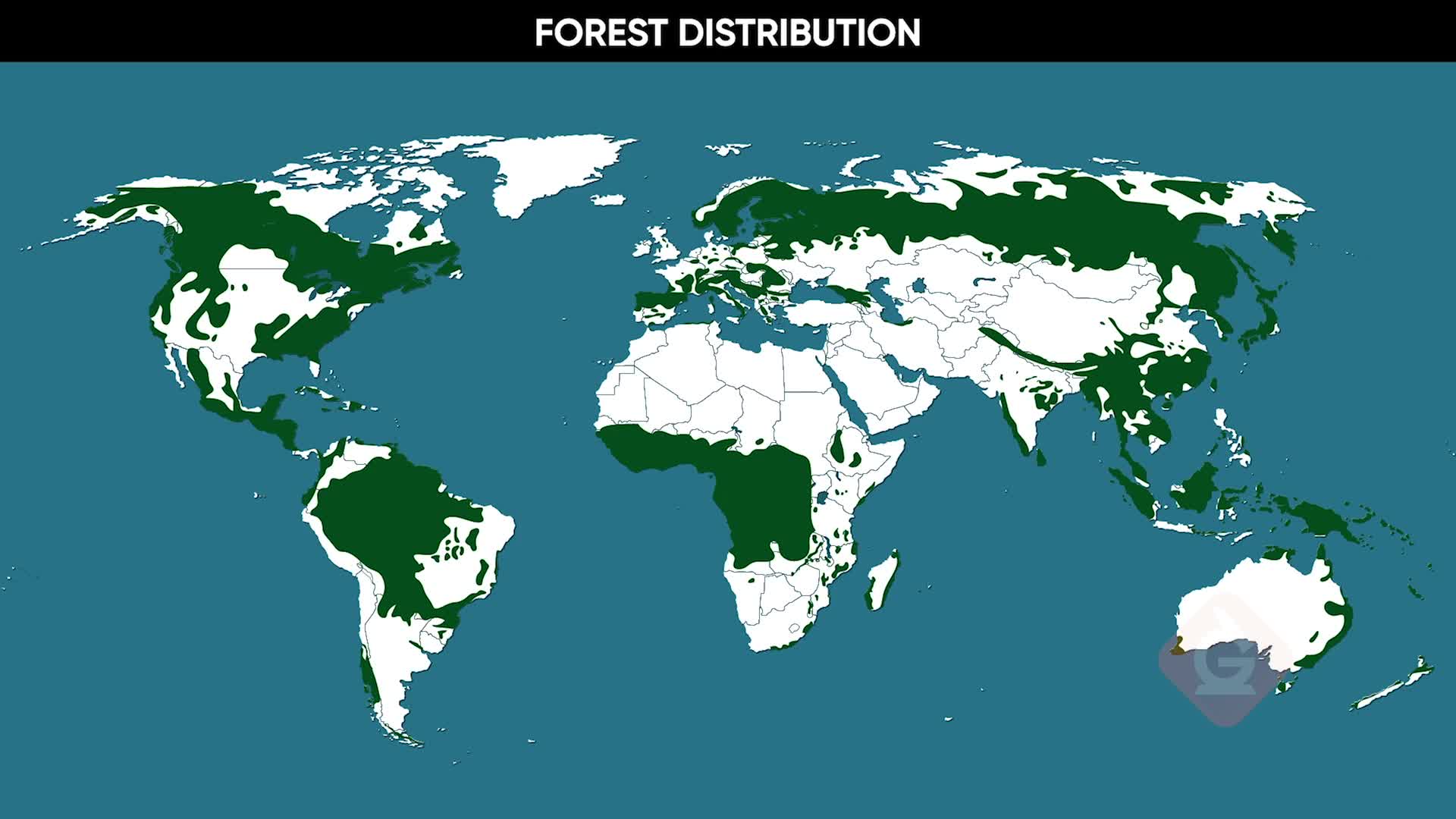
safely
easily
unevenly
underground
Fresh water is a natural resource, What percent of water on Earth is freshwater?
3%
97%
90%
5%
Why are some areas of Earth concentrated with minerals while others are not.
some areas of Earth have past or current volcanic activity
minerals can only form near water
some areas of Earth were swamps in the past
the climate is too warm in certain areas

How many protons in copper? Numbers only.
(a)
Copper deposits are often found...
in liquid
in igneous rocks
in sedimentary rocks
in coal deposits
Where was copper created before it was on Earth?
Core of older stars
Big Bang
Supernova
Core of young stars

What do you notice about the location of most copper deposits.
Copper deposits are random
Copper deposits are located in the middle of tectonic plates
Copper deposits are located on plate boundaries
The recycling process of what metal produces 95% less air pollution and 97% less water pollution, and uses 95% less energy than mining and processing its ore?
copper
lithium
silica from glass
gold
aluminum
The plates of the crust move because...
volcanoes erupt violently.
of the weight of the oceans.
of convection currents in the mantle.
of the moon's gravity.


Copper, as a natural resource, is found:
Everywhere on Earth
When dead organisms are buried under layers of sediment and the resulting copper is formed over millions of years.
During subduction when high heat melts copper minerals, which then becomes concentrated and cools.
At transform boundary lines where friction is released, causing earthquakes and copper deposits to rise up.

Petroleum oil, as a natural resource, is found:
Everywhere on Earth
When dead organisms are buried under layers of sediment and resulting petroleum are formed over millions of years.
During subduction when high heat melts petroleum deposits, which then becomes concentrated and cools.
At transform boundary lines where friction is released, causing earthquakes and petroleum deposits to rise up.

Metal ores are often formed in locations associated with:
volcanic eruptions at subduction zones.
dead organisms buried in sediment.
human impacts beneath the Earth's surface.
groundwater collecting in aquifers.

Many metal deposits are found in the western U.S. Why does this area contain more metal deposits than the eastern U.S.
Metal deposits form where dead organisms are buried and compacted in layers of sedimentary rock.
Metal deposits form when humans inject high amounts of water underground, causing the metal ore to flow to the surface.
Metal deposits form during subsidence, when the ground sinks due to the depletion of groundwater from aquifers.
Metal deposits form along subduction tectonic plate boundaries where the erupting magma brings metals to the surface.

Some of Earth's resources are non-renewable because:
humans have used them all up.
humans have not yet figured out how to make more.
the processes that formed them occurred over long periods of time.
the processes that formed them occurred very recently in Earth's history.

