
 Worksheets
Natural Resources
Total questions: 50
Worksheet time: 41mins
A resource that we can use more than once is called a _____ resource.
Renewable
Nonrenewable
Reusable
Recyclable
True or False: It is possible to make more nonrenewable resources in our lifetime.
True
False
What is deforestation?
Cutting down trees in a forest.
Planting new trees on empty land.
Using trees to produce oxygen.
Looking for new types of medicine in a forest.
Which of the following is a renewable resource?
Solar power
Wood from trees
Oil used for gasoline
Coal that powers a factory
Where are fossil fuels found?
In the Earth
In the forest
In animals
In the atmosphere
Fossil fuels are produced over _____ of years.
Hundreds of millions of years
Thousands of years
hundreds of years
every year
What do we need to use solar power for our electricity?
Solar panels
Sun panels
Solar engines
A sun motor
Why are trees considered natural resources?
People use them to make paper, lumber, fuel, and other products.
They provide shade.
They are a source of firewood
They can grow back after they are cut down.
Which of these is the most sensible way to conserve natural resources?
Walk or ride your bike when you can, instead of driving in the car.
Stop using all electricity.
Never ride in the car.
Don't use any products made from trees.
How does recycling conserve resources?
It allows us to reuse things instead of making new ones.
It means there will be less garbage trucks driving around.
We can recycle everything, even food!
There will be no more trash at the dump.
Any useful material that is found in nature:
Natural Resource
Human Resource
Plants
Fossil fuels
Fossil fuels are nonrenewable because...
they are used to produce heat
they take a long time to be replenished
they can be found underground
they produce pollution
What does conserving resources mean?
Using as many of the resources as you can
Wasting resources
Saving resources and using them wisely
Using a lot of resources
Which answer describes the difference between renewable and nonrenewable resources?
A renewable resource is a resource that is scarce while a nonrenewable resource is a resource that is abundant.
A renewable resource is a resource that is abundant while a nonrenewable resource is a resource that is scarce.
A renewable resource is a resource that is being used up faster than it is being replaced while a nonrenewable resource is a resource that is constantly supplied.
A renewable resource is a resource that is constantly being supplied while a nonrenewable resource is a resource that is being used up faster than it is being replaced.

What was the most widely used NONRENEWABLE resource in 2009?
Natural gas
Biomass
Petroleum
Hydropower

What was the most widely used RENEWABLE resource in 2017?
Coal
Petroleum
Hydroelectric
Biomass

Hydroelectric power produces electricity using.....
Wind
Sunlight
Moving water
Dung

What characteristic do all renewable resources share?
Produced by waste products
Form underground from dead organisms.
Replaced immediately or in a short period of time
Allow energy to pass through them easily

Petroleum and natural gas form from...
strong winds
cooled magma
radioactive materials
remains of ancient marine organisms

Energy from the sun is known as.........
hydroelectric energy
geothermal energy
solar energy
wind energy

Energy we get from earth's interior heat
Geothermal
Solar Energy
Wind Energy
Hydroelectricity

Takes millions of years to form.
hydroelectric
renewable
solar
fossil fuels

A resource that can be easily replaced.
renewable
alternative
nonrenewable

Any useful material found in nature.
natural resources
alternative
renewable
nonrenewable

How do fossil fuels affect the environment?
Expensive
Leaves fossils at earth's surface
Causes air pollution when burned
Bonds sediment.

Oil, cotton, and beef(cows) are all natural resources.
True
False

Most plastic is made from oil and is non-renewable
True
False

Coal, oil and natural gas
Non-renewable fossil fuels
carbon resources
natural resources
renewable resources

Formed from the decayed, ancient remains of swamp plants?
oil
natural gas
coal

Human activities affect the supply and quality of alot of resources including . . .
land
air
water
all of these


What is a Rock deposit with High concentrations of non-renewable, usable Minerals called?
Igneous Rocks
An Ore

Why is the conservation of natural resources important?
because many resources are nonrenewable and are being used up to quickly
because natural resources are all renewable
because many natural resources are inexhaustible
because conservation is practiced by most people
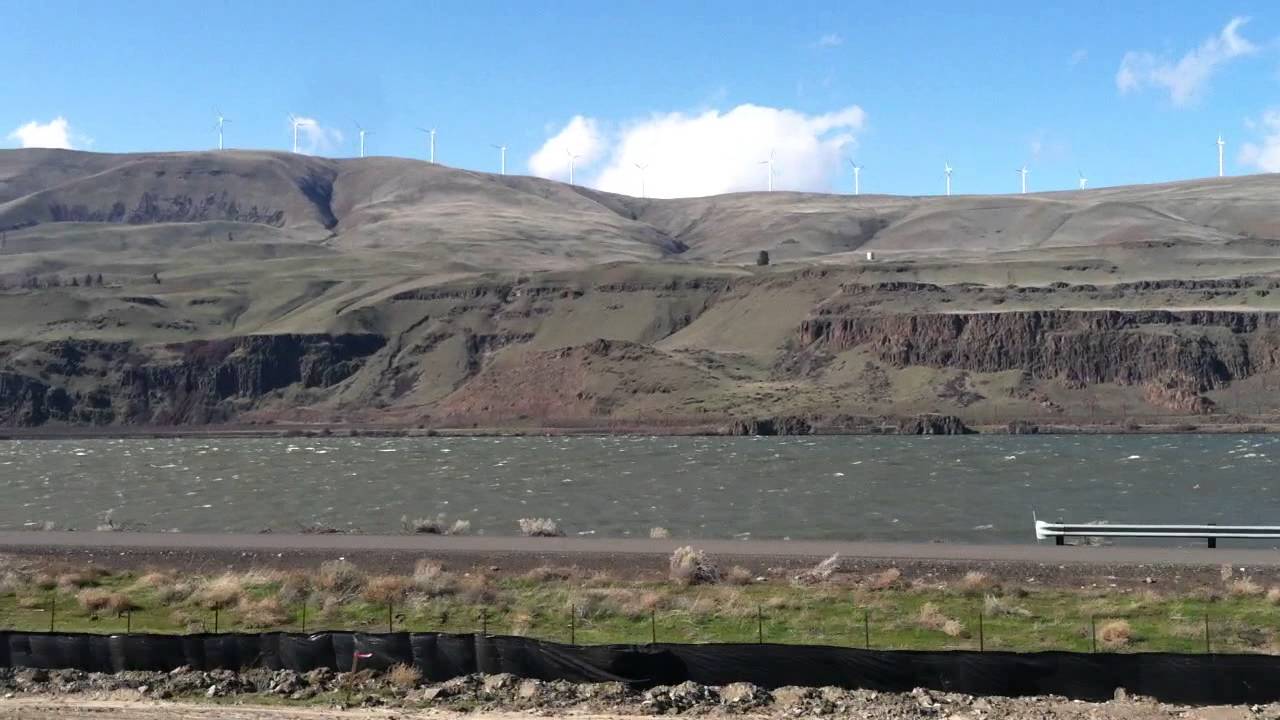
Natural Resources/Energy can be classified into..
Renewable and non renewable
Natural and non renewable
Renewable and Natural
All of them

Why is solar energy considered renewable energy?
It's cheaper than fossil fuels
The sun's energy will not run out for billions of years
Solar energy recharges batteries
All of them

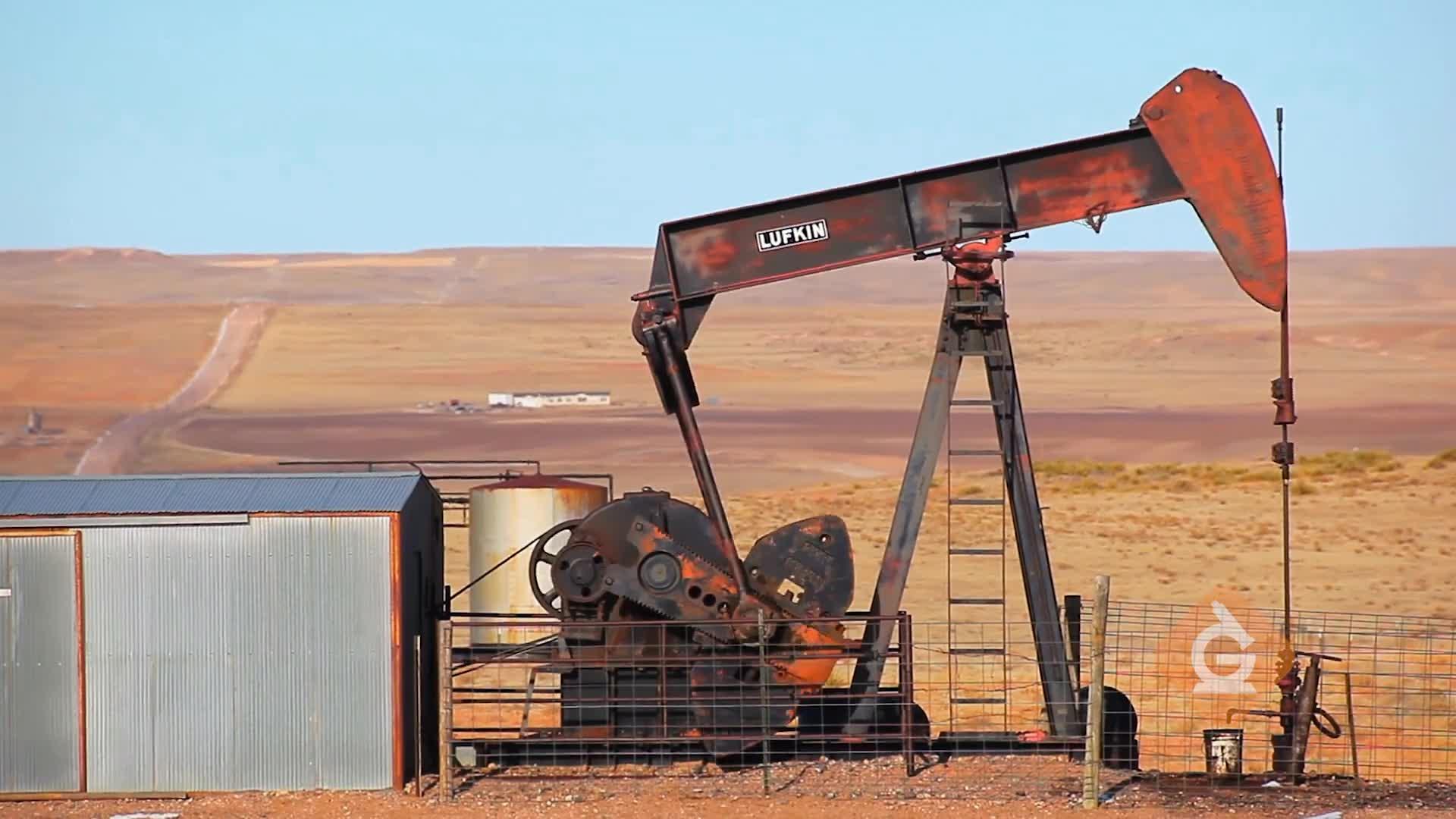
Which are ways we use fossil fuels?
eating and drinking
arts and crafts
paper and building
cars and heat
Resources that are not able to be reproduced as quickly as they are used are called _____.
renewable resources
replaceable resources
non renewable resources
non replaceable resources
Geothermal energy uses heat from ____ to produce electricity.
the earth
coal
oil
natural gas
Renewable resources ...
are not replaceable
are used more frequently than non renewables
are never going to run out
going to run out
What type of power plant uses the potential energy of water trapped behind a dam?
nuclear power plant
hydroelectric power plant
solar station
tidal harness
What are fossil fuels?
coal, oil, uranium
oil, natural gas, uranium
coal, oil, natural gas
geothemals, coal, natural gas
What type of power plant uses scraps from farming and waste products to generate electricity?
Hydroelectric Power Plant
Geothermal Power Plant
Biomass Power Plant
Nuclear Power Plant
Uranium atoms are split to create a tremendous amount of energy in a _____ power plant.
biomass
geothermal
nuclear
hydroelectric
Which of the following energy sources has the drawback of generating radioactive waste.
fossil fuels
nuclear
geothermal
hydroelectric
Which of the following uses tides or waves to generate electricity?
hydroelectric
geothermal
tidal harness
wind

Hydroelectric dams and their technology are expensive to build. Is this a pro or con?
Pro
Con

Fossil Fuels are inexpensive to obtain and use. Is this a pro or con?
Pro
Con

