
 Worksheets
Natural Selection, Evolution, Geologic Time, & Classification
Total questions: 75
Worksheet time: 1hrs 18mins
The better fitness an organism has in its environment, the more it's population numbers will
increase
decrease
stay the same
Biological fitness means an organism
is the biggest and the strongest
has a trait well adapted to it's environment
has a trait well adapted to it's environment and passes on traits through reproduction
The more related two species are the __________ similar their DNA.
More
Less
impossible to tell
Which of the following segments of DNA seem to have the most recent common ancestor to AAA AAT ACG GCA
AAA AAT ATG AAA
AAA AAT ACC CCA
AAA AAT ACG CGA
AAA AAT AAG AAA
Wisdom Teeth no longer have their original function in humans. What type of evolutionary structure is this?
Homologous Structure
Vestigial Structure
Analogous Structure
Bat wings are very similar in bone structure to whale fins. What type of evolutionary structure is this?
Homologous Structure
Vestigial Structure
Analogous Structure
Pangolins and anteaters do not have a recent common ancestor, but both have long, sticky tongues because they eat ants. What type of evolutionary structure is this?
Homologous Structure
Vestigial Structure
Analogous Structure
Why do humans and horses have similar bone structures in their "arms" even though they don't have the same function?
They are both animals.
They have a common ancestor.
That's the only way to make an arm.
Random coincidence.
New traits (genetic variation) comes from
Random Mutations
The environment
Adaptations
Animals choosing new traits
In order for Evolution to happen you need
Genetic Variation, Selective Pressure, and Inheritance
Mutations, predators, inheritance
Predators
Selection

Body parts of organisms that are the same in structure and position but different in function and shared by a common ancestor.
embryos
homologous structures
analogous structures
vestigial structures
Body parts that function like each other, but are different in structure and NOT shared by common ancestor
embryos
homologous structures
analogous structures
vestigial structures
Body parts that have lost their original function.
embryos
homologous structures
analogous structures
vestigial structures

Two organisms that are closely related would have
Very similar DNA sequences
Very different DNA sequences
The same exact DNA sequences
No similarity in DNA

.
Which rock layer contains the newest fossils?
B
F
E
C

Images of the embryo and adult stages of three different organisms are shown.
Which of the following is the best conclusion that can be drawn from this evidence?
Having similar embryos indicates that these organisms eat the same types of food.
Having similar embryos indicates that these organisms share a recent common ancestor.
Having similar embryos indicates that these organisms live in a similar environment.
Having similar embryos indicates that a certain protein controls how many legs the adult organisms will have.

What most likely caused the finches on the Galapagos Islands to have beaks that were different from the finches on the mainland?
There were different types of predators on the islands.
The finches on the mainland could not fly high enough.
There was no water on the islands.
There were different food types on each island.
What is Evolution?
the process by which humans use animal breeding and plant breeding to selectively develop particular phenotypic traits
the genetic change in the characteristics of a species over many generations, resulting in the formation of new species
the identification by humans of desirable traits in plants and animals, and the steps taken to enhance and perpetuate those traits in future generations
What isn't evolution?
Artificial selection is different to natural selection because...
It produces things that aren't alive
Animals that aren't meant to reproduce do it spontaneously in nature
Humans are interfering with the selection process

Share the same function but the structure is different...
Homologous Structures
Analogous Structures
Continents on Earth were once all connected
TRUE
FALSE
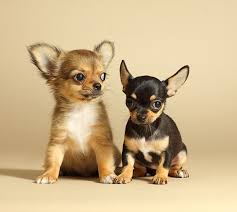
Because humans have determined which traits are favorable, dogs such as Chihuahuas are examples of....
A population of rabbits grows rapidly from one year to the next. Then one year, a disease strikes approximately one fourth of the adult rabbits. The disease remains with the population in the years that follow.
As explained by Darwin’s theory, which of these conditions allows the rabbit population to evolve by natural selection?
The disease affects adult and juvenile rabbits equally.
The disease reduces the ability of the rabbits to reproduce.
Some rabbits are resistant to the disease, and they pass the resistance to their offspring.
No rabbits are resistant to the disease, and all die when the disease strikes them.

The figure shows how natural selection of a single-trait gene affects lizard survival.
Which of the following most likely causes the changes in allele distribution?
The allele for light gray coloration disappears from the population. This may be because light gray lizards are more visible to predators and therefore they might be less likely to survive and reproduce.
The allele for black coloration decreases fitness and becomes less common. This may be because black coloration keeps the lizards cool during hot summer temperatures.
Medium gray coloration in lizards appears to be a neutral mutant allele that allows the lizards to hide better from predators. This leads to increases in phenotype and allele frequency of gray coloration.
Because black and medium gray lizards are less visible to predators, these alleles are neutral to natural selection and therefore will not disappear from the population of lizards.
Which of the following best illustrates natural selection?
An organism with favorable genetic variations will tend to survive and breed successfully.
A population monopolizes all of the resources in its habitat, forcing other species to migrate.
A community whose members work together utilizing all existing resources and migratory routes.
The largest organisms in a species receive the only breeding opportunities.
A technique used to determine the actual age of a fossil on the basis of the amount of a radioactive element it contains
petrified fossil
intrusion
fault line
radioactive dating
Method of determining the age of a fossil by comparing its placement with that of fossils in other layers of rock
law of superposition
relative dating
fossil record
petrified fossil

If I found fossils in layers C and B, which fossil would be YOUNGER?
B
C

The diagram shows fossils buried in layers of sediment. Which statement is supported by the information in the diagram?
The fossil in layer Z is the youngest.
The fossils in layers Y and Z are younger than the fossil in layer V.
The fossil in layer Y is older than the fossil in layer W.
The fossil in layer X is older than the fossil in layer Z.

The diagram shows fossils buried in layers of rock. Which conclusion is best supported by the diagram?
Trilobites and gastropods are the youngest fossils.
Crinoids and gastropods have lived during the same time period.
Ferns have existed for a longer period of time than coral.
Every ammonite fossil is older than the gastropod fossils.
Absolute dating relies on _________ elements, which are unstable elements that release energy as they break down.
Metallic
Radioactive
Noble Gases
Halogen

The three species pictured do not share a common ancestor, yet have evolved to have a similar anatomy and life style. This is an example of ?
Homologous Structures
Divergent Evolution
Vestigial Organs
Convergent Evolution

The three species pictured share a common ancestor and have adapted so that each lives in a different environment. This is an example of
Law of Superposition
Evolutionary Arms Race
Divergent Evolution
Convergent Evolution
Species from the same ancestor accumulate differences over time
convergent evolution
divergent evolution
parallel evolution
Species not closely related evolve similar traits due to their similar environment
Convergent evolution
divergent evolution
parallel evolution
All of the genetic information found in a population
population
genetic drift
evolution
gene pool
A few deer wander out of their native woods into a completely new park where no deer had ever been before. They go on to create an entirely new population.
Gene pool
Founder effect
bottleneck
mutation
Ten years ago, in a small population of ducks, two sizes of eyes were observed, large and small. Three ducks have large eyes and 7 have small. 2 of the large-eyed ducks are randomly hit by cars and killed. Today, no large-eyed ducks are present in the population.
gene flow
bottleneck
mutation
founders
Situation in which allele frequencies change as aresult of the migration of small subgroup of a population is known as:
founder effect
genetic bottleneck
random mating
natural selection

A Variation that makes an organism more suited to its surroundings
adaptation
variation
evolution
embryology

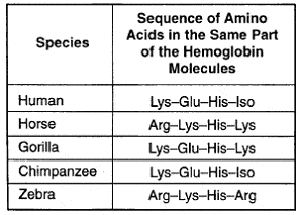
By looking at the genes of some animals we can determine which living species are most closely related to each other. This also reveals which species most recently diverged from their common ancestor.
Based on the partial gene segments shown, which pair of animals are genetically most closely related and therefore most recently diverged from their common ancestor?
Chimpanzee and Mouse
Rat and Mouse
Rat and Chimpanzee

Based on the embryological development of four different species of organisms, which organism most likely shares the closest evolutionary relationship to the organism pictured?


A farm contains a population of both brown and green grasshoppers. After the growing season, a farmer plows one field on the farm, leaving behind only exposed dirt. After a few weeks, some grass begins to grow in that field, and within a month, the field is covered in grass. What change in the population of grasshoppers would be expected in the field during this time based on their genetic variation in color?
The green and brown grasshoppers will choose to mate with each other, resulting in both colors of grasshoppers having roughly equal numbers in the field.
After plowing the field, brown grasshoppers would be more plentiful, but over time, the green grasshoppers would become more plentiful in the field.
After plowing the field, green grasshoppers would be more plentiful, but over time, the brown grasshoppers would become more plentiful in the field.
The green and brown grasshoppers will eat plants of any color, resulting in both colors of grasshoppers having roughly equal numbers in the field.


In which domain does a mushroom belong?

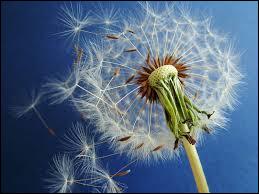
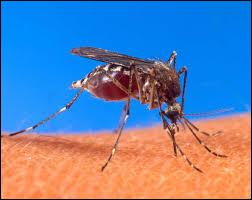


In which kingdom does the organism below belong?
Animalia
Fungi
Plantae
Eubacteria

Identify the kingdom based on the organisms characteristics.
Eubacteria
Fungi
Archaea
Animalia

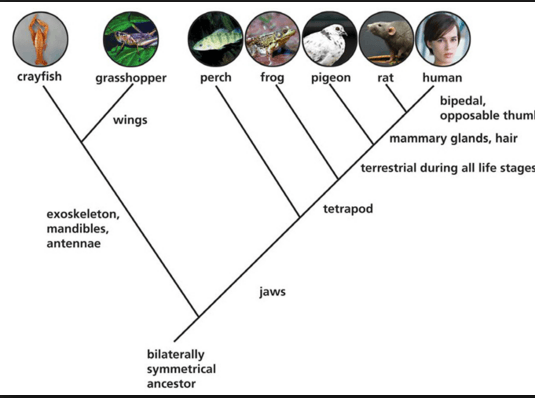

Which letter represents the most recent common ancestor of sponges and mushrooms?
A
B
C
D
E

What characteristic do all the organisms on this cladogram share?
Being bi-pedal & having language
Complex brains
Fully binocular vision
Partial binocular vision & opposable thumbs

