
 Worksheets
Classification UNIT review
Total questions: 146
Worksheet time: 1hrs 22mins


What do Prokaryotes and Eukaryotes have in common?
all contain DNA
DNA found in a nucleus
DNA is free floating


Which cell has a nucleus (is eukaryotic) ?
A
B
Who is known as the "Father of Taxonomy"?
Charles Darwin
Anton von Leeuwenhoek
Carolus Linnaeus
Gregor Mendel
Largest (and newest) taxon of life?
Kingdom
Domain
Species
DNA
Science of classification
Genetics
Punnett Squares
Domain
Taxonomy

Includes the kingdom, animalia?
Archaea
Bacteria
Eukarya

Includes prokaryotes found living in extreme environments?
Archaea
Bacteria
Eukarya
A correct example for binomial nomenclature?
treefrog
squirrels
Canis lupus
chordata
What is the pigment in chloroplasts that performs photosynthesis?
Chlorosynthesis
Chlorophyll
Chloroplast
Green
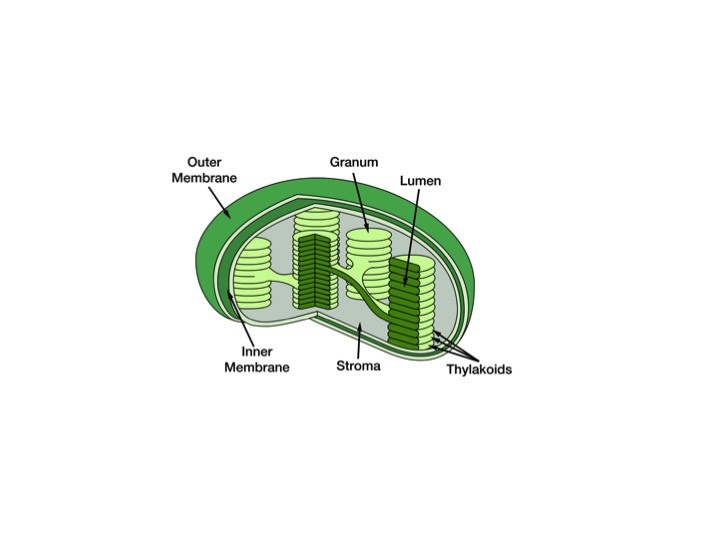
Chloroplasts are...
Structures of animal cells to produce ATP
Organelles where lipids are elaborated
Organelles in plant cells where photosynthesis takes place
Waste organelle of plants


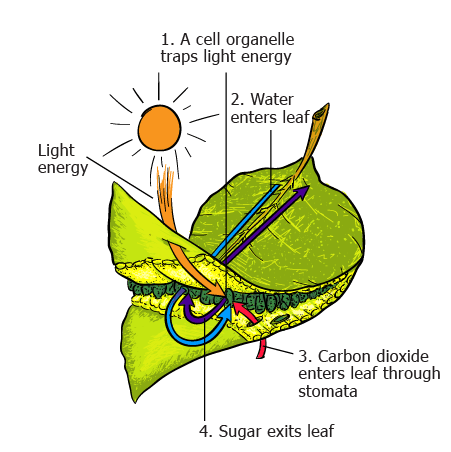
What substances and organelle work together to absorb sunlight to perform photosynthesis in this example?

Is fungi autotrophic or heterotrophic?
Autotrophic, they make their own food
Heterotrophic, they get food from other organisms

Which for the following organisms would belong in the same Kingdom as a penguin?

In which domain does a mushroom belong?

Which of the following terms means "a cell that does not have a nucleus"?
Prokaryotic
Eukaryotic
Protista
Archaea

What is the correct way to write the scientific name correctly?
Genus species
genus Species
Genus Species
genus species


A group of organisms that look alike and can reproduce among themselves is known as a:
Genus
Phylum
Species
Family

Examples of species in this kingdom are amoebas and paramecia.
Fungi
Protista
Plantae
Animalia

Taxonomy means to...
Put things into groups based on characteristics.
Pay a percentage of your wages to the government.
Draw pictures of microscopic organisms.
Measure the size of a cell's nucleus.
Choose every organism shown that can be grouped into the Domain Eukarya:


Choose every pictured cell that is EUKARYOTIC:


Organisms in this kingdom are decomposers; they break down dead plants and animals for their food.
plants
animals
fungi
sunflowers
ALL members of this kingdom have cell walls made of cellulose
Eubacteria
Protista
Plantae
Fungi
A wolf's scientific name is Canis rufus. Which genus does it belong to?
Canis
rufus
wolf
animal


Seed dispersal moves seeds away from the parent plant so the new plant will have enough space. Seeds can move from one place to another by
wind
water
animals
wind, water, and animals

A cold-blooded vertebrate with fins and gills that lives in water.
Amphibian
Vertebrate
Mammal
Fish

Clara made a list of organisms and classified then into two groups. What would be the best titles for these groups?
Group 1: fish, amphibian, reptile
Group 2: mollusks, arthropods
Vertebrates and invertebrates
Seed producers and vertebrates
Seed producers and invertebrates
Vertebrates and non-seed producers

Which of the following best describes a mammal?
An invertebrate that breathes using gills and does not reproduce
A vertebrate that only lays eggs
An invertebrate that has fur
A vertebrate that has fur and typically produces milk for young

Based on the chart above, which of the following would be classified as a vertebrate?
Grasshopper
Iguana
Jellyfish
Spider

The organism in the photo is a type of moss and would be best classified as
a vascular plant
a nonvascular plant
an invertebrate
a vertebrate

The organism in the photo above would be best classified as
an invertebrate
a vertebrate
a reptile
an amphibian
Which of the following is NOT a characteristic of ALL animals?
Many celled
Can swim
Digest food
Move from place to place

Crabs, insects, and spiders are in this group.
Mollusk
Echinoderm
Arthropod
Annelid

Have a soft body and sometimes hard shell.
Mollusk
Echinoderm
Arthropod
Annelid

Earthworms and leeches are segmented worms in this phylum
annelids
mollusks
arthropods
cnidarians

eukaryotic, can be multi-cellular or uni-cellular, can be autotrophic or heterotrophic, live in water environments
fungi
protist
animals
bacteri
all are eukaryotic, some are multi-cellular and some are uni-cellular; most are decomposers
animals
plants
fungi
protist
I am made of many cells. My cells have an organized nucleus. I make my own food (autotrophic)
Fungi
Bacteria
Plantae
Animalia

Jellyfish and sea anemones
Arthropods
Mollusks
Echinoderms
Cnidarians
prokaryotic and unicellular, most are helpful, many are decomposers; many can make you very sick; some are used to make foods like cheese, yogurt, soy sauce and pickles: what KINGDOM?
eubacteria
archaebacteria
protist
fungus
all organisms are prokaryotic and uni-cellular; they can be found in extreme environments. WHAT KINGDOM?
eubacteria
protist
fungus
archaeabacteria
all are eukaryotic, some are autotrophic, some are heterotrophic; some move, can be one or many cells, most live in watery environments..NAME THE KINGDOM
eubacteria
protist
fungus
archaeabacteria
all organisms are eukaryotic, most are decomposers, can be one or many cells, all are heterotrophs.. NAME THE KINGDOM
eubacteria
protist
fungus
archaeabacteria

Which scientific name for the polar bear is written correctly?
Ursus Maritimus
Ursus maritimus
Ursus maritimus
ursus maritimus

When plants grow towards the light
seed dispersal
phototropism
photosynthesis
autotrophic
vertebrate that lays eggs in water, lives on land as young and water as an adult; cold blooded
fish
reptiles
amphibians
echinoderms
vertebrate that lays eggs on land, have lungs throughout their life; cold blooded
fish
reptiles
amphibians
echinoderms
which 2 groups are the decomposers?
bacteria
plants
fungi
animals
A living thing that is made of one or more cells, uses energy, moves, responds to its environment, adjusts, reproduces, has a metabolism and has a life span
respiration
growth
organism
metabolism
The smallest unit of an organism that can perform life functions
digestion
development
orgamism
cell
Anything an organism responds to.
Examples: sound, light, heat, odor, movement, hunger
stimulus
response
metabolism
reproduction
The reaction of an organism to a stimulus
Example: to jump when startled, to move away from a light or noise.
photosynthesis
development
stimulus
response
The process by which organisms break down food to release energy.
Example: the oxygen we breathe in enters the lungs and is moved into the blood to help cells break down the food and that releases the energy.
photosynthesis
hibernation
organism
respiration
The process of combining carbon dioxide, water, and light energy in the chloroplast to store energy for the cells.
Example: plants take in sunlight and use carbon dioxide and water to store energy
photosynthesis
respiration
dormant
ingestion
To increase in size as an organism gets older
Example: getting taller
development
cell
growth
excretion
All the changes undergone by living things as they grow.
Examples: learning to walk, talk; puberty, maturing into an adult
adaptation
growth
development
life span
A state of inactivity when resources are low; so that organisms can conserve energy; metabolism is lower to survive
Ex: seeds, tulip bulbs in winter
respiration
organism
dormant
digestion
A type of dormancy in mammals
Ex: polar bears do this in the winter because
food is harder to find
ingestion
hibernation
growth
reproduction
To produce an organism of the same kind.
Examples: cats have litters of kittens, a dog has puppies
development
reproduction
stimulus
response
The length of time an organism is expected to live. Examples: humans average 80 years, dogs average 12 years, mayflies average 1 day
life span
growth
dormant
adaptation
To take food, water or minerals into the body.
Example: eating an apple or drinking a Gatorade
adaptation
ingestion
digestion
excretion
The process by which organisms break down food
into small molecules that can be used by the organism
ingestion
digestion
excretion
hibernation
Waste removal
Examples: exhaling carbon dioxide, solid and liquid waste removal
excretion
digestion
ingestion
photosynthesis
Any inherited characteristic of an organism that makes it better able to survive in its environment.
Examples: wings, number of legs, fingers, leaves, or sharp teeth
growth
stimulus
response
adaptation
All of the chemical activities of an organism that enable the organism to live, grow and reproduce.
Examples: respiration, digestion
ingestion
metabolism
life needs
hibernation
All the materials and conditions an organism need to survive.
Examples: nutrients, oxygen, proper temperature, space, water
growth
life needs
development
metabolism
living
abiotic
biotic
not living
abiotic
biotic
the 3 domains are
protist, plants and animals
archae, bacteria, eukarya
archae, animals, bacteria
the science of identifying and naming organisms
sortification
nomenclature
taxonomy
the arrangement of organisms into orderly groups based on similarities
kingdoms
domains
classification
this domain has organisms found in hot sprints and deep ocean vents
plants
archae
bacteria
eukarya
this domain has organisms that cause strept throat
archae
bacteria
eukaryote
this domain has eukaryotic organisms
eukarya
archae
bacteria
these domains have prokarytic organisms
archae
bacteria
eukarya
cells with a nucleus
prokaryotic
eukaryotic
cells without a nucleus
prokaryotic
eukaryotic
the largest level of classification
domain
kingdom
species
the smallest, most specific level of classification
genus
order
family
species
which scientific name is written correctly
Canis familiaris
Canis familiaris
Canis Familiaris
canis familiaris
the 4 kingdoms of eukarya
animals, plants, protist, fungus
archae, plants, protist, bacteria
mammals, reptiles, plants, bacteria
he developed the modern 2 word naming system
Aristotle
Dr. SJ
Linneaus
the 8 levels of classification IN ORDER from the largest grouping to the smallest grouping:
domain, phylum, kingdom, class, order, genus, family, species
domain, kingdom, phylum, class, order, family, genus, species
domain, kingdom, phylum, class, order, family, species, genus
domain, kingdom, phylum, class, family, order, genus, species
Which characteristics do scientists look at to classify organisms today? choose 2 answers
structure, internal and external features
cellular characteristics and phylogeny
if they live in land, sea or air/sky
plant or animal and cellular characteristics
scientific names are written in
greek or latin
english or chinese
spanish or german
the 2 word naming system
dichotomous key
scientific name
binomial nomenclature
the science of classification will continue to change because (choose all that apply)
we discover new ecosystems and organisms that live there
we develop new technology
bah humbug, it will never change
our understanding of organisms change
Rules for writing scientific names include (choose all that are true and correct)
the species name begins with a lower case letter
the genus name begins with a lower case letter
both species name and genus name are underlined or in italics
the genus is first and the species is second
Which characteristics did Aristotle look at to classify organisms way back in the day? choose 2 answers
structure, internal and external features
cellular characteristics and phylogeny
if they live in land, sea or air/sky
if they are a plant or an animal

