
Font size
 Worksheets
Cardiovascular and Respiratory System Review
Total questions: 81
Worksheet time: 56mins


What prevents blood from flowing back into the atria when the ventricles contract?
semilunar valves
sinoatrial node
atrioventricular node
tricuspid and bicuspid valves
When blood leaves this chamber of the heart, it heads out to the body (not the lungs)
left atrium
right atrium
left ventricle
right ventricle
When this chamber contracts, it pushes blood through the tricuspid valve
right atria
right ventricle
left atria
left ventricle
This initiates the action potential that causes the heart to beat
Inferior vena cava
Atrioventricular node (AV node)
Superior vena cava
Sinoatrial node (SA node)
When blood leaves this chamber of the heart, it heads to the lungs
right atrium
right ventricle
left atrium
left ventricle
This is responsible for distributing electrical impulses through the heart
Atrioventricular node
Sinoatrial node
Inferior vena cava
Superior vena cava
This stops blood from flowing back into the ventricles each time they contract
semilunar valves
tricuspid and bicuspid valves
Sinoatrial node (SA node)
Aorta
Which of the following is FALSE about pacemaker cells?
They allow the heart to beat on its own
They create their own electrical impulses
They are part of the sinoatrial node and the atrioventricular node
They require depolarizing stimulation from the brain
The relaxing of the heart is known as
Diastole
Systole
Heart Rate
Cardiac Arrest
The contraction of the heart is known as?
Stroke volume
Diastole
Cardiac cycle
Systole
The cusps (leaflets) of atrioventricular valves attach directly to
papillary muscles.
trabeculae carneae
chordae tennidae
interatrial septa
The visceral pericardium is the same as the
epicardium
mediastinum.
parietal pericardium.

Which blood vessel deliver deoxygenated blood from the heart to the lungs.
A
B
C
D
EPICARDIUM
OUTER LAYER OF HEART
MIDDLE LAYER OF HEART
INNERMOST LAYER OF HEAR
ENDOCARDIUM:
OUTER LAYER OF HEART
MIDDLE LAYER OF HEART
INNERMOST LAYER OF HEART
MYOCARDIUM
OUTER LAYER OF HEART
MIDDLE LAYER OF HEART
INNERMOST LAYER OF HEART
THE 2 SUPERIOR CHAMBERS OF THE HEART ARE THE:
ARTERIES
VENTRICLES
ATRIA
THE 2 INFERIOR CHAMBERS OF HEART:
ATRIA
AORTA
VENTRICLES
VEIN


The rare but deadly trauma to the heart during a fraction of a second known as the repolarization phase is ____ .
hypertrophic cardiomyopathy
commotio cordis
heart attack
seizure
Sports at risk for Commotio Cordis include sports with a hard object that could impact the chest.
True
False
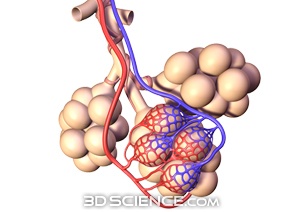
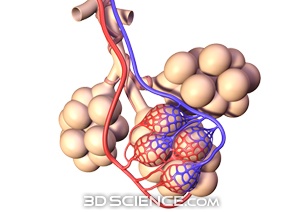

Flap of tissue that covers the opening to the windpipe during swallowing
Pharynx
Trachea
Epiglottis
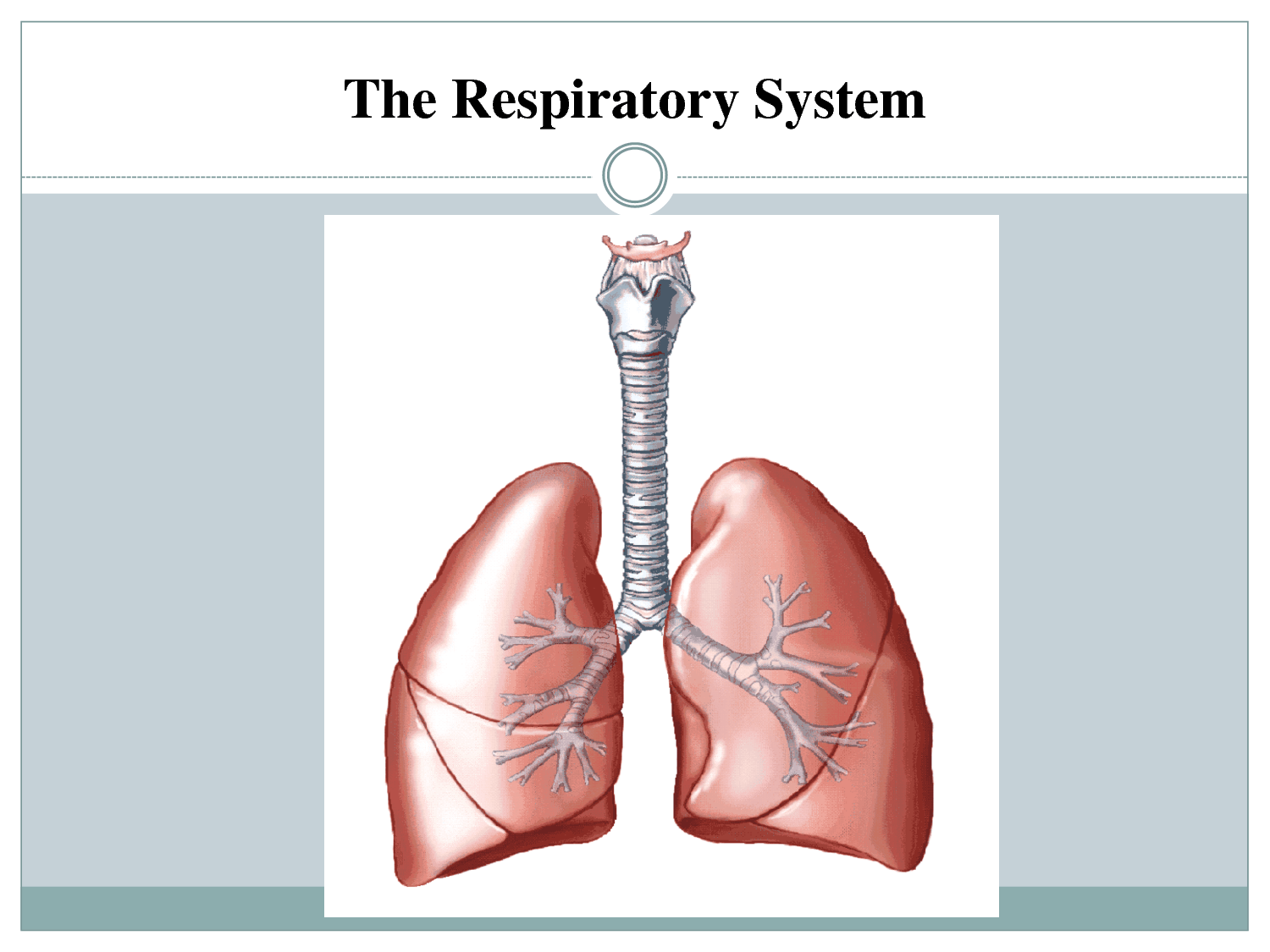
1. larynx
2. nasal cavity
3. pharynx
4. trachea
Which of the following is the correct order that air would flow during inhalation.
The drawing in of breath; inhalation.
Inspiration
Expiration
Breathing out; exhalation of breath.
Inspiration
Expiration
What is the site of gas exchange?
alveoli
nose
lung
bronchi
The division of the trachea forms
nose
main bronchi
lungs
alveoli
Which part of the Respiratory System collects air from the environment & heats/moistens the air before entering the body?
lungs
nose
heart
mouth

What is labeled at E?
bronchi
trachea
pharynx
none of the above
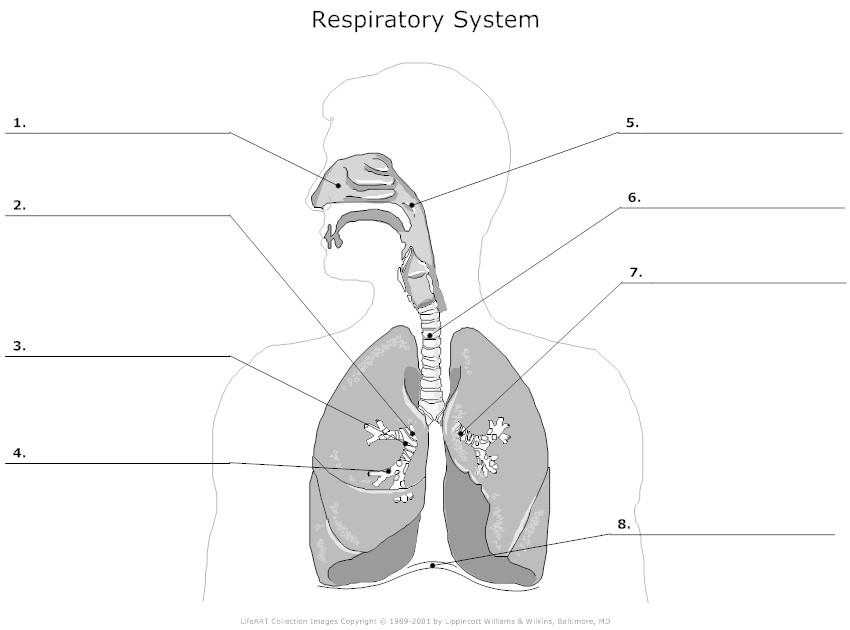

NUMBER 2:
Pharynx
Bronchi
Alveoli
Lungs
A capillary is a form of...
Gas exchange
Respiration
Blood vessel
Alveoli
Gaseous exchange happens because of...
Osmosis
Respiration
Diffusion
Semi-permeable membranes
Which two muscles are responsible for BREATHING?
The Diaphragm
The Lungs
The Heart
The Intercostal Muscles
During Expiration (breathing out) the intercostal muscles _____________________ and the chest becomes smaller.
contract
relax
Given the following structures:
1. alveoli
2. bronchi
3. bronchioles
Which of the following is the correct order in which air would flow after inhalation?
1,2,3
2,1,3
2,3,1
3,2,1
What happens when you breathe in? (tick all that apply)
diaphragm relaxes and moves up
diaphragm contracts and flattens
increases volume in thorax
reduces volume in thorax
what is found around alveoli?
capillaries
pleura
lymphatic nodes
saliva
Which sequence correctly indicates the branching pattern of the human respiratory system?
trachea -> bronchi -> bronchioles -> alveoli
trachea -> bronchioles -> bronchi -> alveoli
alveoli -> trachea -> bronchioles -> bronchi
alveoli -> bronchioles -> trachea -> bronchi

What is F pointing to in this diagram?
bronchiole
lung
bronchi
alveoli
High blood pressure
diastolic pressure
systolic pressure
hypotension
hypertension
Blood pressure is recorded as
Hydrostatic /diastolic
Diastolic/ hydrostatic
Systolic/diastolic
Diastolic/systolic

