
Font size
 Worksheets
Life Sci, Practice of Sci
Total questions: 91
Worksheet time: 56mins
1. Students look out a window for 5 minutes. They record the number, the type, and the color of the vehicles that pass. What are the students doing?
concluding
experimenting
hypothesizing
observing

What do we call step-by-step instructions for completing a task?
data
control group
procedure
precision
At the end of an investigation when a scientist summarizes what they have learned
evidence
research
observation
conclusion
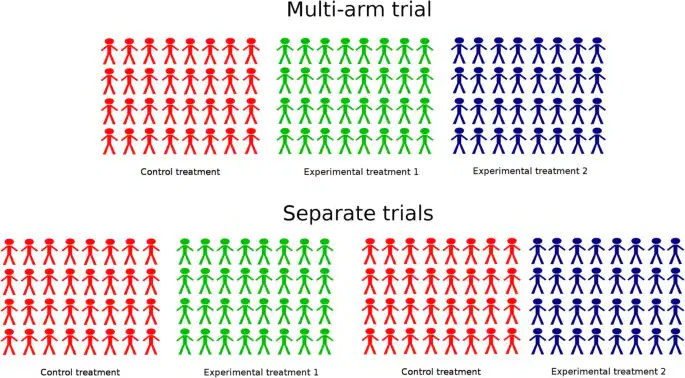
Why do scientists repeat their experiments?
to avoid making observations
to throw out the information they collected earlier
to make sure that the information they collected is reliable and accurate
How can we make an experiment Better?
Repeat the experiment over and over by doing many trials.
Throw out information you dont agree with
Use your opinion to justify the experiment
An educated guess explaining what you think will happen in an investigation.
hypothesis
observation
experiment
variable

Information about the natural world gathered through the senses and/or scientific instruments.
Observation
Inference
Investigation
Variable

The group in an experiment that serves as a comparison to the test group; untreated by the factor being tested.
Predict
Control Group
Conclusion
Observation

Does listening to music while you sleep help you sleep better? What can I use as my CONTROL GROUP?
One group listens to soft music, the other group listens to instrumental music.
One group of people do not listen to music while they sleep so we can compare our results to them
Does listening to music while you sleep help you sleep better? What can I use as my TEST/EXPERIMENTAL GROUP?
One group listens to soft music, the other group listens to instrumental music.
One group of people do not listen to music while they sleep so we can compare our results to them
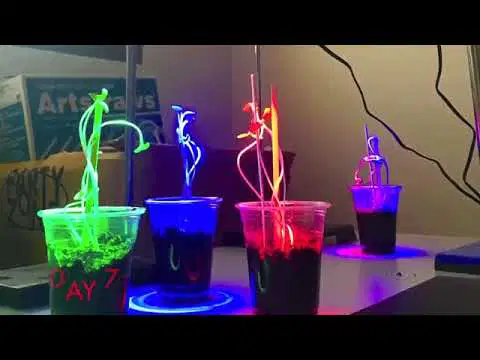
Which color light helps plants to grow fastest? What can I use as my CONTROL GROUP?
Place plants under different colors of light (blue, yellow, red, green)
One group of plants are not placed under different light (we will just place them in regular light) so we can compare the plants to these that are untreated

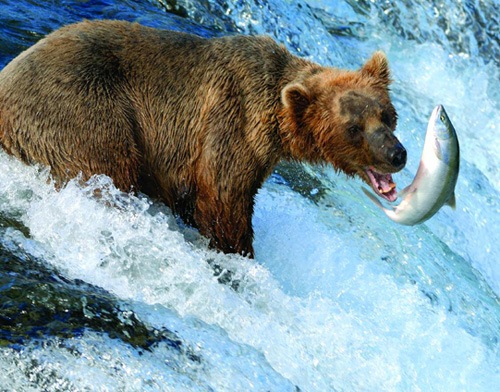
Which of the following is not an observation based on the picture?
There are two animals
There is probably a storm coming
The animals are brown
One animal is smaller than the other animal


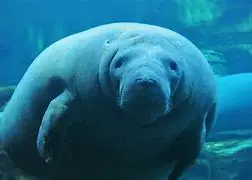
Is the following statement a fact or an opinion?
Manatees are the ugliest sea creature.
Fact
Opinion
Is the following statement a fact or an opinion?
Of all the fruits, bananas taste the best.
Fact
Opinion

Beyonce is the best performer ever
Fact
Opinion
To find out if a person's experiment was accurate and true, you can _____________.
Choose to agree with their hypothesis
Repeat the experiment
Draw your own conclusion
Change the data
Why is repeating an experiment with many Trials over and over a great idea?
To make sure your results are accurate
To make you look smart
Why do Scientists set up a Control Group?
to compare to the test group. this helps show the results are accurate
to make their experiment more interesting
to help erase any mistakes they made
the control group is not needed in an experiment


sun
tree
caterpillar
hawk

Which organism is a consumer of the mouse?
cricket
grass
fox
Sun
Predator
Producer
Consumer

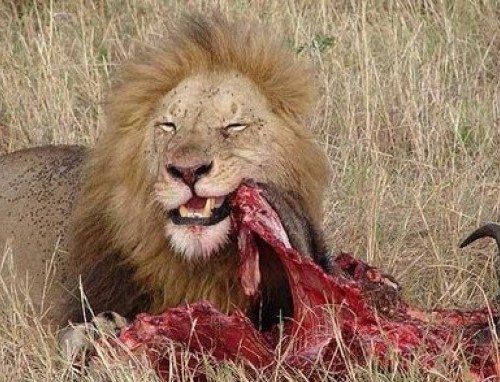

Which type of metamorphosis is shown?
complete metamorphosis
incomplete metamorphosis

Which type of metamorphosis is represented?
complete metamorphosis
incomplete metamorphosis
Which correctly lists the stages of complete metamorphosis in order?
egg, larva, pupa, adult
egg, pupa, larva, adult
pupa, adult, egg, larva
larva, egg, adult, pupa
Which correctly lists the stages of incomplete metamorphosis in order?
egg, nymph, adult
egg, adult, nymph
nymph, adult, egg
adult, nymph, egg


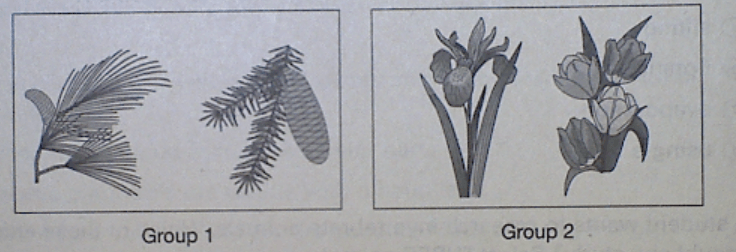
A student researches four plants that are in the same group. He sorts the plants into two smaller groups.
How does the student MOST LIKELY sort the plants?
by seed size
by flower shape
by whether they have cones or flowers
by whether they produce seeds or spores
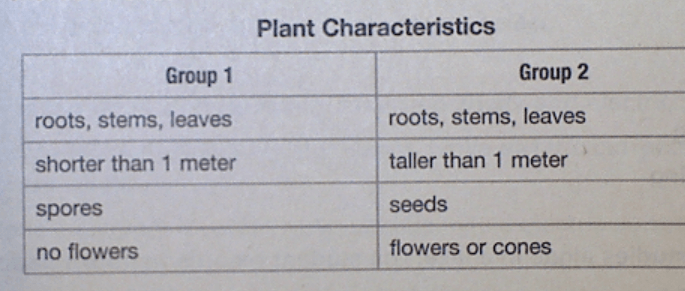
A student researches several plants. She then groups them according to their characteristics.
Which are MOST LIKELY the names of the plant groups.
ferns, trees
mosses, flowering plants
spore producers, seed producers
flowering plants, coniferous plants
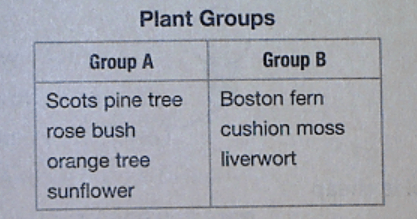
A scientist classifies some plants into two groups.
Which are MOST LIKELY the names of the groups?
trees, ferns
seed producers, spore producers
deciduous trees, coniferous trees
flowering plants, coniferous plants

Which part of the flower is the male reproductive organ?
Pistil
Stamen

Is this plant flowering or non-flowering?
Flowering
Non-flowering

Is this plant flowering or non-flowering
flowering
non-flowering

Is this plant flowering or non-flowering
flowering
non-flowering

Is this plant flowering or non-flowering
flowering
non-flowering

Is this plant flowering or non-flowering
flowering
non-flowering

Is this plant flowering or non-flowering
flowering
non-flowering

Is this plant flowering or non-flowering
flowering
non-flowering

Is this plant flowering or non-flowering
flowering
non-flowering

Is this plant flowering or non-flowering
flowering
non-flowering


Vertebrates are animals with ____.
special tubes
no special tubes
backbones
no backbones
Mammals, fish, birds, reptiles and amphibians are all ___.
vertebrates
invertebrates
Crabs, lobsters, and shrimp with hard exoskeletons are ___.
vertebrates
invertebrates

Which group does it belong to?
vertebrate
invertebrate

Which group does it belong to?
vertebrate
invertebrate

Which group does it belong to?
vertebrates
invertebrates

Which group does it belong to?
vertebrate
invertebrate

What is the organ labeled 5?
Heart
Stomach
Large intestine
Liver

What is the organ labeled 1.
Lung
Heart
Stomach
Liver

What is the organ labeled 7?
Liver
Heart
Lung
Brain

What is the organ labeled 8?
Brain
Kidney
Stomach
Lung
The human brain is responsible for which of the following functions?
Fighting the body’s diseases
Breaking down food nutrients
Controlling muscle movement
Pumping blood through the body
In order to provide oxygen and remove carbon dioxide, air must be pumped into and out of which of the following organs?
Bladder
Heart
Brain
Lungs
The nutrients in digested food are absorbed into the bloodstream in which of the following organs?
Heart
Liver
Intestines
Lungs
The stomach, liver, intestines, and pancreas are all organs in the same body system. What is the main function of the stomach?
Breaking down food nutrients
Pumping blood through the body
Controlling muscle movement
Fighting the body’s diseases

Students construct an obstacle course and watch a hamster successfully navigate through it. This is an example of-
an inherited trait
a learned behavior

Desert plants have special structures that help them collect and store water. These structures are most beneficial in-
wet climates
dry climates
windy climates
humid climates
What is the difference between learned behavior and inherited trait?
Learned behaviors are taught, and inherited traits are passed down from parent to child.
Learned behaviors are passed down from parent to child, and inherited traits are taught to children.
which is the learned behavior?
shape of beak
monkey riding bicycle
horse eating hay
snake eating mice

How did this Rose Adapt to help it grow without being eaten by large animals?
Grew flowers with bright colors
Grew sharp thorns
Produces small seeds
Grew deep roots


The colors & patterns on a turtle's shell help it blend in with the forest floor. This Adaptation is called________
hibernation.
behavior.
migration.
camouflage.

hibernation
migration
habitat
coloration

Plants have different needs depending on where they live. In what kind of environment would you find a plant that has an adaptation that allows it to store water?
rainforest
grasslands
tundra
desert

To protect themselves from being eaten, plants may develop special adaptations to keep animals away. What is one of these adaptations.
berries
thorns
vines
fruit

Some plants rely on insects and birds to help them pollinate and reproduce. What adaptation would help a plant attract more insects?
bright flowers
green leaves
sharp thorns
tall stem

Which plant structure supports a plant so it does not fall over?
seed
leaves
roots
flowers

In a rainforest, the large canopy can block sunlight. Plants living under the canopy must be able to tolerate shade or adapt in order to get light. What adaptation could help plants get more sun?
strong roots
climbing vines
needles
spores

What is HIBERNATION?
when a weak animal copies stronger animal to warn off predators.
when an animal hides in the cold winter and sleeps until the spring
when a larger animal eats its prey

What does it mean to CAMOUFLAGE?
when a weak animal copies a stronger animal to warn of predators
when an animal is able to change colors to survive in an enviornment
when an animal hibernates during the winter.

A green snake blends in so predators can NOT find it. This is an example of?
Hibernation
Mimicry
Migration
Camouflauge
True or false? Adapt means "to change"
True
False

