
 Worksheets
Unit 8 Practice
Total questions: 81
Worksheet time: 58mins
A characteristic or trait that helps an organism survive in its environment is a/an (a)
To escape animals
to hunt for food
to survive in their habitats
All of these are correct
Which of the following examples are of behavioral adaptations?
Migration
Claws
Teeth
Eyes
Which of the following are examples of structural adaptations?
Hibernation
Migration
Eyes
Mating calls

A behavioral adaptation
Poor breeding
A physical adaptation
Plastic surgery gone horribly wrong

Mimicry
Scent
Hibernation
Camouflage

To make their life better
To Survive in their envorment.
To make people happy
ALL of the above
The long neck of a giraffe
Penguins huddling together for warmth
A camel's hump used to store water
A polar bear's white fur used for camouflage
Behavioral Adaptation
Structural Adaptation
Behavioral Adaptation
Structural Adaptation
A __________________ is a permanent change in the genetic makeup of an organism.
Mutation
Adaptation
Natural Selection
Evolution
What causes many variations within a population?
Natural Selection
Adaptation
Mutation
Environmental Changes
death of the organism in which they develop
genetic variation needed for a population to evolve
benefits for the individual, not for the population
Hardey-Weinberg equilibrium within a population
Individuals will only create offspring well-suited to the climate change
The individuals would produce more offspring
Individuals better suited to the new climate will help less-suited individuals survive
Some individuals will posses traits better suited to the new climate and be more likely to pass them on
selective breeding
physiological
structural
mutation
DNA
tRNA
genotype
phenotype
Check off all that apply: Mutations can be _____.
Good (Adaptations)
Bad
Neutral
True or false: All mutations are adaptations.
True
False
True or false: All adaptations are mutations.
True
False
Natural selection happens when an individual's genes ______________ from the genes of other members of its species.
Become different
Stay the same
Become separated
Which of the following is the correct definition of natural selection?
The idea that organisms less equipped for their environment tend to survive longer
The idea that organisms more well equipped for their environment tend to survive longer
The idea that organisms more well equipped for their environment tend to not survive
None.
Mutations can be inherited or be
Chosen by the individual organism
Caused by environmental factors
Refused at any time

Which of the following best describes what the image represents?
Genetic Drift
Migration
Mutation
Natural Selection
Natural selection occurs during the lifetime of a single organism.
True
False

What is most likely to happen to moth populations in the picture shown?
Light moths--hunted easily, dark moths--population increase
Dark moths--hunted easily, dark moths--population increase
Light moths--hunted easily, light moths--population increase
Lights moths will change their color to match dark moths.
TRUE or FALSE: Natural selection will still occur if individuals are exactly the same.
TRUE
FALSE
How do you "win" at natural selection?
survive
go extinct
survive & reproduce

Due to pollution, a pond becomes darker over time. Which trait variation became more common?
light fish
dark fish
Evolution
Natural Selection
Extinction
Artifical Selection
Because they are more likely to survive and reproduce.
Because they come from dominant alleles.
Because they come from recessive alleles.
Because the trait is an acquired phenotype.
Natural Selection is driven by a change in the environment and survival of the
Earth
Fastest
Fittest
Biggest
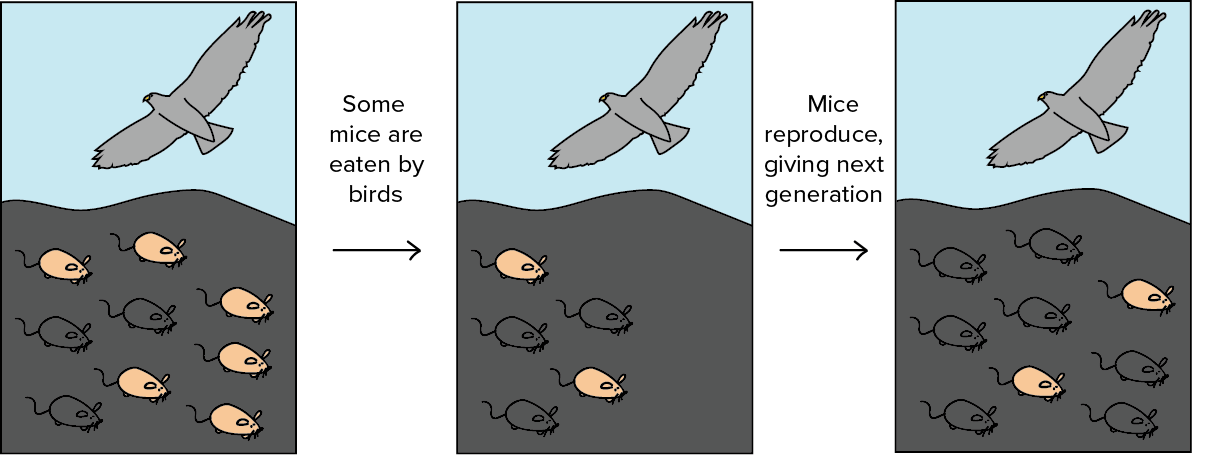
The light mice can reproduce more successfully than the dark mice
The hawks eat more dark mice than light mice because the dark mice taste better
The hawks eat more light mice than dark mice because they can see the light mice more easily
The hawks eat more dark mice than light mice because they can see the dark mice more easily
True
False
ability to survive and reproduce in a specific environment
organisms with traits well suited to their environment survive and reproduce at a greater rate
a growing population causes a scarcity of resources
differences in the DNA sequence
genes.
variations.
traits.
theories.
One condition of natural selection is a selective pressure. What is a selective pressure?
Something that makes it harder for an organism to survive.
Differences in a population
A mutation that helps an organism survive
More offspring being born than surviving
One condition of natural selection is an adaptation. What is an adaptation?
Something that makes it harder for an organism to survive.
Differences in a population
A mutation that helps an organism survive
More offspring being born than surviving
One condition of natural selection is variation. What is variation?
Something that makes it harder for an organism to survive.
Differences in a population
A mutation that helps an organism survive
More offspring being born than surviving

In this example of natural selection, describe the variation.
The fox, its predator
The rabbits can have dark, light, or medium colored fur.
White or medium fur.
The darker fur rabbits are more likely to be eaten and fewer of them survive.
In this example of natural selection, describe the adaptation.
The fox, its predator
The rabbits can have dark, light, or medium colored fur.
White or medium fur.
The darker fur rabbits are more likely to be eaten and fewer of them survive.
In this example of natural selection, describe the selective pressure.
The fox, its predator
The rabbits can have dark, light, or medium colored fur.
White or medium fur.
The darker fur rabbits are more likely to be eaten and fewer of them survive.
In this example of natural selection, describe the role of overproduction.
The fox, its predator
The rabbits can have dark, light, or medium colored fur.
White or medium fur.
Less fit rabbits survive, rabbits that are more fit survive and pass down their genes.

In this example of natural selection, describe the role of overproduction.
Competition for food.
The giraffes can have long or short necks.
Long necks.
Giraffes that are less fit do not survive to pass down their genes.
In this example of natural selection, describe the variation in this example.
Competition for food.
The giraffes can have long or short necks.
Long necks.
Giraffes that are less fit do not survive to pass down their genes.
In this example of natural selection, describe the adaptation in this example.
Competition for food.
The giraffes can have long or short necks.
Long necks.
Giraffes that are less fit do not survive to pass down their genes.
In this example of natural selection, describe the selective pressure in this example.
Competition for food.
The giraffes can have long or short necks.
Long necks.
Giraffes that are less fit do not survive to pass down their genes.

Each row shows a different generation of male peacock feathers. What is the variation?
finding mates
Some feathers are larger and some are smaller.
larger features to attract mates
Peacocks that do not mate do not pass down their genes.
Each row shows a different generation of male peacock feathers. What is the selective pressure?
finding mates
Some feathers are larger and some are smaller.
larger features to attract mates
Peacocks that do not mate do not pass down their genes.
Each row shows a different generation of male peacock feathers. What is the adaptation?
finding mates
Some feathers are larger and some are smaller.
larger features to attract mates
Peacocks that do not mate do not pass down their genes.
Each row shows a different generation of male peacock feathers. Describe the role of overproduction.
finding mates
Some feathers are larger and some are smaller.
larger features to attract mates
Peacocks that do not mate do not pass down their genes.
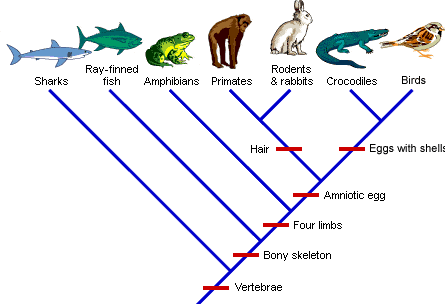
According to this cladogram, primates are most closely related to....
Amphibians
Rodents & rabbits
Crocodiles
Birds

Which group of animals on this tree are most closely related to birds?
Saurischian dinosaurs
Ornithischian dinosaurs
Crocodiles
None of these are related to birds

Which letter represents the most recent common ancestor of sponges and mushrooms?
A
B
C
D
E

Which trait(s) do conifers have?
vascular tissue only
vascular tissue and seeds
vascular tissue, seeds and flowers
seeds only

According to the cladogram, which organism is most distantly related to the chimpanzee?
salmon
salamander
lizard
hamster

Which trait should go where A is on the cladogram?
eyes
feet
lips
hat
Which trait should go where C is on the cladogram?
eyes
feet
lips
hat

Which organism goes in the A position?


Which organism goes in the D position?

According to the diagram, what is the common ancestor of ALL organisms on the phylogenetic tree?
B
C
D
E

According to the diagram, what was the last common ancestor of organisms 2 and 3?
A
B
C
D

Do theropods have light bones?
yes
no

Does Allosaurus have light bones?
yes
no

Which traits are shared by Archaeopteryx and (Robin) modern birds (select 3)?
flight feathers; arms as long as legs
feathers with shaft, veins, and barbs
down feathers
3-toed foot; wishbone

Which groups have feathers (select 3)?
Robin (modern birds)
Velociraptor
Archaeopteryx
Sinornis
The fossils found closer to the surface of the ground are generally -
(a)
A bat wing and a butterfly wing are both used for flying but they are made differently. What type of structure is this?
Homologous structure
Analogous structure
Vestigial structure
Fossil structure
A human arm and a whale fin have similar bone structure but the whale fin is used for swimming and the arm is used for reaching and grabbing. What type of structures are these?
Homologous structures
Analogous structures
Vestigial structures
Fossil structures
When comparing the DNA of two different organisms, the more differences in the DNA base pairs the more-
Closely related they are.
Distantly related they are.
It doesn't prove anything.
They look alike.

The moth wing and the bat wing are example of structures.
(a)

Which of the pictures above would be examples of homologous structures? (pick 2)
1
2
3

What type of evidence is shown with the diagram above?
Molecular
Anatomical
Embryological
Fossil

The similarities of bone structure in the diagram provide evidence of what?
The organisms probably use there forelimbs for the same thing.
The organisms evolved from a common ancestor.
The organisms have the same DNA.
All vertebrate species have identical forelimbs.
Analogous Structure
Same function different structure
Homologous Structure
Same structure different function
Comparative Embryology
Comparing embryological development of different species
Biochemical Evidence
Comparing DNA and amino acid sequences of different species
Vestigial Structures
Structures in the body of an organism that no longer work.
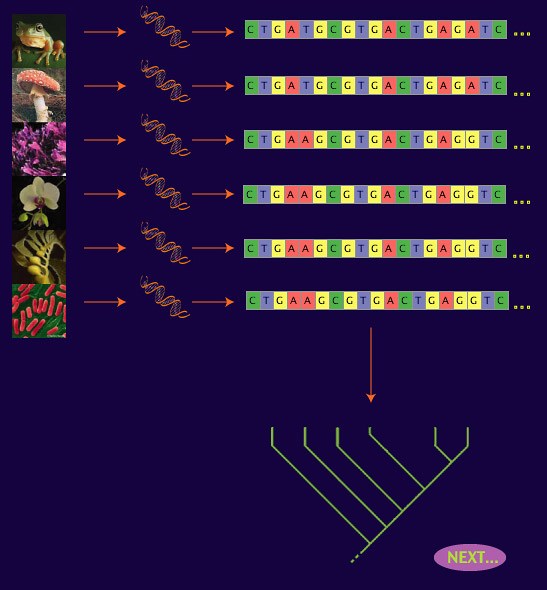
very similar DNA sequence
exactly the same DNA sequences
no proteins in common
completely different DNA sequence
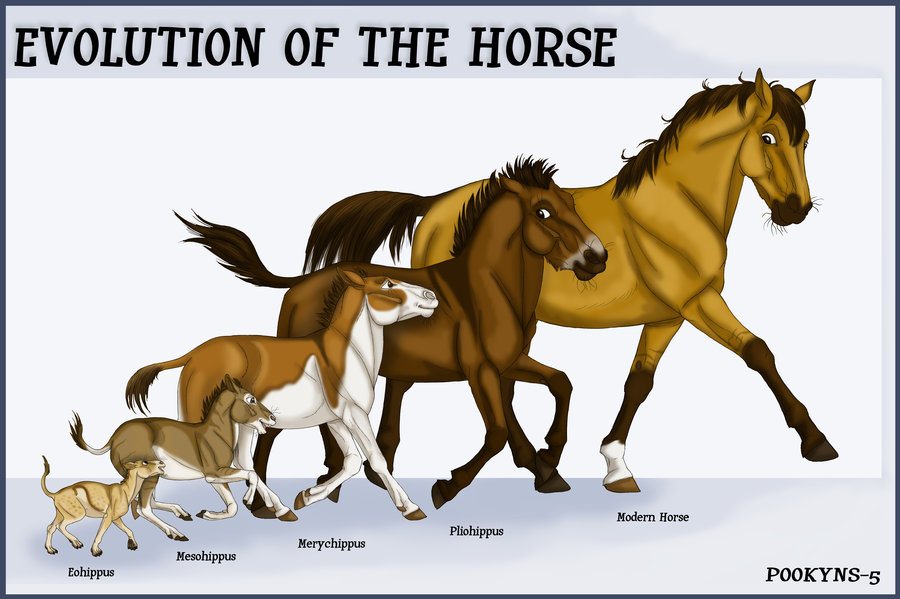
vestigial structures
analogous structures
homologous structures
fossil structures
fossil record
comparative embryology
comparative biochemistry
comparative anatomy
This is purely by chance and isn't significant
The extinct dinosaur and modern bird share a common ancestor
All dinosaurs evolved into birds and that's why there aren't any dinosaurs alive today
Dinosaurs choose to fly, and evolved into birds to escape predation and capture food

The remains of a plant or animal from past ages.
homologous structures
Speciation
Fossils
Adaptation

Whales have pelvic bones. What type of structure does this best represent?
Homologous structure
Analogous structure
Vestigial structure
None of the above

What
type
of structure?
Homologous
Analogous
Embryological
Vestigial

