wayground logo

Free Printable Worksheets

NEW

Font size

S
M
L
XL
Worksheets

Grade 9 - Circulatory and Lymphatic System

Total questions: 52

Worksheet time: 34mins
Name
Class
Date
1.

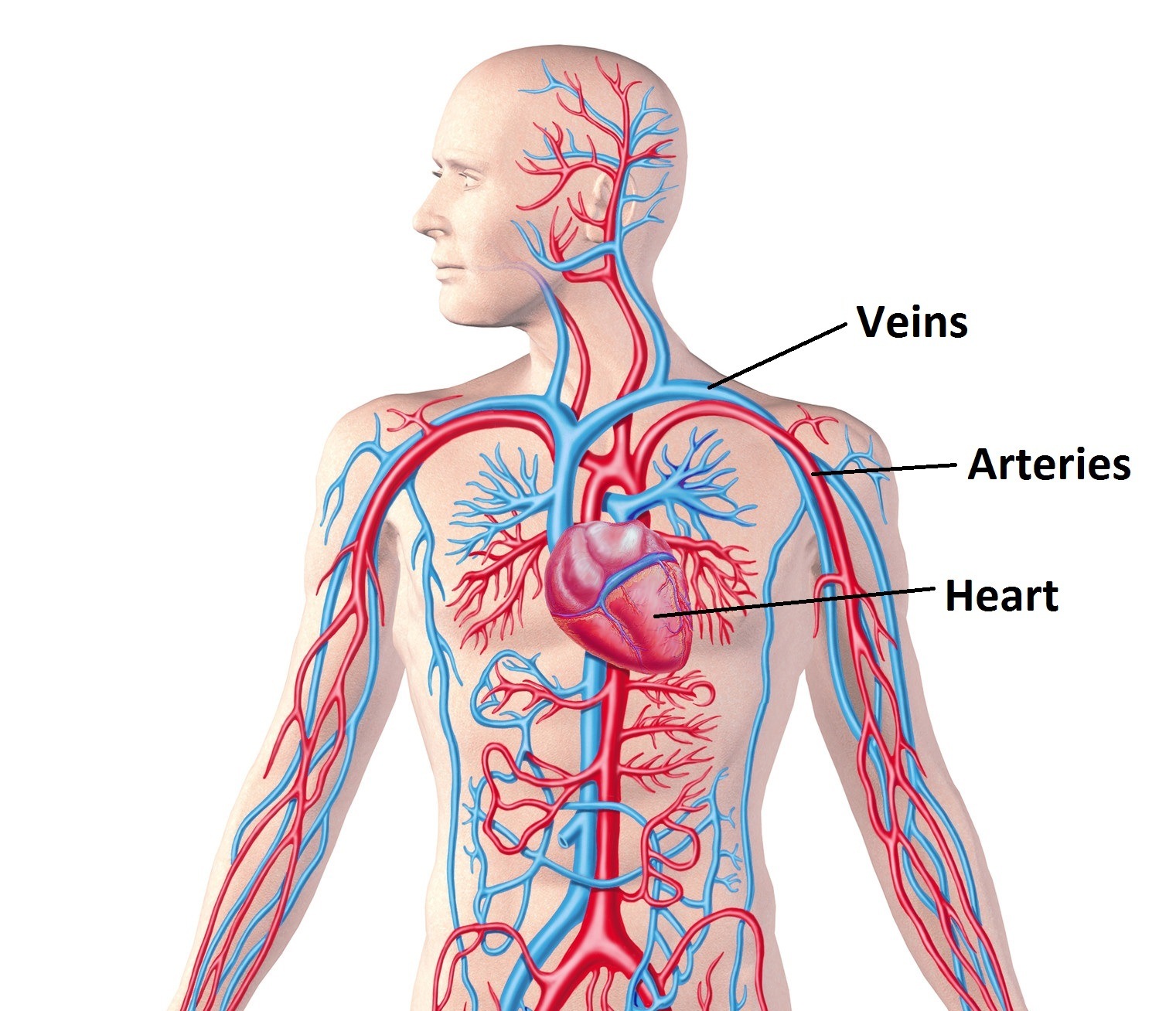
Which system allows blood to circulate throughout the body to transport oxygen and nutrients to all the cells and tissues?

a)

Nervous

b)

Respiratory

c)

Circulatory

2.

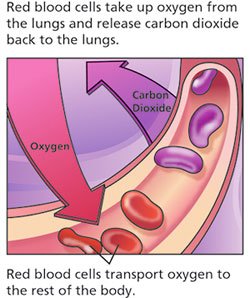
These cells, in the blood, carry oxygen and give the blood its color.

a)

white blood cells

b)

plasma

c)

platelets

d)

red blood cells

3.

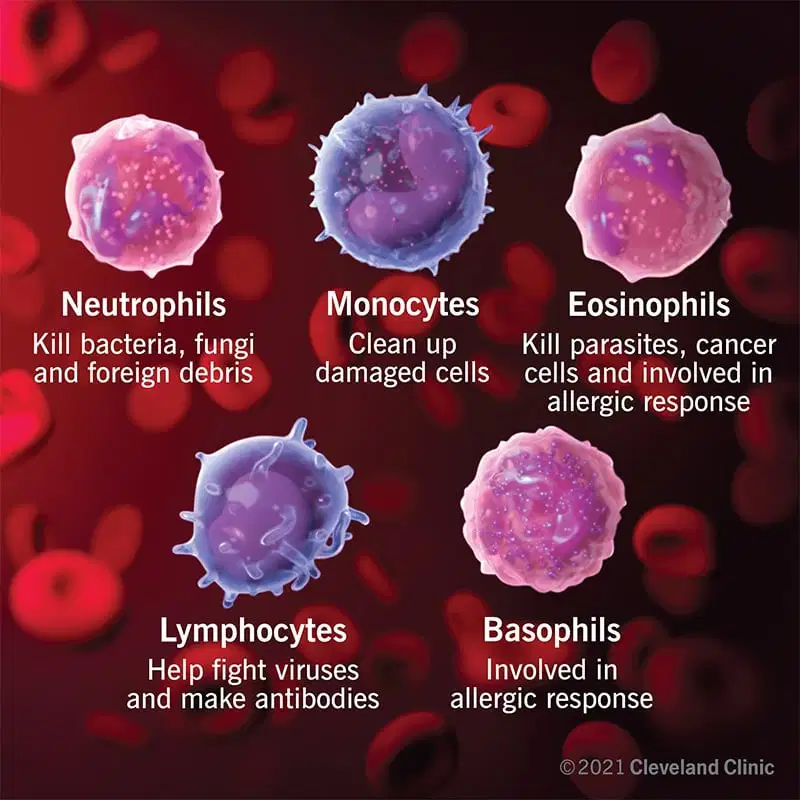
The cells in the blood that help fight germs like bacteria and viruses

a)

red blood cells

b)

platelets

c)

white blood cells

4.

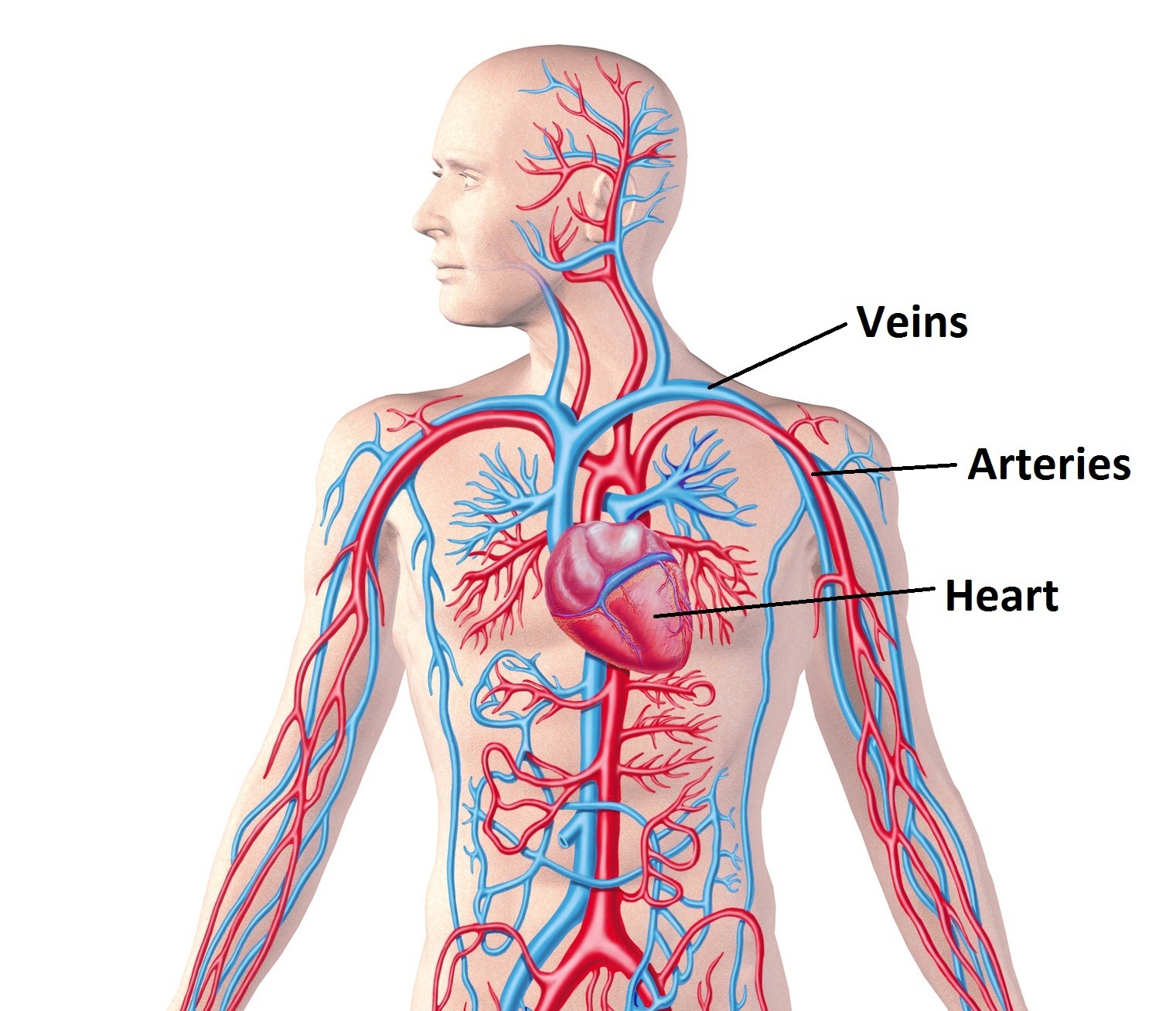
What is the main organ of the circulatory system?

a)

small intestine

b)

bone

c)

lungs

d)

heart

5.

The job of the heart is to . . .

a)

pump blood around the body.

b)

send food to the small intestines.

c)

break down food.

d)

give energy to the body.

6.

The circulatory system works with the ___________ system to provide our body with oxygen.

a)

respiratory

b)

digestive

c)

muscular

7.

What is the circulatory system made up of?

a)

Lungs, blood, blood vessels

b)

Liver, kidneys, and stomach

c)

Heart, Blood Vessels, and Blood

8.

What is the main organ of the circulatory system?

a)

small intestine

b)

bone

c)

lungs

d)

heart

9.

Arteries always carry oxygen rich blood away from the heart.

a)

True

b)

False

10.

Veins always carry blood back to the heart.

a)

False

b)

True

11.

The job of the heart is to . . .

a)

pump blood around the body.

b)

send food to the small intestines.

c)

break down food.

d)

give energy to the body.

12.
______________ are the smallest blood vessels.
a)
Arteries
b)
Veins
c)
Capillaries
13.
The main function of the circulatory system is 
a)
To give the body structure and support
b)
Excrete waste
c)
transport blood, nutrients, and gases throughout the body
d)
to transport messages from the body to the brain
14.

The FREQUENCY of heart contractions is...

a)

heart rate

b)

blood pressure

c)

respiratory rate

d)

voluntary muscle contraction

15.
The heart has ___ chambers.
a)
1
b)
2
c)
3
d)
4
16.
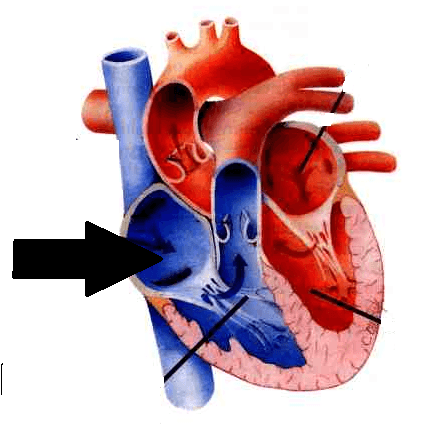
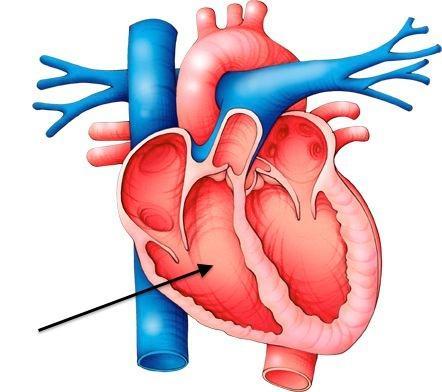
Identify
a)
Left atrium
b)
Right atrium
c)
Left ventricle
d)
Right ventricle
17.
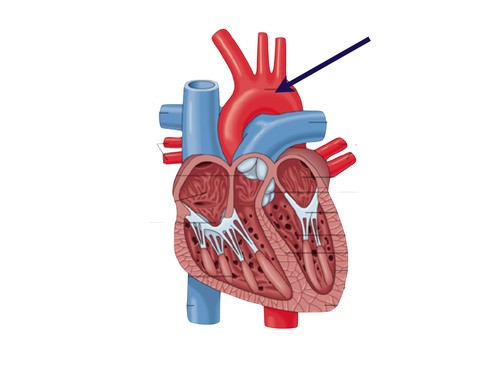
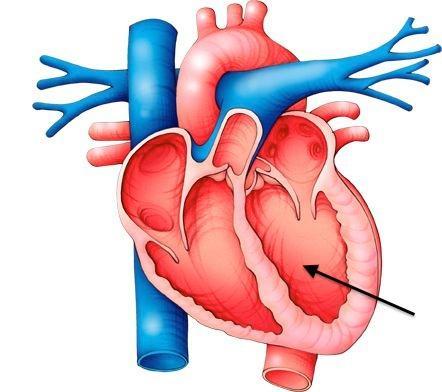
Identify
a)
Pulmonary veins
b)
Pulmonary artery
c)
Aorta
d)
Vena cava
18.
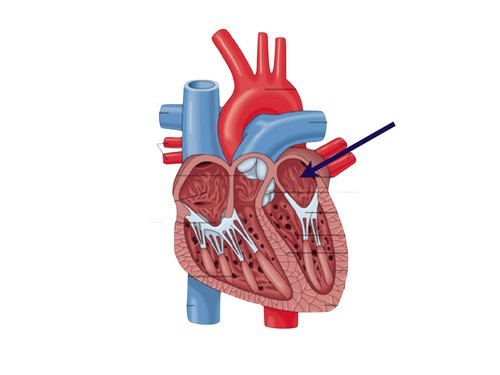
Identify
a)
Left atrium
b)
Right atrium
c)
Left ventricle
d)
Right ventricle
19.
Identify
a)
Left atrium
b)
Right atrium
c)
Left ventricle
d)
Right ventricle
20.
Identify
a)
Left atrium
b)
Right atrium
c)
Left ventricle
d)
Right ventricle
21.
This chamber of the heart RECEIVES blood returning from the body
a)
Right Atrium
b)
Right Ventricle
c)
Left Atrium
d)
Left Ventricle
22.

This chamber of the heart RECEIVES oxygen rich blood back from the lungs

a)

Right Atrium

b)

Left Atrium

c)

Right Ventricle

d)

Left Ventricle

23.

This chamber of the heart pumps the blood from the heart to the lungs through the pulmonary artery

a)

Right Atrium

b)

Left Atrium

c)

Right Ventricle

d)

Left Ventricle

24.

This chamber of the heart pumps the blood back out to the body cells through the Aorta

a)

Right Atrium

b)

Left Atrium

c)

Right Ventricle

d)

Left Ventricle

25.
Platelets are cell fragments that
a)
HELP YOUR BLOOD CLOT
b)
CARRY OXYGEN IN THE BLOOD
c)
FIGHT INFECTION
d)
EXCHANGES GASES IN THE LUNGS
26.
The type of blood vessels that returns blood to the heart
a)
ARTEY
b)
VEIN
c)
CAPILLARIES
d)
BLOOD VESSEL
27.
What do the arteries do?
a)
pumps blood to the heart
b)
pumps blood to and from the heart
c)
carry's blood away from the heart 
d)
a muscle 
28.
The heart is divided into how many chambers.
a)
2
b)
4
c)
8
d)
1
29.
Which chambers of the heart are the thickest and strongest?
a)
Atria
b)
Ventricles
c)
Valves
d)
Aorta
30.
What does Deoxygenated mean?
a)
Oxygen-rich
b)
Blood flow
c)
Oxygen-poor
d)
Water Flow
31.
A flap of tissue that prevents blood from flowing backward
a)
Aorta
b)
Atrium
c)
Septum
d)
Valve
32.
Blood circulation from the heart to the rest of the body is called
a)
Full body
b)
Systemic
c)
pulmonary
d)
heart to lung
33.
Structure(s) that keep the blood flowing in one direction.
a)
Valve(s)
b)
Septum(s)
c)
Neuron(s)
d)
Bronchiole(s)
34.
Which is NOT a function of the circulatory system?
a)
deliver O2 and nutrients to cells
b)
remove CO2 and wastes from cells
c)
break down carbohydrates into glucose
d)
transport other materials through body
35.
What do Red-Blood cells do?
a)
Carry oxygen from the lungs to the body cells and  transport carbon dioxide from the cells back to the lungs
b)
keeps blood flowing in one direction to the heart and prevent blood from flowing backwards
c)
Collects  blood from the capillaries and drain it into the veins
d)
Bring nutriients to the cells and carries away waste materials.
36.
Identify
a)
Left atrium
b)
Right atrium
c)
Left ventricle
d)
Right ventricle
37.
Identify
a)
Pulmonary veins
b)
Pulmonary artery
c)
Aorta
d)
Vena cava
38.
Thin-walled vessels that allow for the exchange of O2 , CO2, nutrients and wastes between blood cells or air sacs in the lungs
a)
Arteries
b)
Veins
c)
Capillaries
39.
Identify
a)
Pulmonary veins
b)
Pulmonary artery
c)
Aorta
d)
Vena cava
40.
______________ are the smallest blood vessels.
a)
Arteries
b)
Veins
c)
Capillaries
41.
What is pulmonary circulation?
a)
Blood travelling to and from the lungs
b)
Blood travelling to and from the body
c)
A blood clot in the lungs
d)
The vessel that brings blood to the lungs
42.
Identify
a)
Pulmonary veins
b)
Pulmonary artery
c)
Aorta
d)
Vena cava
43.
Which part of the heart pumps deoxygenated (oxygen-poor) blood?
a)
Left side
b)
Right side
c)
Top side
d)
Bottom side
44.
What is the largest artery in the human body?
a)
Aorta 
b)
lung
c)
ventricle
d)
vein 
45.
Which order is correct? 
a)
Superior and inferior vena cavas into the right atrium through the tricuspid valve
b)
Superior and inferior vena cavas into the left atrium through the bicuspid valve
c)
right ventricle through the tricuspid valve into the right atrium
d)
body cells and tissues to the aorta through the aortic valve
46.
What is the function of an erythrocyte (RBC)?
a)
fight infection
b)
blood clotting
c)
carry oxygen
d)
clog arteries
47.
What can you infer about plasma from the fact that it's almost completely clear?
a)
it's mostly made of water
b)
it contains oxygen
c)
it fights infections
d)
it cannot be found in the bloodstream
48.
Kennedy has type O+ blood. Kennedy is a Universal Recipient.
a)
True
b)
False
49.
Mike has type O+ blood. Mike can donate blood to someone who is type AB-.
a)
True
b)
False
50.
Devin has type O+ blood. Devin has A,B and Rh antibodies.
a)
True
b)
False
51.
molecule that combines with oxygen to transport it
a)
albumin
b)
globulin
c)
hemoglobin
d)
seratonin
52.
The fluid found in the lymphatic system is called
a)
plasma
b)
lymph
c)
antigens
d)
water