wayground logo

Free Printable Worksheets

Font size

S
M
L
XL
Worksheets

Benchmark 3 - Human Population, Air, Water, Land

Total questions: 112

Worksheet time: 1hrs 2mins

Name
Class
Date
1.

the study of characteristics of populations, especially human populations.

a)

demography

b)

urbanization

c)

life expectancy

d)

migration

2.

the average number of children a woman of childbearing years would have in her lifetime, if she had children at the current rate for her country.

a)

fertility rate

b)

survivorship

c)

infrastructure

d)

life expectancy

3.
the basic facilities of a country or region, such as roads, bridges, and sewers.
a)
infrastructure
b)
rate of natural increase
c)
demographics
d)
human development index
4.
the average length of time an individual is expected to live.
a)
life expectancy
b)
migration
c)
human development index
d)
infastructure
5.
in general, any movement of individuals or populations from one location to another; a periodic group movement that is characteristic of a given population or species.
a)
migration
b)
mortality rate
c)
urbanization
d)
life expectancy
6.
the percentage of newborn individuals in a population that can be expected to survive to a given age.
a)
survivorship
b)
life expectancy
c)
mortality rate
d)
demogrpahics
7.
an increase in the ratio or density of people living in urban areas, rather than rural areas.
a)
urbanization
b)
infastructure
c)
rate of natural increase
d)
mortality rate
8.
The number of deaths per year, typically reported as deaths per 100,000 in a population.
a)
mortality rate
b)
human development index
c)
survivorship
d)
rate of natural increase
9.
a summary measure of the average achievement in key areas of  human development: a long and healthy life, knowledge, and acceptable standard of living.
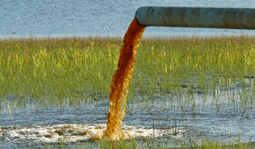
a)

human development index

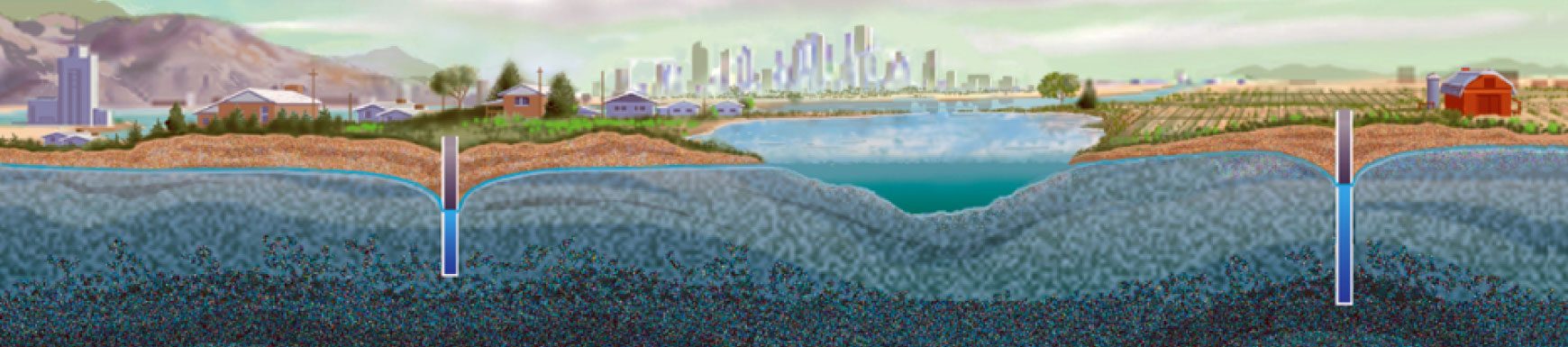
b)
fertility rate
c)
migration
d)
survivorship
10.
a measure of how quickly a population is growing or declining solely by the difference between birth and death rates in a region.
a)

rate of natural increase

b)
demographics
c)
fertility rate
d)
urbanization
11.

The size of the human population began to increase exponentially after the

a)

bubonic plague

b)

development of plowing and irrigation

c)

Industrial Revolution

d)

development of the first cities.

12.

Which of the following is NOT a potential limiting factor of human population growth?

a)

disease

b)

war

c)

medicine

d)

famine

13.

After the demographic transition is complete, a population

a)

grows rapidly

b)

grows slowly

c)

begins a period of rapid decline

d)

stays about the same size as time passes.

14.

Since the mid-1960s, the average annual growth rate of the human population has

a)

remained about the same

b)

failed to show a consistent pattern.

c)

increased

d)

decreased

15.

The size of the human population began to increase exponentially after the

a)

bubonic plague

b)

development of plowing and irrigation

c)

Industrial Revolution

d)

development of the first cities.

16.

Which of the following is NOT a potential limiting factor of human population growth?

a)

disease

b)

war

c)

medicine

d)

famine

17.

After the demographic transition is complete,

a)

grows rapidly

b)

grows slowly

c)

begins a period of rapid decline

d)

stays about the same size as time passes.

18.

Since the mid-1960s, the average annual growth rate of the human population has

a)

remained about the same

b)

failed to show a consistent pattern.

c)

increased

d)

decreased

19.

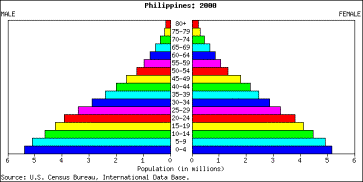
Name the type of pyramid in the picture.

a)

slow growth

b)

rapid growth

c)

zero growth

d)

negative growth

20.
Why has the world population dramatically increased?
a)
Better medicine
b)
Better sanitation
c)
Better technology
d)
All of the above
21.
Number of Individuals per unit area
a)
density-dependent factors
b)
carrying capacity
c)
renewable resource
d)
population density
22.
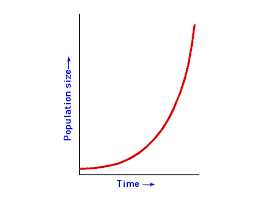
What type of growth is shown in the diagram?
a)
exponential growth
b)
logistic growth 
c)
predator-prey cycle
d)
boom-bust curve
23.
Demography is the scientific study of
a)
parasitism and disease.
b)
modernized countries.
c)
human populations.
d)
none of these
24.
Demographic transition is change from high birthrates and high death rates to
a)
exponential growth.
b)
low birthrates and low death rates.
c)
low birthrates and high death rates.
d)
indefinite growth.
25.
In Rwanda, there are more young children than teenagers, and more teenagers than adults. This age structure indicates a population that
a)
has stopped growing.
b)
will double in 30 years.
c)
has a steady growth rate.
d)
will decrease in 30 years.
26.
Most of the worldwide human population is growing exponentially because
a)
human populations have not reached their exponential curve.
b)
most countries have not yet completed the demographic transition.
c)
human populations do not conform to the logistic model.
d)
the food supply is limitless.
27.
What three factors can affect ANY population's growth rate?
a)
Birthrate, death rate, migration
b)
disease, predation, migration
c)
medicine, agriculture, industry
d)
life expectancy, sanitation, vaccines
28.
Which of the following would most likely occur if a population exceeded the carry capacity of the environment?
a)
The birth rate would likely increase.
b)
Birth rate would be equal to the death rate.
c)
The death rate would increase.
d)
Immigration would increase.
29.
The percentages of individuals found at different age levels make up the ______ of the population.
a)
carrying capacity
b)
age structure
c)
survivorship
d)
birthrate
30.

What does the term carrying capacity describe?

a)

The maximum number of birth rates for a population.

b)

The ability of a population to accept new immigrants.

c)

The ratio of birth rates to death rates in a population.

d)

The population size that the environment can sustain.

31.

A Density Independent Limiting Factor is a limiting factor of a population that can affect population growth no matter what the population density. What is a density independent limiting factor that can affect the human population growth of North Carolina?

a)

disease

b)

hurricanes

c)

food supply

d)

water supply

32.
What is the carrying capacity of the following graph?
a)
1000
b)
8000
c)
800
d)
600
33.
What type of growth is shown in the diagram?
a)
exponential growth
b)
logistic growth 
c)
predator-prey cycle
d)
boom-bust curve
34.

Which of the following is a density-dependent limiting factor?

a)

human activities

b)

unusual weather

c)

competition

d)

natural disaster

35.
If the number of births in a population is the same as the number of deaths in a population, what will happen to the growth of the population?
a)
It will increase.
b)
It will decrease.
c)
It will stay the same.
d)
It will fluctuate.
36.
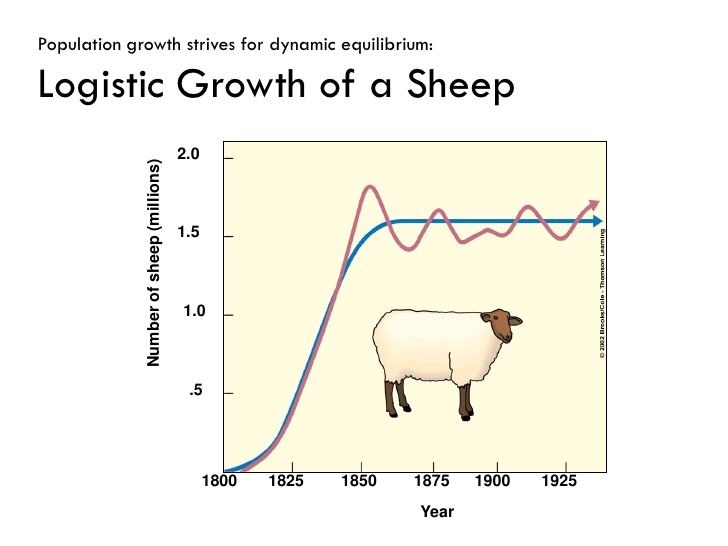
What is the carrying capacity for this sheep population?
a)
1.8 million
b)
1.25 million
c)
1.6 million
d)
1.o million
37.

An environmental factor such as predation, disease, and competition that depends on the number of members in a population per unit (or area) is called ___________.

a)

dispersion

b)

density- independent factor

c)

density- dependent factor

d)

Scattered points

38.
If the number of births is greater than the number of deaths in a population, what will happen to the growth of the population?
a)
It will increase.
b)
It will decrease.
c)
It will stay the same.
d)
It will fluctuate.
39.
When a population grows past the ecosystem's carrying capacity, what happens to the population?
a)
Continues to grow
b)
The population starts to die off to return to carrying capcity
c)
The population will go extinct due to lack of resources
d)
The population grows then finds a new carrying capacity
40.
According to the population pyramid of this country, its population is most likely...
a)
growing slowly.
b)
growing rapidly.
c)
decreasing.
d)
not changing.
41.
According to the United Nations, at what number is world population expected to plateau?
a)
9-11 billion
b)
13-15 billion
c)
20-25 billion
d)
never
42.
Which has NOT been a major cause of the population explosion?
a)
modern preventive medicine
b)
increase in life expectancy
c)
improved sanitation
d)
increase in birth rates
43.
Which of the following is likely to be affected by a population of 7 billion?
a)
amount of land for agriculture
b)
amount of clean water
c)
number of people who are unemployed
d)
all of the above
44.
The number of live births per 1000 people is called the...
a)
growth rate.
b)
infant rate.
c)
baby total.
d)
birth rate.
45.
All of the following are demographic figures used in determining the total population of a country EXCEPT...
a)
immigration.
b)
birth rate.
c)
death rate.
d)
marriage rate.
46.
If a country has a death rate of 30 and a birth rate of 45 the natural rate of increase would show the population is ______.
a)
Increasing
b)
Decreasing
c)
Staying the same
d)
Fluctuating too much
47.
The maximum population size of a species that the environment can sustain indefinitely, given the food, habitat, water and other necessities available in the environment.
a)
sparse population
b)
environmental
c)
carrying capacity
d)
dense population
48.
One reason for a rapid population growth is...
a)
an increase in pull factors.
b)
declining death rates. 
c)
a sparse population density. 
d)
internal migration.
49.

Which of the following occurred alongside the Industrial Revolution that led to rapid human population growth? Select all that apply.

a)

reliable food supplies

b)

improvements in sanitation

c)

the Bubonic Plague

d)

improvements in health and medicine

50.

The scientific study of human populations is called ___.

a)

ecology

b)

biology

c)

dynamics

d)

demography

51.

Which of the following age structure diagrams demonstrates little to no growth in the population?

a)
b)
c)
d)

none of the above

52.

Which of the following age structure diagrams demonstrates NEGATIVE growth in the population?

a)
b)
c)
d)

none of the above

53.

Which of the following age structure diagrams demonstrates POSITIVE, RAPID growth in the population?

a)
b)
c)
d)

none of the above

54.

Wealthy, old, low birth and death rates, Industrialized, slow growth

a)

Developed Nation

b)

Developing Nation

55.

Poor, Young, High Birth and Death Rates, Population Increasing rapidly, Agricultural

a)

Developed Nation

b)

Developing Nation

56.

Air pollution causes all of the following, except

a)

holes in the ozone layer

b)

increased particles in the air

c)

acid rain

d)

healthy air to breath

e)

smog

57.

Natural causes of air pollution include all of the following

a)

forest fires

b)

dust

c)

volcanic ash

d)

wind

e)

pollen

58.

How do humans cause air pollution?

a)

plowing of fields

b)

burning fossil fuels (coal, oil)

c)

using solar power

d)

driving electric cars

59.

What is the main cause of air pollution?

a)

plowing fields and releasing dust

b)

using solar power

c)

burning fossil fuels

d)

using water power

60.

Climate change caused by extra carbon dioxide in the air that causes heat to get trapped in the atmosphere is called

a)

global warming

b)

photosynthesis

c)

smog

61.

Gases released from power plants mix with water vapor in the sky to make ________________.

a)

smog

b)

acid rain

c)

global warming

d)

particulate matter

62.

A mixture of smoke, fog and chemicals in the air is known as ________.

a)

oxygen

b)

radiation

c)

smog

63.

What are ways that we can decrease air pollution?

a)

carpool

b)

conserving electricity

c)

follow laws made by the EPA

d)

burning extra fossil fuels

64.

Which gases combine with water to form acid rain?

a)

radon and carbon oxides

b)

ozone and carbon monoxide

c)

nitrogen oxides and sulfur oxides

d)

car emissions and ozone

65.

Ozone...

a)

good for humans when near Earth's ssurface

b)

a harmful pollutant no matter where it happens

c)

found near Earth's surface all the time

d)

protects Earth when high in the atmosphere, but is a pollutant near Earth's surface

66.

the contamination of the atmosphere by the introduction of pollutants from human and natural sources

a)

air pollution

b)

smog

c)

acid deposition

d)

climate change

67.
Which of these problems can be caused by air pollution?
a)

Respiratory and Heart problems

b)
Reduced food sources for humans
c)
Increased disease for humans
d)
Decrease in global temperatures
68.

We can reduce air pollution by:

a)

Car pool and walk/bike more

b)

Limit factories burning fossil fuels

c)

Use more renewable energy sources

d)

All of the above

69.

what causes air pollution?

a)

Cars

b)

Fossil fuels

c)

Wildfires

d)

All of the above

70.
Dust, ash and pollen are examples of this air pollutant
a)
Lead
b)
Ground-level ozone
c)
Particulate matter
d)
Nitrogen oxides
71.

_______________ are any type of pollutant directly into the environment.

a)

asbestos

b)

smog

c)

primary pollutants

d)

secondary pollutants

72.

_______________ is an atmospheric condition that traps pollution near the ground

a)

Temperature inversion

b)

Pressure

inversion

c)

Temperature anomaly

d)

Pressure

gradient

73.
Which of these problems can be caused by air pollution?
a)
Respiratory problems
b)
Reduced food sources for humans
c)
Increased disease for humans
d)
Decrease in global temperatures
74.

Acid rain has a pH of less than...

a)

5.0

b)

5.6

c)

7.0

d)

8.5

75.

During a temperature

inversion,

a)

sulfur oxides and nitro-

gen oxides combine with

water in the atmosphere.

b)

an influx of acidic water

causes a rapid change in

the pH of water.

c)

levels of ground-level

ozone decrease.

d)

pollutants are trapped

near Earth’s surface.

76.

Acid precipitation is formed

when

a)

sulfur oxides or nitrogen

oxides combine with

water.

b)

sulfur oxides combine

with nitrogen oxides.

c)

ozone combines with

automobile exhaust.

d)

nitric or sulfuric acids

combine with ozone.

77.

_______a measure of how acidic/basic water is

a)

acid shock

b)

smog

c)

decibel

d)

pH

78.
42. Most air pollution comes from __?__, by the burning of fossil fuels.
a)
homes and schools.
b)
nuclear power plants.
c)
solid waste collection.
d)
vehicles and industry.
79.
43. Which claim correctly describes a human impact on a natural resource?
a)
Recycling can be harmful to the environment because it decreases the amount of food available for animals.
b)
The burning of fossil fuels can be harmful to the environment because it increases erosion which affects the land.
c)
Farming can be harmful to the environment because it releases harmful gases which affects the air.
d)
The use of pesticides can be harmful to the environment because the pesticides make its way into the ground water and contaminant the water.
80.
44. Which of the following is NOT a method to reduce our impact on natural resources?
a)
Recycle your waste instead of throwing it in the trash.
b)
Carpool to work or school instead of driving alone.
c)
Open the blinds for natural light instead of turning on a lamp.
d)
Cut down trees to clear land to build a gas station.
81.

Can be traced back to the point of origin.

a)

Point Source Pollution

b)

Non-point source pollution

82.

Cannot easily be traced to the source of the pollution.

a)

Point Source Pollution

b)

Non-point source pollution

83.

Pollution that comes from a single source

a)

Point

b)

Non-Point

84.

Pollution that comes from MANY different places and is hard to identify its source.

a)

Point

b)

Non-Point

85.

A ship carrying gasoline runs into shore and spills large amount of gasoline.

a)

Point

b)

Non-Point

86.

Containers at a food processing plant leaking fat and animal juices

a)

Point

b)

Non-Point

87.

Disposing of paint and other household hazardous materials down the drain

a)

Point

b)

Non-Point

88.

Acid Rain

a)

Point

b)

Non-Point

89.

Power plants cool hot water pipes in a local river

a)

Point

b)

Non-Point

90.

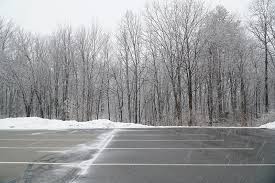
Snow melts in parking lots and carries oils into nearby waterways

a)

Point

b)

Non-Point

91.

Chemicals released from an Industrial Plant directly into a river

a)

Point

b)

Non-Point

92.

Washing your car in your driveway

a)

Point

b)

Non-Point

93.

Cattle ranches allow livestock to feed along streams

a)

Point

b)

Non-Point

94.

Construction sites sediments wash away into a stream.

a)

Point

b)

Non-Point

95.

Litter on city streets washes away during a storm

a)

Point

b)

Non-Point

96.

______________________ is water pollution/waste that comes from many different sources.
a)
biomagnification
b)
point source pollution
c)
nonpoint source pollution
d)
wastewater
97.

______________________ is water waste/pollution discharge from a single source.
a)
nonpoint source pollution
b)
wastewater
c)
point source pollution
d)
pathogen
98.
______________________ is water that is beneath the earth’s surface in sediment or rock formation.
a)
watershed
b)
water pollution
c)
wastewater
d)
groundwater
99.

What can happen to fish when there is not enough oxygen in the water?

a)

They can suffocate

b)

They can't float

c)

They can't see.

d)

Nothing. Fish don't need oxygen.

100.

Accumulation of pollutants at successive levels of the food chain.

a)

water pollution

b)

thermal pollution

c)

biomagnification

d)

artificial eutrophication

101.

Chemicals released from an Industrial Plant directly into a river

a)

Point

b)

Non-Point

102.

Disposing of paint and other household hazardous materials down the drain

a)

Point

b)

Non-Point

103.
______________________ is the introduction of chemical, physical, or biological agents into water that degrade water quality and adversely affect the organisms that depend on the water.
a)
water pollution
b)
desalination
c)
watershed
d)
potable
104.

Some kids were dumping paint in the local pond. What type of water pollution did they cause?

a)

Toxic

b)

Sediment

c)

Nutrient

d)

Bacterial

105.

Why does chemical waste need to be disposed of carefully?

a)

It encourages excessive plant growth

b)

It contains heavy metals which build up in the tissues of living organisms.

c)

It is not biodegradable

d)

It depletes the oxygen levels in the water

106.
Dirt, sand and silt are classified as what type of pollution?
a)
toxins
b)
sediment
c)
nutrient
d)
bacterial
107.

Logging operations used to use a technique called clear-cutting, in which all of the trees in an area are cut down. What type of water pollution will this most likely lead to?

a)

Toxic

b)

Sediment

c)

Nutrient

d)

Bacterial

108.

A farmer applies excess fertilizer to one of her fields just before a rainstorm. What kind of pollution is this most likely to lead to?

a)

Toxic

b)

Sediment

c)

Nutrient

d)

Bacterial

109.

This type of pollution comes from any heating of natural water that results from human activity

a)

Thermal pollution

b)

Chemical pollution

c)

Biological pollution

110.

Which of the following is an effect of an oil spill?

a)

Many plants and animals die.

b)

The fishing industry improves.

c)

Plant life increases.

d)

The oil cleans the beaches.

111.

At a research lab, a scientist carelessly pours cultures of living microbes down the drain. What type of water pollution does this cause?

a)

Toxic

b)

Sediment

c)

Nutrient

d)

Bacterial

112.

What type of pollution is the example:


Water from a river or lake, that is used for cooling powerplants, get warmed up. When that warm water is returned to the river or lake, it is a higher temperature than the river or lake water. This warmer water has less oxygen available for organisms that live in the water.

a)

Biological pollution

b)

Chemical pollution

c)

Thermal pollution