
 Worksheets
Biology Final Exam REVIEW 2022-23
Total questions: 98
Worksheet time: 49mins
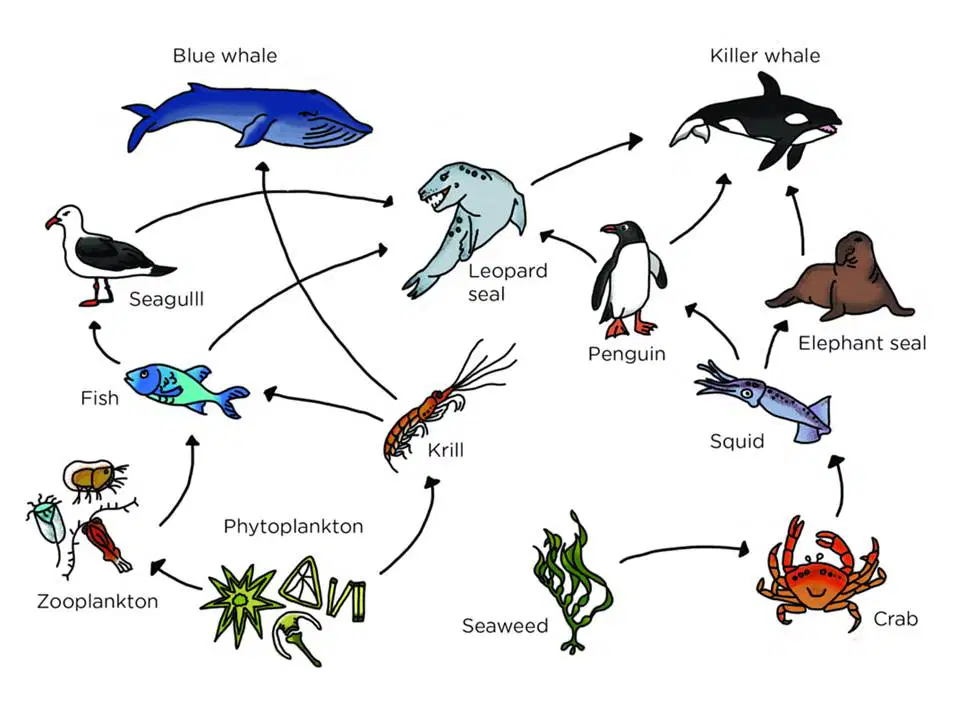
A. Toward the organism that is being eaten
B. In the direction of the producer
C. In the direction that energy flows through the food web
D. All of the above
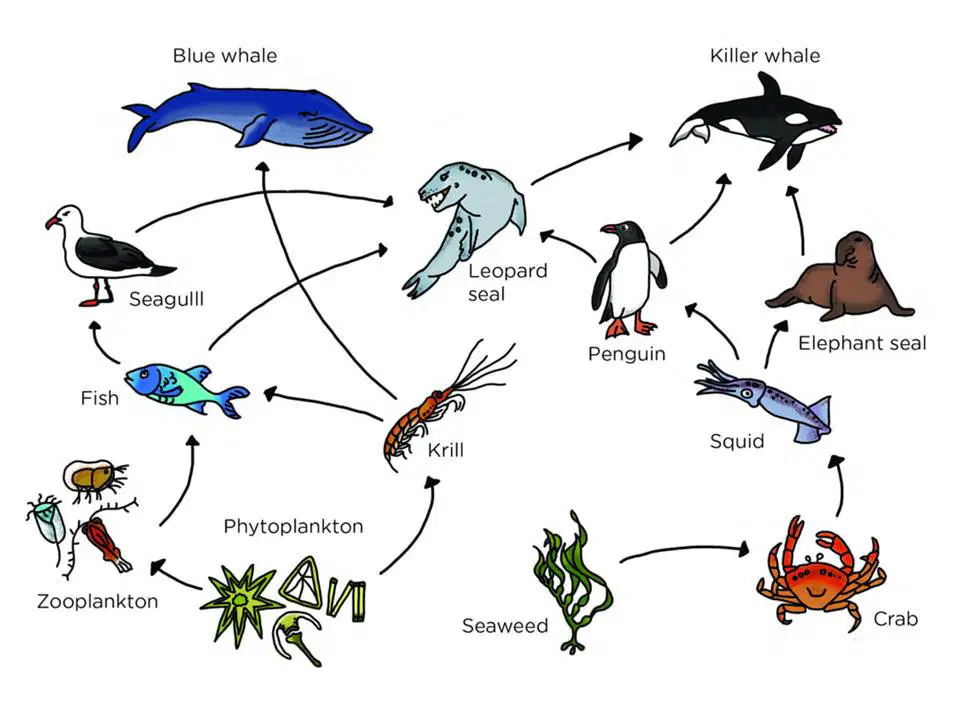
A. 2000 units
B. 200 units
C. 20 units
D. 2 units
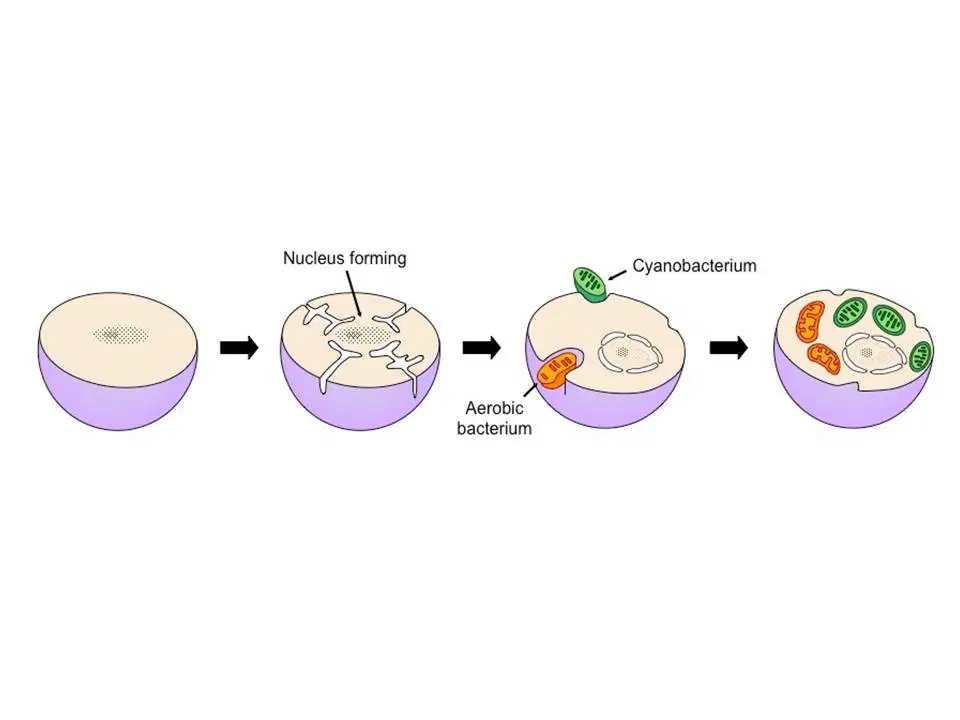
A. 1
B. 3
C. 5
D. 7
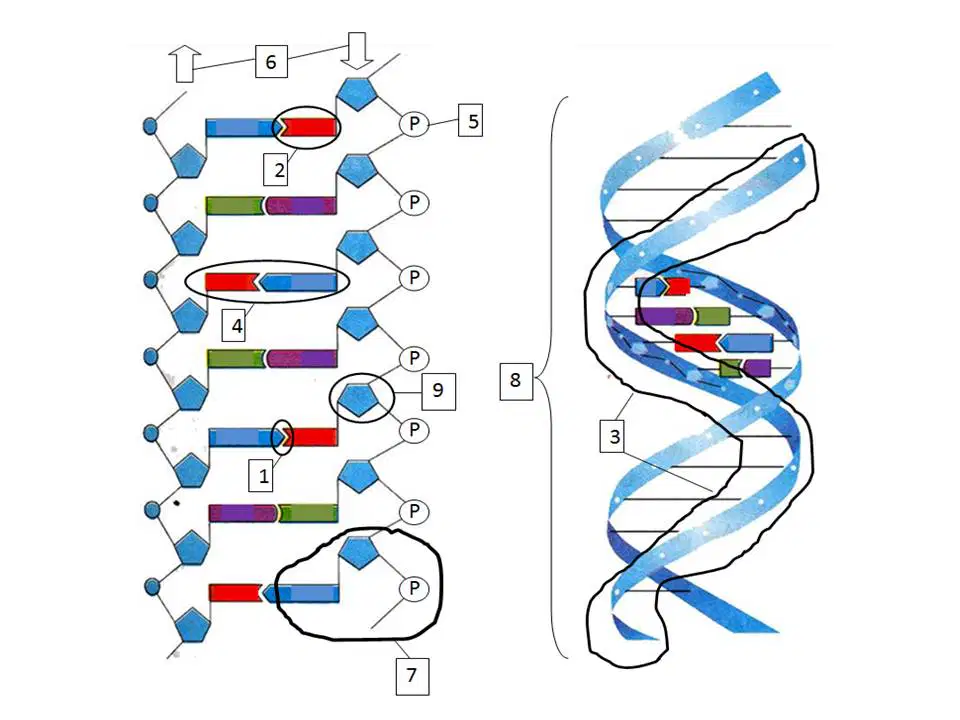
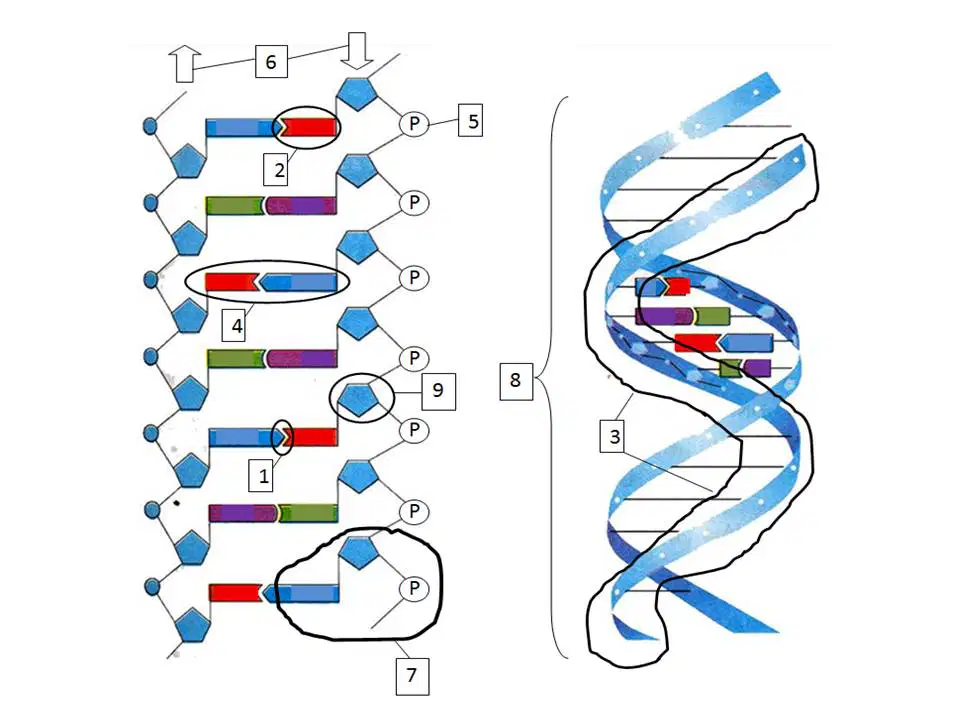
A. 2
B. 4
C. 6
D. 8
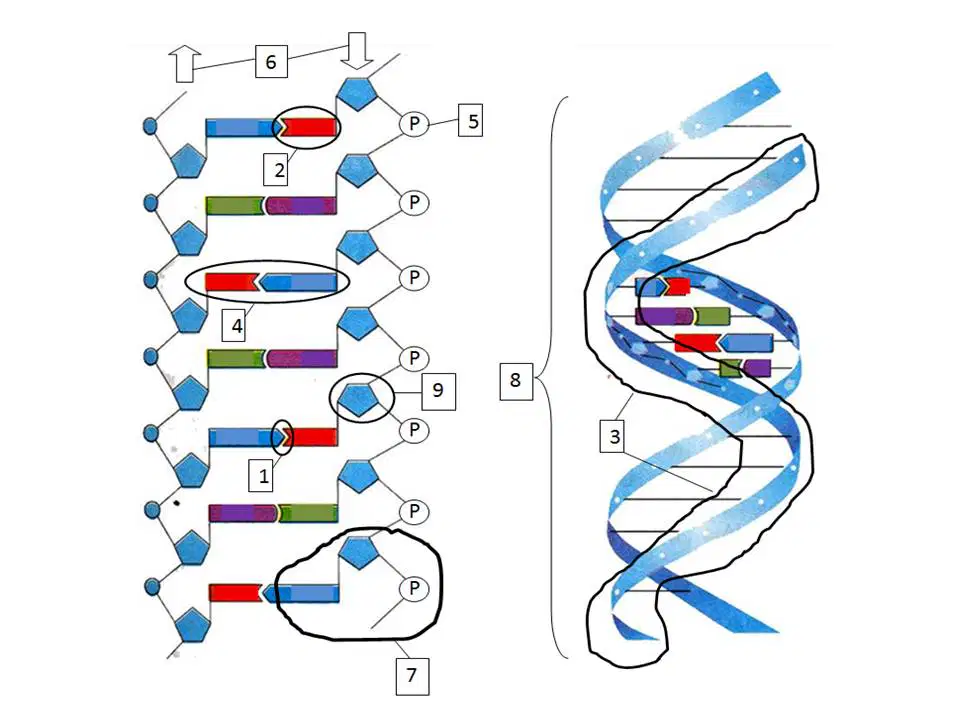
A. 2
B. 4
C. 6
D. 8
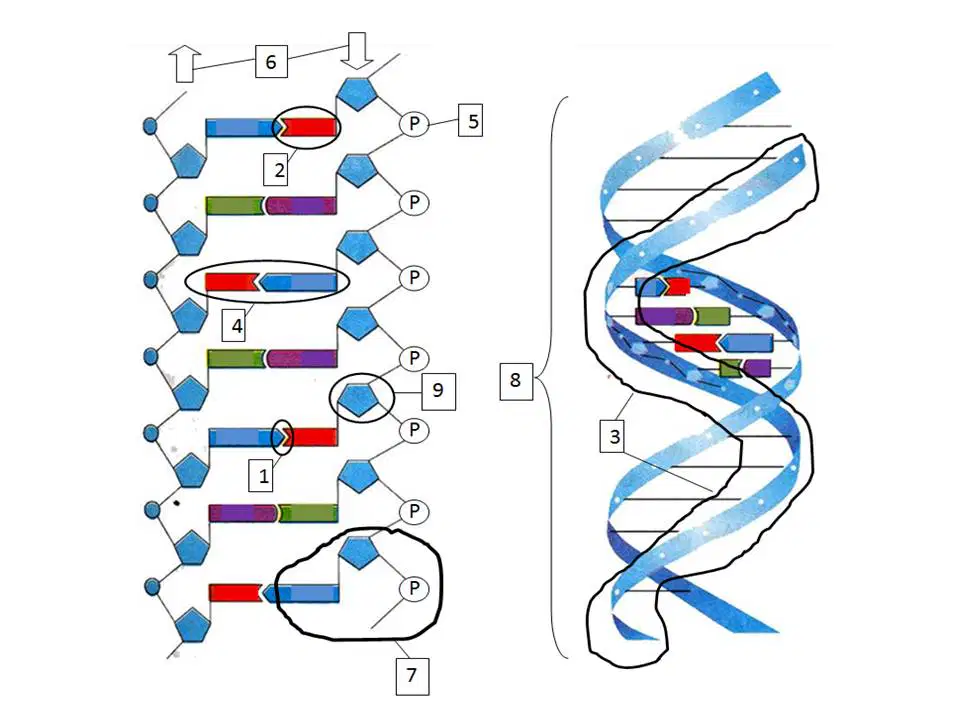
A. 1
B. 2
C. 3
D. 4
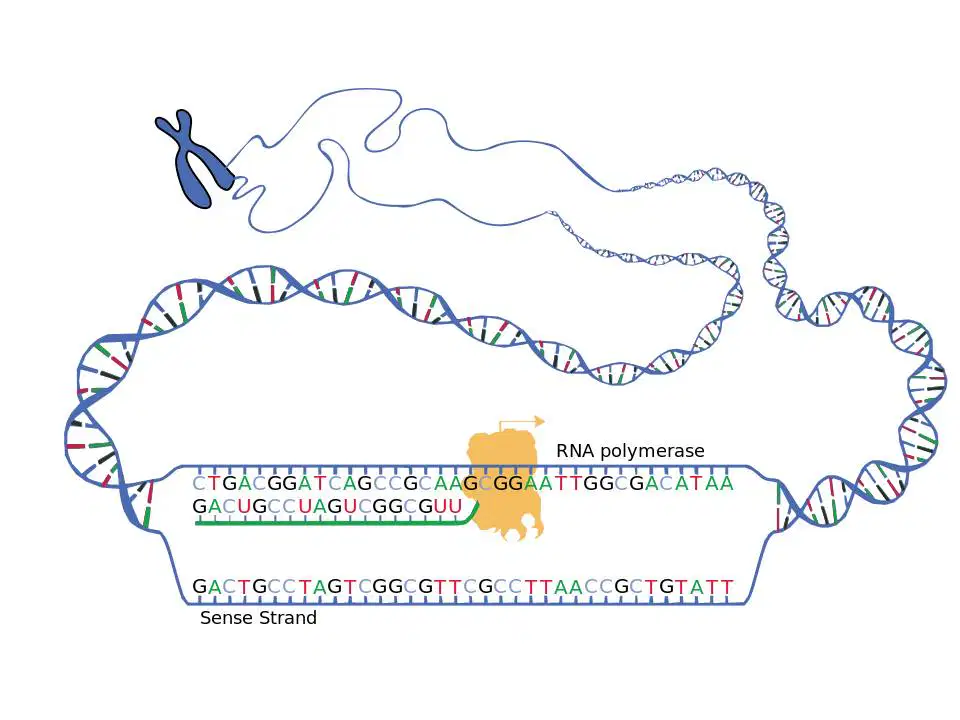

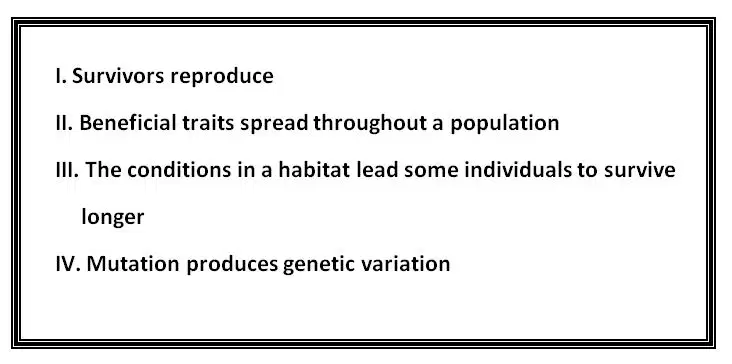
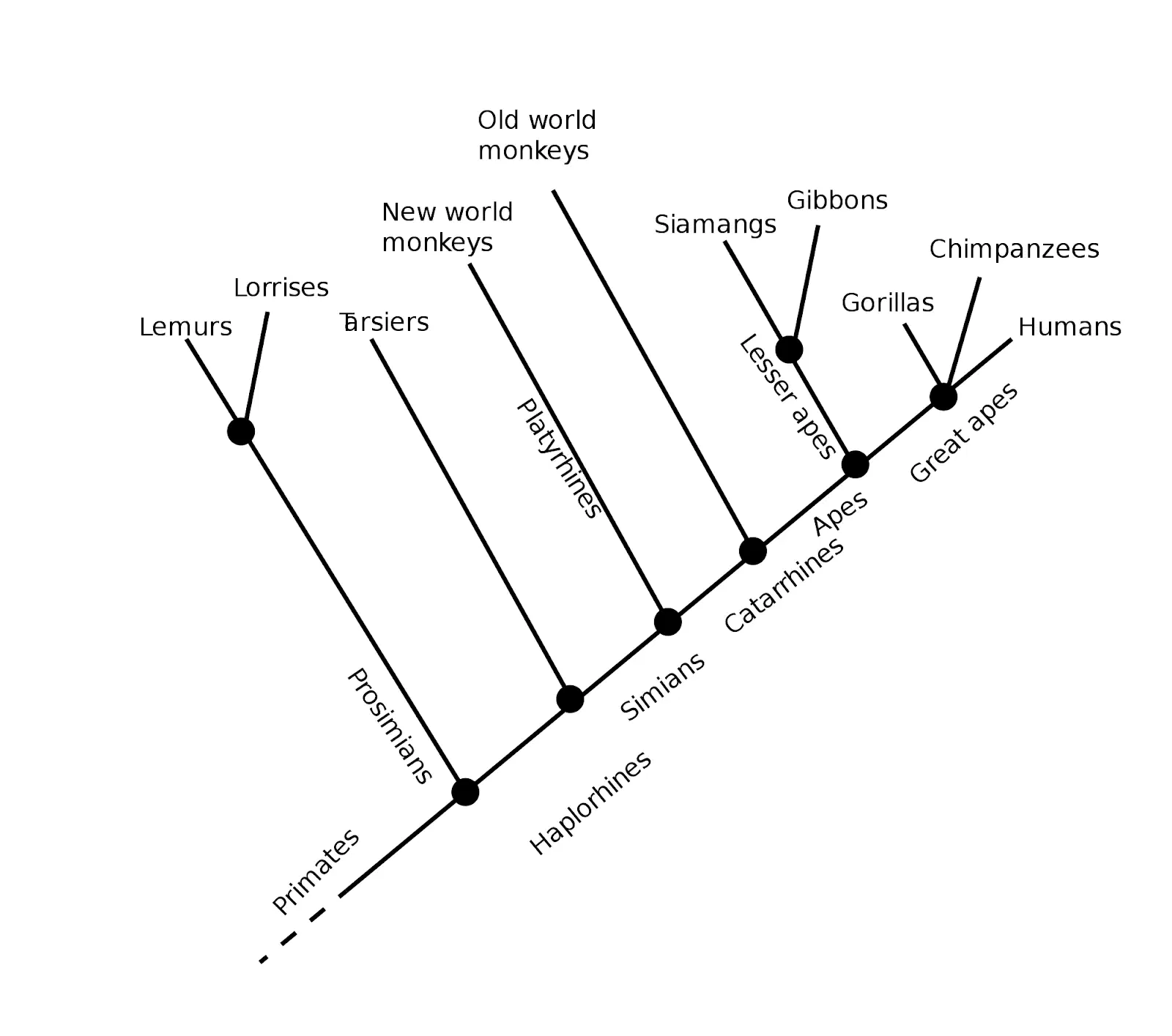


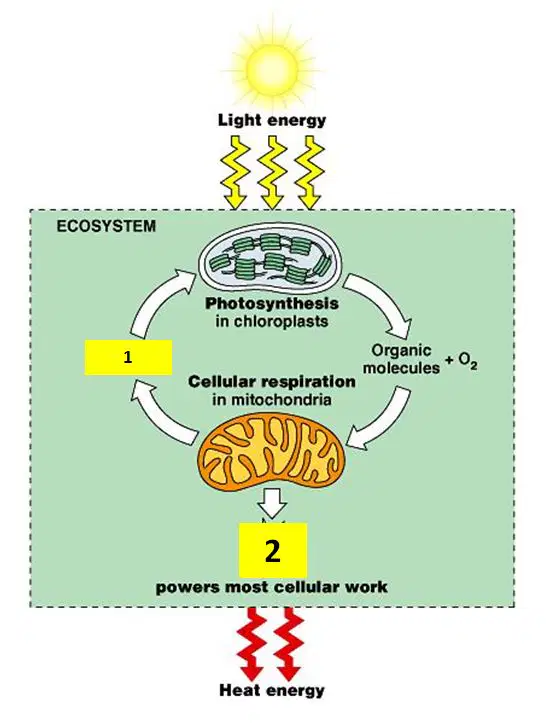
A. Carbon dioxide and Water
B. Water
C. Glucose and Carbon Dioxide
D. Sunlight
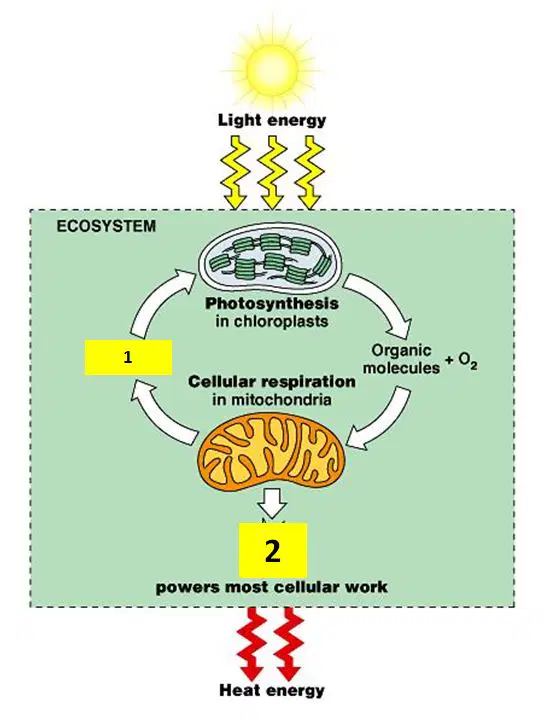
A. Glucose
B. Chlorophyll
C. Oxygen
D. ATP
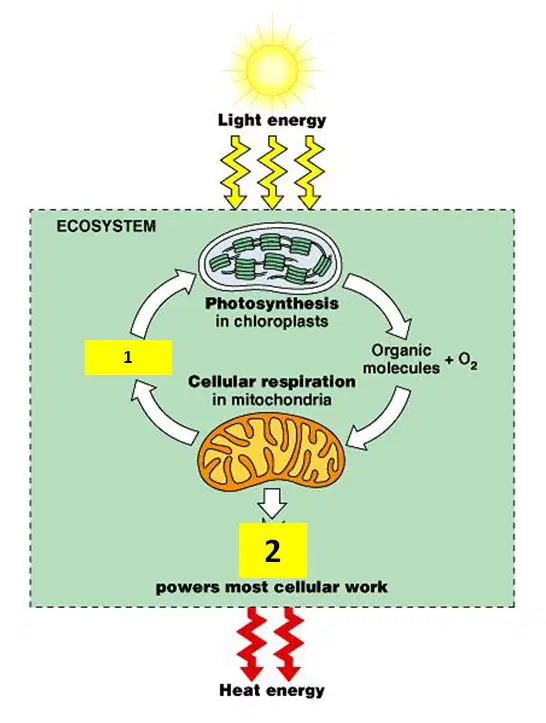
A. Photosynthesis requires energy to occur, while respiration releases energy
B. The products of photosynthesis are the reactants (ingredients) for cellular respiration
C. The products of cellular respiration are the reactants (ingredients) for photsynthesis
D. All of the above
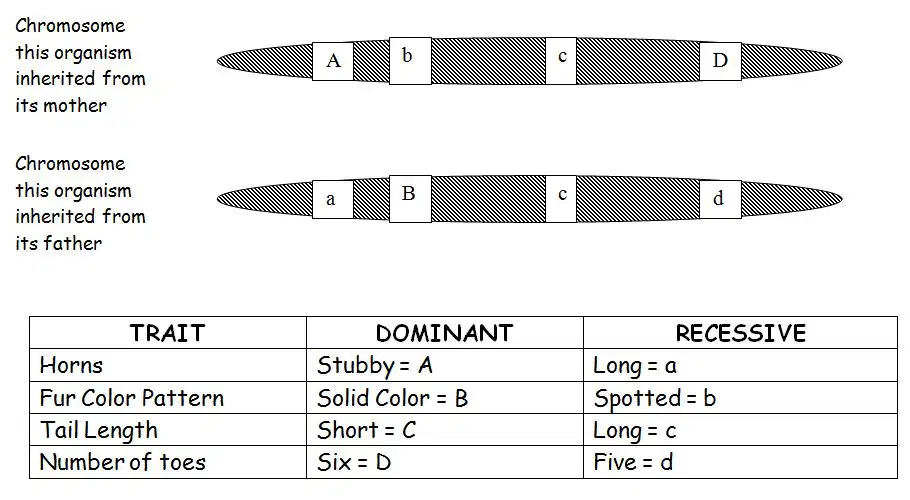
A. This animal has long horns
B. This animal has a short tail
C. This organism has six toes
D. This organism is heterozygous for tail length
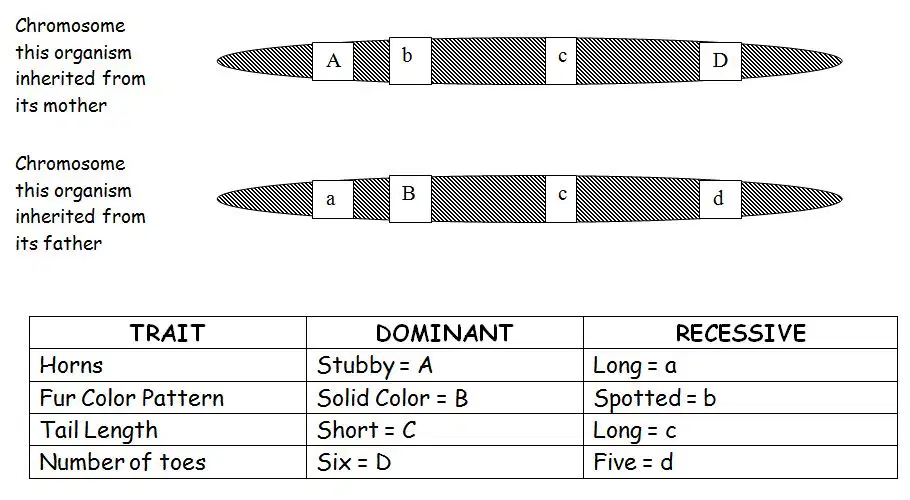
A. This animal has long horns
B. This animal's mother had stubby horns
C. This animal's father had long horns
D. This organism is homozygous dominant for the trait "horns"
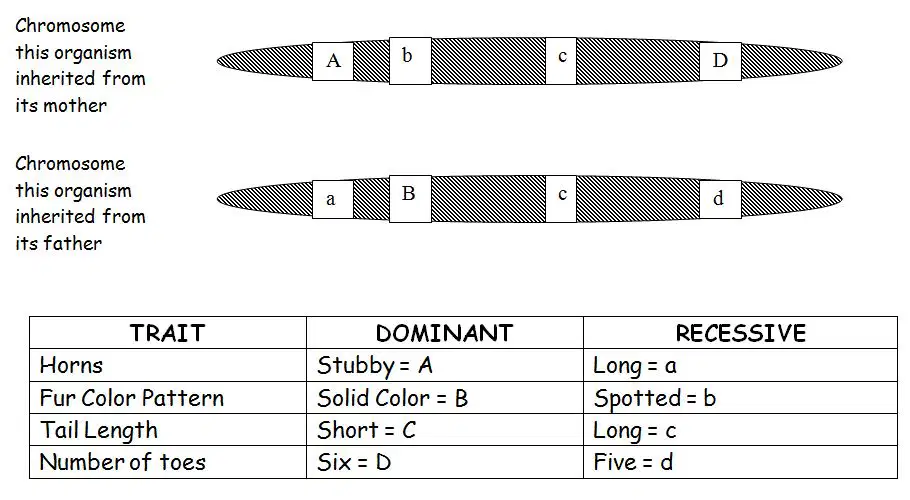
A. This animal's mom had six toes
B. This animal's dad had five toes
C. This animal's mom expresses the dominant form of the trait
D. It is not possible to determine the number of toes that this organism's dad had
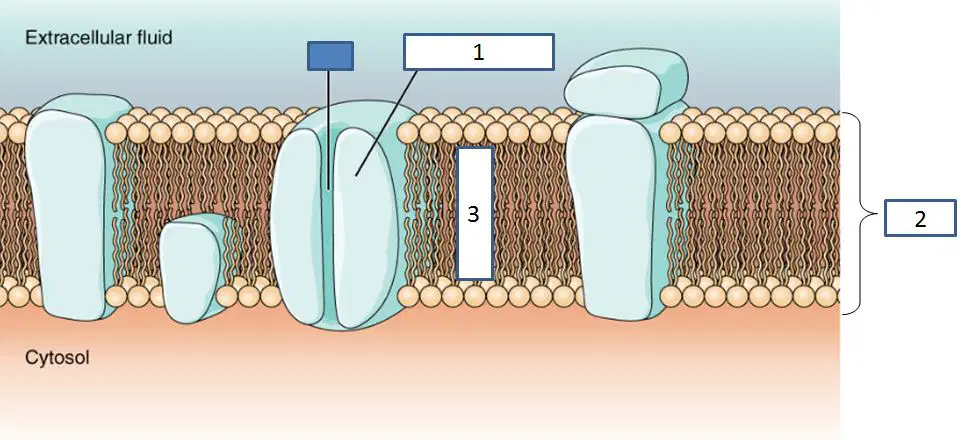
A. phospholipid bilayer
B. Protein channel
C. A phospholipid
D. A glycerol head
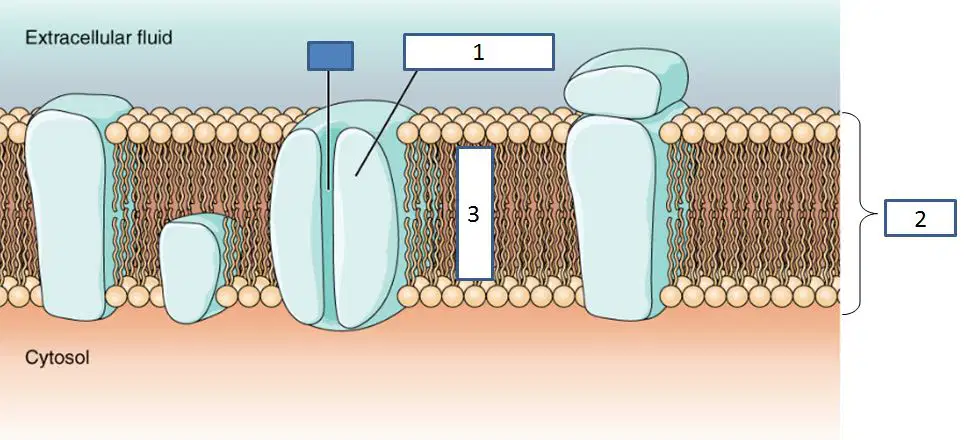
A. Fatty acid tails are hydrophobic, so they repel water, causing them to face one another in the middle of the membrane
B. The tails chemically bond to one another, anchoring them in the middle of the membrane
C. The membrane is arranged in a single layer because the outside of the cell is watery, and the inside is dryer
D. Glycerol heads are hydrophilic, so they are attracted to water, causing them to face the inside and outside of the cell
E. Answers A and D
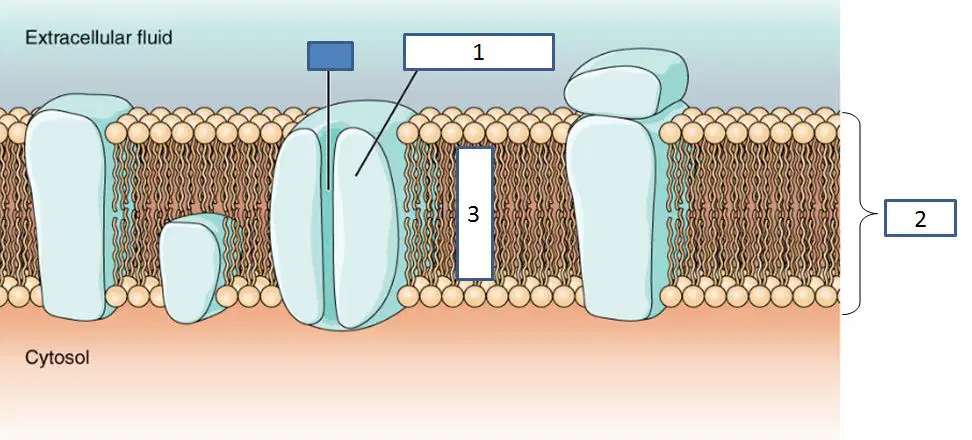
A. 1
B. 2
C. 3
D. None of the above
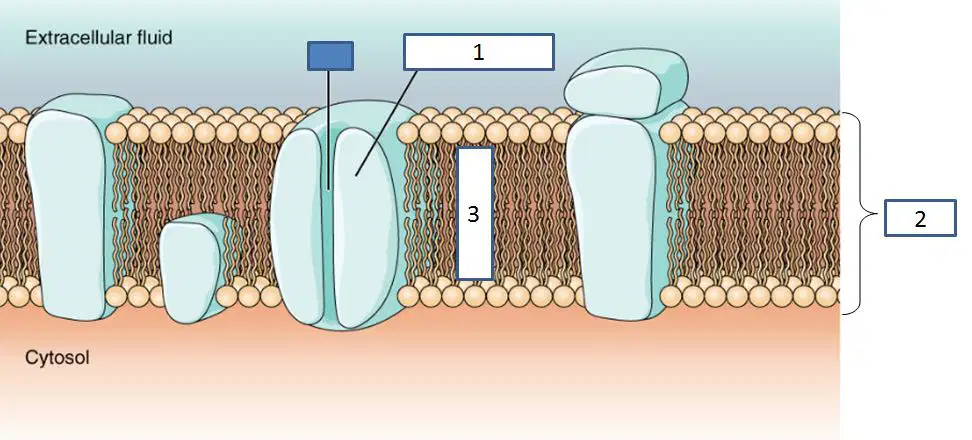
A. The glycerol heads repel water, and other ions from entering the cell
B. The fatty acid tails prevent charged and polar substances from entering the cell
C. The phospholipids pack tightly together, preventing larger molecules from entering
D. All of the above
E. Answers B and C
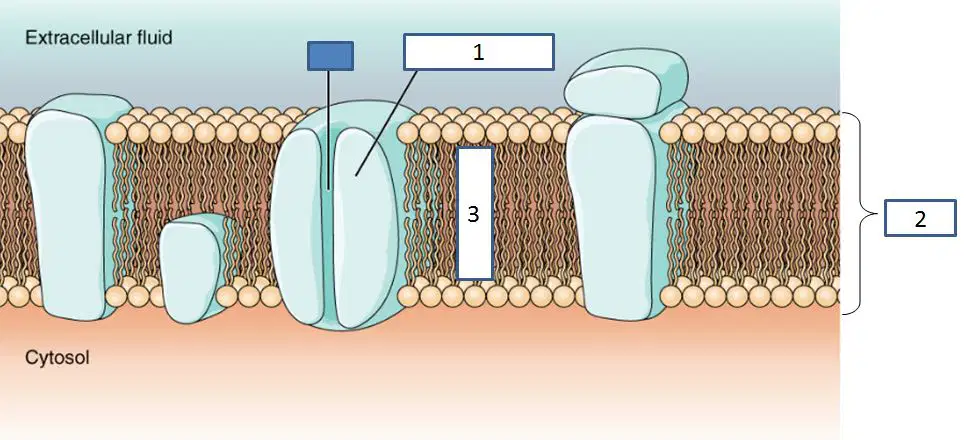
A. 1 , transport specific molecules into/out of the cell
B. 2 , move larger, or charged substances into or out of the cell
C. 1 , block all substances from entering the cell
D. 3 , allow water to flow into or out of the cell
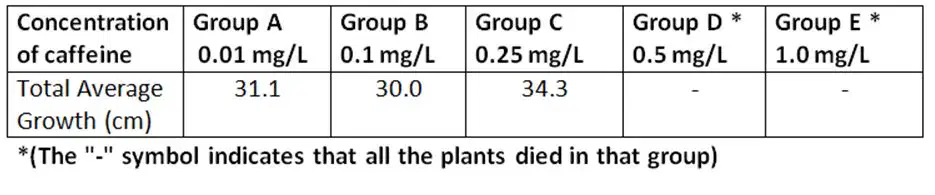
A. The growth rate of the tomato plants
B. The type of soil being used
C. The caffeine
D. The plants that got exposed to caffeine
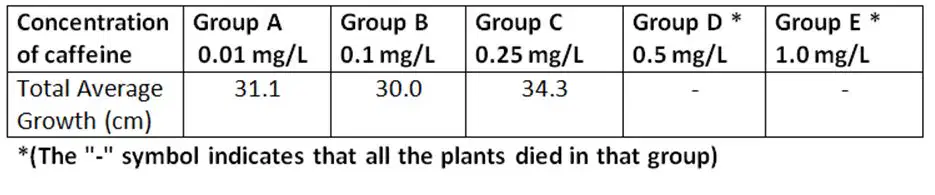
112. Which of the following is an example of a constant/ controlled variable in this experiment?
A. The type of soil
B. The amount of sunlight
C. The number of plants in each group
D. The amount of water used
E. All of the above
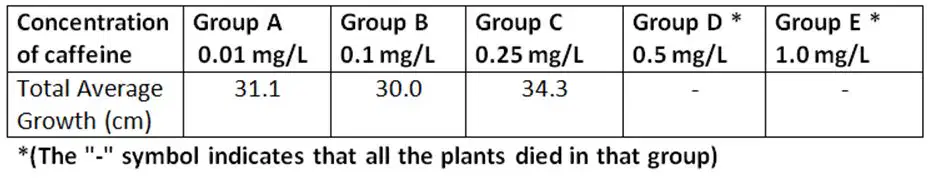
A. Caffeine does not significantly affect plant growth in low doses
B. Caffeine increases the rate of plant growth
C. Above a certain concentration, caffeine is damaging/deadly to the plant
D. Caffeine stunts a plant's growth
E. Answers A and C
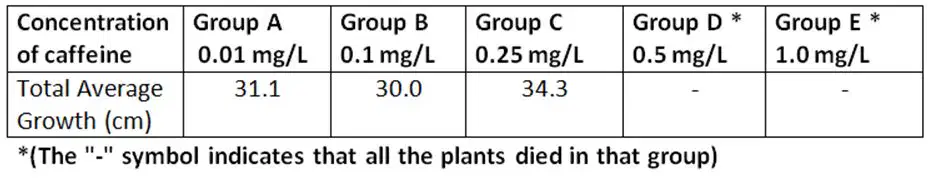
A. Constant
B. Control Group
C. Dependent (responding variable)
D. Independent (manipulated variable)
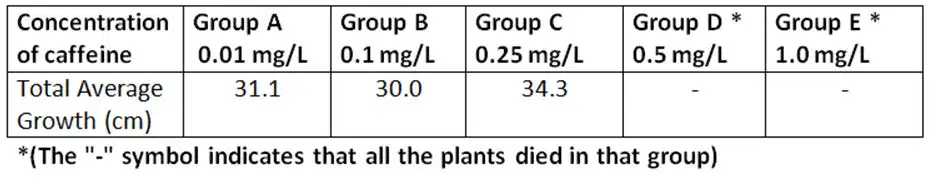
A. Ignore the 0.5 mg/L and 1.0 mg/L
B. Repeat the experiment
C. Add another chemical into the test, like Taurine
D. Put one plant in the dark
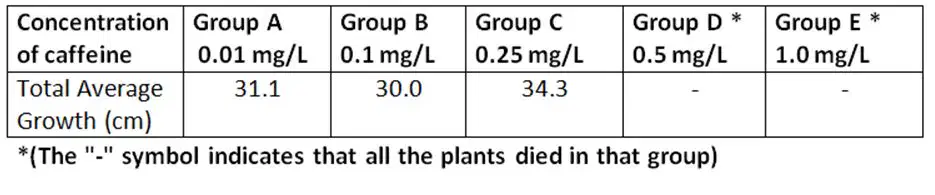
A. Scientists should have given the plants more sunlight
B. It is backwards; the scientists should be testing the affect of plant growth on caffeine
C. There should be less than four plants in each condition
D. The experiment lacks a control group

