wayground logo

Free Printable Worksheets

Font size

S
M
L
XL
Worksheets

Biology Sem 2 Final Review

Total questions: 100

Worksheet time: 1hrs 19mins

Name
Class
Date
1.

During what phase of Mitosis do the chromosomes line up in the Middle

a)

Metaphase

b)

Prophase

c)

Telophase

d)

Anaphase

2.

Which of the following is the correct order of the Cell Cycle?

a)

Interphase, Mitosis, Cytokinesis

b)

Mitosis, Cytokinesis, Mitosis, Interphase

c)

Prophase, Metaphase, Anaphase, Telophase

d)

Interphase, Prohase, Cytokinesis

3.

In which phase of Mitosis do the Chromosomes pull Apart

a)

Metaphase

b)

Prophase

c)

Anaphase

d)

Telophase

4.

What is the purpose of Mitosis?

a)

Growth of an organism and Repair of damaged tissue

b)

To help the body get rid of extra cells

c)

To increase the amount of classwork you have to do

d)

To get rid of the nucleus

5.

Nuclear membrane reforms around the new daughter cells.

Cytoplasm begins to "pinch" in.

a)

Anaphase

b)

Metaphase

c)

Telophase

d)

Interphase

6.
Before cells can divide, what must be copied?
a)
mitochondria
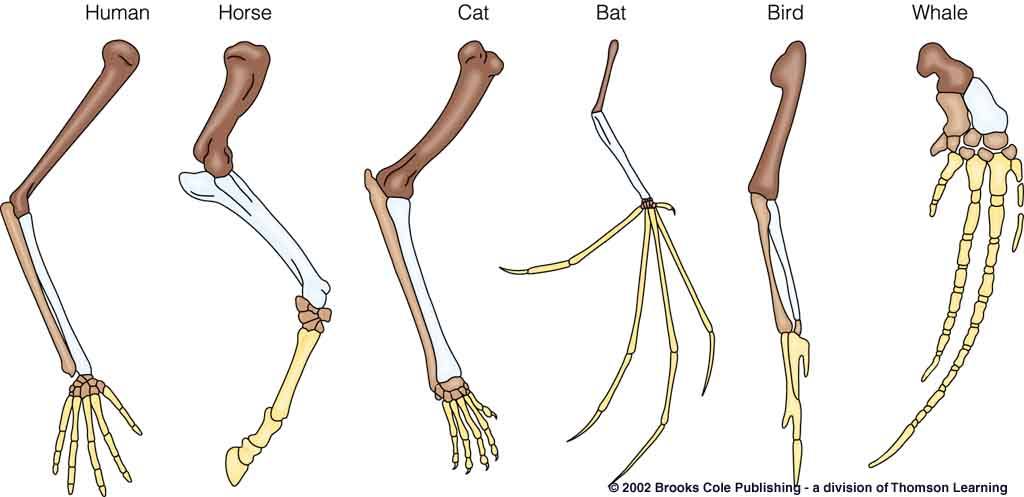
b)
cytoplasm
c)
DNA
d)
Cell Wall
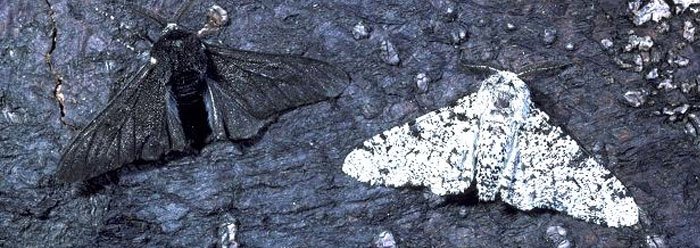
7.

in the cell cycle, what is the next stage after TELOPHASE (most of the time)?

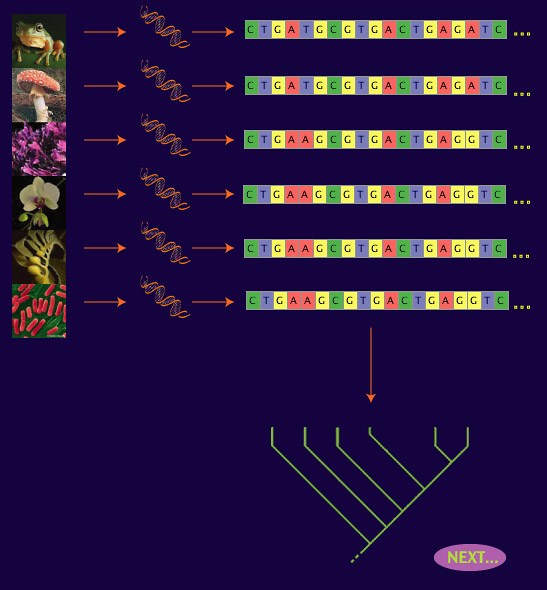
a)

Metaphase

b)

anaphase

c)

cytokinesis

d)

interphase

8.
During which phase of the cell cycle does the cell spend the most time?
a)
Mitosis
b)
Cytokinesis
c)
Interphase
9.
Name the phase:
a)
Prophase
b)
Metaphase
c)
Anaphase
d)
Telophase
10.
Which is Metaphase?
a)
A
b)
B
c)
C
d)
D
11.
What is the first phase of Mitosis?
a)
Prophase
b)
Metaphase
c)
Anaphase
d)
Telophase
12.
Which is telophase?
a)
A
b)
E
c)
B
d)
F
13.
Which is telophase?
a)
A
b)
E
c)
B
d)
F
14.

Which is anaphase?

a)

A

b)

E

c)

B

d)

F

15.

Which is prophase?

a)

d

b)

E

c)

c

d)

F

16.
Determine the sex of the individual whose karyotype is displayed in the image.
a)
female
b)
male
17.
Which would be considered a somatic cell?
a)
Sperm cell
b)
Egg Cell
c)
Skin Cell
d)
All of these
18.

SELECT ALL THAT APPLY:

a)

Male

b)

Female

c)

No chromosomal abnormalities

d)

Trisomy 18

19.
Determine the sex of the individual whose karyotype is displayed in the image.
a)
female
b)
male
20.

which are examples of gametes

a)

skin cell

b)

egg cell

c)

red blood cell

d)

somatic cell

21.
Nondisjunction can result in 
a)
trisomy conditions
b)
monosomy conditions
c)
additional sex chromosomes
d)
all of these
22.

If a carrots has 18 chromosomes, after mitosis the offspring cells will have _____ chromosomes.

a)

18

b)

9

c)

27

d)

36

23.
A human zygote should have _____ chromosomes inside.
a)
46
b)
23
c)
92
d)
64
24.

DNA

a)

Ribonucleic acid

b)

Deoxyribonucleic acid

c)

Dioxynucleic acid

d)

Hydronucleic acid

25.
Guanine bonds with ______________.
a)
Adenine
b)
Guanine
c)
Cytosine
d)
Thymine
26.
What will the matching sequence be on a strand that reads AAGCTAT?
a)
AACGATA
b)
TTCGTTA
c)
CCTGATA
d)
TTCGATA
27.
Which shows the correct complementary base pairing for DNA?
a)
C-A, T-G
b)
A-G, C-T
c)
C-G, U-A
d)
T-A, G-C
28.
Why does DNA replicate?
a)
To create another copy for the new cell
b)
To create a duplicate copy in case the original gets damaged
c)
To create a new copy to replace the damaged original
29.

What makes up the rungs (steps) of a DNA ladder?

a)

sugars & phosphates

b)

nitrogen bases

c)

sugars

d)

genes & chromosomes

30.

What is the main function of DNA?

a)

make proteins

b)

store energy

c)

create covalent bonds

d)

create hydrogen bonds

31.

Given this sequence of DNA: AAGCTAT. What will the complementary sequence be on a strand of mRNA?

a)

UUCGAUA

b)

TTCGTTA

c)

CCTGATA

d)

TTCGATA

32.

What kind of mutations exist?

a)

neutral mutations

b)

all of these

c)

beneficial mutations

d)

harmful mutations

33.

What do proteins do?

a)

Form cells

b)

Control cell processes

c)

Make DNA

d)

Determine traits

34.
The process by which the genetic code of DNA is copied into a strand of RNA is called
a)
translation
b)
transcription
c)
transformation
d)
replication
35.

What is the correct order to make a protein?

a)

Protein, DNA, RNA

b)

RNA, DNA, Protein

c)

DNA, RNA, Protein

d)

Protein, RNA, DNA

36.

RNA has what base that is instead of thymine?

a)

guanine

b)

adenine

c)

thymine

d)

uracil

37.
What part of a nucleotide accounts for the genetic variation between individuals?
a)
phosphate
b)
nitrogenous base
c)
deoxyribose
d)
sugar
38.

What is the correct sequence to represent the central dogma of biology?

a)

RNA --> DNA --> Protein

b)

Protein --> RNA --> DNA

c)

DNA --> RNA --> Protein

d)

DNA --> Protein --> RNA

39.

Is this a strand of DNA or RNA?

TACGGACTA

a)

DNA

b)

RNA

c)

Impossible to tell

40.
Choose the nucleotide sequence of the RNA strand that would be complementary to the following strand: 
GTAGTCA
a)
UATUAGA
b)
ACGACTG
c)
CAUCAGU
d)
CATCAGT
41.

Sexual reproduction results in

a)

Genetically unique offspring

b)

Genetically identical offspring

42.

Meiosis creates

a)

4 genetically different cells

b)

4 genetically identical cells

c)

2 genetically different cells

d)

2 genetically identical cells

43.

Cancer is

a)

not caught by cell cycle checkpoints

b)

caused by mutations in genes.

c)

uncontrolled cellular division.

d)

all of the above.

44.

Which cell shows cancerous cells?

a)

Figure A

b)

Figure B

c)

Figure C

d)

None of these

45.

what benefit does sexual reproduction provide?

a)

identical genetics passed down

b)

dominant alleles only

c)

recessive alleles only

d)

genetic variation passed down

46.
---- Is the combination of two alleles that are the same
a)
genotype
b)
homozygous
c)
phenotype
d)
trait
47.

The letters that make-up the genetic code for a trait

a)

genotype

b)

heterozygous

c)

phenotype

d)

trait

48.

These types of alleles are only expressed if the organism has two copies

a)

dominant

b)

recessive

c)

homozygous

d)

heterozygous

49.

The genotype Aa is best described as

a)

heterozygous

b)

homozygous

50.

The genotype gg is best described as

a)

heterozygous

b)

homozygous

51.

In pea plants, purple flowers (P) are dominant to white flowers (p). The phenotype of a PP plant would be

a)

purple

b)

white

c)

homozygous

d)

heterozygous

52.

In pea plants, purple flowers (P) are dominant to white flowers (p). The phenotype of a pp plant would be

a)

purple

b)

white

c)

homozygous

d)

heterozygous

53.

In pea plants, purple flowers (P) are dominant to white flowers (p). The phenotype of a Pp plant would be

a)

purple

b)

white

c)

homozygous

d)

heterozygous

54.

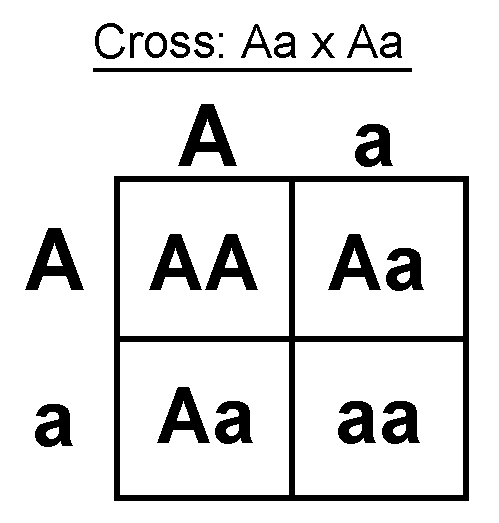
What allele combination should go in the missing box of the Punnett square?

a)

AA

b)

Aa

c)

aa

d)

none of these

55.

A = Brown hair and a = blond hair

What are the phenotype percentages of the offspring?

a)

50% Brown hair and 50% Blond hair

b)

25% Brown hair and 75% Blond hair

c)

75% Brown hair and 25% Blond hair

d)

0% Brown hair and 100% Blond hair

56.
If two parents have type AB blood, what is the probability that their child will have type O blood?
a)
0%
b)
25%
c)
50%
d)
100%
57.

A version or variation of a gene

a)

trait

b)

gene

c)

allele

d)

DNA

58.

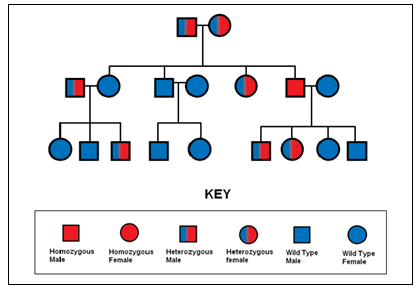
In a pedigree, which shape represents a male?

a)

circle

b)

square

59.

On a pedigree, this symbol represents a ----

a)

not affected male.

b)

not affected female.

c)

affected male.

d)

affected female.

60.

How are individuals III-2 and II-4 related?

a)

Brother and sister

b)

Dad and daughter

c)

Uncle and niece

d)

Grandfather and granddaughter

61.

The woman who is colorblind marries a man with normal vision. What is the probability that their sons will be colorblind?

a)

0%

b)

25%

c)

50%

d)

100%

62.

In fruit flies, eye color is a sex linked trait. Red (R) is dominant to white (r). What is the sex and eye color of flies with the following genotype: X R X r ?

a)

male with white eyes

b)

female with red eyes

c)

male with red eyes

d)

female with white eyes

63.

In fruit flies, eye color is a sex linked trait. Red (R) is dominant to white (r). What is the sex and eye color of flies with the following genotype: X R Y ?

a)

male with white eyes

b)

female with white eyes

c)

male with red eyes

d)

female with red eyes

64.

A condition in which both alleles for a gene are expressed so that both traits are visible is known as ---

a)

Codominance

b)

Incomplete dominance

65.

What type of inheritance pattern is shown here?

a)

Codominance

b)

Incomplete dominance

66.

A calico cat shows both the traits for orange fur and black fur. What kind of allele expression is this?

a)

Incomplete dominance

b)

Codominance

67.
Inherited trait that helps an organism survive is a(n) __________.
a)
Fossil
b)
Adaptation
c)
Ancestor
d)
Natural selection
68.
Survival of the fittest or when favorable adaptations reproduce faster is called what?
a)
Evolution
b)
Adaptation
c)
Natural selection
d)
Fossilization
69.
Structures with the same parts have different functions; suggests that organisms share a common ancestry
a)
vestigial structures
b)
homologous structures
c)
adaptive radiation
d)
fossil
70.
Which of the following is an example of a vestigial structure?
a)
the wings of a red-tailed hawk
b)
the hind limbs of a house cat
c)
the fins of sharks
d)
the tailbone of a human
71.
The diagram shows fossils in different rock layers. Which of these statements about the age of these fossils is most likely correct?
a)
Fossil A and C are the same age
b)
Fossil B is older than fossil C
c)
Fossils A is older than fossil B
d)
Fossil D is older than fossil C
72.

What do we call a change in a species over time?

a)

Adaptation

b)

Evolution

c)

Extinction

d)

Environmental influences

73.
Ostrich wings are examples of
a)
homologous structures
b)
vestigial structures
c)
adaptations
d)
traits
74.
Why do embryologist study embryos?
a)
to see if they are related
b)
to understand adaptations
c)
to determine the age
d)
to learn what parents are vestigial
75.
The environment around Manchester, England, changed during the Industrial Revolution.  How did this change affect peppered moths living in the area?
a)
Natural selection favored moths with dark wings because predators could not see them on the soot-colored trees.
b)
Natural selection favored moths with white wings that were easy for predators to see.
c)
Natural selection favored moths with white wings because predators could not see them on the soot-colored trees.
d)
Natural selection caused moths with white wings to become extinct.
76.
When an organism completely dies out, it is called.....
a)
Adaption
b)
Extinction
c)
Fossilization
d)
Mutation
77.
Two organisms that are closely related would have
a)
very similar DNA sequence
b)
exactly the same DNA sequences
c)
no proteins in common
d)
completely different DNA sequence
78.
Comparing human hemoglobin of chimpanzees, horses, kangaroos, and chickens, reveal that humans have the fewest amino acid differences with 
a)
Kangaroos
b)
Horses
c)
chickens
d)
chimpanzees
79.
All the individuals of a species that live in a particular area are called a
a)
variation
b)
population
c)
fossil
d)
group
80.
Which layer is oldest?
a)
A
b)
W
c)
G
d)
Z
81.
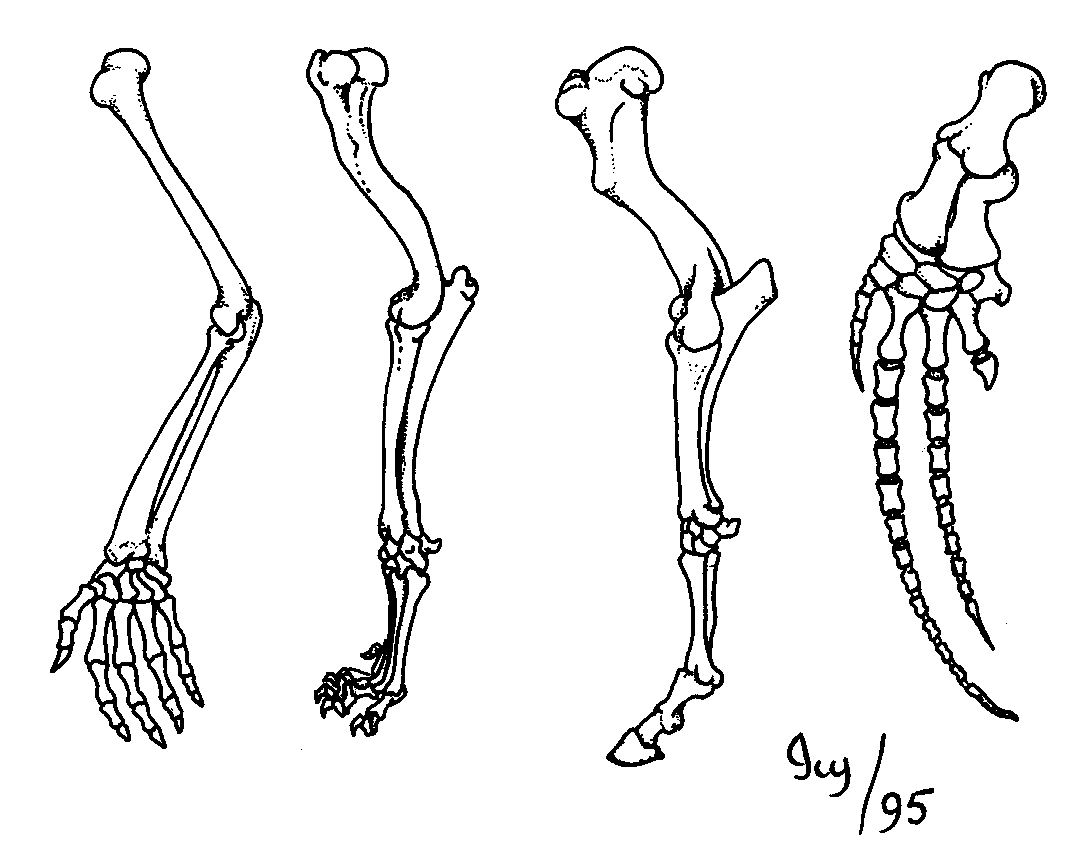
The structures shown are_________
a)
homologous
b)
heterologous
c)
analogous
d)
vestigial
82.
Why are advantageous traits more likely to be passed onto offspring?
a)
Because they are more likely to survive and reproduce.
b)
Because they come from dominant alleles.
c)
Because they come from recessive alleles.
d)
Because the trait is an acquired phenotype.
83.
The trees these moths used to live on were white, but have been covered in soot from coal factories. Which moth will be more successful in this environment?
a)
Dark moth
b)
Light moth
c)
Both will be equally successful
d)
Neither will be successful
84.
Which best describes mutations?
a)
Always helpful
b)
Always harmful
c)
Can be helpful or harmful
d)
Always neutral
85.
Structures with the same parts have different functions; suggests that organisms share a common ancestry
a)
vestigial structures
b)
homologous structures
c)
adaptive radiation
d)
fossil
86.
Study of embryos of various organisms to show a common ancestor because of similarities in development
a)
natural selection
b)
embryology
c)
speciation
d)
evolution
87.

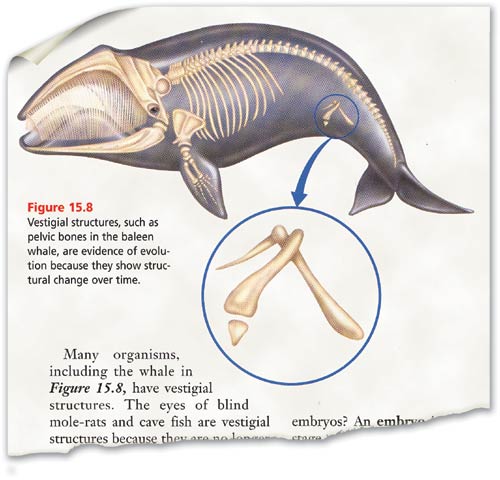
Whales are aquatic mammals that contain a pelvis (hip) bone. Even though it does not aid in its movement, the function must have been used by a common ancestor of the whale. Thus, the pelvis is referred to as a(n)

a)

vestigial structure

b)

analogous structure

c)

homologous structure

88.
According to the diagram, who is most closely related to primates? 
a)
Amphibians
b)
Rodents & Rabbits
c)
Crocodiles
d)
Sharks
89.
Which of the following is true about antibiotic-resistant bacteria?
a)
Bacteria with antibiotic resistance are more likely to survive and reproduce
b)
Over time, the entire population will become antibiotic resistant
c)
Bacteria don't mutate as a result of exposure to the antibiotic
d)
All of these
90.
Humans, birds, whales, and lizards all have similar arm bones. What is the reason for this?
a)
The function of these bones is the same in all animals
b)
They live in similar environments
c)
They have a common ancestor
d)
All organisms resemble humans
91.

What are evolutionary trees called? (More than one answer)

a)

Punctuated Equilibrium

b)

Phylogenic Tree

c)

Gradualism

d)

Cladogram

92.

Which organism is most closely related to the cat?

a)

Fish

b)

Frog

c)

Salamander

d)

Goose

e)

Human

93.

What most likely caused the finches on the Galapagos Islands to have beaks that were different from the finches on the mainland?

a)

There were different types of predators on the islands.

b)

The finches on the mainland could not fly high enough.

c)

There was no water on the islands.

d)

There were different food types on each island.

94.
Finches on the Galapagos Islands had different beaks in order to help them do what?
a)
Build nests
b)
Fight off predators
c)
Collect food sources
d)
Compete with rivals
95.

Which of the following is the correct order for least related to most related?

a)

Domain

Kingdom

Phylum

Class

Order

Family

Genus

Species

b)

Species

Kingdom

Phylum

Class

Order

Family

Genus

Domain

c)

Species

Genus

Family

Order

Class

Phylum

Kingdom

Domain

d)

Domain

Kingdom

Class

Phylum

Order

Genus

Family

Species

96.

Which of the following sets of animals would be the most closely related?

a)

Animals in the same order

b)

Animals in the same genus

c)

Animals in the same class

d)

Animals in the same family

97.

The American lobster (Homarus americanus) is most closely related to which of the following organisms?

a)

Cape lobster (Homarinus capensis)

b)

Common lobster (Homarus gammarus)

c)

Patagonian lobsterette (Thymops birsteini)

d)

Scarlett clawed lobster (Nephropsis atlantica)

98.

Which of the following pairs of organisms from the table shown to the left would be the most closely related?

a)

Desert iguana and Box turtle

b)

Chuckwalla and Bush anole

c)

Box turtle and Bush anole

d)

Desert iguana and Chuchwalla

99.
In what kingdom would you find trees and flowers?
a)
Plantae
b)
Fungi
c)
Eubacteria
d)
Animalia
100.
I sometimes get confused by others to be a plant. I'm heterotrophic and digest decaying material. What kingdom to I belong to?
a)
Archaebacteria
b)
Animalia
c)
Fungi
d)
Protista