
 Worksheets
CEHS Spring Biology Final review
Total questions: 113
Worksheet time: 1hrs 21mins
Check all the boxes for each organelle that plant and animal cells both have.
lysosomes
cell membrane
mitochondria
nucleus
cell wall
What do you think homeostasis is?
Keeping your body systems stable
Staying at home
Making body systems unstable
Has membrane bound organelles
Prokaryote
Eukaryote
Both
Where is the DNA found in a prokaryotic cell?
In the nucleus
In the mitochondria
Floating around in the cytoplasm
In the ribosome

In what organelle is the genetic material found inside?
Nucleus
endoplasmic reticulum
Mitochondria
Lysosome
What can only be found in plant cells?
Chloroplast
Vacuole
Nucleus
Cell membrane
The two kinds of cells are Prokaryotes and Eukaryotes. How are they different?
Prokaryotes are plant cells
Eukaryotes have a nucleus
Prokaryotes have a nucleus
There is no difference

This cell would be classified as a(n) ________________ cell.
Prokaryotic
Eukaryotic
Both


When the concentration of solutes on both sides of a membrane is the SAME, the solution is
Which macromolecule is used as our main source of energy?
Lipids/Fats
Nucleic Acids
Proteins
Carbohydrates
Which macromolecule stores energy?
Carbohydrates
Proteins
Lipids/Fats
Nucleic Acids
Nucleic acids make up which of the two molecules listed below?
FDA
RNA
DNA
FDR
Match the MACROMOLECULES and their MONOMERS.
Hint: Monomer = a single unit
carbohydrate
monosaccharide
lipid
fatty acid & glycerol
protein
amino acid
nucleic acid
nucleotide

What is this?
water
DNA
a snake
Match the following MONOMERS and MACROMOLECULES

Nucleic Acid

Protein

Lipid

Carbohydrate
An enzyme is a ______________.
carbohydrate
lipid
nucleic acid
protein
Which macromolecule gives LONG-TERM energy?
lipid
carbohydrate
nucleic acid
What is replicated in S phase of Interphase?
Cytoplasm
Cell
DNA
Nucleus
Interphase is preparing the cell for...
Cell division
cell fragmentation
cell deterioration
cell proliferation

Which phase is demonstrated in the image?
Prophase
Metaphase
Anaphase
Telophase

Which phase is demonstrated in the image?
Prophase
Metaphase
Anaphase
Telophase

Which phase is demonstrated in the image?
Prophase
Metaphase
Anaphase
Telophase

Which phase is demonstrated in the image?
Prophase
Metaphase
Anaphase
Telophase
Prophase
Metaphase
Anaphase
Telephase
cytokenises

Which phase is this in?
Interphase
Metaphase
Anaphase
Telephase
Cells of organisms must go through cell division for?
growth
repair of damaged cells
replacement of dying cells.
All of these
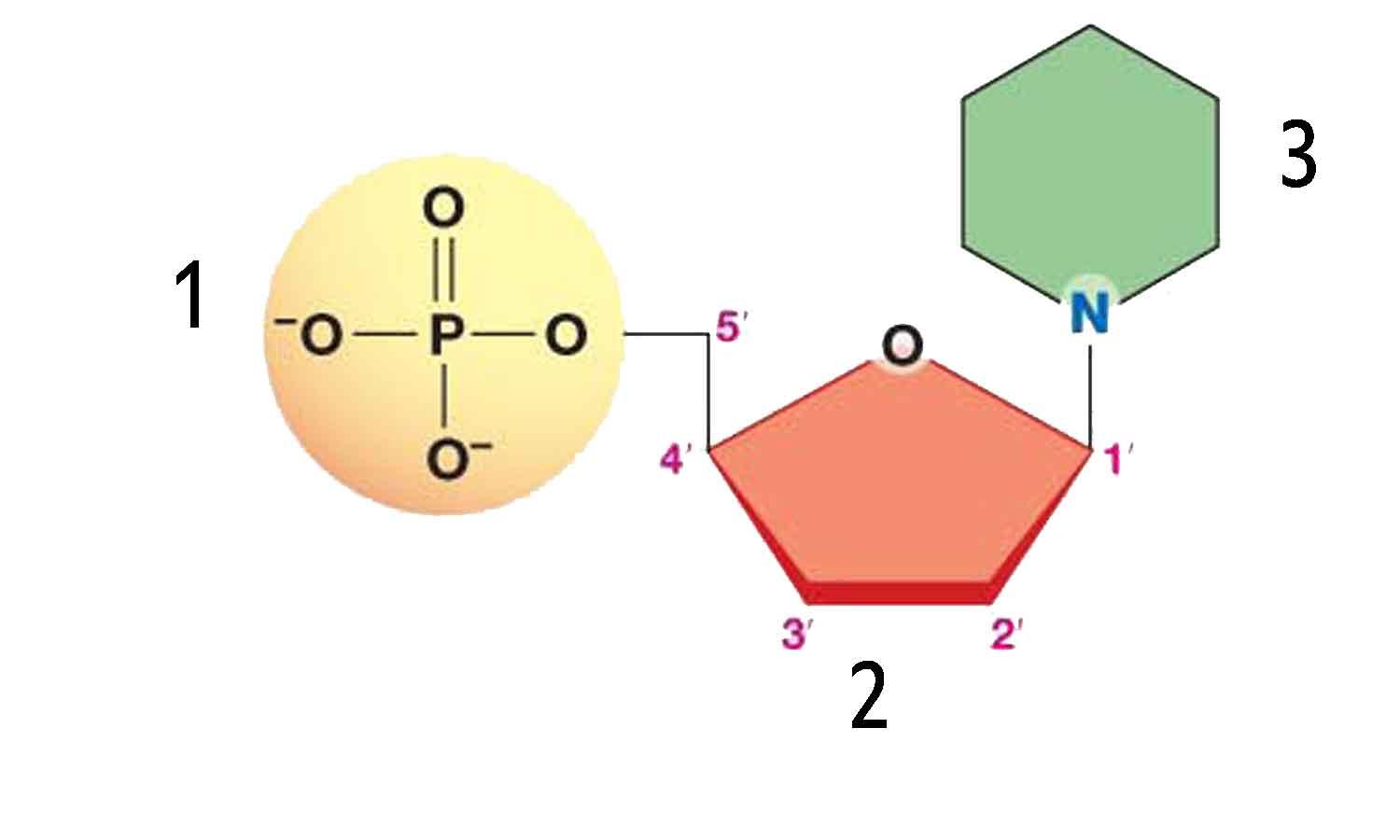
3) Nitrogen Base
2) Phosphate
3) Nitrogen Base
2) Ribose Sugar
3) Nitrogen Base
2) Deoxyribose Sugar
3) Nitrogen Base
During mitosis, DNA is found in the condensed form called a
chromosome
centromere
centriole
chromatin
WHAT DOES MEIOSIS CREATE?
CHROMOSOMES
GAMETES
DNA
TRAITS
THE END RESULT OF MEIOSIS IS...
FOUR UNIDENTICAL GAMETES
FOUR IDENTICAL GAMETES
TWO IDENTICAL GAMETES
TWO UNIDENTICAL GAMETES
THE GAMETES ARE CONSIDERED TO HAVE ONE HALF OF THE GENETIC INFO SO IT IS CALL
DIPLOID (2N)
DIPLOID (N)
HAPLOID (2N)
HAPLOID (N)
HOW MANY CHROMOSOMES DO HUMAN GAMETES HAVE?
46
23
47
22
CROSSING OVER ALLOWS FOR WHAT TO HAPPEN?
ALL CELLS TO STAY THE SAME
GENETIC VARIATION
REDUCTION OF CHROMOSOMES
CHROMOSOME NUMBER TO INCREASE

THIS IMAGE SHOWS WHAT IS HAPPENING WITH THE CHROMOSOMES?
NON- DISJUNCTION
METAPHASE
TELOPHASE
CROSSING OVER
The idea of non-disjunction of the 21st chromosome means the following:
complete seperation of chromosomes
complete seperation of genes
failure for chromosomes to seperate
failure for genes to seperate

Explain the karyotype of this individual
Male - no genetic defect
Male - Down's Syndrome
Female - no genetic defect
Female - Down's Syndrome


True or False: You can be blood type AB because A and B are co-dominant
true
false
If parent are B and O blood group. Predict the blood group of the child.
A
AB
B


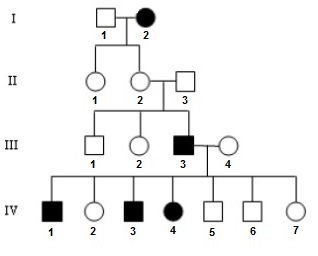


What is the gender of this person?
Male
Female


Similarities in bone arrangements, like those in the picture, support the hypothesis that...
these organisms are not well adapted
these organisms share a common ancestor
these organisms all share the same DNA sequences
these organisms are members of the same species
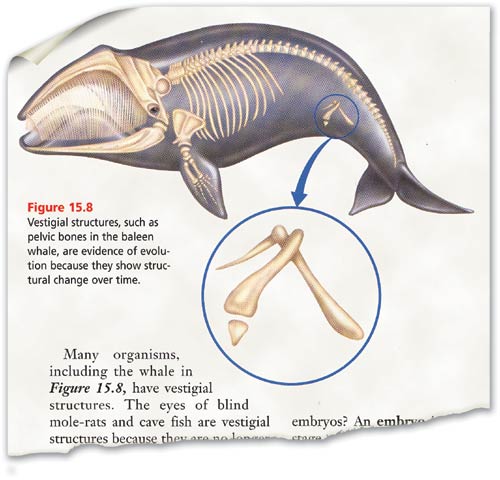
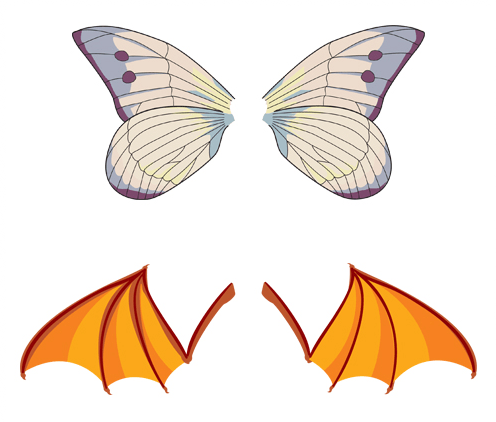
What is this an example of?
Homologous structure
Analogous structure
Vestigial organs
Functional adaption

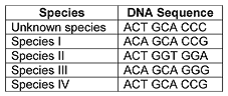
Reindeer from a rancher in Alaska escape from their pen during an enormous snow storm. After their escape, they mate with wild caribou that are migrating across the land. The offspring of these have traits for short legs and have tame behavior.
Gene Flow
Genetic Drift
Non-Random Mating
Natural Selection
Males of the bighorn sheep species fight one another to show females who is the dominant male and are more likely to mate with females.
Natural Selection
Mutation
Genetic Drift
Non-Random Mating
During a hurricane, a population of beetles almost gets completely wiped out. The only beetles that survived were lucky that they were in their nest at the time of the hurricane and had enough food to survive.
Natural selection
Genetic Drift
Gene Flow
Non-Random Mating
Insects become resistant to pesticides very quickly, sometime in one generation. If an insect is resistant to the chemical, most of the offspring will also be resistant. Considering that insect generations can be a matter of weeks, insects in an area can become immune to a chemical within months.
Mutation
Natural Selection
Genetic Drift
Gene Flow
A chemical spill causes the offspring of ladybugs to have blue dots instead of black dots.
Natural Selection
Genetic Drift
Mutation
Gene Flow
The country of Sweden is known for having people with blonde hair and blue eyes. One day a family moves from Sweden to India where dark hair and dark eyes are very common. A female from Sweden marries a male from India and their offspring now have blonde hair and blue eyed traits.
Natural Selection
Mutation
Non-Random Mating
Gene Flow
A certain type of plant can produce blue or yellow flowers. During a fire, many yellow flowers are destroyed and now since blue is the dominant trait, the plant reproduces offspring that produce only blue flowers.
Non-Random Mating
Gene Flow
Mutation
Genetic Drift
Some organisms of a population of birds are born with extra-long beaks instead of a normal sized beak.
Gene Flow
Natural Selection
Genetic Drift
Mutation
In a habitat there are red bugs and green bugs. The birds prefer the taste of the red bugs, so soon there are many green bugs and few red bugs. The green bugs reproduce and make more green bugs and eventually there are no more red bugs
Genetic Drift
Natural Selection
Gene Flow
Mutation
Females a certain bird species are attracted to the mating calls of male species more than others
Genetic Drift
Mutation
Non-Random
Natural Selection
Northern elephant seals have reduced genetic variation probably due to the effects humans inflicted on them in the 1890s. Hunting reduced their population size to as few as 20 individuals at the end of the 19th century. What evolutionary concept is displayed in this example?
Bottleneck Effect
Founder Effect
Directional Selection
Frequency Dependent Selection
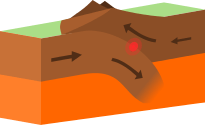
the movement of genes into or out of a population
Gene Flow
Random chance; small population
Genetic Drift
A sudden change in one or more characteristics due to a change in a gene
Mutation
Occurs due to physical difference as a result of a genetic difference
Non-Random Mating
The movement of organisms from one place to another
Migration

What type of selection is pictured here?
Directional
Disruptive
Stabilizing

What type of selection is pictured here?
Directional
Disruptive
Stabilizing
A particular bird species lays an average of 4 eggs per nesting season. If more than four eggs are produced, the parents may not be able to feed the hatchlings. If less than 4 eggs are produced, there is an increased risk that predators will take all the young that have been produced.
Directional
Disruptive
Stabilizing
A lizard population lives in a very rocky area consisting of black rocks and white rocks. Black lizards can hide from predators by living on black rocks, and white lizards can hide from predators by living on white rocks. The intermediate grey colored lizard is found in fewer numbers because of its inability to hide from predators in this environment.
Directional
Disruptive
Stabilizing
During the ice ages, the black bears of Europe increased in size.
Directional
Disruptive
Stabilizing
In a population of field mice, coat color ranges from light tan to dark brown. Medium brown mice are found in greater abundance due to their ability to blend in with their surroundings.
Directional
Disruptive
Stabilizing
A population of Madagascar hissing cockroaches lives in a woodpile. It suffers predation from lizards. The lizards are unable to eat the very largest adult cockroaches, and instead prey upon small and medium sized adults. Eventually, the population of cockroaches has more large members overall.
Directional
Disruptive
Stabilizing
Similarities in bone arrangements, like those in the picture, support the hypothesis that...
these organisms are not well adapted
these organisms share a common ancestor
these organisms all share the same DNA sequences
these organisms are members of the same species
What is this an example of?
Homologous structure
Analogous structure
Vestigial organs
Functional adaption
Reindeer from a rancher in Alaska escape from their pen during an enormous snow storm. After their escape, they mate with wild caribou that are migrating across the land. The offspring of these have traits for short legs and have tame behavior.
Gene Flow
Genetic Drift
Non-Random Mating
Natural Selection
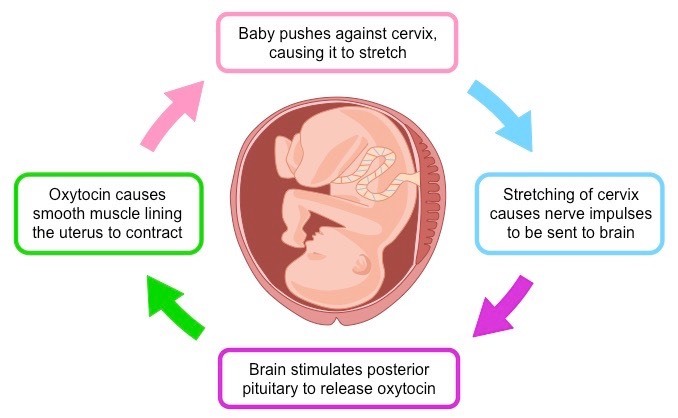
What type of feedback loop is shown?
negative
neutral
positive

