
 Worksheets
Honors Biology Midterm Exam Review
Total questions: 110
Worksheet time: 2hrs 56mins


What is the function of the cell membrane?
To control what comes in and out of the cell
To break down food inside the cell
to serve as a barrier
to eat the cells food


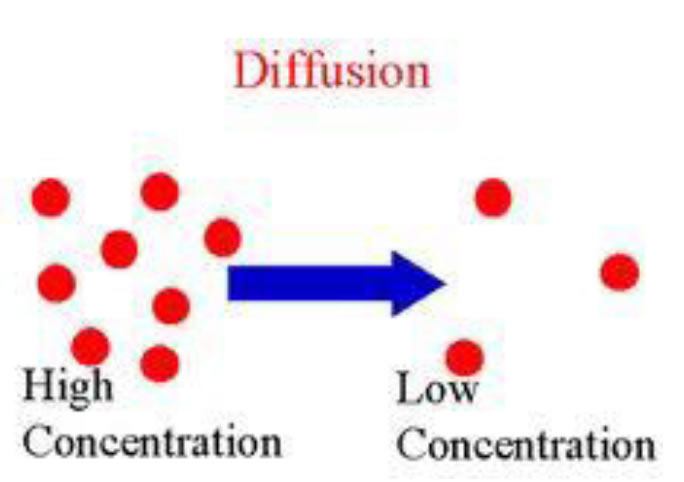
The movement of particles from an area of high to low concentration is known as--
Passive Transport
Active Transport
What is it called when large molecules move across the cell membrane from an area of high concentration to an area of low concentration through a protein channel?
Diffusion
Osmosis
Active Transport
Facilitated Diffusion
What is the name of the process in which small molecules move from an area of high concentration to an area of low concentration across the cell membrane
Diffusion
Osmosis
Active Transport
Facilitated Diffusion
When there is an equal number of molecules on the inside and outside of the cell, that is called-
difference
transportation
homeostasis
solution
The movement of molecules from low to high is known as
simple diffusion
facilitated diffusion
active transport
osmosis


Which describes a hypotonic environment?
Too much water in the cell will cause the cell to burst - the percentage of water is higher outside the cell than inside the cell
Too little water in the cell will cause the cell to shrink - the percentage of water is lower outside the cell than inside the cell
Concentrations of water are equal inside and outside the cell

Which describes a hypertonic environment?
Too much water in the cell will cause the cell to burst - the percentage of water is higher outside the cell than inside the cell
Too little water in the cell will cause the cell to shrink - the percentage of water is lower outside the cell than inside the cell
Concentrations of water are equal inside and outside the cell

Which describes an isotonic environment?
Too much water in the cell will cause the cell to burst - the percentage of water is higher outside the cell than inside the cell
Too little water in the cell will cause the cell to shrink - the percentage of water is lower outside the cell than inside the cell
Concentrations of water are equal inside and outside the cell

A process in which cells surround and engulf substances that are TOO BIG to enter the cell is known as...
Pinocytosis
Phagocytosis
Endocytosis
Receptor-mediated

When a cell forms a vesicle around unwanted particles and expels it OUT of the cell.
Pinocytosis
Endocytosis
Receptor-mediated
Exocytosis

The process on the right is:
Right: meiosis
Right: cloning
Right: meiosis
Right: mitosis


ATG TGA CAG
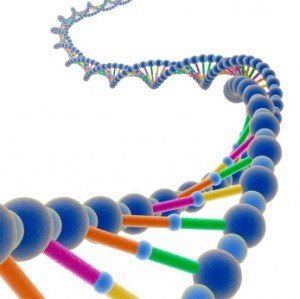

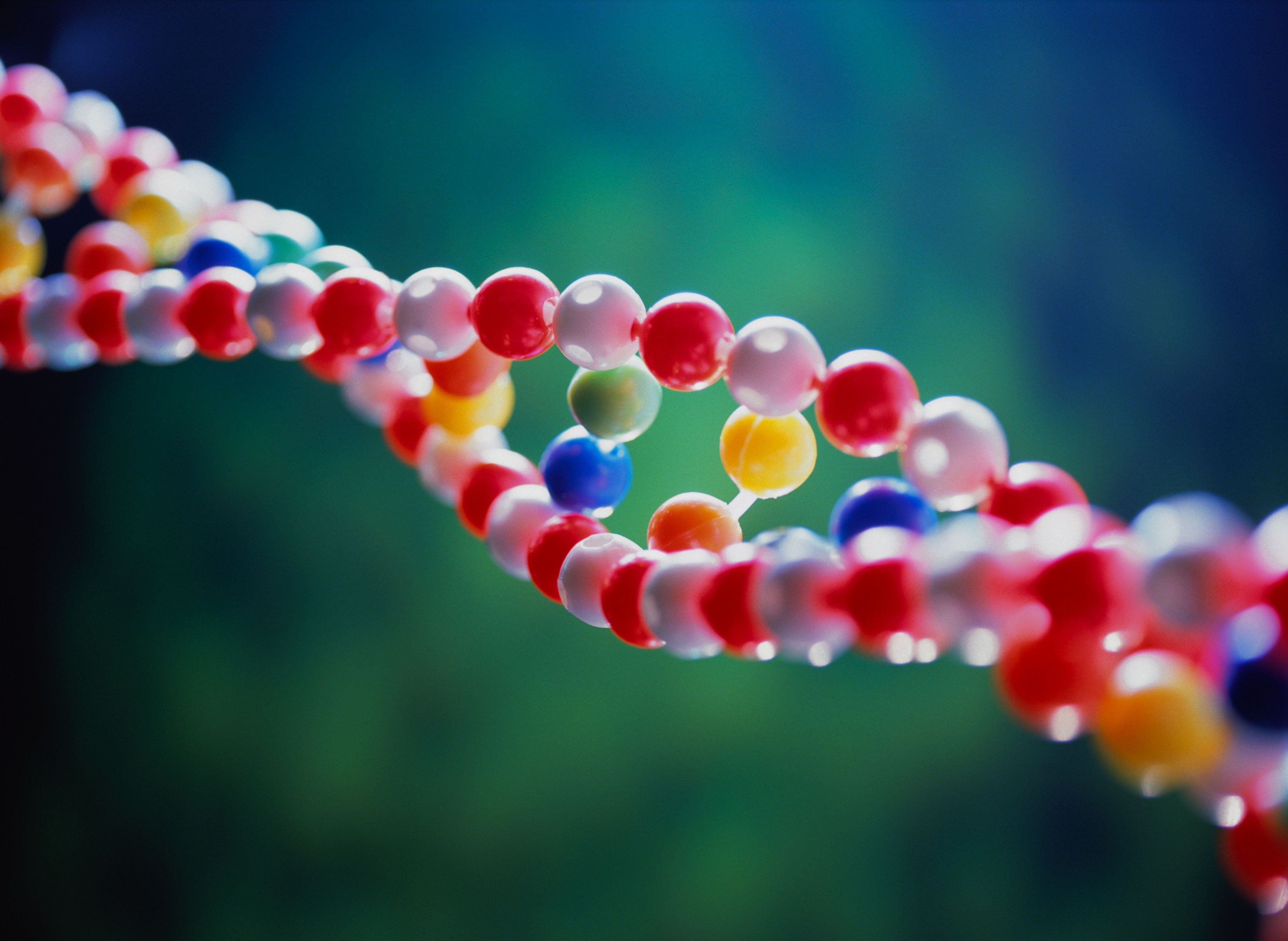


Where does TRANSCRIPTION occur?
Nucleus
Ribosome
Cytoplasm
Mitochondria
How many codons equals 1 amino acid?
1
2
3
4
How many nucleotides equal 1 amino acid?
1
2
3
4

Foods synthesized in the process of Photosynthesis by plants is stored as
Starch
Protein
Vitamins
Fats
Where in a plant cell does photosynthesis take place
Palisade cells
Chlorophyll
Chloroplasts
Vacuole
What is the purpose of photosynthesis?
To release energy
To create glucose
To grow
To get oxygen for respiration
What are the products of photosynthesis?
Oxygen and Energy
Carbon Dioxide and Glucose
Glucose and Oxygen
Oxygen and Water

Identify what is shown in the picture
chlorophyll
stomata
carbon dioxide
veins

The Calvin Cycle occurs in the
Thylakoid
Grana
Inner membrane of chloroplast
Stroma

Choose the statement that best describes light reaction.
It converts CO2 to sugar molecule
It converts light energy to chemical energy of ATP and NADPH
It takes place in the stroma
Which of the following is not needed to start the light reaction
H2O
ADP + P
CO2
Under anaerobic conditions yeast release
oxygen
carbon monoxide
lactic acid
ethyl alcohol
The term aerobic means
wine-making
with carbon dioxide
without carbon dioxide
with oxygen
without oxygen
which of the following is the result of glycolysis?
reduction of FAD to FADH2
production of carbon dioxide
conversion of glucose to 2 three carbon compounds
conversion of NADH to NAD+
The end products of the KREBS cycle include all of the following except
carbon dioxide
pyruvic acid
ATP
NADH
Muscle soreness associated with strenuous exercise is at least partly due to
an excess of ATP that builds up during exercise
the presence of lactic acid from fermentation by muscle cells
the large amount of carbon dioxide that builds up in muscle
the accumulation of alcohol from anaerobic respiration
Which organism go through cellular respiration?
animals
plants
both animals and plants
none
Cellular Respiration occurs in what cell organelle?
chloroplast
cytoplasm
mitochondria
animal

