
Font size
 Worksheets
Body Systems and Homeostasis
Total questions: 74
Worksheet time: 55mins
What carries food from the pharynx to the stomach?
larynx
trachea
esophagus
bronchioles
What type of digestion takes place in the stomach?
mechanical
chemical
both mechanical and chemical
Where does the process of digestion begin?
mouth
esophagus
stomach
small intestine
Where does the absorption of nutrients from food take place?
stomach
liver
small intestine
large intestine
What part of the digestive system mechanically and chemically breaks down food?
mouth
stomach
both the mouth and stomach
What chemically breaks down food into smaller molecules?
teeth
muscles of the stomach
enzymes
Proteins are broken down into _______.
Fatty acids
Glycerol
Glucose
Amino acids
Large carbohydrates, like glycogen, are chemically digested into smaller _____ molecules.
proteins
amino acids
glucose
enzymes

The main function of the stomach is to:
Store food
Produce hydrochloric acid
Begin protein digestion
All the above
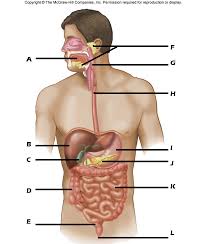
Which digestive organ is represented by the letter B?
Pancreas
Liver
Mouth
Small intestine


Arteries
carry oxygenated blood to the heart
carry oxygenated blood away from the heart
carry deoxygenated blood to the heart
carry deoxygenated blood away from the heart
Veins
carry deoxygenated blood to the heart
carry deoxygenated blood away from the heart
carry oxygenated blood to the heart
carry oxygenated blood away from the heart
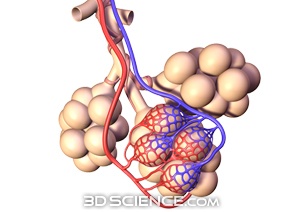
When you breathe, your lungs take in ___ gas and remove ___ gas.
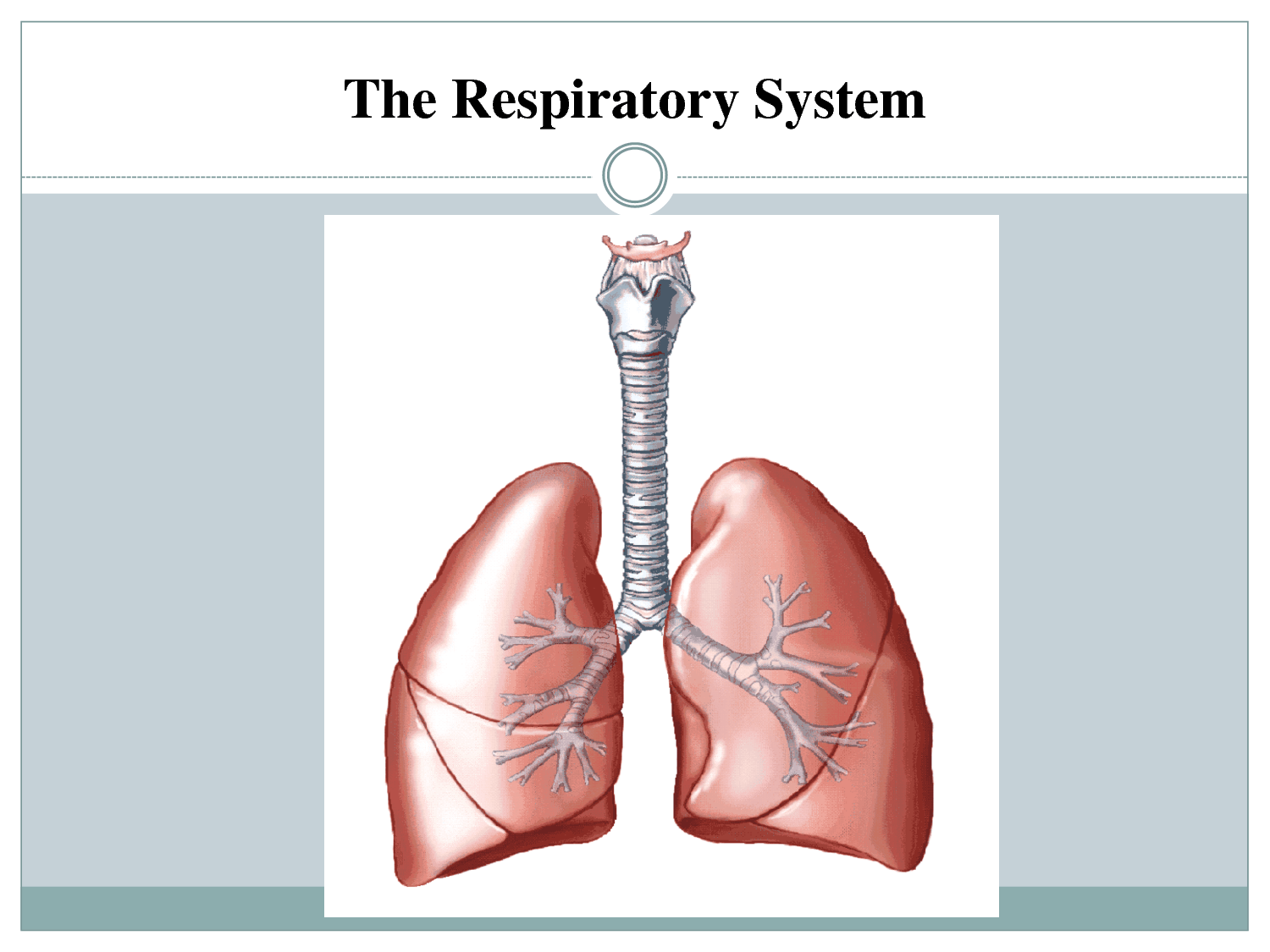
The drawing in of breath; inhalation.
Inspiration
Expiration
Breathing out; exhalation of breath.
Inspiration
Expiration
The only externally visible part of the respiratory system
Eyes
Nose
Pharynx
Larynx

Which of the following happens when you exhale?
chest cavity expands
your lumgs become smaller
your chest cavity becomes smaller
your lungs take in and give off oxygen
The main ORGAN responsible for breathing is:
the Brain
the Lungs
the Liver
the Kidneys

What role do the lungs have in the excretory system?
Removing carbon dioxide
Removing oxygen
Gas exchange
Bringing in oxygen
Which of the following substances is NOT excreted by the excretory system?
water
oxygen
carbon dioxide
salts

The job of your kidneys is to...
Create feces
Take carbon dioxide out of your blood
Put oxygen into your blood
Clean blood, sending waste to bladder
The main function of the bladder is _____.
protection
storage
circulation
filter
Controls long term changes such as growth
limbic system
endocrine system
nervous system
temporal lobe
What is the function of the endocrine system?
to filter and eliminate the waste from the blood
to secrete hormones into the bloodstream to regulate body activities
to provide structure and support for the body
to defend the body against pathogens
When you eat a burger , your body produces insulin to control blood sugar . What type of feedback is that
Positive feedback
Negative Feedback
None
Both

Body's central command organ
Brain
Spinal Cord
Stomach
Heart

Allows your brain to communicate with the rest of your body
Heart
Brain
Blood Vessels
Spinal Cord
What are glands?
Organs that make and excrete waste
Organs that make and release secretions
Organs that make and release white blood cells
Organs that make and excrete carbon dioxide
Hormones travel through the blood and encounter many cells. How do they affect ONLY target cells?
Target cells have receptors that match up with the hormone
Target cells send out signals that attach to hormones and draw them to the cell
Target cells have cell membranes with a different composition
Magic!
In a _______________ loop, when a change in a variable is detected, the change is amplified.
negative feedback
regular
homeostasis
In a (a) loop, when a change in a variable is detected, the change is reversed.
If your blood glucose is too high and your body reverses it, this is ______.
positive feedback
negative feedback
neutral feedback
regular feedback
Contractions are an example of __________ because they are an increase in a variable.
negative feedback
positive feedback
life
no change
(a) is a state of internal balance in the body.

which organ will balance the glucose level in the blood by releasing hormones like insulin or glucagon?
Stomach
Small intensine
large intestine
Pancreas

Which hormone is released when blood sugar gets too high?
glucose
glucagon
glycogen
insulin
Which of the following correctly pairs the hormone and the response that it causes
Glucagon - makes body cells take in glucose
Insulin - makes body cells take in glucose
Pancreas - makes liver release stored glucagon
Liver - makes pancreas take in stored insulin

This graph shows an example of...
Blood sugar regulation
Homeostasis
Negative feedback
Positive feedback

According to this graph, what is the person doing during the event (blue region)
Eating
Exercising
Type 1 Diabetes
Type 2 Diaibetes
diabetes is a disease that affects your body's ability to produce or use ___.
energy
insulin
glucose
negative feedback

What is the function of insulin?
diagnose diabetes
turn glucose into energy
help glucose enter the cells of the body
Release glucose stored in the liver
Which of the following are in the correct order?
organ system, cell, organ, tissue, organism
cell, organ, tissue, organ system, organism
cell, tissue, organelle, organ system, organism
cell, tissue, organ, organ system, organism
Homeostasis mechanisms...
keep everything exactly the same.
usually operate by positive feedback systems.
act to keep the internal environmental conditions outside the normal range
is the ability to maintain a relatively stable internal environment
A noticeable change in an organism's environment.
control center
response
stimulus
set point

What is the stimulus in the model above?
body temperature
increase in body temperature
decrease in body temperature
blood vessels dilating
What is a response (not the result) in the model above?
body temperature increasing
sweat glands
thermoreceptors
sweating

Which factor denatures an enzyme?
An athlete swims a race and pushes to the finish line. What body system is helping her?
Respiratory system
Muscular System
Circulatory system
All of them

Which biological process is represented in the diagram below?
photosynthesis
respiration
digestion
replication

Substance X directly supplies energy for various life functions, as shown in the diagram below. Which substance is represented by X in the diagram?
ATP
DNA
starch
glucose
It may be harmful when people compete to see who can hold their breath the longest under water. Without oxygen, brain cells
cannot make enough ATP
have too few mitochondria
make too many enzymes
have too much water

What is the role of the immune system?
To pump blood throughout the body
To protect the body from disease-causing agents
To contain disease-causing organisms to a single area of the body
To give Mr. Elwonger something to test us over
What is the role of antibodies in the immune system?
To actively destroy pathogens
To mark pathogens that need to be destroyed by T-cells
To safeguard the body against being destroyed by its own immune system
To bind to B-cells, helping them in their support of T-cells
Vaccinations work by...
Strengthening the immune system by chemically changing B-cells
Tricking the body into thinking the needle is a pathogen
Injecting dead or weakened bacteria or viruses (or proteins from them) into the bloodstream to trigger the production of antibodies
Vaccines don't work and are just the government's way of injecting microchips into the population so they can keep track of us.

An immune response that occurs in the human body is shown above. This activity helps to do which of the following?
Produce antibiotics to control disease
Provide protection against a specific pathogen
Provide protection against all types of pathogens
Eliminate harmful gene alterations
What is the body's first line (non-specific) of defense against infection by foreign organisms?
antibodies
lymph nodes
white blood cells
the skin
Although vaccines cannot be used to treat a person who is sick, they can help to prevent infections. Vaccinations tell the body to create "memory cells", which will function later to create antibodies against certain pathogens. When a person is vaccinated, what are they injected with?
antibodies to a disease bacterium
live, inactive viruses
weakened viruses or antigens from the virus
blood from a person who has had the disease

