
 Worksheets
Cardiovascular System (Pt 1)
Total questions: 85
Worksheet time: 50mins
Which of the following is associated with oxygenated blood?
Aorta
Pulmonary Artery
Septum
Right Ventricle
Which of the following is a Blood vessel?
Ventricles
Heart
Arteries
Septum
What is the role of veins in the cardiovascular system?
Carry blood away from the heart
Carry blood back to the heart
Carry blood to the lungs
Allows the exchanges of gases, nutrients and wastes between blood and the tissues
What are the 3 main types of blood vessels?
Capillaries, veins, aortas
Capillaries, arteries, platelets
Capillaries, veins, platelets
Capillaries, veins, arteries
Blood consists mainly of:
Plasma
Platelets
White blood cells
Red blood cells
The chamber in the heart that receives oxygenated blood from the lungs.
Aorta
AV node
Inferior vena cava
Left atrium

Name the chamber of the heart
(top left in picture)
right atrium
right ventricle
left atrium
left ventricle
One of the body’s largest blood vessels that transports blood from the body region below the diaphragm to the heart.
Aorta
AV node
Inferior vena cava
Left atrium
What part of the heart divides the heart into two?
Biscuspid valve
Septum
Pulmonary artery
bicep
Which of the following is associated with deoxygenated blood?
Aorta
Left Ventricle
Tricuspid valve
Septum
When blood leaves this chamber of the heart, it heads out to the body.
Left ventricle
Pulmonary trunk
Pulmonary veins
Right atrium
This blood vessel splits in two and sends oxygen-poor blood to the lungs.
Left ventricle
Pulmonary trunk
Pulmonary veins
Right atrium
When this chamber contracts it pushes blood through the tricuspid valve.
Left ventricle
Pulmonary trunk
Pulmonary veins
Right atrium
When blood leaves this chamber of the heart, it heads to the lungs.
Right ventricle
SA node
Semilunar valves
Tricuspid and
bicuspid valves
Prevents blood from flowing back into the atria when the ventricles contract.
Right ventricle
SA node
Semilunar valves
Tricuspid and
bicuspid valves
_________ carry blood towards the heart and ____________ carry blood away from the heart.
arteries; veins
arteries; capillaries
veins; arteries
veins; capillaries
Blood traveling in the pulmonary circuit goes through the __________ side of the heart and out to the ___________.
left; lungs
right; lungs
left; body
right; body
Blood traveling in the systemic circuit goes through the ___________ side of the heart and out to the _____________.
left; lungs
right; lungs
left; body
right; body
Name the chamber of the heart
(top right in picture)
right atrium
right ventricle
left atrium
left ventricle
The exchange of oxygen and carbon dioxide takes place in these vessels.
arteries
veins
inferior vena cava
lung capillaries
Brings blood to the heart from the upper portion of the body.
pulmonary artery
superior vena cava
pulmonary vein
inferior vena cava
Valve between the left atrium and the left ventricle.
tricuspid valve
mitral valve
pulmonary valve
aortic valve
Valve between the left ventricle and the aorta.
aortic valve
pulmonary valve
tricuspid valve
mitral valve
These vessels carry blood to each lung from the right ventricle.
superior vena cava
pulmonary arteries
pulmonary veins
aorta
Valve between the right atrium and the right ventricle.
mitral valve
pulmonary valve
aortic valve
tricuspid valve
Name the chamber of the heart
(bottom right in picture)
right atrium
right ventricle
left atrium
left ventricle
Blood in the right atrium:
Oxygenated
Deoxygenated
Blood in the left ventricle:
Oxygenated
Deoxygenated
Blood in the pulmonary artery:
Oxygenated
Deoxygenated
Blood in the pulmonary veins:
Oxygenated
Deoxygenated

Blood in the aorta:
Oxygenated
Deoxygenated
Blood in the left atrium:
Oxygenated
Deoxygenated
Blood in the Inferior Vena Cava:
Oxygenated
Deoxygenated
Name the chamber of the heart
(bottom left in picture)
right atrium
right ventricle
left atrium
left ventricle
What Is The Function Of The Cardiovascular System?
Makes blood
Cleans blood
None of these
It Supplies Oxygen And Nutrients To Cells And Removes Waste

Identify:
Vena Cava
Aorta
Pulmonary veins
Pulmonary artery
The _________________ carry blood and oxygen to all parts of the heart.
pulmonary arteries
coronary arteries
pulmonary veins

a double sac of serous membrane which encloses the heart
pericardium
epicardium
myocardium
endocardium
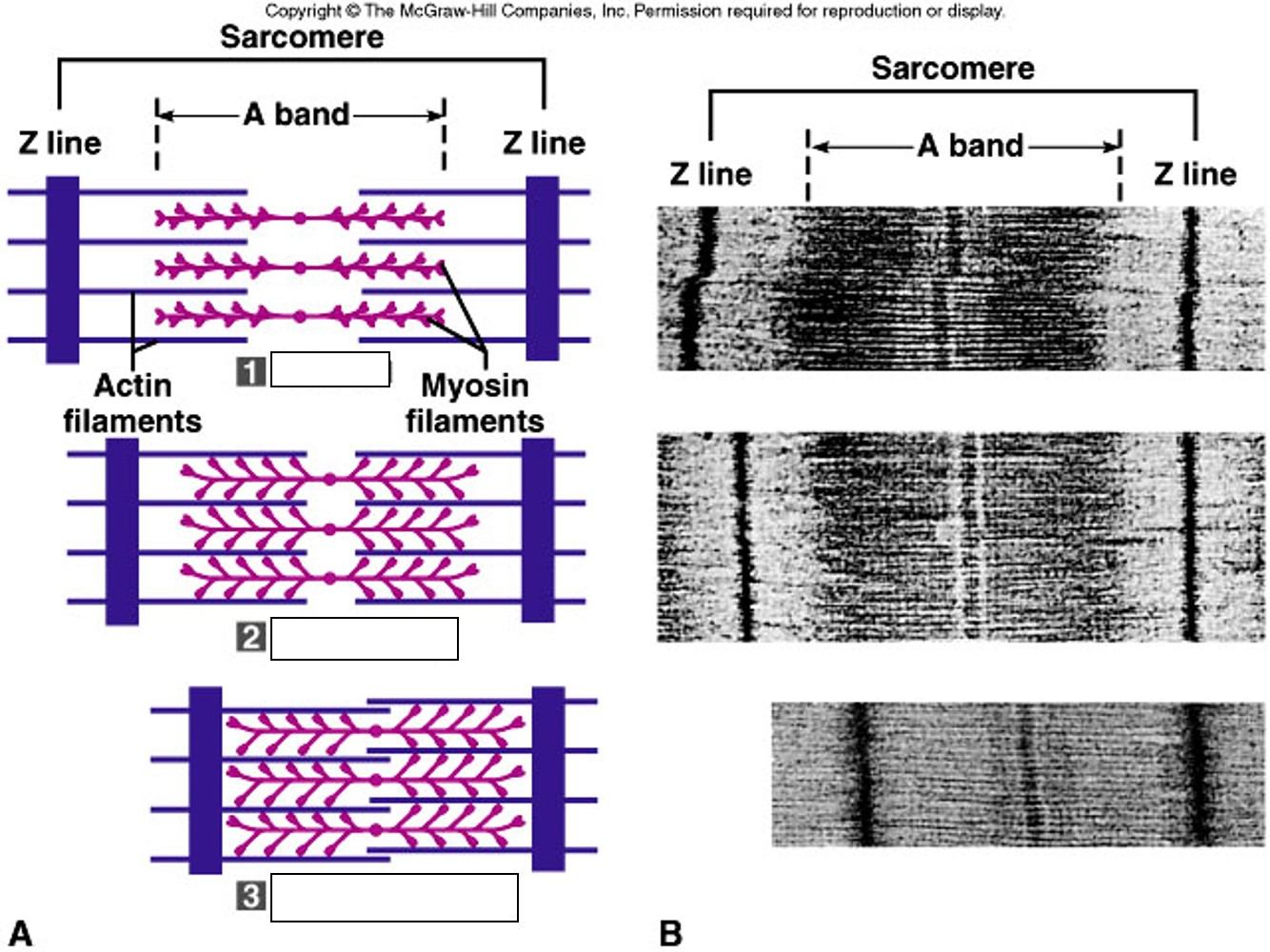
What is the thin filament anchored to?
M line
Myosin
Z line
Actin
Select the type(s) of muscle(s) that are striated.
Cardiac muscle
Smooth muscle
Visceral muscle
Skeletal muscle
Select the type(s) of muscle(s) that are involuntary.
Cardiac muscle
Smooth muscle
Skeletal muscle
Visceral muscle
Which is the correct flow of blood?
R. atrium --> R. Ventricle --> pulmonary artery
R. atrium --> L. atrium --> aorta
L. ventricle --> pulmonary artery --> aorta
L. ventricle --> L. atrium --> aorta
In the walls of the heart, there are two thin layers around a thick layer of muscle called the
epithelial tissue.
pericardium.
connective tissue.
myocardium.
................................... of the heart has the thick muscular wall because it pumps the blood to the systemic circuit
left ventricle
Right ventricle
right atrium
left atrium
The heart layer that keeps blood from sticking to the inside of the heart made up of squamous epithelial cells
endocardium
pericardium
myocardium
epicardium
What is the myosin anchored to?
M-line
Z-line
Actin
Thin filament


node at the junction of the atria and ventricles
sinoatrial (SA) node
atrioventricular (AV) node
purkinje fibers
pericarditis
The molecule responsible for carrying oxygen is _____.
red blood cells
hemoglobin
iron
carbon dioxide
The pacemaker of the heart.
AV Node
SA Node
cardiac center
pericardial center
Cardiac muscle fibers are connected by what?
Muscle Strands
Intercalated discs
Intertwined strands
Blood vessels

When blood leaves this chamber of the heart, it heads out to the body.
Left ventricle
Pulmonary trunk
Pulmonary veins
Right atrium
When blood leaves this chamber of the heart, it heads to the lungs.
Right ventricle
SA node
Semilunar valves
Tricuspid and
bicuspid valves
Which of these are involved in the early stages of blood clotting?
Erythrocytes
Myocytes
Leukocytes
Platelets
Which of the following statements is false?
Plasma is a yellowy liquid containing water
Deoxygenated blood returns to the lungs via the pulmonary artery
55% of the blood volume is made up of blood cells
White blood cells are generally bigger than red blood cells
Blood flows in the following sequence in the heart: Superior vena cava/Inferior vena cava, right atrium, tricuspid valve, right ventricle, pulmonary valve, pulmonary artery, lungs, pulmonary vein, left atrium, bicuspid valve, left ventricle, aortic valve, aorta
True
False
The atriums are located below the ventricles.
True
False
Pulmonary veins take deoxygenated blood away from the heart
True
False
The bicuspid valve is located on the left side of the heart.
True
False

