
 Worksheets
Plant Review Q3
Total questions: 90
Worksheet time: 55mins
Seeds can move from one place to another by
wind
water
animals
wind, water, and animals
What is it called when seeds move from one place to another?
germination
seed dispersal
life cycle
seedling

What helps pollen move form one plant to another?
birds
bees
wind
all of the above

How are dandelion seeds dispersed?
by animals
by explosion or bursting
by wind
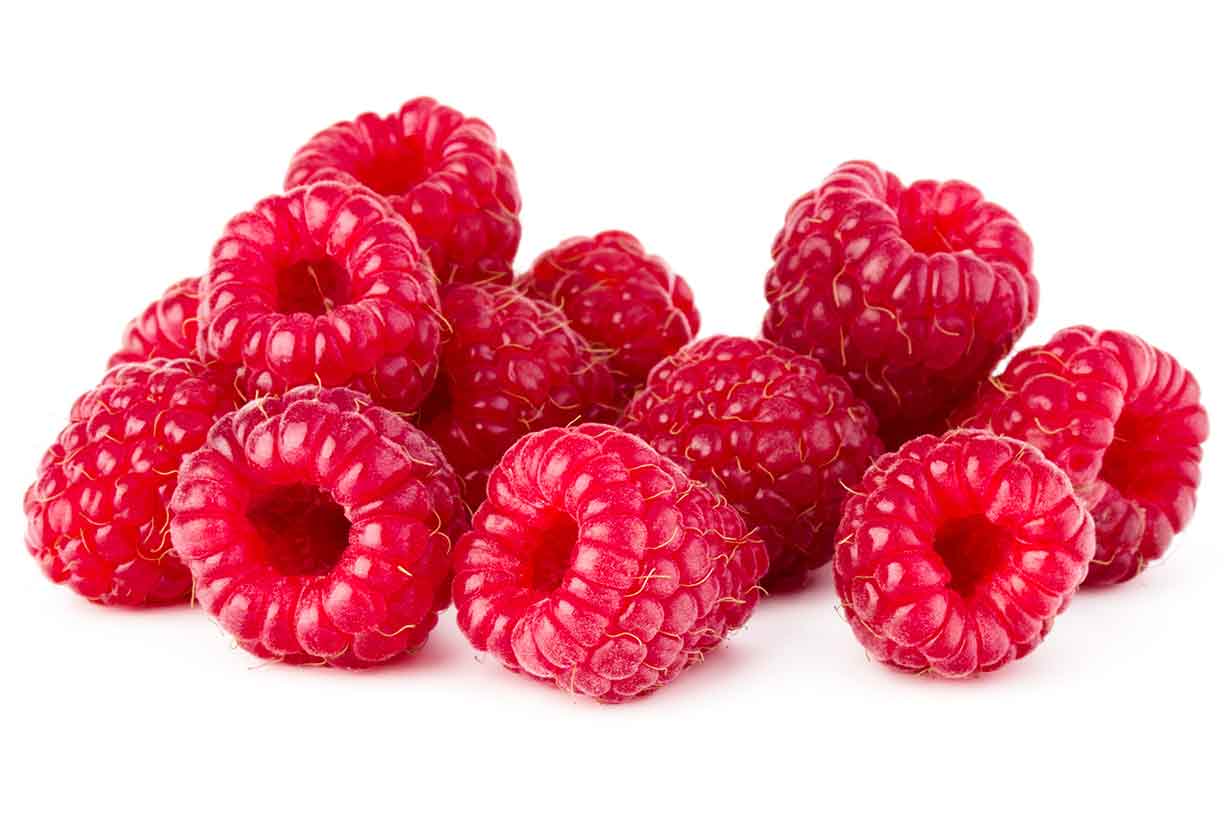
How are raspberries dispersed?
by animals
by explosion or bursting
by water


What is the female reproductive organ?
Pistil
Stamen
Pollen
Ovary

What is the male reproductive organ?
Carpel
Stamen
Pollen
Ovary

Parts of a flower - Identify A
Ovary
Ovule
Style
Pistil

Parts of a flower - Idently B
Stamen
Stigma
Style
Ovary

Parts of a Flower Identify C
Stamen
Stigma
Style
Ovary

Number 3 is...
Node
Internode
Petiole
Axillary Bud

Number 5 is...
Blade
Margin
Midrib
Serrate
Area on a stem that lies between two leaves or buds
lenticel
internode
bud scale
tuber
bud scale scar
-------------------- is when pollen is moved from plant to plant to produce more plants or fruits.
Germination
Pollination
Reproduction
Non of the above
------------------- is to start to grow.
Pollination
Reproduction
Seedling
Germination
A period with no growth is called
Dormancy
Embryo
Pollination
Fertilization
Completes lifecycle in one growing season
Annual
Bienniel
Perennial
None of the Above
Requires two growing seasons to produce seeds
Annual
Biennial
Perennial
None of the Above
What classification would a crop plant have if it has 1 cotyledon in it’s seed?
Monocot
Dicot
Monecious
Dioecious
What classification would a crop plant have if it as 2 cotyledons in each seed?
Monocot
Dicot
Monoecious
Dioecious
Because trees live many years, they are:
annuals
biennials
perennials
semiannuals
The terms annual, biennial, and perennial describe plant:
leaf loss
life cycle
production practices
leaf type
What is the hard outside of the seed called?
seed coat
embryo
food storage
seed jacket

Which part is labelled A?
Seed coat
Embryo
Cotyledon
Seedbryo
Which of these is a multiple fruit?
An apple
A raspberry
A pineapple
An orange
Simple fruits result from a
Single ovary
multiple ovaries
Which fruit is derived from a single flower with several to many pistils
Aggregate fruit
Multiple fruit
Single fruit
It protects the flower.
petal
filament
sepal
anther
It attracts pollinators.
pistil
sepal
stamen
petal
The female organ of the flower where the ovules are.
style
ovary
pistil
stamem
It holds up the anther.
filament
sepal
pistil
petal
It creates the pollen and sends it to the stigma.
pistil
sepal
filament
anther
It is the sticky part of the flower that collects pollen.
anther
petal
stigma
sepal
The female part of the flower.
pistil
sepal
petal
stamen
It is where pollen travels through pollen tubes to the ovary.
anther
stigma
style
filament
The name for the male part of the flower.
pistil
ovary
stamen
filament

The flower which contains only male parts is
Flower A
Flower B
Flower C

The part which holds the anther up
C
B
D
E
The part that becomes the seed
G
A
F
E
The part that becomes the fruit
G
C
B
F
The part that attracts pollinators
A
C
E
F
The part that produces pollen grains
D
B
E
G
The part that received the pollen grains
A
B
C
G
Circle the anther

Circle the stigma

Circle the petal

Name the parts of a flower.
What is number 1 called?
Stamen
Pistil
Petal
Sepal

Name the parts of a flower.
What is number 2 called?
Stamen
Pistil
Petal
Sepal

Name the parts of a flower.
What is number 3 called?
Pistil
Petal
Sepal
Stamen

Name the parts of a flower.
What is number 4 called?
Petal
Stamen
Sepal
Pistil

What part covers and protects the flower bud?
petal
sepal
stamen

What is the male part of the flower?
egg
pollen

What two things need to be put together to make a seed?
pollen and stamen
pollen and a bee
pollen and an egg cell

The process of getting the pollen to the egg cell is called...
pollination
pollen
stamenation

What is the name of part 7?
Pistil
Filament
Stamen
Anther

Which of the specialized structure allows the flower to capture pollen?
4
5
3
2
Which of the following is NOT one of the four main categories of flower parts?
Stem
Sepal
Petals
Pistils
All of the sepals together
petal
calyx
filament
style
sepal
Structure that holds up the anther
petal
calyx
filament
style
sepal
Structure that holds up the stigma
petal
calyx
filament
style
sepal
Green leaf-like structures that protect the flower bud
petal
calyx
filament
style
sepal
Flower that is missing sepals
incomplete flower
perfect flower
complete flower
imperfect flower
anther
Flower that has both stamens and pistils
incomplete flower
perfect flower
complete flower
imperfect flower
anther
Flower that has stamens, pistils, sepals, and petals
incomplete flower
perfect flower
complete flower
imperfect flower
anther
Structure that holds the pollen
incomplete flower
perfect flower
complete flower
imperfect flower
anther
Which type of flower contains both pistil and stamens?
Pistillate flower
Staminate flower
Imperfect flower
Perfect flower
The purpose of seed dispersal is for the seeds to __________.
germinate at the same time
move to the same place and grow
move further away from the parent plant
compete with one another for minerals in the soil
What are the characteristic of the seeds dispersed by man and animals?
A: Can float on water
B: Sweet and juicy
C: Have hooks or stiff hairs
D: Have wing-like structures and are light
A and B only
B and C only
C and D only
A, B and C only
What is a pollinator?
A type of plant that grows fruit
Anything that moves pollen from the male to the female part of the plant
A tool that farmers use to grow crops
The hair on bees' knees
Flower that have both male and female parts are called
pretty
heterozygous
imperfect
perfect

From which part of the plant did the bee get all this pollen?
stamen
stigma
filament
anther
All of these are examples of how Animals help plants move their seeds EXCEPT
Pooping them out after eating fruit
Carrying them on their fur or feathers
By water
Burying them in the ground

