
Font size
 Worksheets
Business Communications Final Exam Review
Total questions: 60
Worksheet time: 23mins

Which of the following situations is an example of responsibly taking on debt?
Get a credit card but don't use it to avoid more debt
Spend up to your credit limit each month
Become an authorized user on an adult's card
Make only the minimum payment each month

How can you build a positive credit history as a college student?
Get a credit card but don't use it to avoid more debt
Spend up to your credit limit each month
Become an authorized user on an adult's card
Make only the minimum payment each month

Your net worth...(hint: choose 2 correct answers)
is what you owe minus what you own
is your assets - your liabilities
is your liabilities - your assets
is what you own minus what you owe

T/F: A negative credit event (bankruptcy) can have a WORSE impact on a higher credit score.
True
False

Which of the following is TRUE about a credit report?
It is a complete history of one type of credit you have
Credit reports are maintained by the 5 main credit bureaus
You can get a copy of your credit report for free
You can get a credit report only when you're 21 years old

Which of the following does NOT contribute to your credit score?
Your payment history
Which banks issued your credit cards
Your debt-to-credit ratio
Length of credit history

All of the following are benefits of having a good credit score EXCEPT...(hint: choose 2 correct answers)
You can get a higher return on your Retirement fund
Higher interest rate on credit cards and loans
Easier approval for rental apartments and houses
Better car insurance rates Better car insurance rates

Which of the following is TRUE about finding errors on your credit report?
You may have to file a dispute with each credit bureau
You should wait until the end of the month before reporting
Finding errors is common & is not a big deal
Overlooked errors may result in you paying a fine

Aisha wants to improve her credit utilization rate. Which of the following can she do? (hint: choose 2 correct answers)
Make several payments in the month instead of a large one
Spread her spending among her 3 credit cards
Keep her credit utilization rate to 55%
Keep her spending all to 1 card; don't use the other 2

Why might someone have a thin file? (hint: choose 2 correct answers)
They've had multiple lines of credit open for 15 years
They only have 4 types of credit open
The credit bureaus mistakenly think you have passed away
You are relatively new to establishing credit

How are a credit score and credit report related?
A credit report is determined by the factors in your score
A credit score is determined by the factors in your report
Credit reports are less important than your credit score
They're not related at all

Where can you get a free copy of your credit report?
annualcreditreport.com
freecreditreport.com
getmycreditreport.com
creditreport.gov

Q13:Using the debt snowball method, you make...
minimum payments on all of your loans
one large payment on one loan
minimum payments on small loans; pay extra on large loans
minimum payments on large loans; pay extra on small loans

How can having a thin file impact you?
You are likely to get lower interest rates on your loans
You may be offered new lines of credit in the mail
Lenders may decline your application for a loan
Most landlords will approve you to rent an apartment or home

Using the High Rate Method, you...
pay off all your loans in the least amount of time
put extra money towards loans with the lowest interest rate
put extra money towards loans with the highest interest rate
make one large payment on the loan with the highest rate

Which types of debt usually CANNOT be erased or reduced?
Federal student loans
Credit card debt
Medical bills
None of these types of debt can be erased or reduced

What can debt collectors do if you don't make payments towards your loans?
Have you arrested if you owe money
They can try contacting you at work
Call you between 8am-9pm to talk to you about your loans
Reach out to your friends about the debt you owe

What information can you find on a credit report?
Your medical insurance information
Your parents' and siblings' contact information
Your education level
Inquiries you've made on new lines of credit

All of the following may access your credit report EXCEPT...
A landlord
A future employer
Colleges and universities
Insurance companies Insurance companies

Jim is 23 and has 1 credit card. What would be the best way to improve his credit score? (hint: choose 2 correct answers)
Get 4 more credit cards in the next 3 months
Diversify his credit - get an loan for the car he needs
Make sure he makes his payments in full & on time
Increase his credit utilization rate

What is a benefit of going to college and having a college degree?
Lower lifetime earnings
Lower interest rates on future loans
Expanded professional and social netowrk
Guaranteed starting salary of $50,000 after graduation

All of the following are costs of going to college EXCEPT...
Tuition and fees
Room and board
Textbooks and school supplies
Scholarships and grants

Which is TRUE about sticker price and net price? (hint: choose 2 correct answers)
Net price is the published cost of going to a school
Sticker Price is the published cost of going to a school
Net price is the sticker price minus scholarships & grants
Sticker price is the net price minus scholarships & grants

When does the FAFSA filing period open every year?
January 1st
June 1st
October 1st
December 1st

Why should you file the FAFSA as early as possible?
It can help your chances of being accepted into schools
Aid is given out on a first-come, first-serve basis
You're guaranteed to get more merit-based scholarships
You'll get a lower interest rate on federal student loans

What kinds of aid are you eligible for by filing the FAFSA? (hint: choose 3 correct answers)
Grants and Scholarships
Private Student Loans
Work-Study
Federal Student Loans

How do scholarships and grants differ?
Scholarships are need-based; grants are merit-based
Grants are private forms of aid; scholarships are federal
Grants are need-based; scholarships are merit-based
They're not different; they are one and the same

What do you need to file your FAFSA if you're a dependent?
Just your tax forms
Your high school student ID number
Your and your parents' tax forms from 2 years priors
A pay stub if you had a job in the past year

Which is TRUE about the FAFSA?
You only need to file the FAFSA 1x in your college career
Your parents must earn below a set amount for you to apply
You need to file it at the start of every quarter/semester
There is no cost to file the FAFSA

Which is TRUE about the EFC?
It's the cost of filing the FAFSA
It's how much you & your family are expected to pay for college
It's another term for "net price"
It's how much your parents must contribute towards college

Which of the following is the correct flow of submitting/receiving these documents?
SAR > FAFSA > Financial Aid Package
Financial Aid Package > SAR > FAFSA
FAFSA > Financial Aid Package > SAR
FAFSA > SAR > Financial Aid Package

What are two things you will need to do if you accept a Federal student loan?
Agree to an official credit check by the government
Complete entrance counseling
Pay a refundable deposit to secure your loan
Sign a Master Promissory Note

Which of the following is TRUE about how you get your financial aid?
All financial aid is paid directly to you in one payment
All financial aid is paid to you in installments
Aid is 1st applied to your account; you get the rest
The school receives all of your financial aid

Which of the following is TRUE about federal and private student loans?
Private loans may be subsidized; federal ones are not
Both types offer the same repayment plans
Private loans always offer fixed interest rates
Fed. loans don't have prepayment penalties; private ones may

How can you lower the total amount you in pay in student loans?
Choose a repayment plan with a longer term
Accept private loans first, then federal ones
Make interest payments during your grace period
Accept loans with variable interest rates, not fixed ones

If you select a repayment plan with a longer term for your loans...
You will have a larger monthly pyament
You will have a smaller monthly payment
You will pay less in interest
You will pay the same amount in interest

Which is TRUE about loan payments?
$ goes 1st towards the principal, then the accrued interest
Interest rate has little impact on total cost of the loan
Payments are not split between interest and principal
Interest can be added to the principal if it goes unpaid

What can happen if you don't make payments towards your student loans? (hint: choose 2 correct answers)
You will owe all interst in full after 270 days
Your loan balance may become due in full, but no interest
Your loan servicer will contact you via phone, email, etc.
Your credit score may suffer

When looking at a financial aid award letter, which type(s) of aid would you have to pay BACK?
Federal Pell Grant
Direct Subsidized Loan
Merit Scholarship
Federal Work-Study

In what order should you accept different types of financial aid?
Work-study, scholarships, federal loans, private loans
Private loans, scholarships, work-study, federal loans
Scholarships, work-study, federal loans, private loans
Scholarships, work-study, private loans, federal loans

How do wages and salary differ?
Wages describe what you earn on an annual basis
Salary describes what you earn on an annual basis
Wages mean you have a standard amount in each paycheck
Salaried employees are likely to be paid for overtime

Which of the following are TRUE about gross income and net income? (hint: choose 2 correct answers)
Gross income and net income are the same
Net income is sometimes called "take home pay"
Gross income is the total amount earned before deductions
Net income is the total amount earned before deductions
Which of the following may NOT always appear on your paycheck stub?
Gross Pay
Net Pay
Your Role/Title
Local Tax

It's common to have all of the following expenses BEFORE signing a lease EXCEPT...
Renter's Insurance
Application fee
Application deposit
Apartment hunting expenses

Which of the following might you pay WHEN you sign your lease?
Finder's fee
Application fee
Security deposit
Renter's insurance
According to a rule of thumb, rent shouldn't take up more than ___ % of your take-home pay.
7-12%
10-15%
15-20%
25-30%

Which of the following would typically NOT be covered under renter's insurance?
A friend slips and twists his ankle in your living room
Your apartment is broken into and your laptop is stolen
A fire destroys 80% of your belongings
Your apartment is flooded, destroying your furniture
Which of the following is a step you can take to mitigate the risk of buying a used car? (hint: choose 2 correct answers)
Get a vehicle history report
Have a mechanic inspect the car after you buy it
Skip the test drive; you have time after you buy it to drive
But a certified, pre-owned car from the dealer

Which of the following is NOT a cost of owning a car?
License and Registration fees
Gasoline
Utilities
Insurance
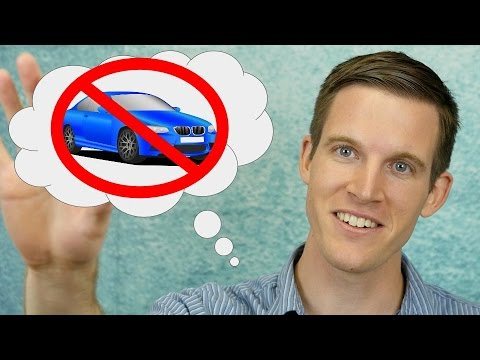
Which of the following reasons would explain why Justin has decided to forgo owning a car? (hint: choose 2 correct answers)
Public transportation infrastructure does not exist
The walking score in his city is high
He only has his driver's permit
There are numerous car dealerships in his area
About how much of your income should go towards transportation?
5-10%
15-20%
25-30%
35-40%

Jenna wants to decrease the amount of $ she spends on food. Which of the following would help? (hint: choose 2 correct answers)
Decide what she will make for dinner that same day
Go to the grocery store with a list
Go to the store whenever she needs 1-2 items
Keep staple foods (e.g. beans, rice) readily stocked
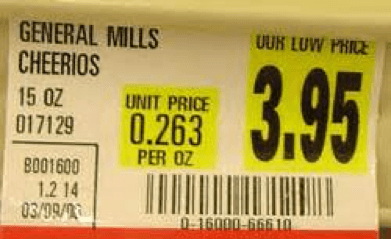
Which of the following is TRUE about unit pricing?
Unit prices can help you compare the prices of similar items
Unit price labels are universal throughout the country
It's easy to compare quantities on a unit price label
All states require unit price labels

A 18oz box of cereal costs $4.99. How would you calculate the unit price?
18oz / $4.99
9 oz / $2.50
$4.99 / 18oz
(18oz) x ($4.99)

6 cans of tomato soup cost $14.99. What is the unit price?
About $1.50
About $2.50
About $3
About $3.50
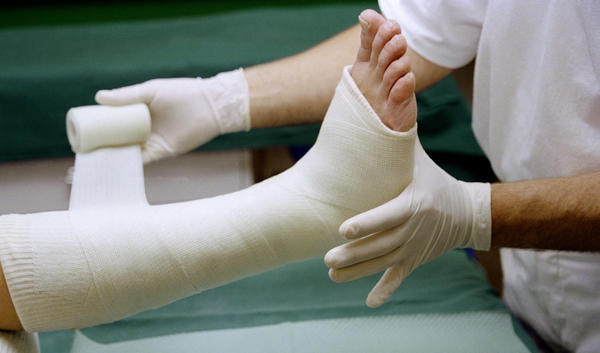
Jabar broke his leg while riding his bike. How does having health insurance help him?
Jabar will likely have to pay $0 towards his medical costs
Jabar will likely have to cover 100% of his medical costs
Jabar will likely owe a portion of his medical costs
Having health insurance makes no difference
What is a deductible?
The cost you and your insurance share
The amount your insurance pays before you pay
The discount you get on your health insurance every year
The amount you pay before your insurance begins to pay
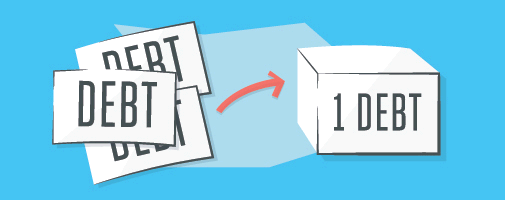
How can consolidating your student loans help your budget? (hint: choose 2 correct answers)
You'll pay more in interest over time
You can manage your money more easily since you're making just one payment
Your monthly payment may decrease
Your interest rate is guaranteed to decrease

How does the 50/30/20 rule of thumb for budgeting allocate your income?
50% Needs, 30% Wants, 20% Savings & Debt Repayment
50% Wants, 30% Needs, 20% Savings & Debt Repayment
50% Savings & Debt Repayment, 30% Wants, 20% Needs
50% Needs, 30% Savings & Debt Repayment, 20% Wants

Which of the following is an example of buying something you NEED?
"I want to replace something that is no longer working."
"I want to impress someone/ change how they feel about me."
"I'm feeling down, and I need to boost my spirits."
"I don't want to miss out on these deals during the sale!"

