wayground logo

Free Printable Worksheets

Font size

S
M
L
XL
Worksheets

Chemistry Final Exam

Total questions: 66

Worksheet time: 39mins

Name
Class
Date
1.

Which region represents a solid?

a)

A

b)

B

c)

C

2.

At what temperature is the triple point?

a)

0 degrees

b)

0.01 degrees

c)

100 degrees

d)

374 degrees

3.

Which region represents a gas?

a)

A

b)

B

c)

C

4.

Which region represents a liquid?

a)

A

b)

B

c)

C

5.

What temperature is the boiling point?

a)

0 degrees C

b)

0.01 degrees C

c)

100 degrees C

d)

374 degrees C

6.

What temperature is the melting point?

a)

0 degrees C

b)

0.01 degrees C

c)

100 degrees C

d)

374 degrees C

7.

At what temperature do all three phases coexist?

a)

0 degrees C

b)

0.01 degrees C

c)

100 degrees C

d)

374 degrees C

8.
What is the transfer of heat by movement of liquids or gases?
a)
conduction
b)
convection
c)
radiation
9.
What is the transfer of heat by direct contact?
a)
conduction
b)
convection
c)
radiation
10.

What is a transfer of heat energy by electromagnetic waves through space?

a)

conduction

b)

convection

c)

radiation

11.
You are stirring a bowl of hot soup with a metal spoon. The spoon starts to feel warmer because of _?_.
a)
conduction
b)
convection
c)
radiation
12.
You buy a lava lamp from the store. As the lamp heats up, blobs of liquid rise to the top then sink back down to the bottom. This process continues because of _?_.
a)
conduction
b)
convection
c)
radiation
13.
You are doing your homework at a desk that is underneath a lamp. You start to feel hotter because of _?_ from the lamp.
a)
conduction
b)
convection
c)
radiation
14.
Your best friend has a bunk bed. You move from the bottom bunk to the top bunk and notice that the air is warmer. The warm air rises because of _?_.
a)
conduction
b)
convection
c)
radiation
15.

You are in science class and want to see if the hot plates were used recently. You place your hand near the side of the hot plate. Without touching the hot plate, your hand feels warmer. Heat is transferred to your hand by _?_.

a)

conduction

b)

convection

c)

radiation

16.
You are roasting marshmallows at a campfire. The metal skewer (stick) that you’re cooking your marshmallow on burns your hand because of _?_.
a)
conduction
b)
convection
c)
radiation
17.
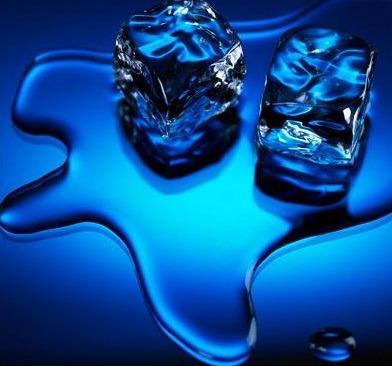
What happens when ice cubes melt in a glass?
a)
Heat travels from the ice to the warmer water.
b)
No energy is transferred.
c)
Heat is transferred from the warmer water to the ice cubes.
18.

In heat transfer, heat always flows from the _?_ substance to the _?_ substance.

a)

hotter to colder

b)

colder to hotter

c)

hotter to hotter

d)

colder to colder

19.
Which of the following is the best example of conduction?
a)
A light bulb warming a lampshade
b)
An egg cooking in a frying pan
c)
Water boiling in a pot
d)
Gases circulating in the atmosphere
20.

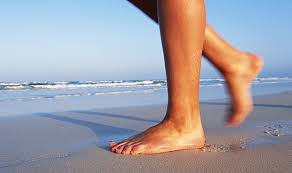
Walking on the warm sand sand with your bare feet demonstrates this type of heat transfer. This is an example of _?_.

a)

conduction

b)

convection

c)

radiation

21.

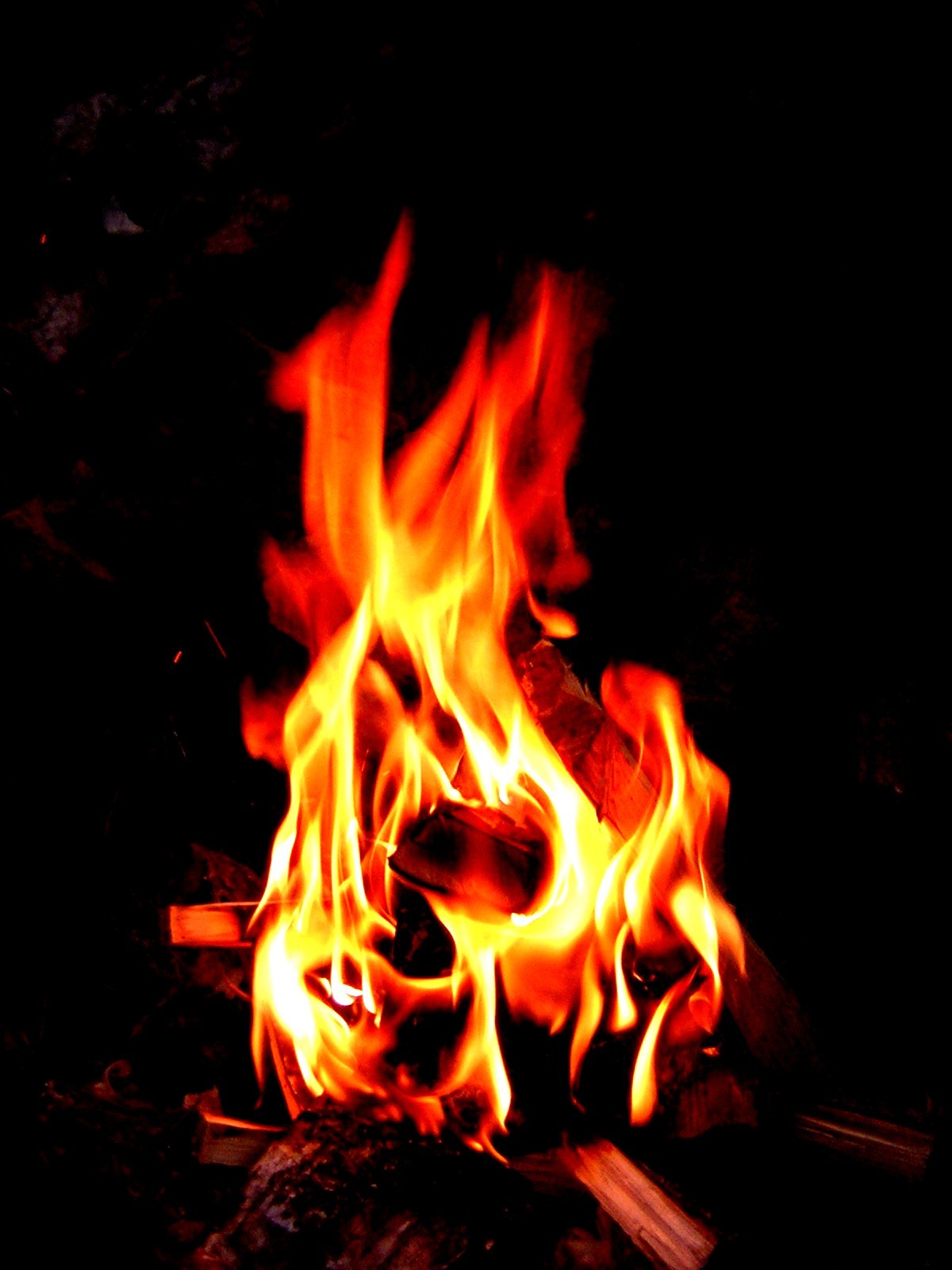
A group of friends gather around a fire to stay warm. This is an example of _?_.

a)

conduction

b)

convection

c)

radiation

22.

The candle will slowly heat the metal and transfer the heat directly to the mans hand. This is an example of _?_.

a)

conduction

b)

convection

c)

radiation

23.
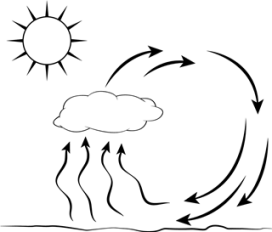
What causes the circulation of air in the atmosphere?
a)
Air in the atmosphere is heated by the sun and sinks to the ground.
b)
The ground is heated by the sun and then heats the air, causing the air to rise.
c)
Air loses heat to the ground and then rises upward to obtain more energy.
d)
The sun heats the clouds which forces the cooler air to move away and sink.
24.

The moving of air in the image is an example of _?_.

a)

radiation

b)

convection

c)

conduction

25.

The pressure is increased on a sample of water at 0 °C from 4.58 mmHg to 800 mmHg. What change occur?

a)

melting

b)

sublimation

c)

condensation

d)

freezing

26.

At 1 atm, substance is heated from -100 °C to 30 °C. What changes occur?

a)

freezing, then condensation

b)

melting only

c)

sublimation only

d)

melting, then boiling

27.

What state of matter is X?

a)

solid

b)

liquid

c)

gas

d)

supercritical fluid

28.
What state of matter is Y?
a)
solid 
b)
liquid
c)
gas
d)
supercritical fluid
29.
What state of matter is Z?
a)
solid 
b)
liquid
c)
gas
d)
supercritical fluid
30.

What change occurs from D to C?

a)

sublimation

b)

deposition

c)

melting

d)

condensation

31.

What is the normal boiling point of this substance?

a)

150 °C

b)

100 °C

c)

-50 °C

d)

0 °C

32.
Water exists as a _____________ at 3 mmHg and 50 °C.
a)
solid
b)
liquid
c)
gas
d)
supercritical fluid
33.

A sample of this substance at 0.75 atm and 30o C is heated to 60o C at constant pressure, what phase transition occurs?

a)

freezing

b)

melting

c)

evaporation

d)

condensation

34.

Which state is the substance in when the temperature is 80o C and the pressure is 1 atm?

a)

solid

b)

liquid

c)

gas

d)

plasma

35.

Match the following

a)
1.

particles of a solid

b)
2.

particles of a liquid

c)
3.

particles of a gas

36.

Match the following:

a)

solid to a liquid

1.

melting

b)

liquid to a gas

2.

evaporation (vaporization)

c)

liquid to a solid

3.

freezing

d)

gas to a liquid

4.

condensation

e)

solid to a gas

5.

sublimation

37.

Liquids are ​ (a)   , gases are ​ (b)   , and solids are ​ (c)   .

Choose from the below words
slightly compressible
very compressible
not compressible
38.

Select all of these that keep their own volume:

a)

solid

b)

liquid

c)

gas

39.

Select all of these that take the shape of their container:

a)

solid

b)

liquid

c)

gas

40.

Select all of these that take the volume of their container:

a)

solid

b)

liquid

c)

gas

41.

What property of gases allows them to have such rapid movement?

a)

it has high kinetic energy

b)

it has low kinetic energy

c)

the particles have a high attraction for each other

d)

the particles have a low attraction for each other

42.

What property of solids allows them to hold their shape?

a)

it has high kinetic energy

b)

it has low kinetic energy

c)

the particles have a high attraction for each other

d)

the particles have a low attraction for each other

43.

Why are gases so compressible?

a)

there is a lot of space between the particles

b)

the particles are very close together

c)

the particles are moving fast

d)

the particles are not attracted to each other

44.

A ___________ substance has a definite volume but not a definite shape.

a)

gas

b)

liquid

c)

solid

45.

The particles in a _____________ vibrate, are close together, and do not move freely.

a)

liquid

b)

gas

c)

solid

46.
This state of matter takes both the shape and volume of it container.
a)
gas
b)
solid
c)
liquid
47.
The phase change from water vapor to liquid water is known as...
a)
evaporation
b)
precipitation
c)
condensation
d)
sublimation
48.
Change from gas to liquid...
a)
condensation
b)
evaporation
c)
expansion
d)
movement
49.
Change from Liquid to Solid is call......
a)
fusion
b)
Freezing
c)
sublimation
d)
evaporation
50.
change from liquid to gas is called....
a)
expansion
b)
evaporation
c)
condensation
d)
sublimation
51.
All changes in the state of matter of a substance requires
a)
vibration
b)
water
c)
permission
d)
energy
52.
What happens to particles when they are heated?
a)
They speed up and spread out
b)
They slow down and compress
c)
They stop moving
d)
They move closer together and speed up
53.
Melting is ...
a)
liquid to solid
b)
solid to liquid
c)
solid to gas
d)
gas to liquid
54.
Freezing is...
a)
Solid to gas
b)
Liquid to solid
c)
Gas to solid
d)
Liquid to gas
55.
Boiling is ...
a)
liquid to gas
b)
gas to solid
c)
gas to liquid
d)
solid to liquid
56.
2. A change of state from a liquid to a solid is called....
a)
Melting
b)
Freezing
c)
Evaporation
57.
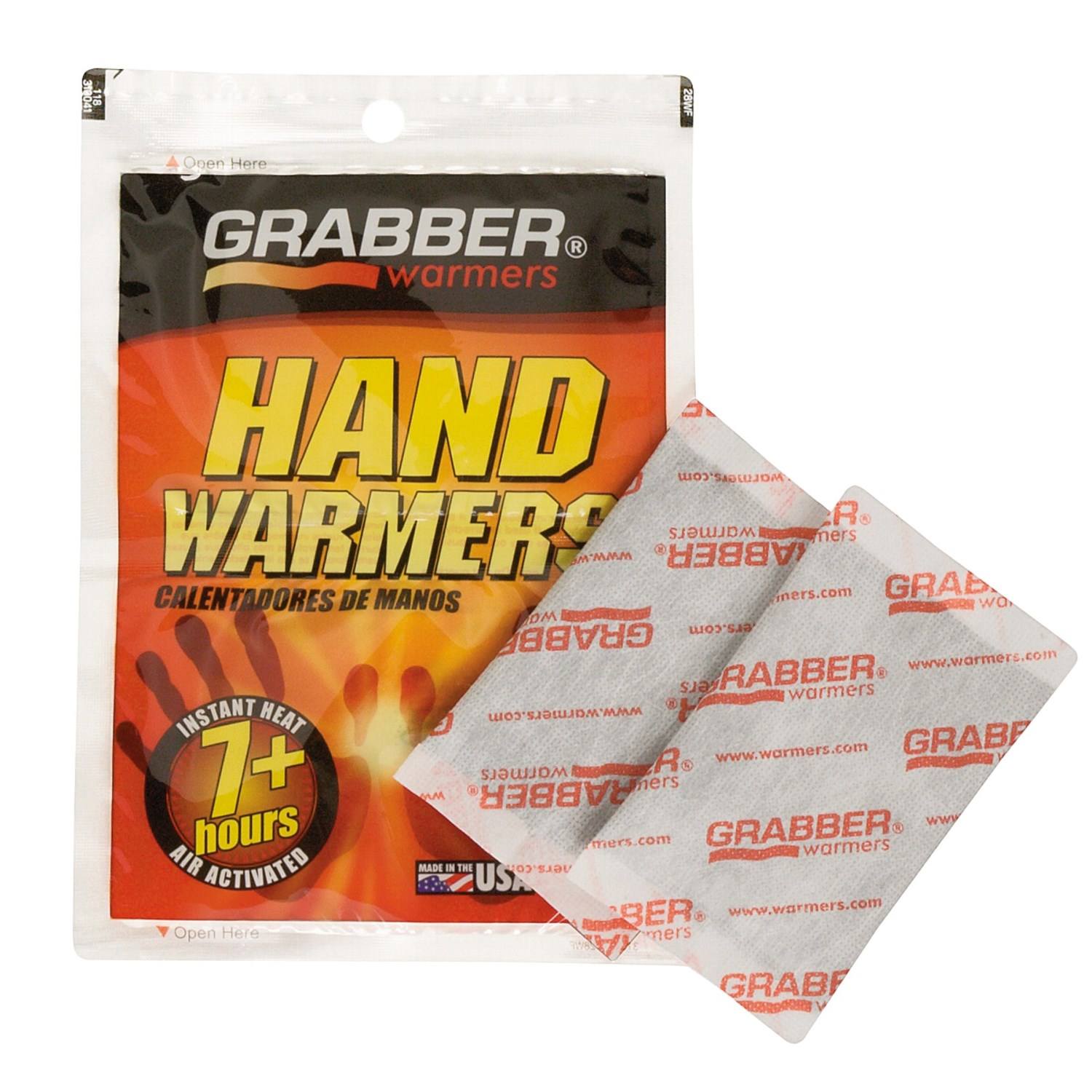
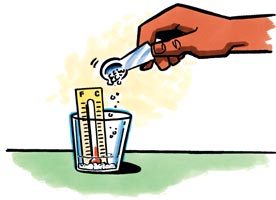
What type of reaction occurs in a hand warmer
a)
exothermic
b)
endothermic
58.
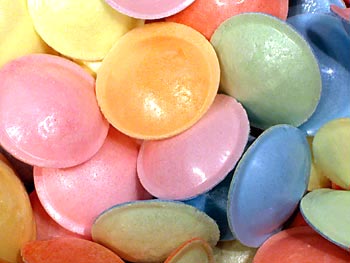
Have you ever eaten sherbet sweets candy? They fizz in your mouth and your tongue feels cold. Why do you think that is?
a)
It is an exothermic reaction
b)
It is an endothermic reaction
c)
It is made of ice
d)
It is dissolving your mouth
59.
In an endothermic reaction, heat is ...
a)
taken in or absorbed
b)
given out or released 
60.
Exothermic reactions...
a)
Absorb energy
b)
Release energy
c)
Release Color
d)
Absorb Color
61.

_____ reactions usually feel hot!

a)

endothermic

b)

exothermic

62.

____ reactions usually feel cold.

a)

endothermic

b)

exothermic

63.
For an exothermic reaction, the heat is on the ____ side
a)
reactant
b)
product
c)
either side
64.
For an endothermic reaction, the heat is on the ____ side.
a)
reactant
b)
product
c)
either side
65.
Exothermic reaction:
a)
delta H is positive
b)
delta H is negative
c)
delta H is zero
66.

Solid --> liquid --> gas is what type of reaction?

a)

endothermic

b)

exothermic

c)

catalytic

d)

inhibited