wayground logo

Free Printable Worksheets

Font size

S
M
L
XL
Worksheets

Final Exam Review

Total questions: 115

Worksheet time: 1hrs 15mins
Name
Class
Date
1.
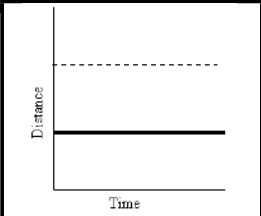
What does this graph represent?
a)
Constant speed
b)
Acceleration
c)
Not moving
2.

Segment B-C The bus is _________________.

a)

at rest

b)

returning (to original position)

c)

moving forward

3.
Which runner won the race?
a)
Albert
b)
Bob
c)
Charlie
4.
Which runner had a head start?
a)
A
b)
B
c)
C
5.

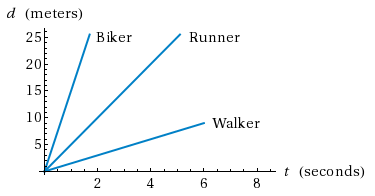
Which person moved the fastest in 3 seconds?

a)

biker

b)

runner

c)

walker

d)

they are all moving equally

6.

The graph shows the distance a student walks down a hall over time. During which time interval was the student moving the fastest?

a)

A

b)

B

c)

C

d)

D

7.
What genotype would go in box 2?
a)
BB
b)
Bb
c)
bb
8.

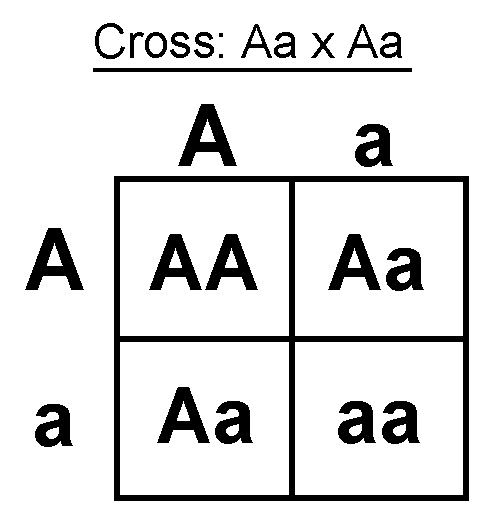
What is the probability of heterozygous offspring?

a)

0%

b)

100%

c)

50%

d)

25%

9.
G = green, g = yellow
The genotype for a yellow plant is...
a)
GG
b)
Gg
c)
gg
d)
all of the choices result in yellow
10.
Two brown eyed parents (Bb) have a baby. What is the chance the baby is blue eyed?
a)
0 %
b)
25%
c)
50%
d)
75%
11.

What genotype would go in box 1?

a)

BB

b)

Bb

c)

bb

12.

In a certain species of plant, the color purple (P) is dominant to the color white (p).

According to the Punnett Square, what is the probability of an offspring being purple?

a)

25%

b)

0%

c)

100%

d)

50%

13.
What is the phenotype of the heterozygous parent in the punnett square?
a)
green
b)
yellow
c)
hybrid
d)
purebred
14.

What are the phenotype percentages of the offspring?

(A-Brown fur color; a-white fur color)

a)

50 % Brown fur and 50% White fur

b)

25 % Brown fur and 75% White fur

c)

75 % Brown fur and 25% White fur

d)

0% Brown fur and 100% White fur

15.

What is the cell process called that produces identical cells?

a)

Mitosis

b)

Meiosis

c)

Photosynthesis

d)

Cellular Respiration

16.

Which results in offspring that are genetically unique and display a combination of traits from each parent?

a)

Sexual

b)

Asexual

c)

Neither

d)

Both

17.

A bee flies from one apple blossom to another and transfers pollen as it goes. Which type results from pollination?

a)

Sexual

b)

Asexual

c)

Neither

d)

Both

18.

Which type of reproduction results in offspring that are identical to the parent?

a)

Sexual

b)

Asexual

c)

Neither

d)

Both

19.

What is the cell process called that produces sex cells?

a)

Mitosis

b)

Meiosis

c)

Photosynthesis

d)

Cellular Respiration

20.

Greater genetic diversity

a)

Sexual Reproduction

b)

Asexual Reproduction

21.

Budding, Fragmentation, Binary Fission

a)

Sexual Reproduction

b)

Asexual Reproduction

22.

Offspring gets 50% of its DNA from each parent

a)

Sexual Reproduction

b)

Asexual Reproduction

23.

Pollination- pollen from one flower is carried to another flower to produce seeds

a)

Sexual Reproduction

b)

Asexual Reproduction

24.

Which of the following is true about DNA?

a)

It's found in the nucleus

b)

It is organized into chromosomes

c)

It holds all the genetic information

d)

All of these are true

25.

Eukaryotic cells have...

a)

A nucleus

b)

No nucleus

c)

One cell only

26.
DNA is free floating, not in a nucleus
a)
Prokaryote
b)
Eukaryote
27.
Typically are multicellular
a)
Eukaryote
b)
Prokaryote
28.
Include kingdoms: Protist, Animal, Fungi, and Plant
a)
Prokaryote
b)
Eukaryote
29.
No membrane-bound organelles
a)
Prokaryote
b)
Eukaryote
30.
Include kingdoms: Bacteria and Archaea
a)
Prokaryote
b)
Eukaryote
31.
Made up of one cell
a)
Prokaryote
b)
Eukaryote
32.
Contain membrane-bound organelles such as mitochondria, endoplasmic reticulum, and vacuoles
a)
Prokaryote
b)
Eukaryote
33.
This is a picture of:
a)
Prokaryote
b)
Eukaryote
34.

This is a...

a)

Prokaryotic Cell

b)

Eukaryotic Cell

c)

Neither

35.

This is a...

a)

Prokaryotic Cell

b)

Eukaryotic Cell

c)

Neither

36.

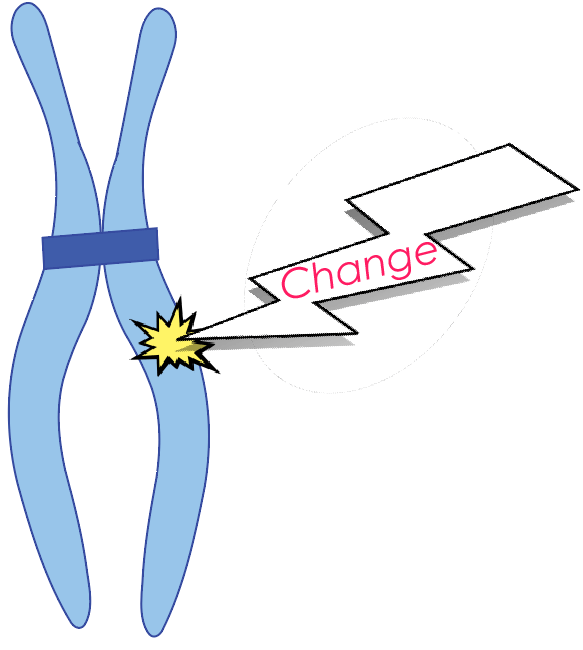
A change in a gene, group of genes or chromosome that results in a change in the proteins

a)

Replication

b)

Mutations

c)

Translation

d)

Transcription

37.
Which beneficial variation would be most helpful in a desert environment?
a)
white fur
b)
claws for burrowing
c)
grean and black camouflage
d)
flippers
38.

A mutation that helps an organism survive and reproduce

a)

harmful mutation

b)

helpful mutation

c)

neutral mutation

39.

A mutation that decreases an organism's ability to survive and reproduce

a)

harmful mutation

b)

helpful mutation

c)

neutral mutation

40.

A mutation that has NO effect on an organism's ability to survive and reproduce

a)

harmful mutation

b)

helpful mutation

c)

neutral mutation

41.
A rabbit that has short deformed legs and cannot jump or run fast would have a____
a)
Harmful mutation
b)
Beneficial mutation
c)
Neutral mutation
d)
normal life
42.
A desert animal with extra thick fur/hair would be___
a)
Harmful
b)
Neutral
c)
Beneficial
d)
Happy
43.
Which feature of a rose helps it grow without being eaten by large animals?
a)
flowers with bright colors
b)
sharp thorns
c)
small seeds
d)
deep roots
44.
Which feature helps an animal hide from other animals?
a)
looking like a dangerous animal
b)
being the same color as the place it lives (camoflauge)
c)
having sharp claws or a strong shel
d)
having only a few young and caring for them
45.
A giraffe has a long neck in order to better reach leaves to eat.  This is an example of _____. 
a)
an adaptation
b)
environment
c)
response
d)
stimulus
46.
Which adaptation (for the underlined animal) serves the function of defense?
a)
A walking stick looks like the twig on which it rests.
b)
A porcupine’s quills cause a predator to seek another meal.
c)
A whale filters plankton and krill from the water in which it swims.
d)
A penguin is dark on top and white below to blend in with the water.
47.
Which of the following is a physical adaptation for the underlined animal?
a)
A butterfly has bright colors to warn predators that it is poisonous.
b)
A hognose snake rolls over, slows its breathing, and hangs its tongue out to play dead.
c)
A herd of buffalo encircle their young to protect them from a pack of wolves.
d)
A dung beetle rolls a piece of dung across the desert.
48.
How do adaptations help animals?
a)
To escape animals
b)
to hunt for food
c)
to survive in their habitats
d)
All of these are correct
49.
An inherited trait that helps those organisms that have it to survive
a)
niche
b)
structure
c)
characteristic
d)
adaptation
50.

A salmon swims upstream to safer waters to breed. This is a _______ adaptation.

a)

structural

b)

behavioral

51.

A fish has gills for breathing underwater. This is a _____ adaptation.

a)

behavioral

b)

structural

52.

Birds flying south for the winter and bears hibernating through the winter is which type of adaptation?

a)

Functional

b)

Behavioral

c)

Structural

d)

Seasonal

53.

This is an example of what type of adaptation:

A skunk spraying its predator

a)

a migration adaptation

b)

an adaptation to find food

c)

an adaptation to hide (camouflage)

d)

a defense adaptation

54.
A squid will squirt black ink at predators when frightened.
a)
Behavioral Adaptation
b)
Structural Adaptation
55.
A penguin is white on its belly and black on its back so it harder to see underwater from above and below.
a)
Behavioral Adaptation
b)
Structural Adaptation
56.
This cell organelle helps organisms maintain homeostasis by controlling what substances may enter or leave cells.
a)
vacuole
b)
nucleus
c)
cell membrane
d)
cell wall
57.

The cell membrane is selectively permeable, which means...

a)

All materials can enter and leave the cell

b)

Certain things can enter while others cannot

c)

The cell manually sorts through all materials

58.
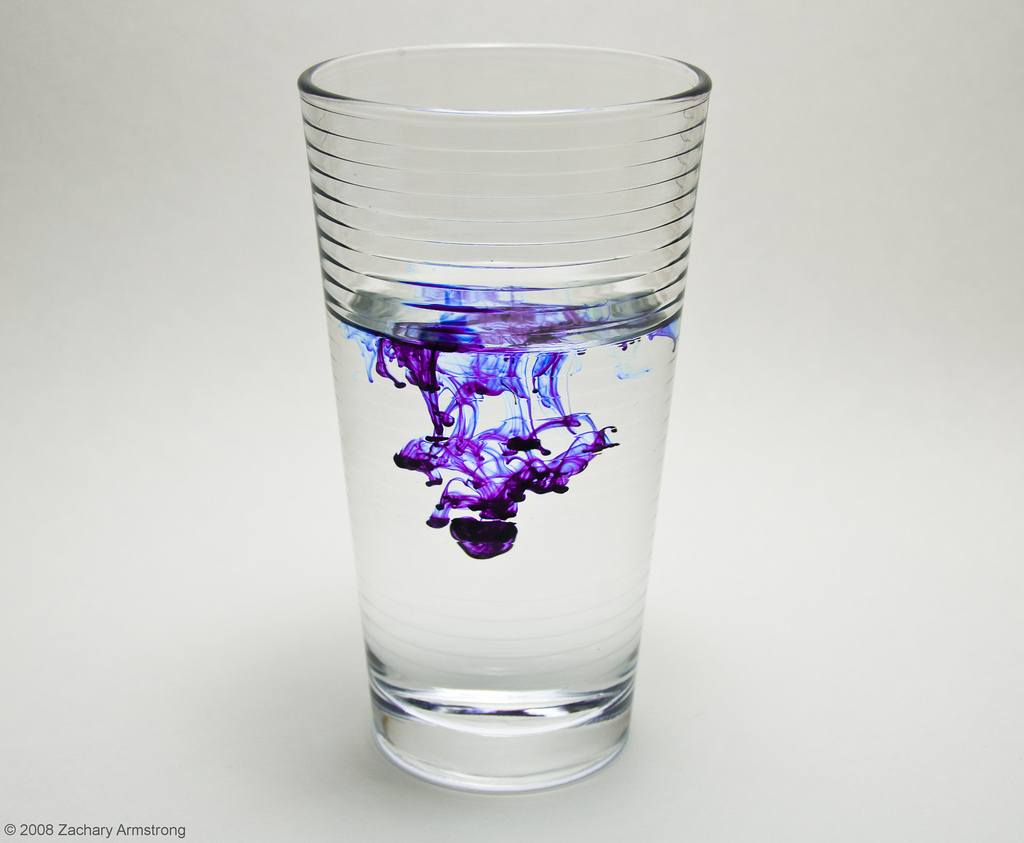
The picture is an example of _________________.
a)
osmosis
b)
isotonic
c)
diffusion
d)
active transport
59.
What is diffusion?
a)
when molecules move 
b)
when molecules move from a high concentration to a low.
c)
no movement 
d)
molecules move everywhere
60.

What does a 'region with high concentration' mean?

a)

SMALL number of particles

b)

LARGE number of particles

c)

UNEVEN number of particles

d)

no particles

61.

Where is there a low concentration of dye?

a)

at the bottom of cup

b)

in the color

c)

at the top of cup

d)

no concenteraion gradient

62.
What phase of mitosis is shown in the picture?
a)
Prophase
b)
Anaphase
c)
Telophase
d)
Metaphase
63.
What phase of mitosis is shown in the picture?
a)
Prophase
b)
Anaphase
c)
Telophase
d)
Metaphase
64.
What phase of mitosis is shown in the picture?
a)
Prophase
b)
Anaphase
c)
Telophase
d)
Metaphase
65.
What phase of mitosis is shown in the picture?
a)
Prophase
b)
Anaphase
c)
Telophase
d)
Metaphase
66.
Which of the following lists, in order, the phases of mitosis?
a)
interphase, metaphase, anaphase, telophase
b)
prophase, metaphase, anaphase, telophase
c)
prophase, metaphase, anaphase, interphase
d)
prophase, anaphase, metaphase, telophase
67.

What are the "X" shaped things in the drawing.

a)

PMATs

b)

Chromosomes

c)

Ribosomes

d)

Telophase

68.

What is the purpose of Mitosis?

a)

Growth of an organism and Repair of damaged tissue

b)

To help the body get rid of extra cells

c)

To increase the amount of classwork you have to do

d)

To get rid of the nucleus

69.
Mitosis is made up of how many phases?
a)
4
b)
5
c)
6
d)
7
70.

What phase is this?

a)

Prophase

b)

Metaphase

c)

Telophase

d)

Anaphase

71.

What phase is this?

a)

prophase

b)

cytokinesis

c)

metaphase

d)

anaphase

72.

What phase is this?

a)

Telophase

b)

Interphase

c)

Cytokinesis

d)

Anaphase

73.

What phase is this?

a)

Metaphase

b)

Telophase

c)

Interphase

d)

Prophase

74.

What phase is this?

a)

Interphase

b)

Telophase

c)

Prophase

d)

Anaphase

75.

In general, what happens to the climate (of the Earth) if more greenhouse gases are released (through human activities and natural occurrences) into the atmosphere?

a)

Average temperature goes up

b)

Average temperature goes down

c)

Average temperature remains the same

d)

None of the above

76.
What is the mixture of gases surrounding the Earth called?
a)
carbon
b)
concentration
c)
atmosphere
d)
emissions
77.

How does the Earth keep itself warm?

a)

Sunlight keeps the Earth warm.

b)

There are heat lamps orbitting above the Earth's atmosphere.

c)

The greenhouse gases trap the warm air and send it back to the Earth's surface.

78.
What happens to the temperature if more greenhouse gases are released into the atmosphere?
a)
Temperature goes up
b)
Temperature goes down
79.
Increased carbon dioxide may cause global warming by
a)
allowing more sunlight into the atmosphere.
b)
reflecting more sunlight from clouds.
c)
reducing the amount of oxygen in the air.   
d)
trapping more heat in the atmosphere.
80.
Which gas in our atmosphere is most abundant?
a)
Argon
b)
Oxygen
c)
Nitrogen
d)
Carbon Dioxide
81.
What is the percentage of oxygen in Earth's atmosphere?
a)
1%
b)
21%
c)
78%
d)
90%
82.
What is the percentage of nitrogen in Earth's atmosphere?
a)
1%
b)
21%
c)
78%
d)
90%
83.
What percentage of our atmosphere is made up of other gases such as argon, water vapor, and carbon dioxide?
a)
1%
b)
21%
c)
78%
d)
90%
84.
What are the 2 most abundant gases in Earth's atmosphere?
a)
carbon dioxide and oxygen
b)
carbon dioxide and nitrogen
c)
nitrogen and oxygen
d)
nitrogen and hydrogen 
85.
Which answer best describes Earth's atmosphere?
a)
mostly oxygen with about 21% atmosphere
b)
mostly nitrogen with about 21% oxygen
c)
mostly carbon dioxide with about 21% oxygen
d)
mostly nitrogen with about 21% carbon dioxide
86.

In mitosis, one parent cell -

a)

Forms two identical daughter cells

b)

Forms four identical daughter cells

c)

Forms two genetically diverse daughter cells

d)

Forms four genetically diverse daughter cells

87.
Most of the cells in the human body are produced by
a)
mitosis
b)
meiosis
88.

Meiosis produces daughter cells that are genetically _________ each other.

a)

identical to

b)

different from

c)

superior to

d)

inferior to

89.

How many daughter cells does mitosis produce?

a)

1

b)

2

c)

3

d)

4

90.

How many daughter cells does meiosis produce?

a)

1

b)

2

c)

3

d)

4

91.
What do plants give off after photosynthesis?
a)
Oxygen
b)
carbon
c)
nitrogen
d)
hydrogen
92.
Plants need ________from the air for photosynthesis
a)
oxygen
b)
soil
c)
carbon dioxide
d)
sugar
93.

The products (what they make) of photosynthesis are

a)

water and carbon dioxide

b)

oxygen and water

c)

sugar and cabon dioxide

d)

oxygen and sugar (glucose)

94.
What is the purpose of cellular respiration?
a)
to break down food
b)
to create energy in the body
c)
to release energy from food
d)
there is none; it's a waste of time
95.
ATP is...
a)
A form of energy the cell can use that is produced by cellular respiration
b)
A kind of sugar produced in photosynthesis
c)
A battery
96.
Plants can...
a)
Only use photosynthesis
b)
Only use cellular respiration
c)
Use photosynthesis and cellular respiration
97.
Animals can...
a)
Only use photosynthesis
b)
Only use cellular respiration
c)
Use photosynthesis and cellular respiration
98.

Simple sugar that is an important source of energy

a)

oxygen

b)

sunlight

c)

glucose

99.
Which gas is removed from the atmosphere during photosynthesis?
a)
hydrogen
b)
oxygen
c)
nitrogen
d)
carbon dioxide
100.
Which of the following is the correct equation for PHOTOSYNTHESIS?
a)
CO+ light + H2O --> O+ Sugar
b)
CO+ sugar + H2O --> O+ light
c)
O2 + light + H2O --> CO+ Sugar
d)
CO+ O2 + H2O --> Light+ Sugar
101.

Which of the following is the correct equation for cellular respiration?

a)

Carbon dioxide + Water + Sunlight ----> Glucose + Oxygen

b)

Glucose + Oxygen ----> Carbon dioxide + Water + ATP

c)

Glucose + Carbon dioxide ----> Oxygen + Water + ATP

d)

Glucose + Oxygen ----> Carbon dioxide + Water + Sunlight
102.

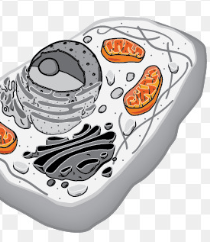
Where in a eukaryotic cell would cellular respiration occur?

a)

chloroplast

b)

nuclues

c)

mitochondrion

d)

ribosomes

103.

Which organelle is responsible making food (Glucose) using sunlight?

a)

Cell Membrane

b)

Nucleus

c)

Chloroplast

d)

Mitochondria

104.

Which of the following is the correct equation for PHOTOSYNTHESIS?

a)

light + carbon dioxide + water --> glucose + oxygen

b)

carbon dioxide + sugar + water --> oxygen + light

c)

oxygen + light + water --> carbon dioxide + sugar

d)

carbon dioxide + oxygen + water --> Light+ Sugar

105.
This is an image demonstrating...
a)
Tornado Formation
b)
The Greenhouse Effect
c)
Hurricane Formation
106.

The greenhouse effect comes from

a)

all heat being released by the earth going back into space

b)

some of the heat heat being released by the earth going back into space

c)

some of heat being released by the earth being trapped in the air

d)

all of heat being released by the earth being trapped in the air

107.

The greenhouse effect is about

a)

warming the atmosphere because of increased CO2 levels

b)

warming the atmosphere because of decreased CO2 levels

c)

cooing the atmosphere because of increased CO2 levels

d)

cooling the atmosphere because of decreased CO2 levels

108.

The greenhouse effect is a natural process

a)

true

b)

false

109.

The greenhouse effect is caused by

a)

more heat arriving at the Earth from the sun

b)

the Earth releasing more heat at night

c)

gases in the air trapping heat released by the Earth

110.

What are the products of photosynthesis?

a)

Carbon Dioxide & Water

b)

Sugar & Oxygen

c)

Sunlight

d)

Oxygen & Water

111.

What are the reactants of photosynthesis?

a)

Carbon Dioxide & Water

b)

Sugar & Oxygen

c)

Sunlight

d)

Oxygen & Water

112.

What are the reactants of cellular respiration?

a)

Carbon Dioxide, Water, & Energy

b)

Sugar & Oxygen

c)

Glucose & Carbon Dioxide

d)

Oxygen & Water

113.

What are the products of cellular respiration?

a)

Carbon Dioxide, Water, & Energy

b)

Sugar & Oxygen

c)

Glucose & Carbon Dioxide

d)

Oxygen & Water

114.

What is produced by cellular respiration that is used by photosynthesis?

a)

Oxygen & Water

b)

Water & Carbon Dioxide

c)

Sugar & Oxygen

d)

Carbon Dioxide & Oxygen

115.

What is produced by photosynthesis that is used by cellular respiration?

a)

Oxygen & Water

b)

Water & Carbon Dioxide

c)

Sugar & Oxygen

d)

Carbon Dioxide & Oxygen