
 Worksheets
Part 1-Moon, Tides, Rotation(day/Night), Seasons(Revolution)
Total questions: 86
Worksheet time: 1hrs 6mins

This causes day and night...
Earth's revolution or orbit
Earth's rotation or spin
Tectonic Plates
Gravity

This causes Earth's seasons...
Earth's revolution and tilt on its axis
Earth's rotation or spin
Tectonic Plates
Gravity

An equinox is:
When there is a long day and short night
When there is a short day and long night
When there is equal day and equal night
Which picture shows an equinox...


Which picture shows a solstice...

A solstice is...
When the sunlight is farthest from the equator, causing uneven days and nights
When the sunlight is at the equator causing equal length day and night
When convergent plates push up a mountain

If it is summer in the Northern Hemisphere, what season is it in the Southern Hemisphere?
Summer
Fall
Winter
Spring
If it is winter in the Southern Hemisphere, what season is it in the Northern Hemisphere?
Summer
Fall
Winter
Spring

If it is fall in the Northern Hemisphere, what season is it in the Southern Hemisphere?
Summer
Fall
Winter
Spring

If it is spring in the northern hemisphere, what season is it in the southern hemisphere?
Summer
Fall
Winter
Spring

What causes fall and spring?
The Earth's tilt causes the sun to be below the equator
The Earth's tilt causes the sun to be above the equator
The sun is around the equator, not above or below it, causing milder temperatures
On June 21, what season is it in the Northern Hemisphere?
Summer
Fall
Winter
Spring
On September 22, what season is it in the Northern Hemisphere?
Summer
Fall
Winter
Spring
On December 21, what season is it in the Northern Hemisphere?
Summer
Fall
Winter
Spring
On March 21, what season is it in the Northern Hemisphere?
Summer
Fall
Winter
Spring
On June 21, what season is it in the southern hemisphere?
Summer
Fall
Winter
Spring
On September 22, what season is it in the southern hemisphere?
Summer
Fall
Winter
Spring
On December 21, what season is it in the southern hemisphere?
Summer
Fall
Winter
Spring
On March 21, what season is it in the southern hemisphere?
Summer
Fall
Winter
Spring

What is another word for Earth's complete revolution in one year?
Orbit
Rotation
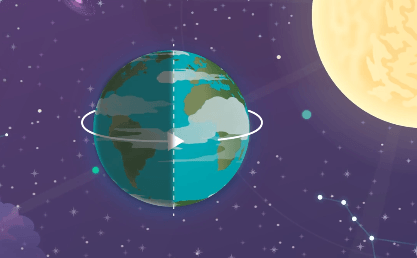
What appears to be the motion of the Sun in the sky is really caused by the motion of _____
the Earth
the stars
the planets
the Earth's axis
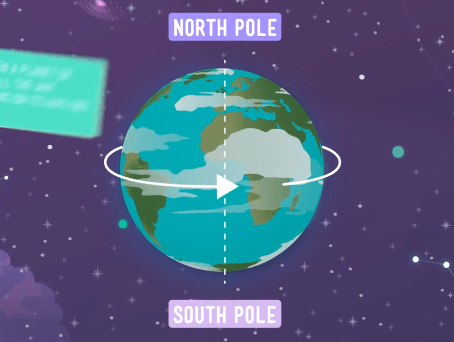


It takes this long for the Earth to rotate or spin once on its axis.
1 year
24 hours
1 week
365.25 days

The Earth's _______ is an imaginary line
that goes from the North Pole to the South Pole.
axis
orbit
solar eclipse

How long does the Earth's revolution last?
346.25 days
24 hours
365.25 days
29 days

What would happen if the Earth's rotation or spin was faster?
There would be no high or low tides
There would be fewer days in a year
There would be more seasons
There would be shorter days

The sun rises in the (a) and
sets in the (b) .
east
west
north
south

What season is the Northern Hemisphere experiencing in this picture?
summer
fall
winter
spring
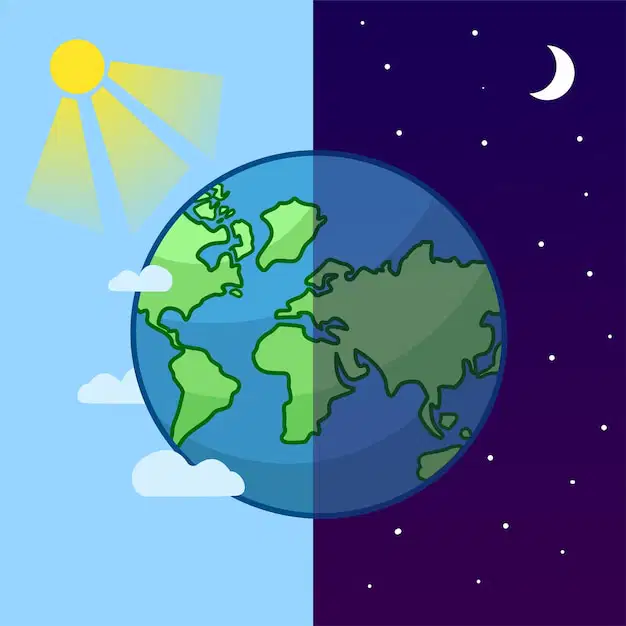
It is ______ on the side of the Earth facing away from the Sun.
night
day
summer
winter

The revolution of the Earth on a tilted axis around the Sun causes...
Moon Phases
Sunlight
Day and Night
Seasons
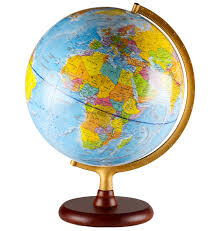
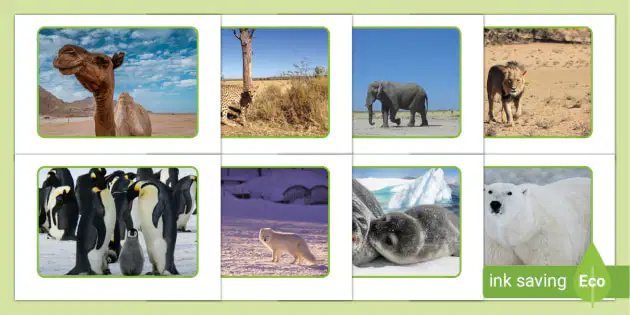
If a planet is more tilted than Earth, what will their seasons be like?
Their seasons will be more mild
Their seasons will be more extreme
Their seasons will be the same
Their seasons will vary depending on how close to the sun they are

The diagram above shows the Earth and the Sun.
Which part of the Earth is A, B, C or D experiencing at night?
A
B
C
D
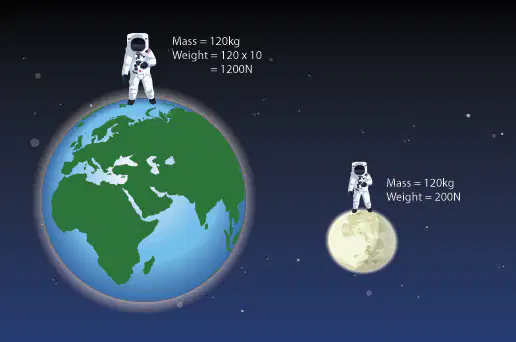
The force of gravity on an object's mass is the object's
Force
Gravity
Weight
Intertia

Force
Gravity
Weight
Inertia

Orbit
Rotation
Axis
Revolution

Increase
Decrease
Stay the same
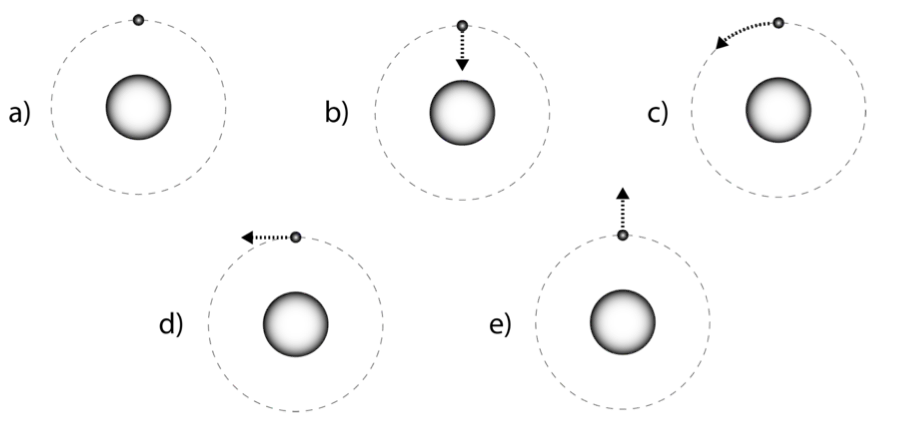

The ground
the moon
The center of a mass
the sun
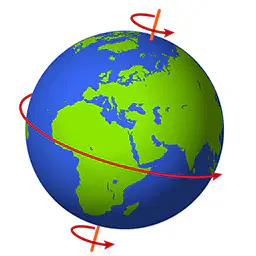

As you move farther away from the sun, how does the orbital period (how long it takes to go all the way around) change?
It doesn't change
It gets longer
It gets shorter

What number represents a Waning Crescent?
2
4
6
7
8

Which numbers represent gibbous moons? Pick 2.
3
4
5
6
7

If today is a full moon, how many days ago did we observe a first quarter moon?
7 days
14 days
21 days
28 days

If a waning crescent will occur on December 14, which moon phase will be observed on December 7?


The phase of the moon depends on...
where it is in its orbit around the Earth
where it is in its orbit around the Sun
the shadow of Earth

Define Waxing
The moon is increasing and the light part appears to be growing.
Completely illuminated.
The dark side is facing Earth.
The moon is decreasing and the light part appears to be shrinking.

What type of eclipse is this?
Solar Eclipse
Lunar Eclipse

new moon

full moon

first quarter

waxing crescent

Waning crescent

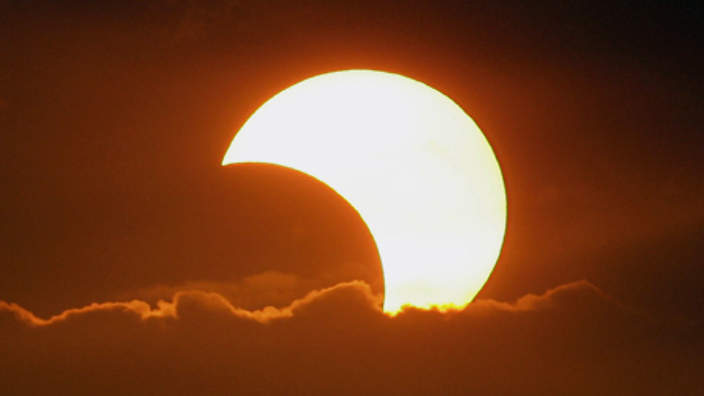
This image is an example of:
Lunar Eclipse
Full Moon
New Moon
Solar Eclipse

In order to have an eclipse, the Moon, Sun, and Earth have to be?
Below each other
Above each other
In alignment

Lunar eclipse
Solar eclipse

one object passes through the shadow of another object.
two shadows collide.
the moon is in the waxing crescent phase.
the Sun and Moon are side by side.


What type of tide would this arrangement of earth-moon-sun create?


Name the phase of the moon for letter h.
Waning Gibbous
Waxing Gibbous
Waning Crescent
Waxing Crescent

4 high and 2 low
4 high and 4 low
the number varies between 2 and 10 tides
2 high and 2 low


Moon’s gravitational pull
Sun’s gravitational pull
Earth’s gravitational pull

What kind of music do elves like best?
Shelf
One slays the dragon, the other drags the sleigh.
Wrap music
Santapplause!

What’s the difference between Santa and a knight?
Ice caps!
One slays the dragon, the other drags the sleigh.
He uses Comet.
Santapplause!

What does Mrs. Claus say to Santa when there are clouds in the sky?
Santa Pause.
Tinsil-itis!
It looks like rain, dear.
Do you smell carrots?

What do you call Santa when he takes a break?
Santa Pause.
Tinsil-itis!
Subordinate clauses.
The Christmas alphabet has No-el.es

Why was the snowman looking through the carrots?
Santa walking backwards!
He was picking his nose!
It’s Christmas, Eve!
A Holly Davidson!

What goes “Oh, Oh, Oh”?
Santa walking backwards!
Snowflakes!
It’s Christmas, Eve!
A Holly Davidson!

What do snowmen have for breakfast?
‘O camel ye faithful!’
Snowflakes!
It’s Christmas, Eve!
A Holly Davidson!
What do you call a kid who doesn’t believe in Santa?
Santa walking backwards!
He was picking his nose!
He pulled a cracker!
A rebel without a Claus

What do you say to Santa when he’s taking attendance at school?
Ice caps!
One slays the dragon, the other drags the sleigh.
One that’s deep-pan, crisp and even!
Present

Why do reindeer like Beyoncé so much?
she is beautiful
She sleighs.
She sings


The diagram shows the earth orbiting the Sun. Letters A and B
show two locations in Earth’s orbit around the Sun.
How long will it take for Earth to travel from point A to point B?
1 month
3 months
6 months
9 months

Which season is the northern hemisphere experiencing when the Earth and Sun are in the positions shown in the illustration?
Winter due to the Northern Hemisphere being tilted away from the sun.
Spring due to the Southern Hemisphere being tilted towards the sun.
Summer due to the Southern Hemisphere being tilted away from the sun.
Fall due to the Northern hemisphere being tilted away from the sun.
Match the following

Waxing Cresent

Waxing Gibbous

Waning Crescent

Waning Gibbous

What should the moon look like on the 5 of March?


What moon would you expect to see on March 18th?



