
 Worksheets
07. Rivers
Total questions: 77
Worksheet time: 21mins
Which is NOT a method of transportation? (a)
Where would you find a waterfall? (a)

What landform can you see in the picture? (a)
"When rocks scrape along the river bank and bed" is what type of erosion? (a)
Match the following

Upper Course

Middle course

Lower Course

How is an oxbow lake formed?
Two meanders merge through erosion. The river deposits the eroded materials which block off the old parts of the river.
Eroded material is carried by the river and released creating new land.
A meander is a (a) in the river.
What are the processes of river transport?
Hydraulic action, abrasion, solution
Longshore drift and mass movement
Traction, saltation, solution, suspension
Traction, hydraulic action, solution
Why do rivers deposit their load? (a)
In its upper course, a river mainly erodes...
Laterally
From side to side
Vertically and laterally
Vertically
What is the name of the deep pool found at the base of a waterfall?
Diving pool
Jacuzzi pool
Plunge pool
Overhang
At what stage is the river valley V shaped?
Upper course
Lower course
Middle course
You can't tell
What is a long profile?
A line representing the river from its source to its mouth.
A line from one river bank to another
The point where a river starts
An area of land drained by a river and its tributaries.
What are the characteristics of the upper course of a river?
Wide, deep channel
Shallow, narrow channel
Widest, deepest channel
All of the above
Identify the characteristics of the middle course of a river.
Medium gradient, gently sloping valley sides with a wider, deeper channel.
Gentle gradient, very wide, almost flat valley, very wide and deep river channel.
Steep gradient, v-shaped valley, steep sides and narrow, shallow channel.
Why is vertical erosion most dominant in the upper course of a river?
High turbulence causes the rough, angular particles transported by the river to be scraped along the riverbed, causing intense downwards erosion.
The discharge is highest here causing intense erosion.
The velocity of the water is highest here causing intense erosion.
What river landforms are found in the upper course?
Gorge
Meander
Delta
Interlocking spurs
The Jubilee River was an example of (a) engineering. It used a (b) to divert water away from Windsor
Natural levees are....
Man-made structures to prevent flooding
A raised bank on the edge of a flood plain
A raised bank either side of the river due to deposition
Unlevel ground on a flood plain
Name this type of erosion - the power of the water forcing air and water into cracks in the river bed and eroding it.
(a)
Which of these is a human cause of flooding?
Heavy rainfall
Natural Hazards
Impermeable rocks
Deforestation

What is the land next to the river called and how would you describe it?
Floodplain, steep land next to the river.
Floodplain, flat land next to the river.
Floodplain, flat land away from the river.
Floodplain, flat land on top of the river.

Reorder the following to create a waterfall
The soft rock is eroded quicker than the hard rock and this creates a step
As erosion continues, the hard rock is undercut forming an overhang.
Abrasion and hydraulic action erode to create a plunge pool.
Over time this gets bigger, increasing the size of the overhang until the hard rock is no longer supported and it collapses.
This process continues and the waterfall retreats upstream, forming a gorge

1.What do you see in this picture?
Waterfall
V-shaped valley

Identify the negatives of the Jubilee River Program
It flooded Old Windsor which was a poorer area
It stopped Windsor from flooding - this was a valuable area that was protected
It cost over £110 million and ran over budget
Label a feature at each stage of the course of a river

What is this feature in the upper course of a river?
Interlocking spur
Oxbow lake
Waterfall

Reorder the following to form a meander
The development of meanders is due to both deposition and erosion.
On the inside bend, water is slower and deposits sediment
This forms a slip off slope
On the outside of the bend, energy is higher, this causes erosion, forming a river cliff
Over time, the meanders change shape, moving across the floodplain

Reorder the following to form an oxbow lake
The faster moving water erodes the outside bend
The slower moving water deposits on the inside of the bend
As the outside bends erode, the necks of the meander migrate towards each other
Eventually they are so close the water flows straight across the bend
The sediment blocks off the water to the bend creating an oxbow lake
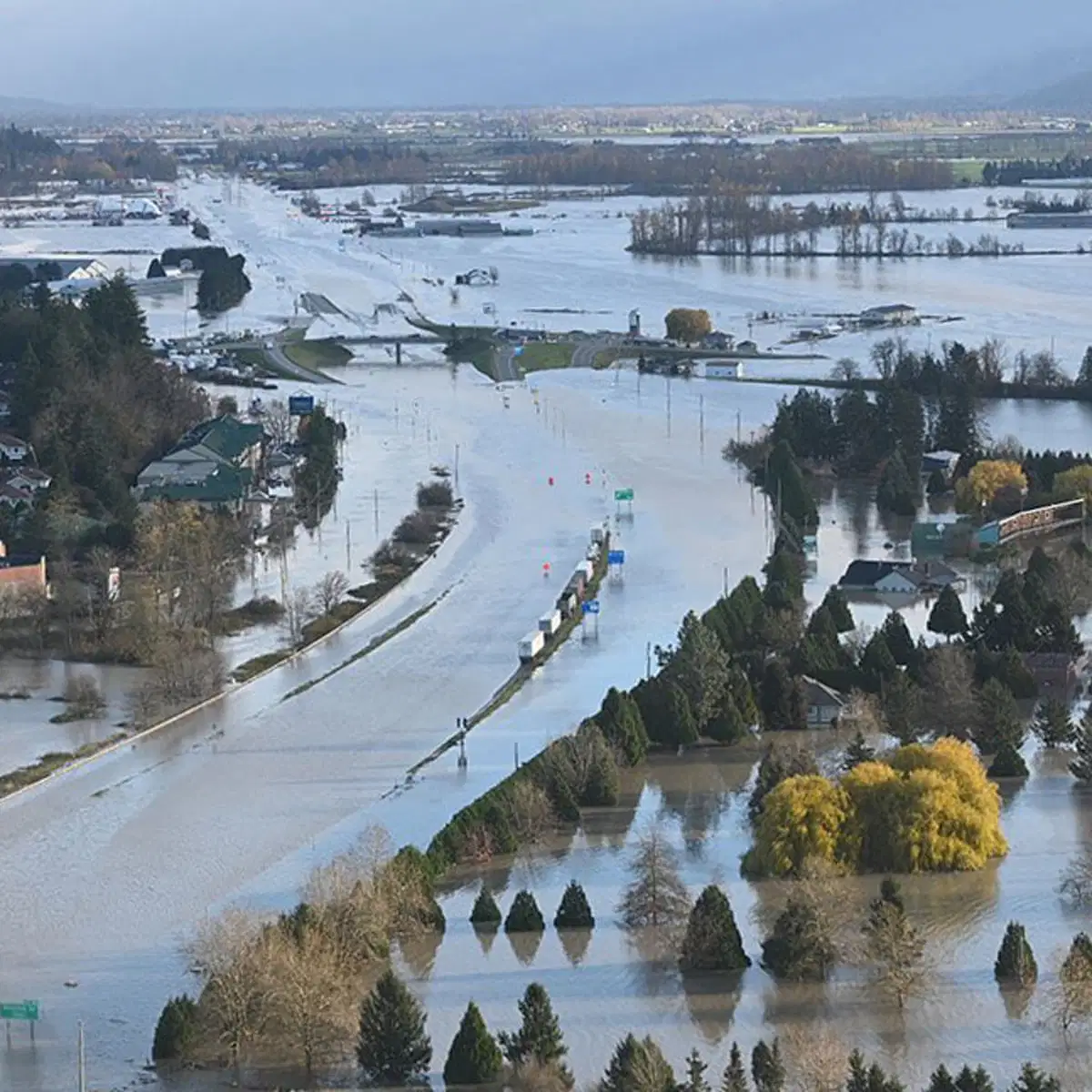
What are physical (natural) factors that cause flooding
Prolonged rainfall
Impermeable land
How steep the land is
Building on floodplains
Impermeable surfaces eg tarmac

A (a) hydrograph with a very (b) lag time is often found in urban areas. Here flooding is very likely to happen as the ground is (c) with surfaces made of tarmac
A soft engineering strategy where the local area is planned. It means that things like farms are found near the river channel, and more expensive buildings like houses and offices are far away from the river. When it floods, less valuable land is flooded
Floodplain zoning
Embankments
Reservoir
Channel straightening
• The Jubilee River is a relief channel for the River Thames. It cost (a)
• The Jubilee River diverts water away from the (b) using a (c)
• The scheme’s secondary channel has helped avert floods 30 times since 2002
• It protects (d) homes. However it has meant that poorer areas downstream in Old Windsor have been flooded
Which of these are negatives of the Jubilee Flood Relief Channel?
Economic
Wealth properties of Eton and Windsor have been protected whereas Old Windsor has been flooded
Social
The cost went about the planned £110 million and maintaining the channel has been expensive
Environmental
The concrete weirs look unattractive and spoil the natural environment
Match the hard engineering strategies
Embankments
Large concrete structures either side of a channel making it harder for it to burst its banks
Channel straightening
Allows the river to flow faster out of a local area when flooding happens
Reservoirs and dams
Store water, allowing it to be released down into the river when it is safe to do so
________________ are streams that flow together to make a river.
source
tributaries
mouth
drainage basin
The area of land DRAINED by a river system is called the _____________
drainage basin
mouth
tributaries
source
The place where the river end in the sea or large lake is called the ___________.
source
tributaries
mouth
drainage basin
When a river floods...
... the heaviest particles are carried furthest.
… the smallest particles are deposited closest to the river channel.
… the load is spread randomly across the floodplain.
… the heaviest particles are deposited closest to the river channel.
What is the name of the deep pool found at the base of a waterfall?
Diving pool
Jacuzzi pool
Plunge pool
Overhang
At what stage is the river valley V shaped?
Upper course
Lower course
Middle course
You can't tell
What is a long profile?
A line representing the river from its source to its mouth.
A line from one river bank to another
The point where a river starts
An area of land drained by a river and its tributaries.
What are the characteristics of the upper course of a river?
Wide, deep channel
Shallow, narrow channel
Widest, deepest channel
All of the above
Why is vertical erosion most dominant in the upper course of a river?
High turbulence causes the rough, angular particles transported by the river to be scraped along the riverbed, causing intense downwards erosion.
The discharge is highest here causing intense erosion.
The velocity of the water is highest here causing intense erosion.
Which Process involves small pebbles and stones being bounced along the river bed?
Solution
Traction
Saltation
none of the above
Which process involves large boulders and rocks being rolled along the river bed?
Saltation
Traction
Suspension
Solution
Tiny particles such as silt are usually transported:
in solution
in suspension
by saltation
by traction
The load of the river is all the materials carried by the water
True
False
What is the edge of the river basin called?
waterside
waterway
watershed
water
________________ are streams that flow together to make a river.
source
tributaries
mouth
drainage basin
What river landforms are found in the upper course?
Gorge
Meander
Delta
Interlocking spurs
What type of erosion is prominent in the middle course?
Vertical erosion
Saltation
Solution
Lateral erosion
What landforms occur in the middle course of a river?
Ox-bow lakes
V-shape valleys
Flood plains
Estuary
The (a) means the fastest flow of the river
The fastest flow of the river occurs on the ____________ bend creating a _______________.
Inside
Outside
Slip-off slope
River cliff
Natural levees are....
Man-made structures to prevent flooding
A raised bank on the edge of a flood plain
A raised bank either side of the river due to deposition
Unlevel ground on a flood plain
What is abrasion?
Rocks rubbing away the river bed like sandpaper
Small rocks hitting into each other
Acidic water dissolving rocks
Identify the processes of transportation
Solution
Attrition
Traction
Saltation
Which of these is a human cause of flooding?
Heavy rainfall
Natural Hazards
Impermeable rocks
Deforestation
Which of these is a human cause of flooding?
Heavy rainfall
Natural Hazards
Impermeable rocks
Deforestation
What is an impermeable rock?
A rock that doesn't let water through
A rock that does let water through
Processes of erosion
The sheer power of the water as it smashes against the river banks. Air becomes trapped in the cracks in the rock of the river bank and bed, and causes the rock to break apart.
Saltation
Hydraulic action
Abrasion
Attrition
Processes of erosion
When pebbles grind along the river bank and bed in a sand-papering effect
Weathering
Abrasion
Hydraulic action
Attrition
Processes of erosion
When rocks that the river is carrying knock against each other. They break apart to become smaller and more rounded.
Attrition
Abrasion
Solution
Hydraulic action
Processes of erosion
When the water dissolves certain types of rocks, e.g. limestone.
Solution
Abrasion
Hydraulic action
Attrition
Weathering processes
Rainwater is slightly acidic and over time this dissolves rocks such as limestone and chalk.
Chemical weathering
Biological weathering
Mechanical (freeze-thaw) weathering
Transportation processes
Large, heavy pebbles are rolled along the river bed. This is most common near the source of a river.
Suspension
Solution
Traction
Transportation processes
Pebbles are bounced along the river bed, most commonly near the source.
Saltation
Suspension
Solution
Traction
Transportation processes
Lighter sediment is carried within the water, most commonly in the middle and lower course of the river.
Suspension
Solution
Hydraulic action
Saltation
When the river loses energy, it drops any of the material it has been carrying. This is known as...
mass movement
deposition
hydraulic Action
transportation
Features of the drainage basin
This is where the river flows.
Channel
Watershed
Mouth
Tributary

